

Are you sure you're eating the right amount of protein per pound to actually build muscle? The real secret to muscle growth may have nothing to do with taking in more protein powder—or even with eating “as much as you can
Unlocking Muscle Growth: Are You Really Eating the Right Amount of Protein Per Pound?
Are you sure you're eating the right amount of protein per pound to actually build muscle? Discover why common advice might be holding back your gains and learn how to unlock your true muscle-building potential starting today.

What You'll Learn in This Guide About How Much Protein Per Pound for Muscle Gain
The science behind optimal protein intake for muscle growth
Real numbers: protein intake recommendations per pound of body weight
Common myths about protein and muscle gain debunked
Advice from leading medical professionals and nutritionists
How to avoid muscle loss and maximize protein synthesis
Professional strategies to track daily protein needs
Why Protein Intake Matters: The Foundation of Muscle Growth
The Relationship Between Body Weight, Protein Intake, and Building Muscle
Protein is more than just another macronutrient—it's the raw material for building and maintaining muscle mass. When you’re trying to build muscle, the amount of protein you eat per pound of body weight directly influences whether your effort in the gym actually translates into growth. Muscles are made primarily of proteins constructed from amino acids, which come from dietary protein.
Scientific studies repeatedly confirm that eating enough protein is key not only to build muscle but also to retain it when you lose weight or ramp up training intensity. Your lean body mass, body composition, and protein needs will shift as your activity and goals change, making it critical to fine-tune your approach over time.
The link between protein intake and muscle growth has been cemented by research showing substantial increases in muscle mass among those who eat higher protein diets compared to those who don't. For anyone looking to maximize gains—or simply stop the slow creep of muscle loss that happens with inadequate protein—understanding how much protein per pound of body weight is needed should be the starting point of your nutrition plan.
Protein Synthesis & Muscle Protein: How They Fuel Muscle Gain
Protein synthesis is the biological process where your body rebuilds and repairs muscle fibers damaged during strength training. Without a steady flow of amino acids from dietary protein, this repair process falls short, resulting in little to no net muscle gain—sometimes even muscle loss, especially if your overall diet or calorie intake is lacking.
Amino acids are the crucial building blocks in this equation, supporting not only growth but long-term muscle retention and recovery. If your daily protein intake is too low, you risk slowing this process and stalling your hard-earned progress, regardless of your workout intensity.
“Muscle protein synthesis only occurs if amino acids are available from dietary protein. Without meeting per-pound requirements, muscle growth plateaus.” – Dr. Lisa Carter, PhD, Nutrition Science

How Much Protein Per Pound for Muscle Gain: Evidence-Based Recommendations
Current Scientific Studies on Protein Intake and Muscle Gain
Research on optimal protein intake for muscle gain is extensive and often cited by fitness professionals. According to studies published in the Journal of the International Society of Sports Nutrition and guidelines from the National Strength and Conditioning Association (NSCA), the optimal range of protein per pound for muscle gain is higher than what most “casual” advice suggests.
The consensus: eating between 0.7–1.1 grams of protein per pound of body weight ensures adequate muscle protein synthesis for most lifters, from beginners to seasoned athletes.
Athletes in a calorie deficit (cutting to lose weight) or those aiming to maximize lean mass retention may require even higher protein intakes. Multiple meta-analyses showcase that while higher protein intakes reduce muscle loss, there is a threshold—overeating protein (beyond 1.2–1.3g/lb) generally does not provide additional muscle-building benefits. In fact, individual genetic factors, training frequency and body composition all play a role in setting your personal daily protein target.
While dialing in your protein intake is essential for muscle growth, it's also important to consider how other dietary habits—like sodium consumption—can impact your progress. For a deeper look at how a high salt diet may influence weight gain and overall body composition, check out this detailed analysis on the impact of high salt diets on weight gain.
Grams of Protein Per Pound of Body Weight for Optimal Results
So, what’s the magic number? For most aiming to maximize muscle growth or maintain muscle during periods of intense training or calorie deficits, these evidence-based guidelines will keep you on track:
Protein Intake Recommendations by Body Weight and Training Status
Population |
Protein (g/lb body weight) |
Source |
|---|---|---|
Novice lifters |
0.7 – 0.8 |
JISSN |
Intermediate to advanced |
0.9 – 1.1 |
ISSN |
Cutting (lose weight phase) |
1.0 – 1.3 |
NSCA |
Remember: These numbers should be used as a starting point and adjusted based on lean mass, training frequency, age, and other personal factors. Meeting your protein goals consistently—split across 3-5 meals per day—drives maximal muscle protein synthesis and faster recovery. Focusing on quality protein sources also helps ensure you’re getting a wide range of essential amino acids that build muscle efficiently.
Common Myths About Protein Intake for Muscle Growth
Myth: More Protein Always Equals More Muscle
One of the most pervasive beliefs in fitness is that “the more protein you eat, the more muscle you’ll build.” However, science debunks this idea. Once you hit the optimal range (usually up to 1.1g per pound of body weight), any extra protein isn’t magically converted into more muscle. Instead, surplus protein can be used for energy or even stored as fat when calories exceed your needs. Studies, including those from the JISSN, suggest focusing on hitting—not overshooting—your target for protein intake is best for muscle growth and overall health.
There’s also no solid evidence that eating more protein beyond this range provides a muscle-building advantage. If you’ve stalled in your gains, check other factors first: training intensity, recovery, and overall calorie balance are just as crucial as protein. For most, chasing endlessly higher protein numbers means wasted effort, not bigger biceps.
Myth: 50g of Protein in One Meal Is Wasted
Muscle loss from excess protein?
The daily protein intake ceiling
Another popular myth is that your body “can’t absorb” more than 20-30 grams of protein in one meal, and anything above 50g is wasted. In reality, your digestive system processes protein over several hours, with absorption rates influenced by muscle mass, training status, and meal composition.
Research shows that up to 40–60g of protein in one meal can effectively stimulate muscle protein synthesis, and larger amounts can be especially helpful for individuals with higher body mass or those doing intense strength training. The key is hitting your total daily protein intake first, rather than stressing over meal-by-meal breakdowns.
"Many people believe there's a strict cap on protein absorption, but protein is processed over several hours—not minutes." — Jason Vale, celebrity trainer

Protein Synthesis and Muscle Protein: Maximizing Muscle Protein Synthesis
Role of Protein Intake in Muscle Protein Synthesis
Maximizing muscle protein synthesis is the “active ingredient” in building new muscle tissue. Each time you consume adequate protein, you supply your muscles with the essential amino acids needed to initiate and sustain synthesis. Without enough, the process stalls or reverses, increasing risks of both muscle loss and poor recovery. Every gram of protein you eat should contribute to this process, helping your body to build muscle and repair body composition after demanding workouts.
For those targeting optimal results, the focus should be on both the total daily protein intake and ensuring that protein is distributed in a way that maintains stable amino acid availability throughout the day. This supports continuous muscle repair and growth, especially critical for athletes and anyone with a busy training schedule.
How to Spread Your Protein Intake Throughout the Day
Consistently distributing your protein intake across three to five meals is a simple, effective way to maintain steady muscle protein synthesis. Instead of loading up at dinner or breakfast alone, aim to include 20–40 grams of protein in each meal. This strategy helps regulate amino acid levels, maximizes muscle building, and keeps hunger under control—especially during periods when you’re trying to lose weight without significant muscle loss.
"Keeping protein intake evenly distributed enhances muscle protein synthesis and supports sustained growth." — Dr. Maria Nguyen, Registered Dietitian
Daily Protein Intake Strategies for Muscle Gain
Calculating Your Daily Protein Needs
Calculating how much protein per pound for muscle gain is straightforward: multiply your current body weight by the recommended intake for your training status (see earlier table). If you weigh 180 pounds and strength train 3-4 times per week, a daily diet of 0.9–1.1 grams per pound typically yields the best results, which means 162–198 grams of protein. Remember, body composition and overall goals matter—muscle retention during a calorie deficit usually requires more protein per pound than bulking does.
For more accurate calculations, consider your lean body mass instead of total weight, especially if you have higher body fat. Online protein calculators or consultations with sports nutritionists can tailor a plan based on your unique needs, training, and goals. Don't forget to factor in recovery, caloric needs, and your preferred mix of animal and plant proteins.
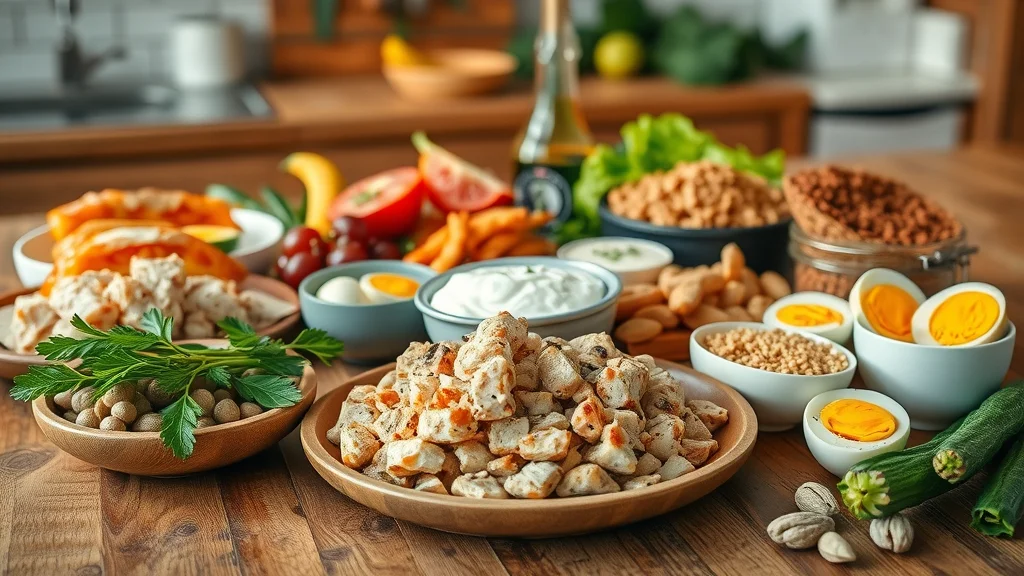
Sample Meal Plan: Meeting Your Grams of Protein Per Pound Goal
Sample Daily Meal Plan for a 180lb Man (1g/protein per lb)
Meal |
Protein Source |
Grams of Protein |
|---|---|---|
Breakfast |
Greek Yogurt, Eggs |
35 |
Lunch |
Chicken Breast |
45 |
Snack |
Protein Shake |
30 |
Dinner |
Salmon & Quinoa |
40 |
Snack |
Cottage Cheese |
30 |
"Personalizing your protein plan to lifestyle, not just weight, is crucial for muscle growth." – Rachel Hardy, Certified Nutritionist
Factors That Influence How Much Protein Per Pound for Muscle Gain Is Needed
Age, Gender, Training Intensity, and Body Fat Percentage
Protein needs aren't one-size-fits-all. Your age, gender, training intensity, and body fat percentage all play significant roles in determining ideal protein per pound recommendations. Older adults, for instance, need more protein just to maintain muscle mass due to decreased muscle protein sensitivity.
Women may require lower overall intake due to usually lower body weight and lean body mass, but their proportional needs (per pound) remain similar to men. Higher body fat means base calculations should focus more on lean body mass to avoid overshooting requirements.
If you’re training intensely—lifting heavy or performing high volume workouts—you’ll benefit from protein targets at the upper end of the recommended range. These higher intakes support repair, growth, and the added stress from frequent workouts, helping maximize lean mass gains while minimizing muscle loss during tough training cycles or fat-loss phases.
Cutting (lose weight) vs. Bulking: Adjusting Daily Protein Intake
Risks of muscle loss on a calorie deficit
How the body uses protein differently when trying to lose weight
When you’re in a cutting phase—eating fewer calories to lose weight—your daily protein intake must go up to help maintain muscle and prevent body composition from shifting towards more fat loss than muscle retention. During calorie restriction, your body becomes more likely to break down muscle for energy unless enough dietary protein is available.
Experts recommend aiming for 1.0–1.3g per pound of body weight, especially when your goal is fat loss without sacrificing hard-earned lean mass. By contrast, those “bulking” may prioritize the lower end of the intake spectrum (around 0.7–0.9g/lb), focusing on increased calories and a well-rounded nutrition plan for growth.
Unlocking Real Muscle Growth: Avoiding Pitfalls in Protein Intake
Tracking Your Protein Intake Consistently
Successful muscle gain depends on consistently tracking—and hitting—your protein goals. Use apps, spreadsheets, or simple meal journaling to monitor total intake, meal distribution, and any patterns of under- or overconsumption. Many athletes use kitchen scales or visual measurements to ensure they’re on target. Regular tracking reveals gaps and helps prevent “guesstimating,” a leading cause of stalled progress, especially for those with busy lifestyles or shifting training plans.
Overcoming Plateaus: Recognizing When to Adjust Protein Intake
Signs you’re not getting enough protein
Science-backed tips for breaking through muscle growth stalls
Plateaus in muscle growth often indicate that one or more aspects of your nutrition—or recovery—need fine-tuning. If you’re not seeing increases in strength, muscle size, or recovery speed, it may be time to review your total daily protein intake and adjust upwards (within evidence-based ranges) or reassess your protein timing and sources.
Common signs of insufficient protein include persistent soreness, lack of progress in strength training, slow recovery, and unexplained muscle loss. Stay patient, adjust gradually, and listen to your body for long-term, sustainable results.

What the Pros Really Say About How Much Protein Per Pound for Muscle Gain
"For most lifters, aiming for 0.8–1g of protein per pound is both effective and safe." — Dr. Aaron Hughes, Sports Medicine Physician
Insights from: Dr. Lisa Carter, Jason Vale, Dr. Maria Nguyen, Dr. Aaron Hughes

People Also Ask: How Much Protein Per Pound for Muscle Gain
How much protein should I eat in a day to gain muscle lbs?
Most evidence suggests a range of 0.7–1.1 grams of protein per pound of body weight daily will maximize muscle growth for most individuals. For a 180 lb individual, that’s between 126 and 198 grams per day, depending on training status, body fat, and goals.
Is 1.5 g of protein per pound of body weight too much?
For most healthy adults, consuming up to 1.5 grams of protein per pound is not harmful short-term, but there is minimal evidence it increases muscle gain above 1 to 1.2 grams per pound for most people. Consistent high intake could stress kidneys in those with preexisting issues.
Is 50g of protein too much for one meal?
No; while some believe the body only absorbs a limited amount per meal, studies show that 40–60 grams at once can still be effectively used for muscle protein synthesis, especially for those with higher muscle mass and training demand.
How much protein does a 200 pound man need daily?
A 200-pound man aiming to build muscle should target 0.8–1.1 grams of protein per pound: 160–220 grams per day depending on age, training, and diet quality.
Suggested Video Content: Nutritionist answers rapid-fire questions on best protein sources, timing, and mistakes for muscle gain, with actionable tips for meal prepping and grocery shopping.
FAQs About How Much Protein Per Pound for Muscle Gain
Is animal or plant protein better for muscle gain?
Both provide benefits; animal protein is often higher in essential amino acids, but combining plant protein sources can offer a complete profile for muscle growth.Can you gain muscle with less protein if you train harder?
Somewhat, but consistent strength training paired with adequate protein ensures optimal results; too little protein risks muscle loss even with tough training.Does protein timing throughout the day really matter?
Yes; spreading protein evenly helps sustain muscle protein synthesis and muscle building results compared to eating all at once.Are high-protein diets safe for long-term health?
Most healthy people tolerate higher-protein diets well, especially if extra protein comes from whole foods. Monitor kidney function if you have preexisting kidney issues.How does protein affect fat loss and muscle retention?
Higher protein intake reduces muscle loss during fat loss phases, preserves lean mass, and helps keep you feeling full.
Key Takeaways: How Much Protein Per Pound for Muscle Gain
Most lifters should consume 0.7–1.1g protein per pound daily
Adjust intake for age, activity, and phase (bulking/losing weight)
Evidence suggests evenly split protein doses optimize muscle protein synthesis
Monitor, adjust, and listen to your body for consistent muscle growth
Always consult a professional before making major diet changes
Find More Muscle-Building Nutrition Insights
Find more quality content at: NCWellnessHub.com
Ready to unlock stronger, faster, real muscle growth? Track your protein, trust the evidence, and adjust for your unique needs—because your gains deserve more than guesswork
Sources
If you’re ready to take your nutrition strategy to the next level, consider exploring how specific foods can accelerate your fat loss while supporting muscle retention. Discover the science behind foods that actively help burn body fat and learn why incorporating options like beans can be a game-changer for your physique.
For advanced tips on optimizing your diet for both muscle gain and fat loss, dive into this comprehensive guide on unlocking weight loss with fat-burning foods—and empower your journey with the latest evidence-based insights.
To optimize muscle growth, it’s essential to consume an appropriate amount of protein relative to your body weight. The Academy of Nutrition and Dietetics and the American College of Sports Medicine recommend that individuals engaging in endurance or resistance training consume between 0.55 to 0.9 grams of protein per pound of body weight daily. For example, a 150-pound person should aim for approximately 83 to 135 grams of protein each day. (orangetheory.com)
Additionally, the American College of Sports Medicine suggests that individuals aiming to build muscle should consume between 1.2 to 2.0 grams of protein per kilogram of body weight per day, which translates to about 0.5 to 0.9 grams per pound. (atlasbars.com)
Incorporating these guidelines into your nutrition plan can help ensure you’re providing your body with the necessary building blocks for muscle development. NCWellnessHub.com




Write A Comment