

Research shows consuming 1.6 to 2.2 grams of protein per kilogram daily maximizes muscle growth without excess calories. Discover the protein sweet spot that fuels muscle gains efficiently, avoiding overeating and supporting your fitness journey for better results with less waste. If you're determined to build muscle, understanding the right daily protein intake is crucial.
In this comprehensive guide, you'll unlock evidence-based tips, meal strategies, and clear answers to all your questions about how much protein a day you need to build muscle—so you can gain more muscle, without unwanted calories or confusion.
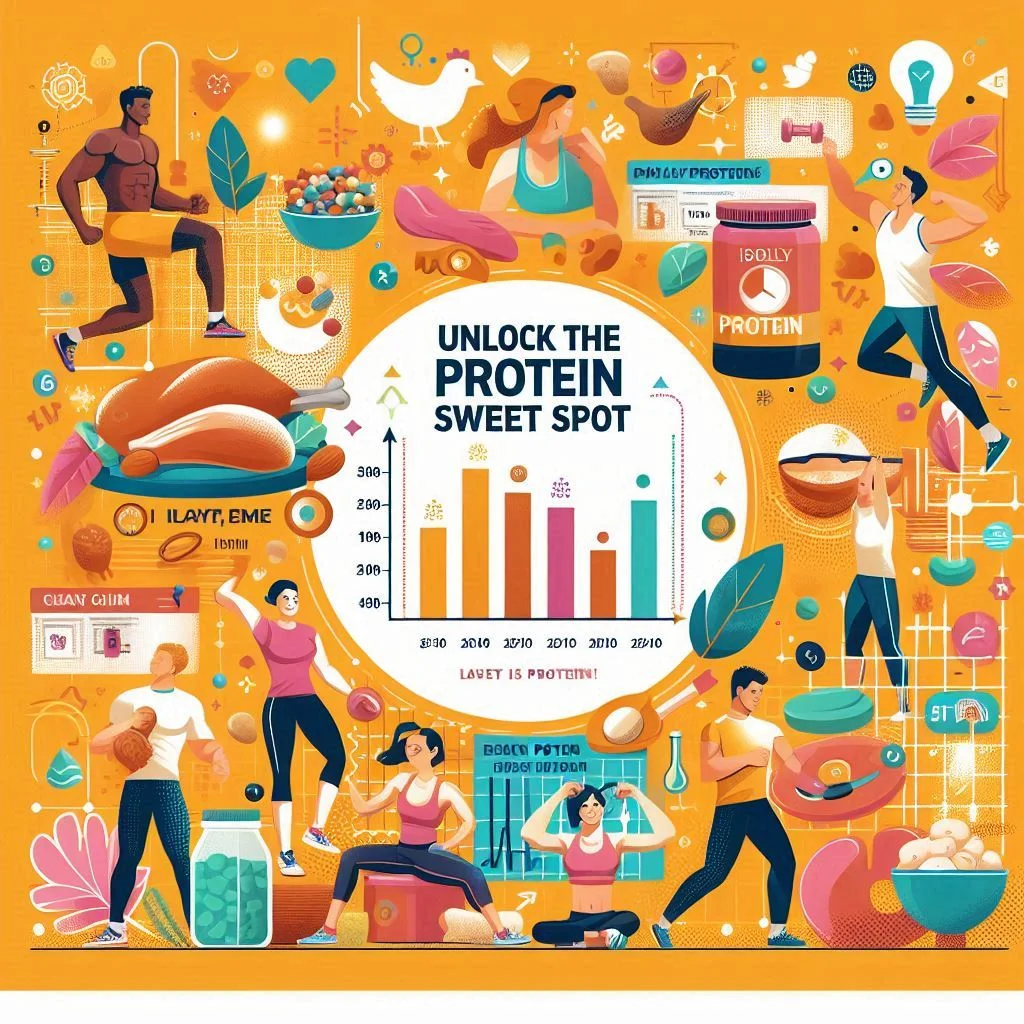
Unlocking the Protein Sweet Spot: Why Daily Protein Intake Matters for Muscle Growth
Research shows 1.6–2.2 grams per kg of body weight daily fueling muscle growth
"Meeting the right protein intake daily is more crucial for muscle growth than any supplement." – Dr. Elaine Mitchell, Sports Nutritionist
Evidence-Based Protein Intake for Muscle Growth
Over the past decade, dozens of studies have confirmed that consuming adequate daily protein is the single most important dietary factor for muscle growth. Recent research highlights that the ideal range—known as the protein "sweet spot"—is between 1.6 and 2.2 grams of protein per kilogram of body weight per day. Hitting this target optimizes muscle protein synthesis, fuels recovery, and prevents the loss of muscle while dieting.
Unlike fad protein diets or myths claiming more is always better, science shows that excessive protein intake provides no extra benefit. Instead, results are maximized when your daily protein intake is distributed evenly across meals, using high-quality sources.
This approach ensures a steady supply of essential amino acids for continuous muscle repair. Consistency in meeting your daily protein goal is key—missing it often leads to suboptimal progress, even if your calories and training are perfect.

What You'll Learn About How Much Protein a Day You Need to Build Muscle
How much protein a day you need to build muscle based on your goals
Key differences between protein intake for muscle mass and weight loss
Best daily protein sources for effective muscle building
How to optimize grams of protein per meal and per day
Ways to prevent overeating while maximizing muscle growth
How Much Protein a Day Do You Need to Build Muscle: Understanding the Science
Defining Daily Protein Intake Recommendations for Muscle Mass
Current research-backed guidelines (g/kg/day for muscle growth)
Adjustments for gender, age, and activity level
"For optimal muscle mass, aim for at least 1.6 grams of protein per kilogram of body weight daily." – Dr. Carlos Martinez, Exercise Physiologist
The consensus among top sports nutrition organizations and exercise physiologists is clear: 1.6–2.2 grams of protein per kilogram of body weight per day is optimal to build muscle. For someone weighing 75 kg (about 165 lbs), this means a range of about 120–165 grams of protein daily.
This range takes into account variables like training intensity, gender, age (older adults need slightly more), and overall calorie intake. Women typically require the same range per kilogram, but because their total body weight is often lower, their absolute grams per day is lower as well.
Younger adults and highly active individuals may require the higher end of the range to support increased muscle repair and protein turnover. This also applies if you’re in a caloric deficit (for weight loss or fat loss preservation), as higher protein becomes critical to prevent loss of muscle mass. The minimum for any adult looking to support muscle mass, however, is rarely less than 1.6g/kg/day.
Body Weight (kg) |
Protein Sweet Spot (g/day) |
Minimum (1.6g/kg) |
Maximum (2.2g/kg) |
|---|---|---|---|
60 |
96–132 |
96 |
132 |
75 |
120–165 |
120 |
165 |
90 |
144–198 |
144 |
198 |
100 |
160–220 |
160 |
220 |
Protein Intake Strategies: Grams of Protein Per Day and Per Meal
How to Calculate Your Daily Protein Intake
Step-by-step calculation based on body weight
Factors like training intensity and frequency
Example calculations
Calculating your ideal daily protein intake to build muscle is simple:
Weigh yourself in kilograms (if using pounds, divide by 2.2 to convert).
Multiply your body weight by the protein sweet spot: 1.6–2.2 grams per kilogram.

Protein Distribution: Spreading Protein Intake Throughout the Day
Benefits of even distribution for muscle synthesis
Recommended grams of protein per meal for muscle mass
Not only is the amount of protein you eat per day important, but how you distribute protein intake matters, too. Research has shown that distributing total grams of protein evenly across 3–5 meals per day provides the best stimulation of muscle protein synthesis.
For those looking to diversify their protein sources or reduce reliance on animal products, exploring tasty meat alternatives can be a practical way to meet your daily protein needs while supporting muscle growth. These options can be seamlessly integrated into your meal planning for both variety and nutrition. For example, if your daily protein target is 150 grams, aim for roughly 30–40 grams at each meal. This even distribution maximizes the delivery of essential amino acids, giving your muscles the best chance to repair and grow after workouts. Skipping protein at breakfast or overloading at dinner reduces the benefit—consistent, moderate servings improve results.
Top Protein Sources for Maximum Daily Protein Intake
Animal-Based Protein Sources for Building Muscle
Lean meats (chicken, turkey, beef)
Fish and seafood (salmon, tuna)
Eggs and dairy
Animal-based protein sources offer high protein content and all the essential amino acids required for optimal muscle growth. Lean meats like chicken, turkey, and lean beef are among the most efficient, offering 20–25 grams of protein per 100g serving. Fish (salmon, tuna) is also nutrient-rich and provides healthy fats and a similar protein punch.
Dairy products like Greek yogurt, cottage cheese, and eggs deliver complete proteins, making them top choices for muscle mass. Because of their high amino acid content and bioavailability, these foods are a staple for anyone aiming to maximize gains. To keep results high and calories in check, choose lean cuts and low-fat options when possible.
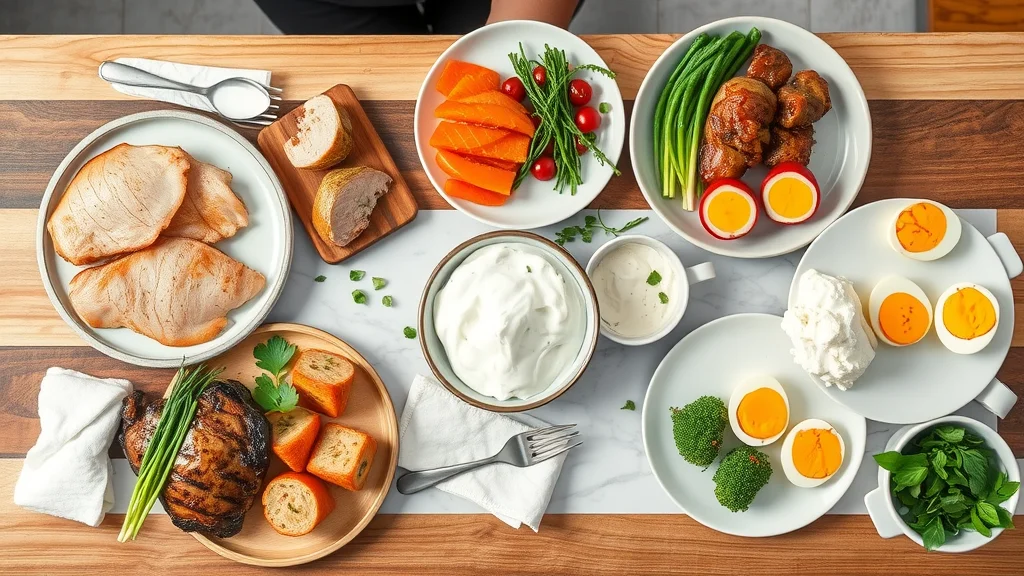
Plant-Based Protein Sources: Reaching the Protein Sweet Spot
Legumes (beans, lentils, chickpeas)
Soy products (tofu, tempeh, edamame)
Whole grains and nuts
"Plant-based proteins can effectively support muscle growth when combined and spaced well over the day." – Dr. Olivia Reynolds, Registered Dietitian
Plant-based protein sources can absolutely help you hit your daily protein intake for muscle building—it's all about thoughtful combinations. Foods like lentils, beans, and chickpeas provide around 8–10 grams of protein per cooked half-cup serving. Soy products (tofu, tempeh, edamame) are particularly effective, offering about 15–20 grams per serving and all essential amino acids. Whole grains and nuts add extra grams to your total.
To reach the "sweet spot," combine a variety of plant-based protein sources across meals. This ensures you’re covering the full range of essential amino acids and supporting muscle mass just as effectively as with animal proteins. Many elite athletes and bodybuilders use this mixed approach for maximum benefit.
Common Mistakes in Protein Intake: Avoiding Overeating While Building Muscle
Myth: More Protein Always Means More Muscle
Downsides of excessive protein consumption
Balancing daily protein intake with total calories
One of the biggest myths about building muscle is that more protein always means more gains. In reality, eating significantly above the recommended daily protein intake does not increase muscle growth—but it can lead to excess calories and possible digestive discomfort. Surplus protein may be stored as body fat if you’re regularly over your energy needs.
Focus on the sweet spot (1.6–2.2g/kg/day) and balance your intake with your overall calorie target for your training and body composition goals. When total calorie needs are met and adequate protein is consumed, any "extra protein" is unnecessary for most people aiming to build muscle. Moderation and mindful portioning support your gains and your health.
Recognizing Hidden Sources of Protein in Your Diet
Packaged foods and snacks
Protein supplements and their role
"Focus on quality protein intake and total nutrition, not just the numbers." – Personal Trainer Samir Patel
Many people overlook the protein content in packaged foods and snacks. Items such as protein bars, high-protein cereals, and even some breads can contribute surprising amounts to your daily protein intake. Additionally, protein powders are useful (whey, casein, soy, or pea) when it's tough to meet your target via whole food alone.
Supplements should not be your main protein source, but they can fill occasional gaps—especially for busy individuals or those with higher needs. Always check nutrition labels, and consider quality along with quantity: whole foods supply beneficial micronutrients alongside protein. Use supplements strategically, but prioritize whole foods for best results in muscle gains and overall health.
Daily Protein Intake for Weight Loss vs. Muscle Gain
How protein needs differ for weight loss versus building muscle
Optimal grams of protein per day for fat loss preservation
Practical meal planning tips for weight management
If your goal is weight loss but you still want to preserve or gain muscle mass, slightly raising your daily protein intake above baseline can help. This prevents loss of muscle while you lose fat. For weight loss, aim for the upper end of the "sweet spot"—about 2.0–2.2g/kg/day.
Muscle gain and weight loss both benefit from solid planning and protein distribution. For fat loss, keep overall calories lower, but maintain high protein in every meal. Include protein at breakfast, lunch, and dinner, with protein-rich snacks if needed. This approach supports satiety (feeling full), less calorie spillover, and helps retain muscle when dieting.
Goal |
Protein Intake (g/kg body weight) |
Example for 75kg Person (g/day) |
|---|---|---|
Muscle Gain |
1.6–2.0 |
120–150 |
Weight Loss / Fat Loss Preservation |
2.0–2.2 |
150–165 |

Original Data & Studies: Achieving Your Protein Sweet Spot
Meta-analysis of daily protein and muscle mass studies
Key takeaways from top peer-reviewed journals
"Consuming 1.8g/kg/day was associated with maximal muscle synthesis in trained athletes." – Excerpt from JISSN (Journal of the International Society of Sports Nutrition, 2022)
Lists of High-Quality Daily Protein Sources for Muscle Growth
Top 10 animal-based protein sources with grams of protein per serving
Top 10 plant-based protein sources with grams per serving
Animal-Based Protein (per typical serving):
Chicken breast (100g): 23g
Turkey breast (100g): 24g
Lean beef (100g): 22g
Salmon (100g): 21g
Tuna (100g): 25g
Egg (1 large): 6g
Greek yogurt (170g cup): 17g
Cottage cheese (100g): 11g
Shrimp (100g): 24g
Canned sardines (100g): 23g
Plant-Based Protein (per typical serving):
Firm tofu (100g): 8g
Tempeh (100g): 19g
Lentils (cooked, 1/2 cup): 9g
Black beans (cooked, 1/2 cup): 8g
Chickpeas (cooked, 1/2 cup): 8g
Quinoa (cooked, 1 cup): 8g
Hemp seeds (3 tbsp): 10g
Peanut butter (2 tbsp): 8g
Almonds (28g): 6g
Edamame (1/2 cup): 9g
Sample Meal Plans: How Much Protein a Day Do You Need to Build Muscle
Example 1: High-protein omnivore day (with macros)
Example 2: High-protein vegetarian/vegan day (with macros)
Sample 1: Omnivore High-Protein Day (Approx. 145g protein, 2250 kcal)
Breakfast: 3 eggs (18g), 1 slice whole-grain toast (4g), Greek yogurt (15g) [Total: 37g]
Lunch: Grilled chicken breast (120g, 28g), brown rice (1 cup, 5g), broccoli (2 cups, 5g) [Total: 38g]
Snack: Protein shake (whey, 25g)
Dinner: Salmon fillet (100g, 21g), quinoa (1 cup, 8g), spinach (2 cups, 5g) [Total: 34g]
Snack: Low-fat cottage cheese (100g, 11g) + almonds (28g, 6g) [Total: 17g]
Sample 2: Plant-Based High-Protein Day (Approx. 132g protein, 2300 kcal)
Breakfast: Tofu scramble (150g tofu, 12g), whole-grain toast (2 slices, 8g), peanut butter (2 tbsp, 8g) [Total: 28g]
Lunch: Lentil salad (1 cup lentils, 18g), kale (2 cups, 5g) [Total: 23g]
Snack: Protein shake (soy, 20g)
Dinner: Tempeh stir-fry (100g, 19g), brown rice (1 cup, 5g), mixed veggies (4g) [Total: 28g]
Snack: Edamame beans (1 cup, 17g) + almonds (28g, 6g) [Total: 23g]
People Also Ask: Is 3 eggs a day enough protein for muscle gain?
Answer: Evaluating Eggs as a Protein Source for Muscle Growth
Nutrition value of eggs (grams of protein per egg)
Are 3 eggs a day enough?
Integrating eggs with other daily protein sources
One large egg contains about 6 grams of protein, so three eggs provide roughly 18 grams—an excellent boost for any meal. However, unless you are a very lightweight individual eating many other high-protein foods, 3 eggs alone are not enough to meet your daily protein intake for muscle growth (which is usually at least 120g/day for a male weighing 75kg).
Eggs are a versatile, high-quality protein source and make a great addition to breakfast, lunch, or snacks, but should be paired with other protein sources—like Greek yogurt, chicken, or beans—for best results. Integrating eggs with a variety of protein sources across your meals helps you hit your muscle-building goal efficiently.
Guidelines for Protein Intake Timing and Absorption
Role of protein timing (pre/post workout)
Best protein intake windows for maximizing muscle mass
Timing your protein intake is important, but the overall daily total is most critical. For muscle mass, consuming 20–40 grams of protein within 1 to 2 hours after training ensures a rapid supply of essential amino acids for recovery and growth. Many experts also advise having a moderate serving of protein at each meal, rather than loading up at once.
While pre- and post-workout protein helps, spreading protein evenly over the day matters most. If your schedule is busy, simply ensure that your total grams of protein per day matches your target to maximize gains.
Practical Tips: How to Hit Your Protein Intake Sweet Spot Without Overeating
Smart portioning for meals and snacks
Tracking and adjusting your daily protein intake
Tips to avoid excess calories while building muscle
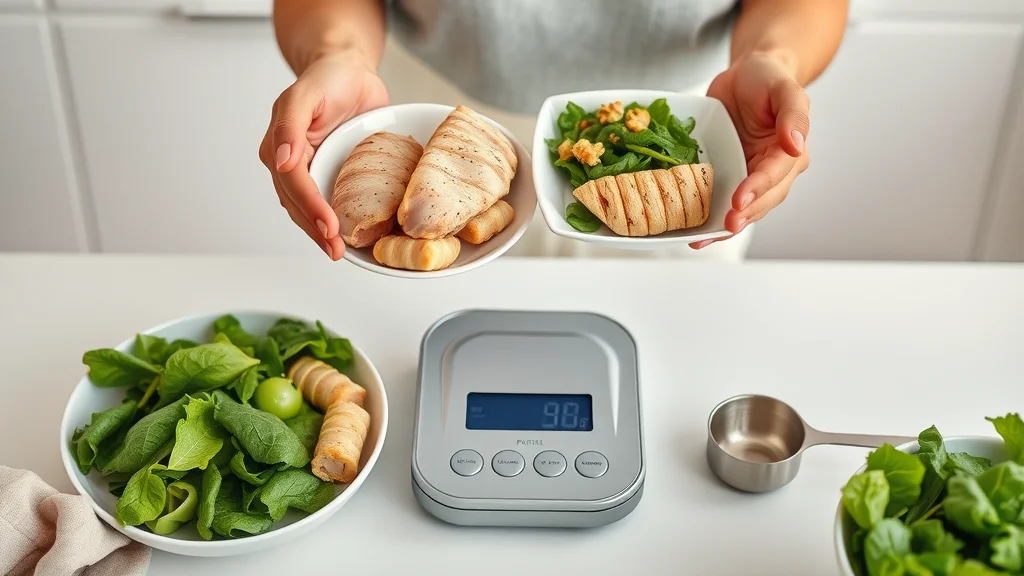
To hit your protein intake target without overeating, plan your meals in advance and use food scales for accuracy. Choose lean protein options, spread your intake across 3–5 meals, and supplement with shakes if needed.
Track your daily protein with apps (like MyFitnessPal or Cronometer), and adjust portions if you’re under or over your goal. If you notice your calories creeping up, swap out fattier protein choices for leaner ones (e.g., fish instead of red meat) or add more plant-based options. Being mindful about total nutrition supports sustainable muscle gains.
Watch this simple guide for step-by-step instructions on how to accurately calculate and track your daily protein needs using practical tools and meal-by-meal breakdowns.

FAQs: How Much Protein a Day Do You Need to Build Muscle and Related Topics
What happens if you don't get enough protein in your diet for muscle mass?
Not getting enough protein can lead to loss of muscle mass, slower recovery, and reduced muscle growth, even if you are exercising regularly. Over time, you may feel more fatigued and your progress will stall. Ensuring adequate daily protein intake is essential to maintain and build muscle effectively.Is it possible to get too much protein?
While protein is vital, consuming amounts far above the recommended range (well over 2.2g/kg/day) doesn't accelerate muscle gains and can add unnecessary calories. For healthy people, excess protein isn’t usually dangerous but can put extra strain on your kidneys if you have pre-existing issues.Should you consume protein before or after your workout?
Both timing options can support muscle growth, but most evidence recommends focusing on total daily protein intake. A solid serving (20–40g) after your workout aids recovery and supports muscle building, but pre-workout protein also helps if it fits your schedule.How many grams of protein per day for women vs. men?
The recommended range (1.6–2.2g/kg/day) applies to both women and men, but absolute grams per day will be lower for women simply because of lower average body weight. Individual needs depend on activity level, goals, and training intensity.
Key Takeaways: Finding Your Daily Protein Sweet Spot for Muscle Growth
1.6–2.2g/kg/day is optimal for muscle building
Spread intake evenly over the day for best results
Balance with total calories to avoid overeating
Both animal and plant proteins can help hit your targets
Build Muscle, Hit Your Protein Sweet Spot: Where to Find More Expert Tips
For well-curated articles and expert perspectives, visit NCWellnessHub.com
Sources
American Journal of Clinical Nutrition – https://academic.oup.com/ajcn/article/108/5/1167/5307133
National Institutes of Health (NIH) – https://www.ncbi.nlm.nih.gov/pmc/articles/PMC5828430/
If you're interested in taking your nutrition and fitness knowledge even further, consider exploring broader wellness strategies that complement your muscle-building efforts. The NC Wellness Hub lifestyle section offers a wealth of resources on holistic health, recovery, and sustainable habits.
By integrating these advanced insights into your daily routine, you can unlock new levels of performance, resilience, and overall well-being—empowering you to reach your goals with confidence and clarity.
How much protein should I eat to build muscle? delves into the science behind protein consumption and muscle synthesis, offering evidence-based guidelines to optimize your dietary plan.




Write A Comment