


When Sarah started vaping, she thought it was harmless—just water vapor. Months later, persistent coughing and discomfort revealed a deeper danger lurking in her lungs. Understanding the truth about vaping and lung inflammation is crucial for protecting your respiratory health before it’s too late.
The Hidden Dangers: How Vaping and Lung Inflammation Overlap in Real Life
Opening narrative: Sarah’s experience with vaping and her struggle with lung inflammation
Sarah, a college student, switched to a vape pen thinking it would be a safer choice than traditional cigarettes. At first, everything seemed fine—she enjoyed the fruity flavors and puffed without concern. But after months of use, Sarah began experiencing chest pain, persistent cough, and shortness of breath. She visited the doctor, where tests showed she was suffering from lung inflammation—a condition directly linked to her vaping habit.Increasing prevalence of vaping-related lung injury cases among young adults
Sarah's story is far from unique. There’s been a rapid growth in cases among teens and young adults across the United States. Hospitals report a spike in admissions for acute lung injury and even evali cases—a disease linked to vaping. Many patients are surprised because they believed e-cigarettes and vaping product use was harmless."Many patients don’t realize the damage until symptoms are severe." – Dr. Lena Martinez, Pulmonologist
Introduction to the misconception: ‘just water vapor’ vs. chemical content
There’s a huge misunderstanding: many think vapes produce only water vapor. In reality, vaping products contain a mix of chemicals—like propylene glycol, flavorings, nicotine, and sometimes even vitamin e acetate—many of which have been shown to damage lung tissue and provoke inflammation.

While understanding the chemical risks of vaping is essential, it's also important to recognize how quickly lung injury can escalate and what immediate steps can be taken in emergencies. For a closer look at rapid-response solutions and how lifesaving interventions like naloxone are used in acute situations, explore how Narcan (naloxone) can stop overdose fast and save lives.
What You'll Learn About Vaping and Lung Inflammation
Scientific explanation of how vaping affects lung tissue
Vaping introduces a stream of heated chemicals deep into your lungs. These chemicals can irritate delicate lung tissue, trigger immune responses, and even lead to scarring or chronic lung disease.Common symptoms of vaping-related lung injury
Cough, chest pain, and shortness of breath are early warning signs. In more serious cases, people can experience acute respiratory distress, fever, or require hospital care due to severe lung injury.Debunking myths about vaping compared to traditional smoking
Although often marketed as safer, comprehensive reviews increasingly show that vaping can be dangerously harmful—sometimes even more so than traditional cigarettes, especially among younger users or those with pre-existing lung disease.
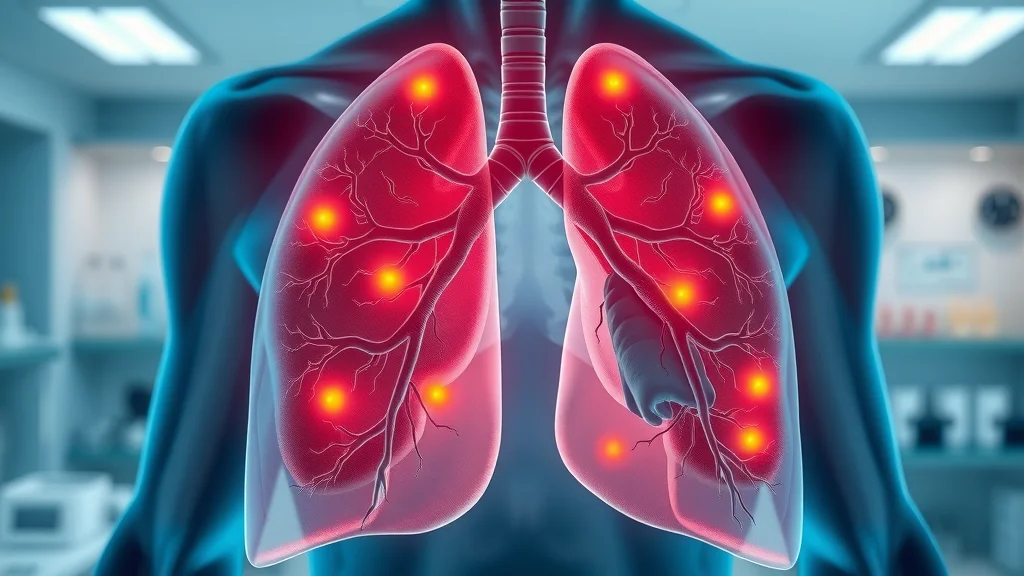
Comprehensive Review: What Is Lung Inflammation—and Why Vaping Makes It Worse
Understanding acute lung inflammation
Acute lung inflammation describes a rapid response of the body to injury or infection in the lungs. Essentially, the body's immune system sends special cells to the lungs to fight off harmful substances. But with vaping, repeated exposure to chemicals can cause continuous inflammation.
Over time, this can transform into chronic lung injury, with increased risk for complications like chronic bronchitis, impaired lung function, and even a higher chance of developing lung cancer. Risk factors include age, genetics, current or prior lung diseases, and repeated use of vaping products.
Chronic inflammation differs: it's a long-term process where the immune system keeps attacking the lung tissue, causing scarring and lasting damage. According to a comprehensive review by lung health experts, individuals with a history of asthma or prior lung condition face a much higher risk of acute and chronic complications from vaping.
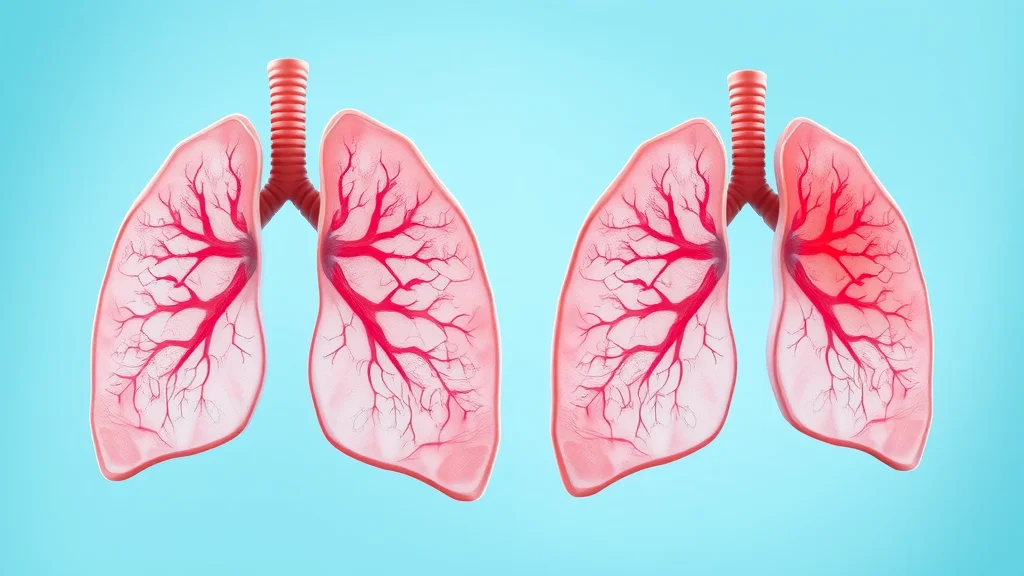
Vaping products aren’t just water vapor—they often contain harmful chemicals like formaldehyde, diacetyl (linked to “popcorn lung”), and vitamin e acetate. Research has directly linked these chemicals to cases of acute lung injury, such as the EVALI outbreak in 2019. The chemicals can break down protective barriers in the lung tissue, making it easier for infection, toxins, or even cancerous changes to occur.
"The chemicals in most vaping products—including flavorings—are far from benign." – Dr. Ethan Chen, Respiratory Researcher
A growing number of respiratory experts agree that the long-term risks may rival, or even exceed, those posed by traditional cigarettes, especially when new compounds in vape juice or oils are used.
Dissecting the Myth: Is It Really Just Water Vapor?
Breakdown of what’s in a typical vaping product
Most vape pens and e-cigarettes use a delivery system that heats a liquid (often known as vape juice) to create an aerosol. This mixture contains propylene glycol, glycerin, flavorings, nicotine, and often, unregulated additive chemicals.

-
Role of vitamin e acetate and other harmful additives
Vitamin E acetate, a substance sometimes added to black-market vape juice, has been confirmed by the CDC as a major culprit behind acute lung injury outbreaks. It’s thick and oily, which can clog and poison lung tissue. Other additives and flavorings are also linked to irritation and inflammation."Vitamin E acetate was a significant factor in the 2019 vaping-associated lung injury outbreak." – Dr. Rachel O’Connell, CDC Epidemiologist
Vaping and Lung Inflammation: The Science and Data
Acute lung and chronic responses to vaping
Recent peer-reviewed studies confirm that both acute and chronic exposure to aerosols from vaping products leads to increased inflammation markers in the lungs, decreased blood oxygen levels, and cellular damage. These studies indicate that vapers—even those who only use an electronic cigarette—show higher rates of inflammatory lung conditions and chronic lung disease compared to non-vapers.
Researchers used bronchoscopy and lung biopsies to find direct evidence of inflamed airways and lung injury in habitual vapers, supporting a growing consensus: vaping is not risk-free, and its effects can mimic—and sometimes worsen—those observed in traditional cigarette smokers.
Comparison of Lung Inflammation Markers: Vapers vs. Non-Vapers
Group |
Level of Inflammatory Markers |
Presence of Acute Lung Symptoms |
Average Blood Oxygen (%) |
|---|---|---|---|
Vapers |
Elevated |
Frequent |
92–95 |
Non-Vapers |
Normal |
Rare |
97–99 |
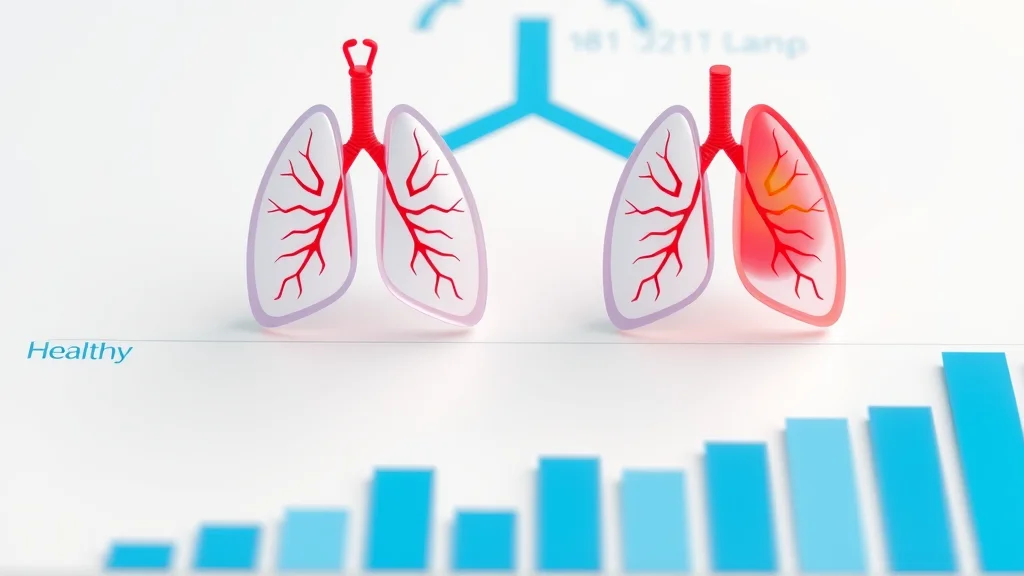
Increase in public health concerns
National and global public health agencies, including the Centers for Disease Control and Prevention (CDC) and the World Health Organization, report rising numbers of lung injury cases related to vaping products. In response to mounting evidence, they now issue firm advisories warning against the use of e-cigarettes, particularly for teens, young adults, and those with prior lung disease.
Rates of hospital admissions for vaping-associated acute respiratory illnesses have climbed sharply. According to public health statistics, those hospitalized typically report using flavored vape pens or altered oils purchased from unregulated sources.
"Public health agencies are issuing stronger advisories on vaping and lung inflammation as the evidence grows." – Dr. Carla Green, Public Health Official
Vaping, Cigarette, or Both? Comparative Risks to Your Lungs
How vaping compares to traditional cigarettes regarding lung injury
Both vaping and traditional cigarettes damage your lungs, but in slightly different ways. Cigarettes introduce tar and known carcinogens, but vapes introduce volatile chemicals and unique inflammatory triggers. Studies comparing cigarette or vaping use find that both elevate the risk of lung injury, and vaping may cause unique forms of acute and chronic irritation.

Dual users: compounded risks of using cigarettes and vaping products
Some people use both cigarettes and vapes—this “dual use” compounds negative effects, leading to a higher chance of chronic lung diseases, lung cancer, and hospitalization from acute lung infections.What current comprehensive reviews show about the risks
Comprehensive reviews from journals like the New England Journal of Medicine highlight that while some features of e-cigarettes differ from traditional cigarettes, neither is safe for lung health. For those with lung conditions, both methods heighten the risk of damage, disease, and lost lung function.
What Does Vaping-Related Lung Inflammation Feel Like?
Common symptoms: cough, shortness of breath, chest pain
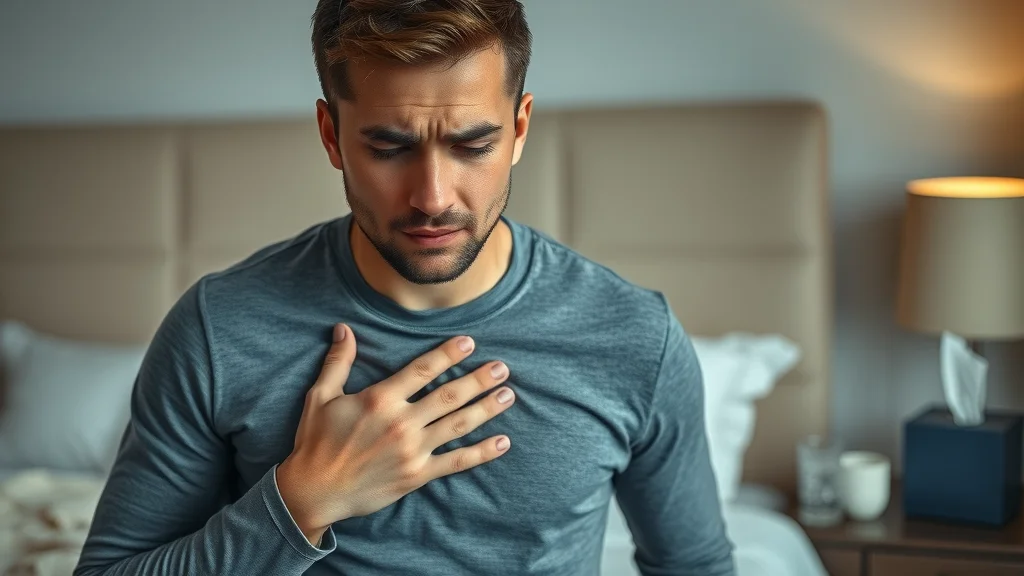
Individuals who develop lung injury from vaping often report ongoing cough, wheezing, tightness in the chest, fatigue, and sometimes fever. Classic signs include pain with breathing or deep cough that doesn’t improve, and feelings of reduced stamina or exercise tolerance.
-
Differentiating vaping lung inflammation from other respiratory issues
What separates this from a cold or seasonal allergies? Symptoms from vaping can escalate quickly and don’t clear up with standard rest or over-the-counter remedies. They often fail to respond to asthma inhalers or allergy medication. If you vape and experience suspicious symptoms, see a healthcare provider promptly."Persistent cough and chest discomfort are classic warning signs everyone should know." – Dr. Marcus Fields, Pulmonologist
High-Risk Groups: Who’s Most Vulnerable to Vaping and Lung Inflammation?
Adolescents and young adults
Teenagers and young adults, especially those in high school or early college, are more likely to try vaping. Their lungs are still developing, making them more susceptible to lasting damage and chronic lung disease.People with a history of asthma or lung disease
Those who’ve had asthma, bronchitis, or infections like pneumonia already have sensitive lung tissue. Exposure to vaping products increases inflammation, and can lead to severe, even life-threatening, complications.

Those using bootleg/black-market vaping products
Unregulated or “bootleg” vape juices and oils can contain high levels of toxic additives, like vitamin e acetate, making users far more likely to suffer a sudden or severe lung injury.

Recovery and Reversal: Healing from Vaping and Lung Inflammation
How long does it take for lung inflammation from vaping to go away?
The recovery timeline depends on the severity of lung injury and whether vaping is stopped. Mild cases may improve within a few weeks after quitting, but serious damage can require months or longer for lungs to recover. Some problems may be permanent in cases of severe injury.Medical insights on lung healing if you stop vaping
Quitting vaping allows the lungs to start a healing process. Air passages can become less inflamed, blood oxygen levels may normalize, and lung function can improve, especially in young, otherwise healthy people. However, some scarring or lost function may remain in former heavy users.Factors that impact recovery speed and completeness
Age, overall health, how long and intensely someone vaped, and if they have pre-existing lung conditions all play a part. Avoiding secondhand smoke/exposure and seeking medical care also help the lungs heal as quickly as possible.
Check out our video expert insights: What recovery from vaping-induced lung injury looks like.
Can Quitting Vaping Fully Restore Lung Health?
Evidence from comprehensive reviews and clinical experience
The good news: lung tissue is remarkable at recovering, especially if vaping stops early. Comprehensive reviews show most healthy young people will see a full or near-full recovery after quitting. Some damage (like scarring) may persist, particularly if the injury was severe or vaping continued for years.Long-term risks even after quitting: chronic inflammation and increased risk of lung cancer
Experts caution that the risk of chronic lung inflammation or even future lung cancer can linger, especially for those who’ve suffered repeated or severe injury. Annual checkups and lung health monitoring are recommended.

People Also Ask: Vaping and Lung Inflammation
How long does it take for lung inflammation from vaping to go away?
Lung inflammation resolves at different rates; for some, improvement appears within weeks, but full healing can take months depending on severity and cessation of vaping.
Will my lungs fully heal if I stop vaping?
Lung tissue has the ability to recover, especially in young and otherwise healthy individuals, but not all damage may be reversible, particularly after severe or prolonged exposure.
Can vaping cause inflammation in the chest?
Yes, vaping is well-documented to cause irritation, inflammation, and in some cases, both acute and chronic injury to the chest/lung area.
What does inflammation from vaping feel like?
Vaping-induced inflammation can feel like persistent coughing, chest pain, shortness of breath, and fatigue.

Practical Steps: Reducing Your Risk from Vaping and Lung Inflammation
Avoid using any vaping product, especially unregulated or black-market vape juice.
Recognize early signs: If you cough frequently, experience chest tightness or pain, or have trouble breathing, see a doctor immediately.
Choose clean air: Avoid both vaping and cigarette smoke, and limit exposure to secondhand vapor.
Seek help early: If you need support to quit, tap into online resources, talk to your doctor, or join a support group.
-
How to recognize early signs of lung injury
Be alert to new or worsening cough, chest pain on deep breathing, or unexplained exhaustion—these are red flags that warrant a health check.
-
Advice from clinicians on cessation and support resources
Clinicians advise starting with a quit plan and reaching out to local resources—like nicotine replacement therapy, counseling services, and mobile apps designed to support quitting. Accountability and encouragement from friends and family also boost success rates.

Frequently Asked Questions About Vaping and Lung Inflammation
What are the first signs of lung injury from vaping? Most people notice persistent cough and chest discomfort, but it can also include difficulty breathing, fatigue, and in rare cases, fever or dizziness.
Is vaping safer than cigarettes for lung health? No, both cause harm. Vaping and cigarettes carry different but serious risks, and switching does not ensure lung safety.
Can certain vaping products increase risk more than others? Yes, unregulated or black-market vaping products, especially those containing vitamin e acetate or unknown additives, are the most dangerous.
How can I seek help to quit vaping? See your healthcare provider, explore online quit resources, and look for local support groups or phone apps dedicated to tobacco and vaping cessation.
Key Takeaways on Vaping and Lung Inflammation
Vaping is not ‘just water vapor’—it’s linked to significant lung injury and inflammation
Acute and chronic risk is higher for young people and pre-existing lung conditions
Research, clinicians, and public health agencies warn against complacency
Find more quality content at: NCWellnessHub.com
If you’re interested in taking a more holistic approach to your well-being beyond lung health, consider exploring how lifestyle choices and nutrition can support your body’s resilience. For example, learning about the essential vitamins that help strengthen your legs as you age can empower you to make informed decisions for long-term vitality. By broadening your knowledge on wellness topics, you’ll be better equipped to protect your health from multiple angles and create a foundation for a healthier, more active future.
If you vape and notice any symptoms discussed here, take action now. The earlier you quit, the better your lungs can recover.
Sources
The article “What Does Vaping Do to Your Lungs?” from Johns Hopkins Medicine provides an in-depth analysis of how e-cigarettes can lead to lung inflammation and other respiratory issues




Write A Comment