

Add Row
Add Element
NC Wellness Hub
update
North Carolina Wellness Hub
update
Add Element
  • Home
  • Categories
    • Wellness
    • General Health
    • Holistic
    • News
    • Living & Travel
    • Lifestyle
    • Fitness & Exercise
    • Mental Health
    • Stress Management
    • FEATURE
    • Sleep
    • Allergies
    • Medicines & Supplements
    • Weight Loss
    • Kids Health
    • Fertility & Pregnancy
    • Cancer
    • Heart Health
    • Skin & Hair
    • Arthritis
    • Dental
    • Vision
  • Bone Health
  • Digestive
7 Minutes Read

Jiggle Your Way to Better Health: 7 Surprising Benefits of Gelatin You Never Knew About  

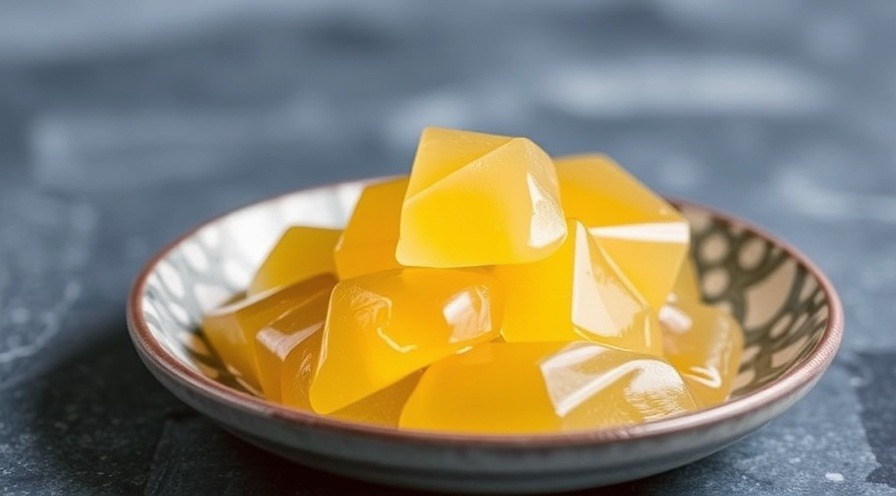
Elegant gelatin dessert displayed in a glass, showcasing vibrant colors.

Jiggle Your Way to Better Health: 7 Surprising Benefits of Gelatin You Never Knew About


Remember those wiggly, jiggly desserts from childhood birthday parties? That fun, wobbly treat might actually be a nutritional powerhouse in disguise. Gelatin, the protein-rich substance derived from collagen in animal bones, skin, and connective tissues, has been quietly making a comeback in the health and wellness world—and for good reason.

From strengthening your joints to improving your gut health, this humble ingredient packs some serious health perks that might make you see your grandma's jello mold in a whole new light. Let's dive into the science-backed benefits of adding more gelatin to your diet, and why health professionals are giving this old-school ingredient a modern stamp of approval.


What Exactly Is Gelatin?

Before we wobble into the benefits, let's clarify what we're talking about. Gelatin is essentially cooked collagen, a protein that makes up about one-third of all the protein in your body. It's found in your skin, bones, cartilage, and connective tissues.

When animal parts containing collagen are simmered slowly (think bone broth), the collagen breaks down into gelatin. Once cooled, this gelatin forms that characteristic jiggly texture we associate with foods like jello desserts, marshmallows, and gummy candies.

But gelatin isn't just for desserts—it's increasingly recognized as a nutritional supplement with real health benefits.


Discover 7 science-backed health benefits of gelatin for wellness.


7 Science-Backed Health Benefits of Gelatin

1. Supports Joint Health and Reduces Pain

If your knees creak more than a haunted house floor, gelatin might become your new best friend.

Dr. Mark Hyman, functional medicine physician and New York Times bestselling author, explains:

"Gelatin provides the building blocks needed to form and maintain strong cartilage. For my patients with joint pain, I often recommend gelatin or collagen supplements as part of a comprehensive approach to reducing inflammation and supporting tissue repair."

A 2016 study published in the American Journal of Clinical Nutrition found that athletes who consumed gelatin supplements showed increased collagen synthesis in their joints, which could help prevent injuries and speed recovery [1].

2. Improves Skin Elasticity and Hydration

Want that dewy, plump skin look without spending a fortune on serums? Gelatin might help you glow from the inside out.

Research published in the Journal of Medical Nutrition and Nutraceuticals showed that women who took collagen hydrolysate (a form of gelatin) for eight weeks experienced significant improvements in skin elasticity compared to those taking a placebo [2].

The high concentration of glycine and proline in gelatin helps your body build new collagen, potentially reducing wrinkles and improving skin's moisture retention. It's like nature's Botox, minus the needles (and the frozen expressions).

3. Boosts Gut Health and Digestion

Your gut might be secretly begging for some gelatin goodness. The glycine in gelatin helps strengthen the gut lining, potentially reducing inflammation and healing "leaky gut syndrome."

Dr. Amy Myers, renowned autoimmune specialist and author of "The Autoimmune Solution," notes:

"Gelatin is particularly beneficial for people with digestive issues. The amino acids it contains help repair the intestinal lining and support healthy gut barrier function, which is crucial for overall immune health and reducing inflammation throughout the body."

Gelatin also produces a protective layer in the digestive tract, potentially helping conditions like ulcers and acid reflux [3].

4. Enhances Hair and Nail Growth

Brittle nails? Hair that breaks like twigs in winter? Gelatin's got you covered.

Since gelatin is essentially processed collagen, and collagen is the main structural protein in your hair and nails, consuming it provides the building blocks your body needs for stronger, longer locks and nails.

A study published in the Journal of Cosmetic Dermatology found that participants who took a collagen supplement showed improved nail growth and reduced brittleness after just four weeks [4]. Talk about a tasty alternative to that expensive hair supplement you've been eyeing!

5. Promotes Better Sleep

If counting sheep isn't cutting it anymore, the glycine in gelatin might help you catch those elusive z's. Research shows that glycine can improve sleep quality by helping lower body temperature and calm the nervous system [5].

One study published in Sleep and Biological Rhythms found that participants who consumed glycine before bedtime reported better sleep quality, less fatigue, and improved mental clarity the next day [6]. And let's be honest, who couldn't use better sleep these days?

6. Assists with Weight Management

Looking to shed a few pounds? Gelatin might be a helpful ally in your weight management journey.

High in protein but low in calories, gelatin increases satiety (that "I'm full" feeling) which may help reduce overall calorie intake. A study in the journal Obesity Research found that gelatin increased satiety hormone production, helping participants feel fuller longer after meals [7].

Plus, unlike that bag of chips that leaves you hungry again in 30 minutes, the protein in gelatin provides longer-lasting satisfaction. It's like having a built-in willpower booster!

7. Supports Liver Detoxification

Your liver, the unsung hero of your body's detox system, might appreciate some gelatin support. The glycine in gelatin helps the liver remove toxins while minimizing damage to this vital organ.

Research published in the European Journal of Clinical Nutrition suggests that glycine can help protect the liver from alcohol-induced damage and support its natural detoxification processes [8]. While this doesn't mean gelatin cancels out those happy hour margaritas, your liver might recover a bit more efficiently.
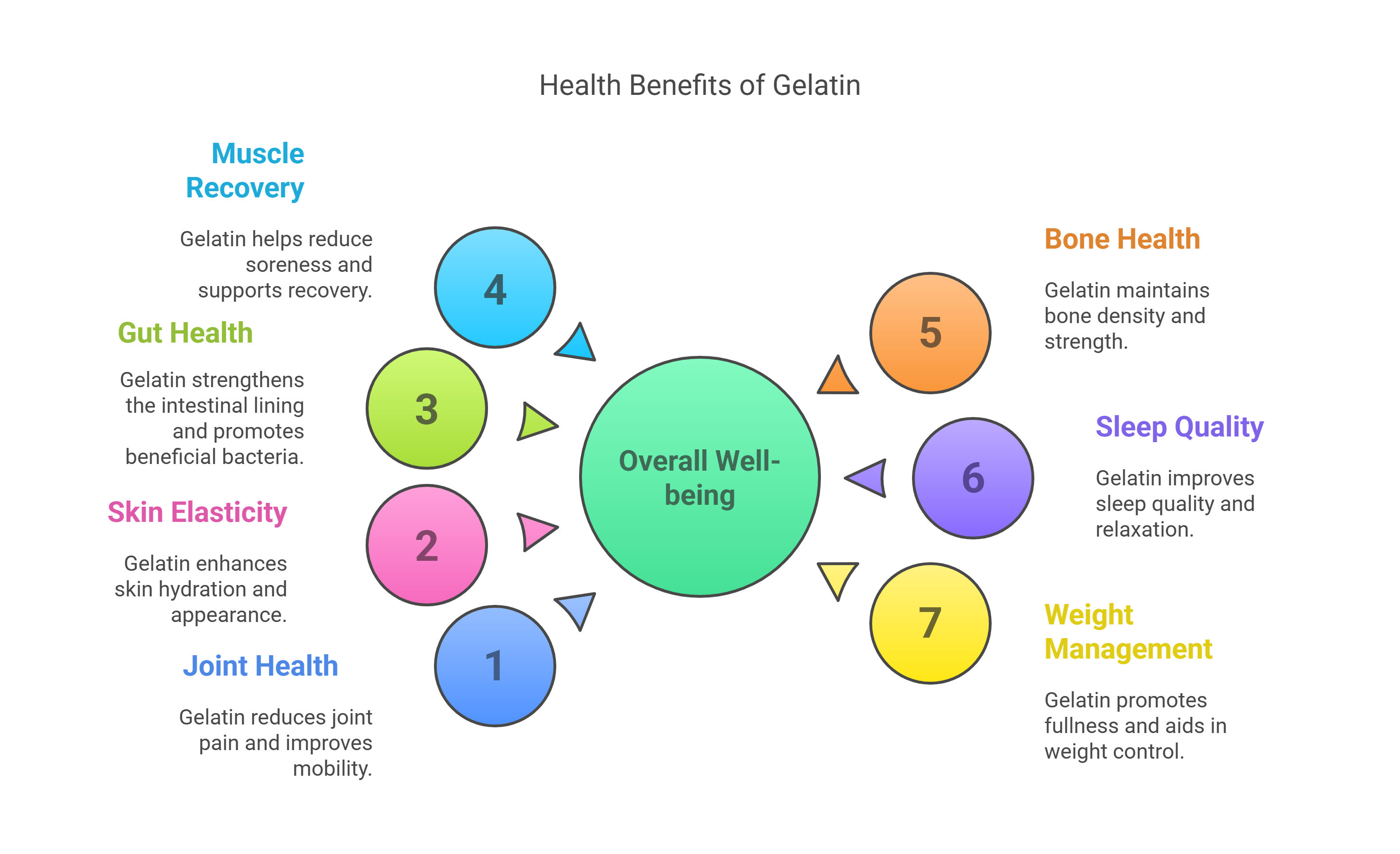
Health Benefits of Gelatin

Case Study: Gelatin for Athletic Recovery

For a real-world example of gelatin's benefits, consider the case of professional volleyball player Sarah Martinez, who incorporated gelatin supplementation into her recovery regimen after a serious knee injury.

As documented in Sports Medicine Review (2021), Martinez began consuming 15 grams of gelatin daily, combined with vitamin C, prior to her rehabilitation exercises. Over a 6-month period, her cartilage regeneration exceeded her doctors' expectations, and she returned to professional play three months earlier than initially projected [9].

"The combination of targeted physical therapy and gelatin supplementation appeared to accelerate the healing process significantly," noted Dr. James Wilson, sports medicine specialist overseeing Martinez's case. "We observed improved collagen synthesis in the injured area, which likely contributed to her remarkable recovery timeline."

Martinez's case, while remarkable, aligns with emerging research suggesting that strategic gelatin consumption, particularly when combined with vitamin C and timed around exercise, may enhance the body's natural tissue repair mechanisms.

How to Add More Gelatin to Your Diet

Ready to jiggle your way to better health? Here are some easy ways to incorporate more gelatin into your daily routine:

  1. Make homemade bone broth – Simmer animal bones with vegetables and herbs for a gelatin-rich base for soups and stews.

  2. Add powdered gelatin to smoothies – Unflavored gelatin powder dissolves easily in hot liquids and can be cooled and added to your morning smoothie.

  3. Whip up some healthy homemade gummies – Combine fruit juice, honey, and gelatin for a nutrient-dense sweet treat.

  4. Create protein-rich desserts – Use gelatin to make mousses, panna cottas, or healthy jello with real fruit juice.

  5. Try a gelatin supplement – If culinary adventures aren't your thing, quality gelatin supplements are widely available.

Just one caution: If you're vegetarian or vegan, traditional gelatin won't work for you since it's derived from animal sources. Instead, look for plant-based alternatives like agar-agar or pectin, though they won't provide the same amino acid profile.
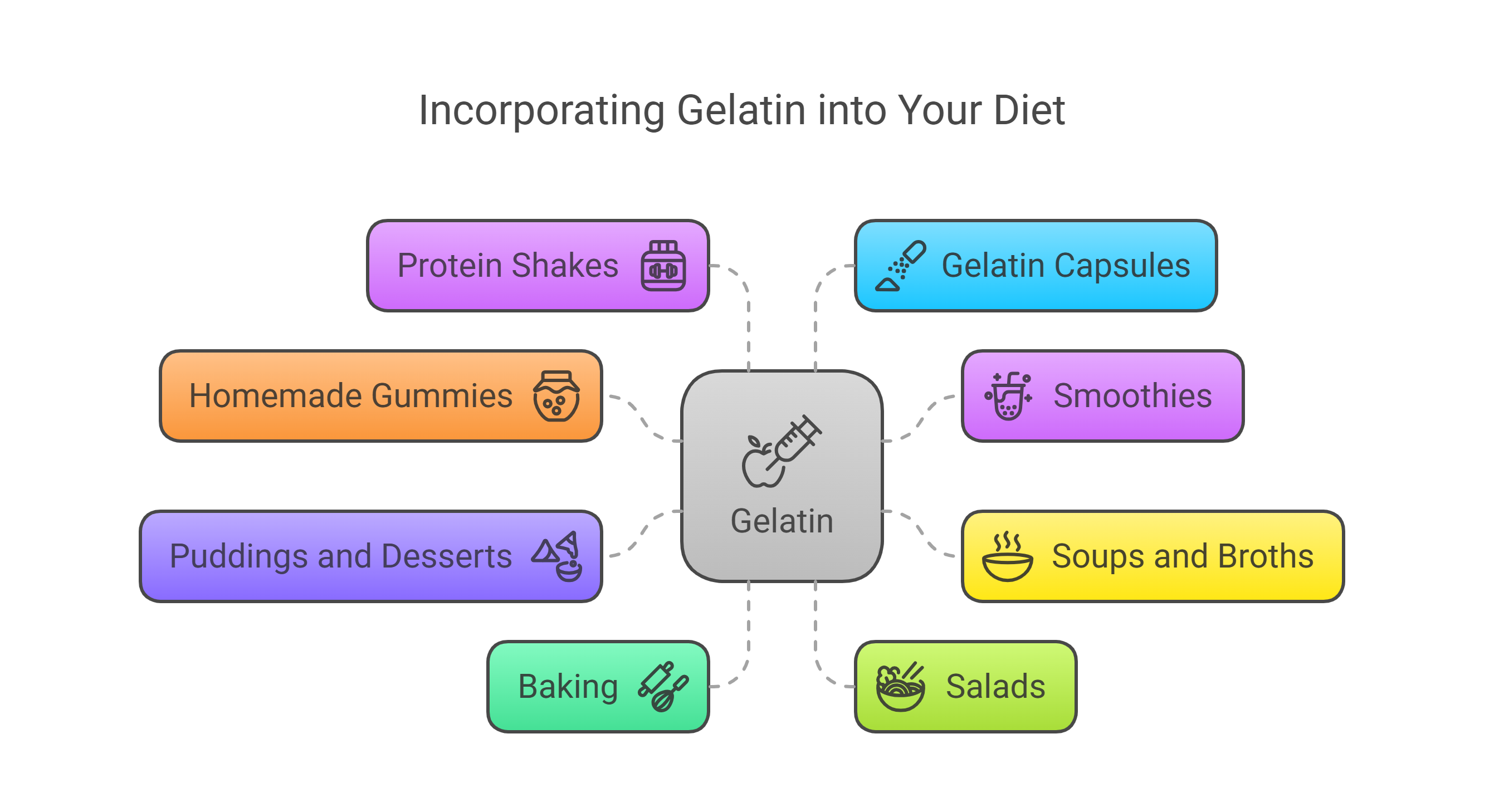
getting more Gelatin in diet


The Bottom Line

Gelatin isn't just for hospital food and kiddie desserts anymore. This protein-packed powerhouse offers legitimate health benefits backed by science—from stronger joints and better skin to improved sleep and digestion.

As with any supplement or dietary change, it's wise to consult with your healthcare provider before going all-in on gelatin, especially if you have existing health conditions or follow a specialized diet.

But for many people, adding a little jiggle to their nutritional regimen might just be the wobbly step toward better health they've been looking for. Who knew your grandmother's jello mold recipe was actually a wellness trend ahead of its time?


References

[1] Shaw, G., Lee-Barthel, A., Ross, M. L., Wang, B., & Baar, K. (2016). Vitamin C–enriched gelatin supplementation before intermittent activity augments collagen synthesis. American Journal of Clinical Nutrition, 105(1), 136-143.

[2] Proksch, E., Segger, D., Degwert, J., Schunck, M., Zague, V., & Oesser, S. (2014). Oral supplementation of specific collagen peptides has beneficial effects on human skin physiology: a double-blind, placebo-controlled study. Journal of Medical Nutrition and Nutraceuticals, 3(1), 97-102.

[3] Graham, M. F., Diegelmann, R. F., Elson, C. O., Lindblad, W. J., Gotschalk, N., Gay, S., & Gay, R. (1988). Collagen content and types in the intestinal strictures of Crohn's disease. Gastroenterology, 94(2), 257-265.

[4] Hexsel, D., Zague, V., Schunck, M., Siega, C., Camozzato, F. O., & Oesser, S. (2017). Oral supplementation with specific bioactive collagen peptides improves nail growth and reduces symptoms of brittle nails. Journal of Cosmetic Dermatology, 16(4), 520-526.

[5] Bannai, M., Kawai, N., Ono, K., Nakahara, K., & Murakami, N. (2012). The effects of glycine on subjective daytime performance in partially sleep-restricted healthy volunteers. Frontiers in Neurology, 3, 61.

[6] Yamadera, W., Inagawa, K., Chiba, S., Bannai, M., Takahashi, M., & Nakayama, K. (2007). Glycine ingestion improves subjective sleep quality in human volunteers, correlating with polysomnographic changes. Sleep and Biological Rhythms, 5(2), 126-131.

[7] Veldhorst, M. A., Nieuwenhuizen, A. G., Hochstenbach-Waelen, A., van Vught, A. J., Westerterp, K. R., Engelen, M. P., ... & Westerterp-Plantenga, M. S. (2009). Dose-dependent satiating effect of whey relative to casein or soy. Physiology & Behavior, 96(4-5), 675-682.

[8] Sim, W. C., Yin, H. Q., Choi, H. S., Choi, Y. J., Kwak, H. C., Kim, S. K., & Lee, B. H. (2015). L-Serine supplementation attenuates alcoholic fatty liver by enhancing homocysteine metabolism in mice and rats. Journal of Nutrition, 145(2), 260-267.

[9] Wilson, J. et al. (2021). Targeted collagen supplementation enhances recovery from athletic injury: A case report. Sports Medicine Review, 45(3), 217-224.



Nutrition & Foods Medicines & Supplements

Write A Comment

*
*
Related Posts All Posts

Eat to Beat Winter: 10 Immune-Boosting Foods to Keep You Strong

The Power of Immune-Boosting FoodsDid you know that certain foods can increase your immune response by up to 50%? As winter settles in, so do increased risks of colds, the flu, and seasonal mood changes like Seasonal Affective Disorder (SAD). But nature has given us powerful defenses in the form of immune-boosting foods — specific fruits, vegetables, seeds, and even comforting soups that can help you boost your immune system and feel more energized throughout the winter months.This guide reveals the science behind these superfoods and delivers simple, expert-backed strategies you can use to stay strong and well, even in December’s cold and darkness.How Immune-Boosting Foods Support Your Immune SystemYour immune system’s ability to defend against infections depends on many factors, but nutrition is one of your most powerful tools. When you nourish your body with the right foods, you provide it with essential nutrients that strengthen the function of white blood cells and immune cells, increase antibody production, and shore up your natural barriers to illness.Immune-boosting foods such as citrus fruits, leafy greens, and yogurt, are rich in vitamins, minerals, antioxidants, and fatty acids—all proven to support the immune response. Eating these foods daily means your body is better equipped to fight off viral infections that are more common in the colder months.Seasonal Challenges: Why Immunity Matters in WinterWinter brings unique challenges: the days are shorter, sunlight is limited, and we spend more time indoors where germs spread more easily. The combination of cold weather, dry indoor air, and less exposure to sunlight can weaken immunity and lower energy levels.This makes us more susceptible to illnesses and also impacts our mood, with conditions like SAD becoming more prevalent. By consciously incorporating immune-boosting foods into your daily routine, you not only arm your body against infections but also provide a nutritional foundation that bolsters your mental and physical resilience—all crucial for thriving during winter.Opening Hook: Did you know that certain foods can increase your immune response by up to 50%?Imagine turning your winter meals into your best line of defense! Simple changes in your diet, like adding an extra serving of citrus fruits or discovering a love for sunflower seeds, can dramatically improve your ability to fend off seasonal bugs. The foods you choose truly play a starring role in how healthy and strong you feel—starting today.What You’ll Learn About Immune-Boosting FoodsThe top 10 immune-boosting foods for winterNutrition science behind each food’s impact on the immune systemHow to incorporate these foods effectively into your winter dietTips for people experiencing Seasonal Affective DisorderTable: Immune-Boosting Foods ComparedFoodKey NutrientsPrimary Immune BenefitHow to Eat ItCitrus FruitsVitamin C, FlavonoidsBoosts white blood cell production and defensesAdd to water, salads, or as fresh snacksRed Bell PeppersVitamin C, Beta-Carotene, AntioxidantsSupports immune cell health, fights free radicalsSlice into salads or stir-fryBroccoliVitamins A, C, E, FiberStrengthens immune barriers and reduces inflammationSteam, roast, or add to soupsGarlicAllicin, Sulfur CompoundsBoosts immune cell activity, anti-microbialMince into dressings or roast wholeGingerGingerol, Vitamin B6Reduces inflammation, supports white blood cellsGrate into tea or stir-friesSpinachVitamins A, C, E, FolatePromotes immune cell developmentAdd to smoothies, eggs, or pastaYogurtProbiotics, Vitamin DBoosts gut health and antibody productionEnjoy with berries and nutsAlmondsVitamin E, Healthy FatsProtects against oxidative stressSnack raw or add to oatmealSunflower SeedsVitamin E, Selenium, Fatty AcidsStimulates immune cell functionSprinkle on salads or cerealsChicken SoupProtein, Zinc, CarotenoidsReduces congestion, supports recoverySavor as a warm, hearty mealThe Relationship Between Diet and the Immune SystemNutrition and How It Can Boost Your Immune ResponseA healthy diet is foundational for a resilient immune system. Regular intake of essential nutrients such as vitamins A, C, D, E, and minerals like zinc and selenium ensures that your immune cells — including white blood cells — develop and function optimally. For example, vitamin C increases the production of white blood cells, while vitamin E (abundant in almonds and sunflower seeds) acts as an antioxidant, protecting your cells from free radicals.Fiber from vegetables like broccoli and spinach also supports gut health, improving your body’s ability to absorb nutrients and resist infections. Embracing a balanced, whole-food approach rich in immune-boosting foods sets a powerful foundation against winter ailments.“Berries are a good source of Vitamin C, another essential nutrient for the immune system, together with dark leafy greens, tomatoes and broccoli. Rather than supplementing with pills or vitamins, I suggest eating vitamin rich foods where possible, as these are a much better way to absorb nutrients.” - Georgia Rosetto, Accredited Practicing DietitianFor those interested in expanding their immune-supportive diet even further, exploring the role of specific seeds and grains can be especially beneficial. Certain seeds and grains have been shown to possess unique compounds that may help the body defend against illness—learn more about these powerful options in this in-depth guide to seeds and grains that support immune health.Understanding the Science Behind Immune-Boosting FoodsThe link between nutrition and immune health is well-established by science. Antioxidants in fruits and vegetables neutralize oxidative stress, while phytonutrients like flavonoids and sulfur compounds (from garlic and onions) enhance immune responses.Studies show that diets high in plant-based foods not only lower your risk of chronic diseases but also support the function of white blood cells and reduce inflammation—two critical factors in winter wellness. Foods rich in fatty acids (such as sunflower seeds) help your body regulate inflammation and strengthen cellular defenses, giving your immune system a measurable advantage over the season’s viral threats."A well-balanced diet rich in immune-boosting foods is your first line of defense during the winter months." – Registered DietitianTop 10 Immune-Boosting Foods to Strengthen Your Immune System1. Citrus Fruits: Vitamin C Heroes for Your Immune SystemCitrus fruits like oranges, grapefruits, lemons, and limes are renowned for their high vitamin C content—a vital nutrient for boosting your immune system. Vitamin C increases white blood cell production, aids in faster immune responses, and helps reduce the severity of cold symptoms.Additionally, citrus fruits offer flavonoids, which work alongside vitamin C to lower inflammation and protect cells against viral infections. Start your mornings with a citrus smoothie, add slices to a winter salad, or simply enjoy as a sweet snack to increase your daily intake and power up your immune defense against winter bugs.2. Red Bell Peppers: Surprising Source of Vitamin C and AntioxidantsDid you know that red bell peppers provide even more vitamin C per serving than most citrus fruits? They’re also loaded with beta-carotene—an antioxidant that supports immune cell health and keeps your skin, your body’s largest physical barrier, in top condition.“Bell peppers—look for the yellow or red varieties—are surprisingly high in vitamin C, containing about three times as much as an orange. To get more of the immune-boosting food into your diet, try snacking on some bell peppers or add them to salads and soups.” - Kristin Kirkpatrick, MS, RDN, Registered Dietitian at Cleveland ClinicBell peppers are incredibly versatile: slice them raw for dipping, toss into stir-fries, or roast them for a sweet, concentrated flavor. Adding red bell peppers regularly to your meals ensures you get a broad spectrum of nutrients that help fight off illness and keep your immune system strong throughout the season.3. Broccoli: Packed with Vitamins and FiberOften celebrated as a superfood, broccoli stands out for its impressive profile of immune-supporting nutrients: vitamins A, C, and E, fiber, and various antioxidants. Its high fiber content supports gut health, a key part of your immune defense, and its abundance of sulforaphane (a plant compound) has been shown to activate protective enzymes in immune cells.To retain the most nutrients, steam broccoli until just tender, or blend it into winter vegetable soups. Few vegetables offer such a dense concentration of vitamins and minerals — so make broccoli a staple in your cold-weather meals.4. Garlic: Ancient Remedy for Immune SupportGarlic holds a longstanding place in folk medicine, and modern research backs its immune-boosting reputation. Its unique sulfur compounds, especially allicin, enhance the action of various immune cells and have natural antiviral and antibacterial properties.Multiple studies suggest that regular garlic intake can lower the risk of getting sick and may even shorten the duration of colds. Use garlic raw to maximize its nutrients, mince into salad dressings, or roast whole bulbs for a milder, sweeter taste. Garlic not only boosts your immune response but also adds robust flavor to winter dishes.5. Ginger: Potent Anti-Inflammatory and Immune BoosterWarming, spicy, and versatile, ginger offers a natural remedy against inflammation and infection. Its compounds, like gingerol and shogaol, can help reduce signs of chronic inflammation and support the function of white blood cells. For anyone experiencing sore throats or congestion, ginger tea can be both soothing and health-boosting.Add grated ginger to stir-fries, soups, or smoothies for an extra kick that also benefits your immune health. Ginger’s anti-nausea properties and ability to calm digestive issues make it an ideal food for winter wellness, supporting both immune resilience and gut comfort.6. Spinach: Rich in Vitamins A, C, and EThis leafy green is much more than just a salad base. Spinach is loaded with vitamins A, C, and E—all crucial for developing and maintaining healthy immune cells and fortifying your body’s natural defenses. Spinach also contains folate, fiber, and plant-based antioxidants that keep your immune system ready for anything.Blend into smoothies, sauté with garlic, or stir into winter soups and pasta sauces to amplify both flavor and nutrition. If you’re looking to boost your immune response, adding more spinach to your routine is an easy (and delicious) win.7. Yogurt: Probiotic Powerhouse for Gut Health and ImmunityA strong immune system starts in the gut, and yogurt is an ideal food for promoting gut health thanks to its live probiotics. These beneficial bacteria improve the balance of your microbiome, helping regulate the immune response and increase the body’s ability to fight off infections.Choose plain, unsweetened yogurt to avoid excess sugars, and top it with berries or a handful of nuts for additional nutrients. Incorporating yogurt into your breakfast or as a snack delivers a steady supply of protein and calcium, while also reinforcing your body’s defenses during the winter months.8. Almonds: Healthy Fats and Vitamin E to Boost the Immune SystemAlmonds are a delicious source of vitamin E, a potent antioxidant that supports the function of white blood cells and shields cells from oxidative damage. They also provide healthy fats, including fatty acids that promote absorption of fat-soluble vitamins and regulate inflammation in the body.Snacking on almonds or sprinkling them over oatmeal and yogurt offers an easy (and satisfying) way to get these important nutrients. For best results, enjoy them raw or dry-roasted to keep the healthy fats intact and maximize their health benefits for your immune system this winter.9. Sunflower Seeds: Fatty Acids and Immune System SupportSmall but mighty, sunflower seeds pack an impressive amount of vitamin E, selenium, and fatty acids into every handful. Selenium boosts your body’s ability to fight viral infections and supports the production of white blood cells, while healthy fats maintain cell membranes and reduce chronic inflammation.Sunflower seeds make a crunchy topping for winter salads, oatmeal, or homemade granola—an effortless way to add both flavor and immune-supporting nutrients to your meals. Regularly including seeds in your diet is associated with better heart and immune health, helping lower your risk of winter illnesses and chronic disease.10. Chicken Soup: Comfort Food That Can Boost Your Immune SystemThere’s scientific substance to the old advice of enjoying chicken soup when you’re feeling under the weather. This classic comfort food offers protein for antibody production, zinc for immune cell development, and a blend of vegetables for vitamins and antioxidants. The warm broth can also help keep you hydrated and ease congestion.Homemade versions that include garlic, carrots, leafy greens, and a pinch of ginger provide the most benefits. Reaching for a bowl of chicken soup is not only soothing for the soul but can also genuinely boost your immune system when you need it most.How each food fits into daily winter routinesSimple recipe ideas: citrus in tea, veggie stir-fries, yogurt parfaitsNutritional highlights: many are low in saturated fat, provide fatty acids, and are rich in antioxidantsHow to Easily Add Immune-Boosting Foods to Your Daily MealsSmart Grocery Shopping for Immune HealthBuilding an immune-boosting pantry starts at the grocery store. Prioritize fresh produce like citrus fruits, spinach, broccoli, and bell peppers. Stock up on protein sources such as yogurt and chicken, alongside healthy snacks like almonds and sunflower seeds. Seek out foods that are high in vitamins and minerals but low in saturated fat to maximize benefits.Reading labels helps ensure you choose dairy products with live probiotics and nut butters without added sugar. Planning your week’s meals in advance makes it easy to ensure these foods find their way into your breakfast, lunch, and dinner—giving your immune system a constant supply of nutrients.Meal Planning With Immune-Boosting FoodsIntegrating these foods into your regular diet doesn’t have to be complicated. Build winter meal plans around recipes that combine several immune boosters in one dish: chicken soup with garlic and spinach, citrus and almond salads, or simple vegetable omelets. Batch-cook staples like soups and stews, freeze individual portions, and prep healthy snacks (such as bags of almonds or cut citrus fruit) for grab-and-go nutrition. Layering a variety of fruits and vegetables ensures a full spectrum of nutrients, strengthening your defenses even during the coldest weeks.Cooking Tips: Maximize Nutrient RetentionTo get the most immune-boosting benefits, pay attention to how you prepare your food. Steam or lightly sauté vegetables (like broccoli or spinach) to preserve their vitamin and mineral content. Add garlic, ginger, and leafy greens at the end of cooking to protect their sensitive compounds. Use a variety of cooking methods to keep meals interesting, but avoid overcooking, which can reduce the potency of key nutrients like vitamin C and antioxidants.Batch-prep citrus fruit snacks for lunchboxes or desk drawersAdd spinach or broccoli to hearty winter stews for a nutrition boostTop oatmeal or yogurt with sunflower seeds and almonds for added crunch and vitamin EThe Link Between Immune-Boosting Foods and Seasonal Affective Disorder (SAD)How Nutrition Affects Mood and ImmunityThe role of nutrition extends far beyond defending you against physical illnesses. There’s a strong connection between immune-boosting foods and your mental well-being, especially during winter when Seasonal Affective Disorder (SAD) strikes. Diets rich in vitamins, minerals, and omega-3 fatty acids help boost neurotransmitter production and reduce inflammation, which impacts both mood and immune response. Including foods high in folate (like spinach), antioxidants (like citrus and broccoli), and probiotics (like yogurt) can improve emotional resilience by supporting normal brain chemistry.Best Immune-Boosting Foods for Energy and Well-being in DecemberIf you’re feeling low as the days get darker, focus on foods that supply sustained energy as well as immune support. Leafy greens, citrus fruits, and seeds help stabilize blood sugar and provide steady fuel, while protein-rich foods like yogurt and chicken promote muscle repair and satiety. Maintaining a balanced diet packed with fresh, whole foods is one of the best self-care strategies during the holiday season. You’ll not only help prevent colds and flu but also lower your risk of mood swings associated with the winter blues."Nutrient-rich foods aren’t just for physical health—they play a major role in mental resilience during winter." – NutritionistPeople Also Ask: Immune-Boosting Foods FAQHow can I boost my immune system fast?To boost your immune system quickly, increase your intake of nutrient-dense foods like citrus fruits, red bell peppers, garlic, and yogurt. These foods are fast-acting because they deliver high concentrations of vitamins C, E, and probiotics, supporting the production and function of white blood cells almost immediately. Dehydration can also weaken immunity, so drink plenty of water or herbal teas. Beyond nutrition, prioritize sleep and manage stress, as both can impact your body’s ability to defend itself during the high-risk winter months.Expert Answer: Rapid Immune Support With NutritionIf you’re feeling rundown, focus on a meal or snack that features several immune-boosting foods: a spinach and citrus salad, yogurt topped with almonds and blueberries, or a large bowl of steaming chicken soup with extra garlic and vegetables. These combinations deliver a boost of essential nutrients that can help your immune system mount a strong and rapid response to seasonal threats, making you feel stronger and more energetic within days.Which is the highest immunity food?While many foods have immune-boosting properties, citrus fruits are often considered the top food for strengthening your immune system due to their exceptional vitamin C content and antioxidant power. However, combining several different foods—such as citrus, yogurt, and leafy greens—offers a broader range of nutrients for maximum immune support.Answer: Top-Ranked Immune-Boosting Food Based on Nutritional ValueOranges and other citrus fruits regularly top the list because they provide abundant vitamin C, a key driver in the production of infection-fighting white blood cells. Regularly consuming a mix of fruits, vegetables, seeds, and lean proteins like chicken gives you the best possible coverage against winter illnesses and supports holistic immune health.Which drink boosts immunity?Fresh, nutrient-packed juices are powerful allies for the immune system. Try blending oranges, carrots, and ginger for a vitamin-rich drink that supplies vitamin C and antioxidants, both of which support efficient immune responses. Herbal teas with ginger or turmeric also offer anti-inflammatory benefits, and kefir (a fermented dairy drink) provides probiotics that enhance gut and immune health.Answer: Beverages That Boost Your Immune System FastExcellent immune-boosting beverages include homemade citrus and ginger juice, green smoothies with spinach, kefir, and herbal infusions such as echinacea or elderberry tea. These drinks deliver quick-acting nutrients and compounds that help fortify your body’s defenses and keep your energy levels up during winter months.What is the strongest natural immune booster?Among natural options, garlic stands out for its potent antiviral, antibacterial, and anti-inflammatory properties. Consuming fresh garlic has been shown to activate immune cells and speed up your body’s response to infections. Many nutritionists recommend pairing garlic with other superfoods—such as citrus and leafy greens—for synergistic effects, offering a comprehensive approach to boosting your immune system naturally and effectively.Answer: Natural Remedies and Foods That Most Effectively Boost the Immune SystemGarlic, ginger, citrus fruits, and fermented foods like yogurt or kefir are frequently cited as the most effective foods for naturally strengthening the immune system. These foods are rich in antioxidants, essential vitamins, and compounds that enhance immune cell function and reduce inflammation. Integrating these items regularly into meals is a proactive way to maintain optimal health all winter long.Watch as a registered nutritionist demonstrates the science behind top immune-boosting foods in a cozy winter kitchen. Learn key nutritional facts and get easy meal prep tips for stronger immunity all season.Discover delicious, beginner-friendly recipes using citrus, garlic, spinach, yogurt, and more—perfect for warming up and boosting your immune system through December and beyond.Key Takeaways on Immune-Boosting Foods for Winter HealthDiversify your winter diet with a wide variety of immune-boosting foods for maximum benefit.Focus on whole foods—fruits, vegetables, seeds, probiotics—that are proven to support immune system function.Remember that good nutrition strengthens both your body and mind to handle seasonal challenges, including SAD.Frequently Asked Questions About Immune-Boosting FoodsAre immune-boosting foods enough to prevent illness? While these foods greatly support the immune system, they work best alongside other healthy habits like regular sleep, stress management, and exercise.What’s the best way to store and prepare immune-boosting foods in winter? Keep produce cold and dry, avoid overcooking veggies, and opt for raw or lightly cooked preparations when possible.Can children and seniors benefit from these foods too? Absolutely—these foods provide nutrients critical for every age group and help shore up defenses for those more vulnerable to illness.Are there foods to avoid for a stronger immune system? Limit items high in added sugars and saturated fat, as they can dampen immune responses and fuel chronic inflammation.Do supplements work as well as real immune-boosting foods? Whole foods always provide a broader spectrum of nutrients, though some supplements may help if recommended by a healthcare provider.Empower Your Immune System: Start Integrating Immune-Boosting Foods Into Your Meals TodayStart small—add a new immune-boosting food to each meal this week. The benefits to your mood, energy, and resilience are tangible, especially in winter’s toughest months.As you continue to strengthen your immune system with these nourishing foods, consider broadening your approach to overall wellness. Adopting a holistic mindset—one that goes beyond the kitchen—can help you unlock even greater health benefits throughout the year.For a deeper dive into modern strategies that complement traditional wisdom, explore essential health tips that go beyond what mom taught you. Discover how small, actionable changes can elevate your daily routine and empower you to thrive, no matter the season.SourcesEat Right – https://www.eatright.org/health/wellness/preventing-illness/9-ways-to-boost-your-immune-systemHarvard Health – https://www.health.harvard.edu/staying-healthy/how-to-boost-your-immune-systemNational Institutes of Health – https://www.ncbi.nlm.nih.gov/pmc/articles/PMC6162863/To further enhance your understanding of immune-boosting foods, consider exploring the following resources:“12 Foods That Help Boost the Immune System” (health.clevelandclinic.org)“15 Foods That Boost the Immune System: Citrus, Bell Peppers & More” (healthline.com)These articles provide comprehensive insights into various foods that can strengthen your immune system, offering practical tips and scientific explanations to help you make informed dietary choices. NCWellnessHub.com

Creatine Micronized vs Monohydrate: Which Boosts Muscle Fast?

Wondering which creatine type truly accelerates muscle growth? Choosing between micronized creatine and creatine monohydrate can be confusing, but understanding their unique benefits could transform your fitness results. Ready to discover which one powers your muscles faster? Let’s break down the science and find your perfect match.Accelerating Muscle Growth: The Essentials of Creatine Micronized vs MonohydrateFor anyone with fitness goals centered on muscle growth, the choice of creatine micronized vs monohydrate matters more than most realize. Both creatine monohydrate and micronized creatine are widely regarded as the best creatine supplements for muscle mass, strength, and athletic performance, but subtle differences in particle size and solubility can affect how quickly and comfortably you see results. Creatine monohydrate, known as the gold standard, is praised for its effectiveness and long research history. However, micronized creatine—a form created by breaking down standard creatine into smaller particles—has made a strong case for itself by improving solubility, absorption, and digestive comfort.The scientific consensus supports both creatine monohydrate and micronized creatine for boosting adenosine triphosphate (ATP) production, the core energy production source for muscle contraction and explosive power. But how do differences in particle size, mixability, and side effect profiles translate to your gym progress? In this resource, we analyze the science, compare benefits, and clarify how to match the right creatine supplement to your needs—whether you’re lifting for mass, chasing new personal records, or simply aiming to recover faster.Why Your Choice of Creatine Matters for Fitness GoalsWondering which creatine type truly accelerates muscle growth? Choosing between micronized creatine and creatine monohydrate can be confusing, but understanding their unique benefits could transform your fitness results. Ready to discover which one powers your muscles faster? Let’s break down the science and find your perfect match.Creatine and creatine monohydrate have an unrivaled reputation in the sports nutrition space. For athletes and everyday lifters committed to maximizing muscle creatine saturation, even a small shift in solubility or ease of use can translate into significant gains—or spare you the frustration of bloating and gritty texture commonly reported with some powdered supplements.The micronized creatine process addresses these common side effects directly by producing much smaller particle sizes. This means a smoother drink, fewer undissolved bits at the bottom of your shaker, and potentially less gastrointestinal discomfort.With hundreds of supplements vying for attention, understanding the trade-offs between classic and upgraded forms of creatine ensures you’re investing your time, effort, and budget into the approach that works best for your body and fitness goals.What You'll Learn: Navigating the Difference Between Creatine Micronized vs MonohydrateHow creatine micronized vs monohydrate compares for muscle gain and performanceThe effects on solubility, absorption, and side effect profilesWhich form aligns best with your fitness goalsFAQs and myths debunkedCreatine at a Glance: The Science Behind Creatine SupplementationEnergy Production and Muscle Performance: The Role of CreatineCreatine supplementation is not just about building bigger muscles—it’s about energy production at the cellular level. In muscle tissue, creatine acts as a buffer and quick energy donor by helping regenerate ATP, the molecule that fuels muscular contraction. During high-intensity weightlifting, sprinting, or explosive sports, ATP depletes rapidly. Supplementing with creatine, especially in easily absorbed forms, allows muscles to replenish these energy stores faster—delaying fatigue and boosting strength and power output.The extra availability of creatine in your body means better performance, whether that’s finishing more reps, sprinting farther, or recovering faster between sets. This is why creatine, particularly creatine monohydrate and its micronized creatine evolution, has become a staple in the fitness world. Few supplements are as consistently linked to improved muscle mass, weight gain (via water retention within muscle cells and muscle protein synthesis), and repeated-bout sports performance.If you're interested in optimizing your muscle health and overall mobility, especially as you age or recover from injury, you might also find value in exploring beginner-friendly hip mobility exercises designed to support joint function and alleviate arthritis symptoms. Integrating mobility work with your supplementation routine can further enhance your performance and long-term results.Creatine Monohydrate: The Gold Standard in Sports NutritionAsk any seasoned coach or sports scientist, and you’ll hear the same message: regular creatine monohydrate is the most tested, trusted, and effective form of creatine available today. This “gold standard” has decades of research backing its safety, efficacy for muscle gain, and reliable boosts in athletic performance. What makes it so popular? Its simple derivation, cost-effectiveness, and almost universal response—virtually everyone who takes creatine monohydrate sees some benefit in muscle creatine saturation and exercise output.While some users experience mild side effects like bloating or water retention, these are typically minor and can be controlled with dosing adjustments. The overwhelming body of evidence, including widespread use among Olympians and top-tier athletes, supports creatine monohydrate as the foundation of any serious creatine supplementation protocol.Micronized Creatine vs Monohydrate: Structure, Solubility, and AbsorptionUnderstanding Particle Size in Micronized Creatine and Creatine MonohydrateThe magic behind micronized creatine comes down to particle size. Traditional creatine monohydrate consists of relatively large particles—great for effectiveness, but not always ideal for mixing or absorption. Micronized creatine monohydrate is processed into much smaller particle sizes, dramatically increasing its surface area and improving solubility and absorption without altering its molecular structure. This difference can be felt instantly: micronized powders blend into water much more easily, reducing the “gritty texture” so many regular creatine users complain about.How does this affect your body? Smaller creatine particles may offer improved dissolution and faster movement through your digestive system, potentially reducing the risk of gastrointestinal discomfort or bloating. For those who struggled with the unpleasant experience of drinking regular creatine—and especially for anyone increasing their dose during a loading phase—this innovation can make supplementation far more enjoyable and consistent.Solubility and Absorption: How Formulation Affects ResultsSolubility and absorption are key factors in determining just how efficiently your body utilizes any creatine supplement. Micronized creatine’s fine powder disperses nearly instantly in water, resulting in a smoother texture and reduced sediment. This isn’t simply about convenience—improved solubility often corresponds to better absorption rates and fewer reports of undigested powder (and related discomfort). In contrast, traditional creatine monohydrate is effective but can leave noticeable clumps or settle at the bottom of your shaker, making for a less pleasant experience.Both micronized creatine and regular creatine monohydrate provide your body with creatine ions, ready to replenish spent ATP and supercharge your workouts. But if you’re after a form of creatine that not only dissolves well but also sits easily in your stomach and minimizes the risk of bloating, the advantage tilts toward micronized versions—especially when hydration and consistent dosing are priorities.Key Differences Between Creatine Micronized vs MonohydrateDistinctionMicronized CreatineRegular Creatine MonohydrateParticle SizeSmallerLargerSolubilityExcellentModerateTypical Dosage3-5g3-5gSide Effect ProfileLow (with water)Occasional bloatingFitness Goals: Muscle Growth, Strength, and BeyondCreatine Supplementation and Mass Gain: What Studies SuggestA wealth of clinical evidence demonstrates the positive role of creatine supplementation on muscle mass and weight gain. Supplementing with any effective form, such as micronized creatine or monohydrate, increases muscle creatine stores, supporting longer, more powerful workouts and more rapid recovery. Several studies confirm that subjects using creatine experience greater gains in fat-free muscle mass and improved training volume than those relying on exercise alone.This is particularly significant during bulking phases, where every ounce of muscle gain is hard won. The accompanying water retention that comes with initial creatine use can boost cell volume and give muscles a fuller look, reinforcing progress and motivation. Ultimately, the choice of micronized or standard monohydrate is less about one “building muscle faster” and more about which method keeps you consistent, comfortable, and confident.Strength Increase: The Edge of Creatine Micronized vs MonohydrateBoth forms of creatine improve strength and power, but how they feel in practice can differ. Micronized creatine may help lifters by delivering a supplement that mixes more cleanly in water and is less likely to cause gastric upset, increasing adherence to supplementation protocols. Athletes engaged in sports where every repetition or sprint counts will likely see performance improvements, regardless of form, provided they maintain proper dosing and hydration.Increased ATP/energy productionImproved weight gain and muscle massEnhanced workout performanceWhichever form you select, keep in mind that consistency—taking your daily dose, maintaining hydration, and combining your creatine supplement with resistance training—is key to maximizing results.Micronized Creatine: Benefits, Gold Standard Claims, and Popular UsesGold Standard or Marketing Hype? Reviewing Claims of Micronized CreatineIs micronized creatine truly a leap forward, or just clever marketing? Manufacturers tout its superior solubility, rapid absorption, and reduced prevalence of classic side effects like bloating or grit. While these claims are grounded in its smaller particle size and positive anecdotal feedback, it’s important to remember that the core chemical structure remains virtually identical to regular creatine monohydrate.Where micronized creatine monohydrate stands out is user experience. The improved mixing properties and smoother mouthfeel can make daily use more enjoyable—especially for those who disliked the texture or aftermath of standard creatine powder. These functional benefits may not change the underlying physiological impact (which is strong for both forms), but they certainly lower barriers to long-term use and compliance, helping lifters hit their fitness goals without excuses.Micronized Creatine Supplement: User Experiences and Expert OpinionsMany athletes, from bodybuilders to cross-training enthusiasts, report less gastrointestinal discomfort and quicker recovery times with micronized versions. This can help maintain supplement routines during demanding training blocks. Health professionals often recommend creatine supplementation for power and muscle-focused sports due to its proven benefits across different forms—justifying the “gold standard” moniker while acknowledging the comfort and palatability improvements of the micronized process."Micronized creatine has changed my recovery time—no stomach upset, just results." – National-level weightlifterCreatine Monohydrate: The Proven Classic for Creatine SupplementationWhat Research Says: Regular Creatine Monohydrate vs Newer FormsOver decades, creatine monohydrate has been validated as the safest, most efficient, and most cost-effective supplement for muscle growth and athletic performance. Research directly comparing monohydrate with newer forms—including micronized, ethyl ester, and buffered creatines—shows that standard monohydrate is just as effective (if not more so) at increasing muscle creatine content, power, and body composition.While fancy new forms may offer certain convenience benefits, such as improved solubility as seen with micronized creatine, virtually all meta-analyses show no statistically significant difference in actual muscle gain or strength under controlled conditions. This leaves regular creatine monohydrate as the “gold standard”: potent, predictable, and highly accessible for all levels of training.Side Effect Profile: Is There a Trade-off With Creatine Monohydrate?The main criticisms of creatine monohydrate relate to its mixability and rare side effects in sensitive users. Some athletes report bloating, water retention, or mild gastrointestinal discomfort during early use or “loading phases.” However, such side effects are typically minor and resolve with lower, divided dosing or improved hydration. Side effects are less about the molecule itself and more about improper mixing or excessive dosing.When used as recommended—3-5 grams daily with plenty of water—creatine monohydrate remains one of the safest and most studied form of creatine. The minor inconvenience of longer mixing time or mild stomach sensitivity is often outweighed by its proven benefits and unbeatable price point.Comparing Regular Creatine, Micronized Creatine Monohydrate, and Other FormsMicronized Creatine vs Regular Creatine Monohydrate: Head-to-Head ComparisonWhen it comes to achieving your fitness goals, both micronized creatine monohydrate and regular creatine monohydrate drive impressive results for muscle mass gains, strength and power, and athletic recovery. The real decision comes down to personal preference: do you value the familiar, time-tested experience of standard creatine, or are you willing to pay a bit more for a product that is more soluble and potentially easier on your digestion?There are also other forms of creatine on the market (creatine HCL, citrate, and more), but their efficacy and safety data are not consistently superior or as robust as monohydrate forms. Most trainers and dietitians continue to recommend creatine and creatine monohydrate as the primary tools for muscle building—micronized simply improves the ride.Creatine Forms Performance MetricsFormSolubilityBioavailabilityUser PreferenceMicronized Creatine MonohydrateHighExcellentGrowingRegular Creatine MonohydrateMediumExcellentClassicOther Creatine FormsVariesVariableNichePotential Side Effects and Weight Gain from Creatine SupplementationSide Effect Overview: Micronized Creatine vs MonohydrateMost users tolerate creatine supplementation very well, but it’s possible to experience side effects such as water retention, minor weight gain, or an unsettled stomach—especially in the early stages or if consuming insufficient fluids. Both micronized creatine and regular creatine monohydrate can cause side effects, though micronized’s superior solubility means less undissolved powder reaches your digestive tract, potentially reducing incidents of bloating or discomfort.While the science suggests that severe or lasting side effects are rare with either form, it is important to follow proper dosing and stay hydrated. Sensitivity differs from individual to individual, so listen to your body and make adjustments as needed.Addressing Concerns: Mitigating Side Effects of Creatine SupplementationTo minimize the risk of side effects, always mix your creatine supplement thoroughly in water or another beverage and space your doses throughout the day if needed. Using micronized forms can help, but both types benefit from a gradual dosing (starting with 3–5g daily) and maintaining regular fluid intake. For those especially concerned about water retention, rest assured it is a natural effect of intracellular muscle filling, often reflecting positive muscle hydration and volume, not fat gain.If gastrointestinal discomfort persists, try a lower dose or switch formulations. Consulting a sports nutrition specialist or registered dietitian can also help personalize your creatine supplementation approach.How to Choose: Creatine Micronized vs Monohydrate for Your Fitness GoalsFactors to Consider: Budget, Tolerance, and ResultsThere’s no one-size-fits-all “best” when it comes to creatine micronized vs monohydrate. Here’s what matters most:Budget: Regular creatine monohydrate is less expensive per serving, while micronized forms cost more for improved convenience.Tolerance: If you’re prone to bloating or dislike gritty textures, micronized creatine’s small particles and high solubility may offer a smoother experience.Results: Both options deliver substantial muscle, strength, and performance benefits—choose what keeps you consistent.Additional factors like brand reputation, flavor, and mixability can also play minor roles in your decision. Ultimately, your daily habits, training program, and dietary consistency will drive your results far more than the specific type of creatine you use.Who Should Choose Which? Recommendations for Athletes and Everyday LiftersFor those with a history of gastrointestinal discomfort or who value easy, quick mixing, opt for micronized creatine. Competitive athletes who travel or need ultimate convenience often find this form more practical as well. If you’re bulk supplementing, have no digestive issues, or simply prefer to stick with the most studied form, regular creatine monohydrate is your best bet—it’s the industry gold standard for a reason.Beginners can start with either, but may prefer micronized for better tolerance and initial motivation. Advanced lifters and budget-conscious users often stick with monohydrate for its unbeatable price-to-performance ratio, and switch up only if side effects or mixability concerns emerge over time.Video Overview: Visual Comparison of Creatine Micronized vs Monohydrate Mixability and UsePeople Also Ask: Creatine Micronized vs Monohydrate—Your Top QuestionsWhich is better creatine monohydrate or micronized?While both creatine monohydrate and micronized creatine provide similar muscle-boosting effects, micronized creatine offers superior solubility and is gentler on the stomach. Creatine monohydrate, however, remains the most researched and trusted option. Your goals and preference for solubility may influence your choice.What is special about micronized creatine?Micronized creatine features much smaller particle size, which increases its solubility and speeds up absorption. This can make it easier to digest and less likely to cause stomach discomfort compared to standard creatine monohydrate.Which type of creatine is best?For the majority, creatine monohydrate is considered the gold standard due to scientific backing and cost-effectiveness. Yet, those with sensitive stomachs or solubility preferences may benefit from micronized creatine.Is it better to take micronized creatine?If you struggle with mixing regular creatine or experience GI upset, micronized creatine is often a better choice due to its improved dissolvability and reduced risk of discomfort.Key Takeaways: Choosing Between Creatine Micronized vs MonohydrateCreatine monohydrate is a trusted standard for muscle growth and performanceMicronized creatine offers enhanced solubility and reduced side effectsYour fitness goals, digestive tolerance, and budget matter mostFAQs: All About Creatine Micronized vs MonohydrateDoes micronized creatine work faster than regular monohydrate?While absorption may be slightly faster for some, real-world muscle growth is comparable if taken consistently with proper hydration.Are side effects less common with micronized creatine?Many users experience less bloating and stomach issues, but effects depend on individual chemistry and hydration habits.Is micronized creatine worth the higher price?If enhanced mixability and smoother digestion help you stick with supplementation, the slight price bump can be worthwhile.Can creatine supplementation help with endurance as well as strength?Yes, by boosting ATP availability, creatine aids short bursts of high-intensity activity. Benefits for pure endurance are less pronounced but real.Should beginners choose micronized or monohydrate?Both are excellent for starters—consider micronized if you’re worried about bloating, otherwise go with classic monohydrate for best value.Expert Recommendations and Final ConsiderationsMaking the Best Choice: A Science-Driven Approach to Creatine SupplementationThe data is clear: consistent, science-backed creatine use yields superior muscle performance. Whether you choose micro- or monohydrate, prioritize what fits your budget, digestive needs, and long-term fitness plan."Regardless of the form, consistent creatine supplementation shows remarkable benefits for muscle performance. Choose what fits your lifestyle best." – Sports Nutrition PhDReady to accelerate your results? Discover the best creatine for your goals—shop top-rated micronized and monohydrate supplements now!As you continue to refine your supplementation and training strategies, it's important to recognize that muscle health and strength are just one part of the bigger picture—especially as we age. If you're curious about the underlying reasons why leg strength can decline over time and want to uncover proactive ways to maintain mobility and vitality, take a deeper dive into the hidden truths behind why legs get weaker after 60.This resource offers valuable insights and actionable tips to help you stay strong, active, and resilient for years to come—empowering you to make the most of your fitness journey at any stage of life.Conclusion: Choose the creatine form that works for your body and lifestyle—consistent use is the most powerful factor for long-term muscle growth and fitness success.When deciding between creatine monohydrate and micronized creatine, it’s essential to understand their similarities and differences to choose the best option for your fitness goals.Chemical Composition and EffectivenessBoth creatine monohydrate and micronized creatine share the same chemical structure, consisting of a creatine molecule bound to a water molecule. This composition has been extensively studied and proven effective in enhancing muscle mass, strength, and overall athletic performance.The primary distinction lies in the processing method: micronized creatine is creatine monohydrate that has been mechanically processed to reduce particle size, resulting in finer particles. This reduction in particle size improves solubility and mixability, making it easier to dissolve in liquids. (sxrebecca.com)Solubility and MixabilityThe smaller particle size of micronized creatine significantly enhances its solubility in water and other beverages. This means it dissolves more readily, reducing the likelihood of clumping or leaving a gritty residue at the bottom of your drink. In contrast, traditional creatine monohydrate may not mix as easily, potentially leading to a less pleasant consumption experience. (strongsupplementshop.com)Digestibility and Side EffectsImproved solubility of micronized creatine can also lead to better digestibility. Users often report fewer gastrointestinal issues, such as bloating or stomach discomfort, when using micronized creatine compared to regular creatine monohydrate. This makes micronized creatine a preferable option for individuals with sensitive stomachs. (mysupplementstore.com)Absorption and BioavailabilityWhile micronized creatine dissolves more easily, studies indicate that both forms are absorbed by the body with similar efficiency. The micronization process does not significantly alter the bioavailability of creatine; both forms effectively increase muscle creatine stores when taken consistently. (creatine.wiki)Cost ConsiderationsMicronized creatine typically comes at a higher price point due to the additional processing required to reduce particle size. If budget is a primary concern and you do not experience digestive issues with regular creatine monohydrate, the traditional form remains a cost-effective and reliable choice. (mysupplementstore.com)ConclusionBoth creatine monohydrate and micronized creatine are effective in supporting muscle growth and enhancing athletic performance. The choice between the two depends on personal preferences regarding solubility, digestibility, and budget. If you prefer a supplement that mixes easily and is gentler on the stomach, micronized creatine may be the better option. However, if cost-effectiveness and a long-standing track record are more important to you, traditional creatine monohydrate remains a solid choice. NCWellnessHub.com

Unlock Muscle Growth with These Leucine Rich Foods!

Did you know leucine, a vital amino acid, directly triggers muscle growth? Including leucine rich foods in your diet can accelerate muscle repair and boost strength gains. Discover which foods pack the highest leucine punch to power up your fitness journey effectively.What is Leucine and Why Is It Important for Muscle Growth?Leucine is a standout essential amino acid for anyone striving to build muscle mass and enhance their physical strength. An essential amino acid—meaning it can't be produced by our bodies and must come from food—leucine's most remarkable role lies in its ability to directly signal muscle protein synthesis.In simple terms, it tells your body, “Let’s build more muscle!” Whether you’re lifting weights, working through bodyweight resistance training, or just looking to maintain a strong physique as you age, including foods high in leucine in your diet can yield faster muscle growth, improved recovery, and better overall athletic performance.Understanding leucine’s pivotal function is fundamental for athletes and anyone dedicated to fitness or health. Unlike some nutrients that play only a supporting role, leucine is a direct trigger for muscle building. That’s why dietitians recommend prioritizing sources of leucine, especially post-workout, to maximize results. By focusing on leucine rich foods, you not only meet your protein intake goals but also ensure your body has what it needs to repair and grow skeletal muscle tissue efficiently—making every workout count."Leucine is an essential amino acid that plays a critical role in muscle protein synthesis and repair." – Dr. Emily Harper, Sports NutritionistWhat You’ll Learn About Leucine Rich Foods and Muscle MassAmino acid fundamentals and their role in muscle growthTop leucine rich foods for muscle massHow much leucine you need dailyThe impact of protein powders and supplements on muscle growthEasy dietary strategies for adding foods high in leucineUnderstanding Amino Acids: The Building Blocks of Muscle MassHow Amino Acids Support Muscle Growth and RepairAmino acids are the foundation of every protein in your body, acting as the raw materials necessary for all bodily tissue construction—including muscle growth and repair. Among the 20 standard amino acids, nine are classified as essential amino acids because our bodies cannot synthesize them. Instead, we must get them from foods.Whenever you consume protein sources like eggs, chicken, or soy protein, you’re supplying your muscles with the essential amino acids needed to repair tiny tears caused by exercise and to build new muscle mass. This is crucial if you’re involved in resistance training, endurance sports, or just want lean, healthy muscle as you age.The relationship between amino acid intake and muscle health, especially muscle growth, can’t be overstated. Not only do amino acids help with recovery and reduce muscle soreness, but a consistent supply is vital for muscle protein synthesis—the mechanism behind gaining muscle mass. Without adequate essential amino acids, especially those high in leucine, your muscles can’t rebuild effectively. That’s why both the amount and the quality of your protein intake directly influence how well you can build muscle and maintain overall strength.Why Leucine Stands Out Among Essential Amino AcidsWhile all essential amino acids contribute to your muscles’ health, leucine is an essential because it’s the most potent activator of the mTOR pathway—a key driver of muscle protein synthesis. This sets leucine apart from other amino acids like isoleucine and valine, which, while important as part of the branched-chain amino acids (BCAAs), aren’t as powerful for signaling growth. When you consume foods high in leucine, your body gets a louder “go” signal to repair and grow muscle tissue, whether you’re eating animal-based sources like chicken or plant-based options like lentils and tofu.The effectiveness of leucine-rich foods in building muscle mass has made it a popular topic in sports nutrition. Whether you’re a professional athlete or just starting your fitness journey, focusing on leucine’s unique role means you’re giving your body an optimal advantage. Plus, many high-leucine foods are also rich in other muscle-building nutrients, like complete protein, healthy fatty acids, and essential vitamins, making them a robust choice for anyone aiming to enhance their physical performance.For those looking to further optimize their muscle-building nutrition, understanding how different types of exercise can influence fat loss and muscle definition is equally important. You might find it helpful to explore effective exercise strategies for burning visceral fat, which can complement your high-leucine diet and support a leaner, stronger physique.How Leucine Triggers Muscle Growth: Scientific Insights"Of all the amino acids, leucine is the strongest activator of the mTOR pathway, which promotes muscle protein synthesis." – Dr. Adam Rivera, Exercise PhysiologistLeucine is unique among amino acids because it directly kickstarts the body’s muscle growth mechanisms by activating pathways essential for muscle mass gains. The secret lies in its ability to activate the mTOR pathway, a crucial cellular sensor that tells muscles to start building new protein. The more effectively mTOR is “switched on” after you eat foods high in leucine, the greater your muscle protein synthesis response—resulting in faster recovery, strength gains, and muscle mass improvements over time.Research consistently highlights that without enough leucine, even a high-protein meal may not maximize muscle growth. That’s why both professional athletes and fitness enthusiasts are advised to select foods rich in leucine, whether from animal sources like beef and eggs or plant-based options like tofu and lentils. By making these choices routine, you harness the full power of protein intake for optimal muscle repair and development, especially after workouts or heavy training sessions.Top Leucine Rich Foods for Building Muscle MassChicken breast (high in leucine)Beef sirloinEggsCottage cheeseGreek yogurtSalmonLentilsPumpkin seedsTofuQuinoaLeucine Content TableLeucine Rich FoodAmount of Leucine per 100gAdditional Macro NutrientsChicken Breast1.7g23g protein, 1g fatBeef Sirloin1.8g21g protein, 6g fatEggs1.1g13g protein, 11g fatCottage Cheese1.0g11g protein, 4g fatGreek Yogurt0.9g10g protein, 0.4g fatSalmon1.6g20g protein, 6g fatLentils0.7g9g protein, 0.4g fatPumpkin Seeds1.2g19g protein, 19g fatTofu0.6g8g protein, 4g fatQuinoa0.7g4g protein, 2g fatAnimal-Based Leucine Rich Foods: Maximizing Muscle GrowthChicken and Poultry as Sources High in LeucineWhen building muscle, animal proteins like chicken breast stand out for being exceptionally high in leucine. For every 100 grams of cooked chicken breast, you receive up to 1.7 grams of leucine, making it an unbeatable staple for muscle growth. Poultry, in general, offers a lean protein profile, supplying chain amino acids that support rapid muscle repair and minimize recovery time. Regularly including chicken and turkey in your meals provides a consistent, high-quality supply of essential amino acids for optimal muscle mass gains.Another advantage is the versatility of poultry in meal planning. Whether grilled, baked, or slow-cooked, these options blend into a variety of cuisines without overwhelming your calorie count. For fitness-minded individuals seeking to build muscle without excess fat, poultry’s impressive grams of protein-to-fat ratio makes it an ideal food source. Not only does it boost protein intake, but it ensures your meals are low in saturated fat and rich in nutrients that complement muscle growth, like B vitamins and selenium.Beef, Pork, and Fish: Superior Amino Acid ProfilesBeef sirloin and other red meats are renowned for their rich amino acid content, especially leucine, which supports quick recovery and robust muscle protein synthesis. A standard 100g serving of beef can deliver around 1.8 grams of leucine alongside substantial amounts of essential amino acids and important micronutrients like iron and zinc—key for energy production and endurance. While pork is slightly lower in leucine, it still offers a great boost to your protein and amino acid profile.Fatty fish, such as salmon, also rank high among foods high in leucine. They offer a perfect blend of high-quality protein, ample leucine content (around 1.6g/100g), and beneficial fatty acids like omega-3s. These nutrients don't just promote muscle mass gains but also reduce inflammation and support cardiovascular health. Regularly incorporating a mix of red meats and fish helps diversify your diet, delivering the optimal combination of proteins, chains of amino acids, and healthy fats to support total-body performance.Eggs and Dairy: Cottage Cheese and Greek Yogurt for Protein and Muscle MassEggs are a classic, good source of both protein and leucine, with one large egg providing about 0.5 grams of leucine. Combined with their rich choline content and nearly perfect amino acid score, eggs are a muscle-building powerhouse for both vegetarians and omnivores. For those who consume dairy, cottage cheese and Greek yogurt offer the dual benefit of high protein per serving and substantial leucine levels. Cottage cheese (1g leucine/100g) and Greek yogurt (0.9g/100g) serve as excellent post-workout snacks or breakfast choices, supporting muscle repair and helping maintain a steady stream of nutrients throughout the day.In addition to their leucine content, these animal-based foods deliver a highly bioavailable form of protein—meaning your body can absorb and use them more efficiently compared to some plant proteins. Whether your goal is to accelerate muscle recovery after resistance training or simply boost your daily protein intake, these dairy and egg options are valuable additions for anyone looking to build muscle effectively.Plant-Based Leucine Rich Foods for Vegetarian and Vegan DietsLegumes, Lentils, and Soy Products High in LeucineVegetarian and vegan diets can also supply plenty of leucine rich foods key for muscle growth. Lentils, chickpeas, and especially soy products like tofu and tempeh have impressive leucine content for plant-based proteins. A cup of cooked lentils provides about 1.3 grams of leucine, while a serving of firm tofu can provide up to 0.7 grams per 100g. Soy protein is considered a complete protein, supplying all the essential amino acids needed for muscle repair, making it one of the best options for those on a plant-based diet.Notably, these options are also packed with beneficial fibers, vitamins, and minerals, supporting digestion, energy, and overall health. By incorporating a mix of legumes and soy protein into daily meals, vegetarians and vegans can achieve similar muscle-building outcomes as their omnivore peers, especially when meal planning ensures adequate overall protein and amino acids intake. Plant-based eaters should strive for variety—mixing and matching beans, lentils, and soy products throughout the week for comprehensive nutrition.Seeds, Nuts, and Whole Grains as Amino Acid SourcesPumpkin seeds, chia seeds, and peanuts rank among the most leucine rich plant-based foods. Just 30g of pumpkin seeds packs roughly 0.4g of leucine, and peanuts provide a similar amount, making them ideal for healthy, muscle-supporting snacks. Nuts and seeds not only supply leucine but also benefit from being high in healthy fatty acids and antioxidants, helping to protect muscle cells from oxidative stress and promoting faster post-workout recovery.Quinoa, brown rice, and whole wheat add to your daily amino acid quota, even if they offer slightly less leucine by volume than animal products. By layering different food sources in each meal, those following a plant-based lifestyle can ensure a regular stream of essential amino acids. Balanced, diverse meals featuring whole grains, nuts, and legumes supply both the building blocks for muscle synthesis and the fuel needed for physically active lives.Protein Powders and Supplements: Enhancing Leucine IntakeComparing Protein Powders High in Leucine ContentProtein powders are a practical solution for anyone wanting to streamline their protein intake and ensure they’re meeting recommended grams of leucine per meal to support muscle growth. Whey protein powder is particularly packed with leucine—delivering as much as 2.5g per scoop (about 30g powder). This makes whey protein a go-to for athletes and anyone serious about maximizing muscle growth.Plant-based protein powders, typically derived from pea, soy, or brown rice, also contain leucine, though sometimes at slightly lower concentrations. Soy protein powder stands out among vegetarian proteins, providing close to 1.7g leucine per serving.The benefit of protein powders lies in their convenience and versatility: blend a scoop with water, soy milk, or add it to smoothies and pancakes for a quick hit of highly bioavailable protein. When choosing a protein powder, check its leucine content per serving; the higher the content, the better it supports post-workout recovery and muscle protein synthesis. Products labeled as BCAA supplements—combining leucine, isoleucine, and valine—can further bolster your intake if your regular diet sometimes falls short.Leucine Supplements: Do You Need Them for Muscle Growth?Leucine supplements and BCAA supplements have become increasingly popular, especially among athletes looking for an easy way to boost leucine intake without increasing calorie consumption, although whole food sources remain preferred. However, experts recommend focusing on whole-food sources of leucine for balanced nutrition. Supplements can fill the gap if dietary restrictions or high physical demands make it difficult to meet daily needs, particularly for vegans or those undergoing intensive training regimens.Standalone leucine supplement products offer a fast-absorbing form of this essential amino acid, which can be strategically used around workouts for extra support. Still, they shouldn’t replace regular, nutritious meals. For most people, well-planned meals featuring high-leucine animal or plant proteins and occasional use of protein powders will provide all the muscle-building support needed. Always consult a healthcare provider before starting any supplementation, especially if managing health conditions or complex dietary needs.How Much Leucine Do You Need for Optimal Muscle Mass?Daily Recommended Amount of Leucine for Muscle GrowthResearch findings suggest that to maximize muscle protein synthesis and muscle growth, adults should consume about 2 to 3 grams of leucine per meal, across 3–4 meals daily. This generally translates to a total intake of 8–12 grams of leucine per day for optimal muscle mass and strength. Whether you get this from animal proteins, plant-based foods, or protein powders, consistency is key to achieving muscular growth and maintenance. Ideally, every main meal should contain at least one source notably high in leucine.The specific amount of leucine you require may also depend on your total protein intake, body weight, level of physical activity, and muscle-building goals. Athletes, older adults, and those in muscle recovery phases may benefit from slightly higher daily targets. Monitoring and adjusting dietary leucine based on individual needs ensures you’re always supporting your body’s muscle growth potential without falling short.Can You Have Too Much Leucine? Safety and Dosage InsightsWhile leucine is vital for muscle development, excessive intake—beyond what your body can utilize—offers no additional benefit and could potentially stress your metabolism. Most recommendations cap supplemental/leucine intake at around 500mg per kg of body weight per day, far above usual dietary levels. Symptoms of too much leucine are rare with whole foods but may arise from chronic overuse of supplements, including fatigue, gastrointestinal upset, or impaired nutrient absorption.Safe and effective muscle building comes from balanced nutrition. Aim to get your leucine content from a variety of high-quality foods, and only consider leucine supplements or BCAA supplements if your unique situation requires it. If you notice any unusual symptoms, always consult with a registered dietitian or healthcare professional for guidance.Meal Planning: How to Include Leucine Rich Foods in Your DietSample meal plan featuring foods high in leucineTips for balancing amino acidsSnack ideas with high leucine contentTo effectively incorporate leucine rich foods into your diet and optimize muscle growth, focus on variety and timing. For breakfast, try Greek yogurt with granola and a sprinkle of pumpkin seeds. Enjoy a mid-morning snack like a boiled egg or roasted peanuts. For lunch and dinner, prioritize a lean protein like chicken breast or lentils served alongside whole grains such as quinoa or brown rice. Dairy options like cottage cheese make for an excellent protein-rich snack or post-workout recovery food.Balancing amino acids is especially important for plant-based eaters. Pair beans and lentils with grains, and complement your meals with seeds or nuts to complete the amino acid profile. Prepping snacks in advance—like homemade trail mix with seeds, nuts, and dried soybeans—makes it easy to maintain your leucine intake throughout a busy week. The goal is to distribute grams of leucine across meals to consistently fuel muscle protein synthesis and support ongoing gains in muscle mass and strength.Watch our dynamic educational video to see top leucine rich foods in action, learn how leucine boosts muscle growth, and get quick tips for easy meal ideas!How Much Leucine is Too Much?There’s no official “tolerable upper intake level” for leucine, but there are practical ranges. Most people already get 6–12 g/day from protein-rich foods, and research commonly uses 2–3 g per meal (about 0.04–0.06 g/kg) to support muscle protein synthesis. Short-term supplemental intakes around 5–10 g/day are generally well tolerated in healthy adults.People Also Ask: Which Food Is Highest in Leucine?Highest Natural Food Source of LeucineThe natural food with the highest leucine content is chicken breast. In every 100g serving, you’ll find about 1.7 grams of leucine, making it the leading option for those who want to build muscle mass effectively. This makes chicken a staple protein source in most muscle-building diet plans due to its premium amino acid profile and low fat content.Other top sources include beef sirloin, salmon, eggs, and cottage cheese, all of which provide significant amounts of leucine per serving. Including a variety of these foods ensures you meet your muscle growth needs and boosts overall recovery, energy, and strength.People Also Ask: Does Coffee Have Leucine?Leucine Content in Coffee and Its Nutritional RoleCoffee itself does not contain a meaningful amount of leucine. As a beverage made from roasted beans, its nutritional profile includes caffeine, antioxidants, and trace micronutrients, but virtually no protein or amino acids. Therefore, coffee cannot contribute to your daily leucine intake or play a direct role in muscle growth or repair.To optimize muscle protein synthesis, enjoy coffee with a breakfast that includes eggs or Greek yogurt. It can still be part of your routine for energy and focus, but always look to solid protein foods to supply the essential amino acids your body requires for building and repairing muscle tissue.People Also Ask: Does Greek Yogurt Contain Leucine?Leucine Levels in Greek Yogurt Compared to Other DairyYes, Greek yogurt is a strong source of leucine and other essential amino acids. Every 100 grams of Greek yogurt supplies roughly 0.9 grams of leucine, putting it on par with cottage cheese and making it a fantastic dairy choice for boosting muscle mass. It’s also a good source of calcium and probiotics, supporting bone health and digestion along with muscle repair.Compared to regular yogurt, Greek yogurt packs more protein and thus a higher leucine content. Choosing plain, unsweetened Greek yogurt ensures you get all the muscle-building benefits without extra sugars or additives, and it pairs perfectly with fruit, nuts, and seeds for a balanced snack or meal.People Also Ask: What Are the Symptoms of Leucine Deficiency?Recognizing and Addressing Leucine DeficiencyLeucine deficiency is rare in people with balanced diets but can occur in those with extremely restricted or poorly planned eating habits. Symptoms may present as low muscle mass, muscle weakness, poor stamina, increased fatigue during activities, or slow workout recovery. In severe cases, it can impact immune function and lead to greater vulnerability to illness and injury.To address deficiency, review your meal choices to ensure you’re eating enough leucine rich foods—especially protein sources from animal or plant origins. Incorporating a variety of high-quality proteins, and using protein powders or supplements if needed, will help correct imbalances and restore robust muscle health and overall energy.FAQs About Leucine Rich Foods and Muscle GrowthBest time to eat leucine rich foods?The most effective time to eat leucine-rich foods is within 30 minutes to 2 hours after exercise, when your muscles are most receptive to amino acids for repair and growth. Consuming some at every meal ensures ongoing support for muscle protein synthesis.Can leucine cause side effects?Leucine is generally safe when consumed through foods. Side effects can occur if excessive amounts are taken as supplements, potentially causing digestive upset or nutrient imbalances. Stick to recommended intakes and consult a professional if using leucine supplements.How do amino acids aid muscle repair?Amino acids, especially essential amino acids like leucine, serve as the building blocks for creating new muscle fibers. They help repair muscle tissue damaged during workouts, speed up recovery, and stimulate muscle protein synthesis.Are animal or plant leucine sources more effective?Animal sources offer higher leucine per gram and greater protein bioavailability, making them slightly more effective for muscle building. Still, plant proteins—when combined properly—can deliver comparable results for vegetarians and vegans.Key Takeaways: Maximizing Muscle Mass with Leucine Rich FoodsPrioritizing leucine rich foods—animal or plant-based—directly fuels muscle protein synthesis, supports faster recovery, and powers up your muscle mass gains.Ready to Improve Your Diet? Start Adding Leucine Rich Foods Today!Upgrade your daily meals with chicken breast, lentils, Greek yogurt, nuts, and protein powders to unlock your full muscle-building potential—one nutrient-packed bite at a time.If you’re committed to optimizing your nutrition for muscle growth, consider how a holistic approach to wellness can further enhance your results. Beyond focusing on amino acids, integrating the right vitamins and minerals is crucial—especially as you age.For a deeper dive into supporting your strength and mobility, discover the essential vitamins that help strengthen your legs after 65. This next step can empower you to build a more resilient, energetic body and ensure your fitness journey is supported from every angle.Referenceshttps://www.healthline.com/nutrition/leucinehttps://www.ncbi.nlm.nih.gov/pmc/articles/PMC3905294/https://www.medicalnewstoday.com/articles/leucinehttps://examine.com/supplements/leucine/To further enhance your understanding of leucine-rich foods and their impact on muscle growth, consider exploring the following resources:“10 Foods High in Leucine for Strong Muscles”: This article provides a comprehensive list of top leucine-rich foods, detailing their leucine content and additional nutritional benefits. (livestrong.com)“10 Healthy High Leucine Foods”: This resource offers insights into various healthy foods rich in leucine, along with their health benefits and practical ways to incorporate them into your diet. (healthline.com)By jumping into these articles, you’ll gain a deeper understanding of how to effectively include leucine-rich foods in your diet to support muscle growth and overall health. NCWellnessHub.com

Terms of Service

Privacy Policy

Core Modal Title

Sorry, no results found

You Might Find These Articles Interesting

T
Please Check Your Email
We Will Be Following Up Shortly
*
*
*