Add Row
Add Element
NC Wellness Hub
update
North Carolina Wellness Hub
update
Add Element
  • Home
  • Categories
    • Wellness
    • General Health
    • Holistic
    • News
    • Living & Travel
    • Lifestyle
    • Fitness & Exercise
    • Mental Health
    • Stress Management
    • FEATURE
    • Sleep
    • Allergies
    • Medicines & Supplements
    • Weight Loss
    • Kids Health
    • Fertility & Pregnancy
    • Cancer
    • Heart Health
    • Skin & Hair
    • Arthritis
    • Dental
    • Vision
  • Bone Health
  • Digestive
May 25.2025
3 Minutes Read

Navigating the Risks of Ozempic: Could Sudden Blindness Be Possible?

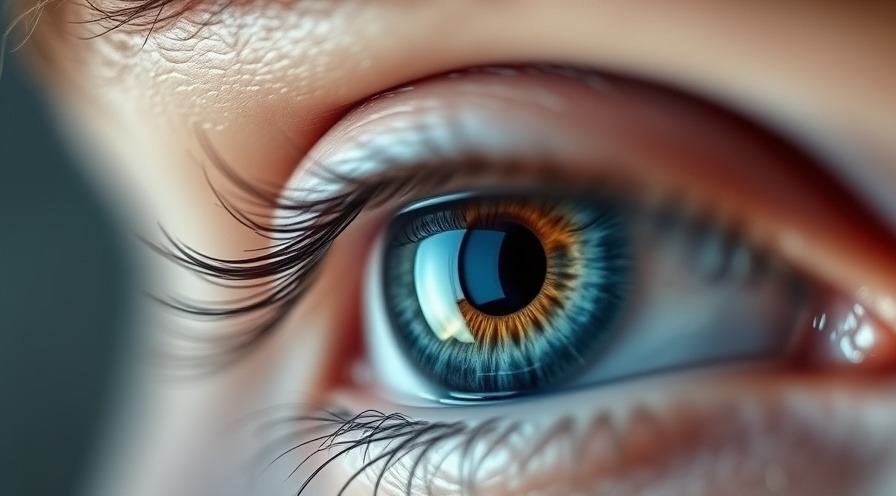
Close-up of a human eye showcasing vivid iris colors, highlighting vision impairment risks.

Understanding the Risks of Ozempic: A Closer Look at NA


Ozempic, a medication often prescribed for diabetes and weight management, has been connected to a concerning rise in a condition known as NA, or Non-arteritic Ischemic Optic Neuropathy or NAION. Recent studies suggest that individuals taking Ozempic are experiencing a significant increase in the risk of developing NA, with those who have diabetes being four times more likely to encounter this issue, and those with obesity seeing a staggering increase of over seven times.

But what exactly is NA? This condition is characterized by a sudden loss of vision due to interrupted blood flow to the optic nerve at the back of the eye.

The most alarming aspect of NA is that it often comes on without warning and can occur painlessly. Many individuals might notice something is wrong only after waking from sleep, realizing that part of their vision is dimmed or blurry, often affecting the lower half of their sight. This condition, known as an altitudinal vision defect, underscores the urgency of being aware of the potential side effects of medications like Ozempic.

*Researchers at Harvard Medical School published a study in JAMA Ophthalmology that identified a potential association between semaglutide use and increased risk of NAION. The study was led by Dr. Joseph Rizzo III from Massachusetts Eye and Ear.

Why This Matters for Health-Conscious Adults

For health-conscious individuals who prioritize wellness, understanding the implications of medications they might be considering is essential. Ozempic has garnered attention for its weight loss and diabetes management benefits, yet the newfound risks must also be factored into personal health decisions. It’s crucial to balance the potential benefits with these serious side effects.

Many in the health community emphasize the importance of regular eye check-ups, especially when using medications linked to sudden vision changes. Being proactive about eye health not only helps in early diagnosis but also can mitigate permanent damage caused by conditions like NA.

weight loss

Real-Life Impact: Hearing from Others

While statistics can seem abstract, the stories of those affected by NA are very real and impactful. Some individuals report waking up to discover they had lost vision overnight, leaving them anxious and concerned about their long-term health.

This experience serves as a sharp reminder of why it’s vital to pay attention to health and wellness topics such as this. Talking to healthcare providers about any concerns before starting or changing medications can be an important first step. They can help individuals weigh the risks, share insights about monitoring vision health, and explore alternative treatments if necessary.


Empower Your Health: Actionable Insights

As you navigate the landscape of health and wellness, remember that knowledge is power. Staying informed about the implications of medications like Ozempic allows you to make decisions that align with your values and health goals. Here are some steps you can take: - Discuss with Your Doctor: Have an open conversation with your healthcare provider about your medications and express any concerns regarding eye health. - Monitor Your Vision:

Regular eye exams can catch potential issues early on, allowing for timely interventions. - Stay Informed: Research and read up on the latest studies that can affect your health; knowledge can help you advocate for yourself in medical settings. In conclusion, the link between Ozempic and NA is a vital conversation to have, especially for those prioritizing their health and wellness.

Remember to stay proactive with your vision health, consult with healthcare professionals, and make informed choices that contribute to your overall well-being. Taking these precautions can help safeguard your sight, ensuring that your health journey is a bright and fulfilling one.


Weight Loss Vision

0 Comments

Write A Comment

*
*
Please complete the captcha to submit your comment.
Related Posts All Posts

Why Salmon Helps with Weight Loss

Did you know eating salmon can boost fat burning? Rich in omega-3s and protein, salmon supports metabolism and curbs appetite, making it a powerful ally in weight loss journeys. Discover why incorporating salmon can help you shed pounds more effectively and healthily.Salmon and Weight Loss: How This Superfood Changes the Game"Did you know eating salmon can boost fat burning? Rich in omega-3s and protein, salmon supports metabolism and curbs appetite, making it a powerful ally in weight loss journeys."When it comes to effective weight loss, the foods you choose play a critical role in your journey. Salmon and weight loss are often mentioned together—and for good reason. This superfood stands out because it's packed with lean protein, healthy omega-3 fatty acids, and a spectrum of essential nutrients that not only encourage your body to burn fat but also help you feel full longer. The ability of salmon to help manage appetite and provide lasting satisfaction can prevent overeating and constant cravings, two common stumbling blocks for many starting a weight loss diet.Dr. William Li (physician and researcher): "Eating salmon three times a week for eight weeks will actually cause you to lose up to 15 pounds."What sets salmon apart from other protein sources isn’t just its rich, savory taste, but its effect on metabolism and energy utilization. The fatty acids in salmon, especially EPA and DHA, are linked to enhanced fat oxidation—a process where the body burns stored fat for fuel. Incorporating regular servings of salmon, whether grilled, baked, or poached, offers a sustainable, science-backed boost to your weight loss journey. Let’s take a detailed look at why this delicious fish is a favorite among dietitians and those who want to lose weight the healthy way.What You'll Learn About Salmon and Weight LossThe unique nutritional profile that makes salmon good for weight lossThe science behind salmon’s role in metabolism and appetite controlWays to include canned salmon and smoked salmon in your dietPractical strategies to eat salmon for weight loss and weight managementTo understand why salmon and weight loss are closely related, it’s important to examine salmon’s nutritional value. Unlike many other fish or protein sources, salmon is rich in lean protein—a macronutrient essential for building muscle and maintaining a healthy metabolism. Adequate protein intake through foods like wild salmon or even responsibly farmed salmon increases the number of calories the body burns at rest, supporting both muscle retention and effective fat loss. If you’re interested in how inflammation can impact your weight loss efforts and overall health, you might find it helpful to explore the hidden role of inflammation in wellness and metabolism.Steph Grasso (registered dietitian): Recommends “Salmon Mondays” as a simple way to boost omega-3 intake from salmon, supporting overall health including weight management through its nutrient profile.Salmon also stands out due to its high levels of omega-3 fatty acids, which research shows can support metabolic health, reduce inflammation, and make it easier for the body to burn stored fat as energy. In addition, salmon is an excellent source of vitamins B12, D, and selenium—key micronutrients that support the immune system and help your body burn energy efficiently. All of these benefits make salmon not only good for weight loss but a cornerstone of any balanced, weight loss diet.Why Eating Salmon Is Good for Weight LossHigh-quality protein and its effect on appetiteOmega-3 healthy fats for metabolism supportEssential vitamins and mineralsHigh-quality protein in salmon promotes satiety, which means you'll feel full longer after eating. This curbs your appetite and helps maintain a calorie deficit required to lose weight. The healthy fats found in salmon—notably the fatty acids EPA and DHA—directly support fat oxidation and metabolic health, making them a vital part of your loss journey.Jackie Topol (registered dietitian): "Its protein content and healthy fats can help keep you feeling full and satisfied longer" when eating salmon for weight loss.Beyond protein and omega-3s, salmon delivers a comprehensive blend of nutrients such as vitamin D (supports weight management and mood), vitamin B12 (crucial for energy production), and selenium (essential antioxidant). By swapping more processed protein sources or fatty meats for salmon, you give your body clean-burning energy that encourages sustainable weight loss and encourages you to stick with your goals.Nutritional Comparison: Salmon vs. Other Protein Sources (per 3-oz cooked portion)Protein SourceCaloriesProtein (g)Healthy Fats (g)Vitamins/MineralsGrilled Salmon175198 (high in omega-3 fatty acids)Vitamin D, B12, SeleniumChicken Breast140263 (mostly unsaturated)B3, B6, PhosphorusLean Beef180228 (higher in saturated fat)Iron, B12, ZincFirm Tofu8085 (unsaturated, some omega-3s)Calcium, IronThe Science-Backed Benefits: How Eating Salmon Supports Weight LossScience consistently highlights the weight loss benefits of salmon—thanks in large part to its unique makeup of healthy fats and proteins. When you eat salmon, the body receives an optimal ratio of these satiating macronutrients, which helps with both appetite and metabolism regulation. This makes salmon more than just tasty; it turns it into a reliable component in a successful weight management routine.Unlike fried fish or heavily processed meats, fresh or wild salmon provides fuel the body burns efficiently. The fatty acids found in salmon may also combat inflammation, which is increasingly recognized as a barrier to effective weight loss and overall health. The more you replace high-calorie, processed foods with nourishing options like salmon fillet, the better you equip your body for long-term change.Healthy Fats and Weight Loss: The Omega-3 Connection"Salmon’s omega-3s not only boost your heart health but can increase fat oxidation and decrease cravings—two key elements of effective, healthy weight loss."The omega-3 fatty acids in salmon (EPA and DHA) are celebrated for their fat-burning effects and their ability to improve heart health. Research shows that diets higher in omega-3s may increase the rate at which your body burns fat (also called fat oxidation), helping you lose weight effectively.Omega-3s are also linked to decreased hunger and cravings, as they help regulate hormones that control appetite. Incorporating foods rich in omega-3 fatty acids, such as salmon, enables the body to burn stored fat more readily and fend off the constant desire to snack—making your weight loss diet easier and more sustainable over time.Protein in Salmon: Staying Full, Reducing Overall CaloriesRole of protein in curbing appetiteImpact on lean muscle and metabolismProtein content in salmon doesn’t just give you strength—it also has a powerful impact on satiety, or feeling full longer. When you eat salmon as part of a meal, the combination of lean protein and healthy fats slows digestion. This helps prevent spikes and crashes in blood sugar, which can lead to cravings for sweets or processed foods. High-protein diets, especially those featuring fish like salmon, have been shown to help preserve lean muscle mass while the body burns fat—this is essential because muscle burns more calories, even at rest.Eating enough high-quality protein can support weight loss by increasing metabolism (the number of calories your body burns daily). This effect, often called the 'thermic effect of food,' is higher for protein than for carbs or fats alone. Incorporating salmon into your regular meals, alongside whole grains and vegetables, is one of the simplest and tastiest ways to increase your protein intake and support weight management.Salmon Versus Other Fish: Why Salmon Is Good for Weight LossNutrient density vs. caloriesTaste and versatility for sustainable weight loss plansCompared to other fish, salmon offers a superstar combination: lower calories per serving than many meats, yet incredibly nutrient-dense. The flavor profile and moist texture of wild salmon or even responsibly farmed salmon can help transform boring loss diet menus into delicious meals you’ll look forward to. Nutrient density means you get more vitamins and minerals for each calorie consumed, which supports overall health and helps you stick to your weight loss plan long term.The taste and versatility of salmon—grilled, baked, in salads, or as sushi—mean it’s easy to rotate into different meals, keeping your journey fresh and interesting. By swapping out high-calorie, fatty red meats or processed proteins for salmon, you’re reducing your intake of unhealthy saturated fats and sodium, offering your body the nutrients it needs to burn fat efficiently.Practical Tips to Eat Salmon for Weight Loss SuccessSmart Ways to Eat Salmon: Meal Planning for Weight ManagementGrilled salmon recipesHow often to eat salmonCanned salmon for convenience and affordabilitySmoked salmon: When and how to enjoy it healthilyBuilding a weight management meal plan around salmon doesn’t have to be complicated. Whether you choose fresh salmon fillet or canned salmon for convenience, there are many delicious ways to eat salmon and boost your body's fat-burning potential. Grilled salmon with a squeeze of fresh lemon and a side of roasted vegetables is a simple, flavorful meal that fits perfectly into nearly any weight loss diet. Try adding salmon to hearty salads, grain bowls, or homemade salmon burgers for variety.Experts recommend eating salmon 2–3 times a week to reap its maximum benefits for weight loss and health. If you’re busy, canned salmon offers a quick and budget-friendly alternative—mix it with olive oil, herbs, and chopped vegetables for an instant lunch. Smoked salmon can also be a healthy addition (in moderation), especially at breakfast with whole grain toast and greens. Just remember to keep add-ons like high-calorie sauces or creamy dressings to a minimum.Weight Loss Meal Strategies Featuring SalmonConsistency is key to a successful weight loss journey, and having a meal strategy makes it easier to stick to your goals. Plan your week by including various salmon recipes, alternating between grilled, baked, and canned salmon for different meals. Consider batch-prepping salmon salads or salmon with roasted vegetables for lunch, and keep canned salmon on hand for quick dinners. By rotating salmon into your lunch and dinner options, you maintain a high-protein, nutrient-rich intake that keeps your body burning fat and helps manage appetite all day long.Salmon Meal Plan: Sample Week for Weight ManagementDayBreakfastLunchDinnerMondayOmelet with smoked salmon, spinach, tomatoesGrilled salmon salad with olive oil and kaleBaked salmon, quinoa, and steamed broccoliWednesdaySalmon and avocado toastCanned salmon and chickpea bowlSalmon stir-fry with vegetablesFridayGreek yogurt with berries and smoked salmon toastSalmon lettuce wraps with cucumberGrilled salmon, sweet potato, mixed greensCanned Salmon, Smoked Salmon, and More: Comparing Salmon Options for Weight LossIs Canned Salmon Good for Weight Loss?If you’re working with a tight budget or a packed schedule, canned salmon is a fantastic option for weight loss. It delivers almost all the nutritional benefits of fresh or wild salmon, especially when you choose varieties packed in water and without added oils. The protein in canned salmon supports muscle retention and keeps you full, while the healthy omega-3s found in both wild and farmed canned salmon can help your body burn fat more efficiently. Add a can to salads, wraps, or homemade salmon cakes for quick, nourishing meals that fit your loss diet.Canned salmon is also an eco-friendly choice when sourced from sustainable fisheries. It allows you to stock up and keep nutritious options readily available for busy weeks. Just be sure to check for sodium content and avoid heavily processed or flavored canned products if you’re focused on whole food eating.Smoked Salmon and Weight Management: Fact vs. FictionAddition of sodium—what to watch forIncorporating smoked and canned salmon responsiblySmoked salmon offers delicious flavor and can provide similar nutritional benefits to fresh or canned forms. However, because it’s often cured or preserved with sodium, it’s important to enjoy it in moderation—especially if you’re watching your salt intake as part of a weight loss diet. Too much sodium can lead to water retention and mask true weight loss progress.The best approach to smoked salmon is to pair moderate portions with plenty of fresh vegetables and whole grains, avoiding heavy sauces or creamy spreads. This keeps your meals balanced, supports weight loss, and ensures you’re not overdoing it on sodium or extras that hinder your body’s ability to burn fat.Why Salmon Is Good for Weight Loss: Expert Insights"Incorporating oily fish like salmon into regular meals can help create a more satisfied, energetic, and balanced approach to weight loss than deprivation diets." — Registered DietitianExpert consensus underscores the value of salmon for weight management. Compared to restrictive diets that can leave you feeling deprived, eating salmon regularly encourages a holistic, satisfying approach to losing weight. Dietitians emphasize that oily fish such as salmon not only nourish the body with vital nutrients and fatty acids but also help you feel full and energized, making your weight loss journey more sustainable and enjoyable. By focusing on nutrient-dense choices, you build lasting habits that support your wellness goals.These seasoned professionals recommend favoring wild salmon or responsibly farmed options to maximize both your health and the health of our oceans. With so many versatile, simple ways to include salmon in your meal plan, you set yourself up for long-term success—without the burdens of fad diets or harmful restrictions.Toby Amidor (registered dietitian): "Salmon is a powerhouse for weight loss because its high-quality protein helps preserve muscle mass while the omega-3s reduce inflammation that can hinder fat loss."Frequently Asked Questions About Salmon and Weight LossDoes salmon help you lose belly fat?AnswerSalmon alone won’t melt belly fat instantly, but it plays a supportive role in a healthy weight loss plan. The high-protein, omega-3-rich profile of salmon can help reduce overall body fat and support targeted fat loss by keeping you full and aiding the body’s natural fat-burning processes. Pairing salmon with regular exercise and balanced meals is an effective way to address belly fat over time.What is the 3-3-3 rule for weight loss?AnswerThe 3-3-3 rule is a simple guideline recommending that you eat three balanced meals, exercise three times a week, and avoid eating within three hours of bedtime. It encourages consistent habits, portion control, and active living—all of which align well with including salmon in your diet! While not specific to salmon, this rule highlights the importance of lifestyle balance for successful weight management.Should I eat salmon if I'm trying to lose weight?AnswerAbsolutely! Salmon is a nutrition powerhouse, filled with protein and healthy fats that fit perfectly into any weight loss or weight management plan. Eating salmon helps control appetite, maintain muscle, and keep metabolism running efficiently, making it a highly recommended choice for those seeking to lose weight in a healthy, sustainable way.How to lose 15 pounds in 2 weeks?AnswerRapid weight loss promises may sound tempting, but losing 15 pounds in just two weeks is not typically safe or sustainable. Instead, aim for gradual progress by focusing on consistently eating nutritious, filling foods like salmon, pairing meals with plenty of vegetables, exercising regularly, and staying hydrated. Healthy, lasting weight loss is about building habits over time—not extreme, short-term efforts.List: Best Practices for Using Salmon for Weight LossChoose wild-caught or responsibly farmed salmonLimit high-calorie saucesBalance each meal with vegetablesIncorporate salmon 2–3 times weeklyUse a variety of preparation methodsJessica Cording (registered dietitian): "Incorporating salmon into your meals can support sustainable weight loss by promoting satiety and providing heart-healthy fats that stabilize blood sugar."Key Takeaways: How Salmon and Weight Loss Go Hand in HandSalmon offers a potent mix of protein and healthy fats vital for sustainable weight loss.Canned and smoked salmon provide convenient and nutritious choices for busy lifestyles.Making salmon a part of your regular diet may improve satiety and metabolic health.Next Steps for Weight Loss: Discover More Healthy Eating Strategies"Your path to better wellness continues—browse additional topics at: NCWellnessHub.com"Conclusion: Salmon and Weight Loss—A Smart Choice for Lasting ChangeIn short: Salmon is a smart, delicious way to support lasting weight loss—packed with nutrients, it powers your journey without sacrifice. Dive into more healthy choices and see real results.If you’re inspired to take your healthy eating journey further, there’s a world of nutritious recipes and wellness strategies waiting for you. Explore the NC Wellness Hub’s recipe collection for creative meal ideas that make healthy living both enjoyable and sustainable. Whether you’re looking to diversify your protein sources or discover new ways to incorporate superfoods like salmon, these resources can help you build a balanced, flavorful routine. Let your next step be one of curiosity and empowerment—your path to lasting wellness is just getting started.SourcesHealthline – https://www.healthline.com/nutrition/salmon-good-for-youNIH – https://www.ncbi.nlm.nih.gov/pmc/articles/PMC6267280/EatRight – https://www.eatright.org/food/nutrition/healthy-eating/the-benefits-of-eating-oily-fishVerywell Fit – https://www.verywellfit.com/salmon-nutrition-facts-and-health-benefits-4117772Medical News Today – https://www.medicalnewstoday.com/articles/286839Incorporating salmon into your diet can significantly aid in weight loss due to its high protein content and rich supply of omega-3 fatty acids. The article “Salmon Nutrition: Health Benefits Explained” highlights that consuming salmon frequently can help regulate appetite hormones, increase metabolic rate, and may promote weight loss and decrease belly fat when combined with an active lifestyle. (healthline. com) Also, “Salmon: Nutrition, Cooking Tips & Health Benefits” emphasizes that salmon’s high-quality protein and heart-healthy omega-3s can help keep you feeling full and satisfied, making it a smart choice for weight management. (webmd. com) If you’re serious about achieving your weight loss goals, these resources provide valuable insights into how salmon can be a beneficial addition to your diet. NCWellnessHub.com

Beyond the Plate: 5 Biohacks to Accelerate Metabolism That Have Nothing to Do With Food

Think boosting your metabolism only comes from diet? What if simple biohacks beyond eating could rev up your energy and burn calories faster? Discover unexpected, easy ways to accelerate your metabolism and transform your health without changing what’s on your plateUnlocking Metabolic Potential: How to Accelerate Metabolism Without Changing Your DietAccelerating your metabolism isn't solely about what you eat—there’s a growing body of research suggesting you can boost your metabolism through science-backed strategies that don’t require dietary changes at all. If you're looking to increase your metabolism for sustainable energy, weight loss, or better weight management, it's crucial to understand the diverse factors powering your body's calorie burn.In this guide, you’ll learn actionable, research-supported biohacks to speed up your metabolism—and none of them require a new meal plan.Most people think metabolism is simply about food, but methods like resistance training, optimizing daily movement (NEAT), sleeping deeply, strategic cold exposure, and proper stress management are powerful tools that help you burn more calories even at rest. By focusing on these approaches, you’ll tap into a higher metabolism, turning your body into a calorie-burning machine—without touching your diet.The science behind how to accelerate metabolism beyond foodDistinctions: Basal Metabolic Rate (BMR), NEAT, and their roles in calorie burnFive actionable, food-free biohacks to boost your metabolismResearch-backed insights and quotes from health expertsCommon myths, practical tips, and frequently asked questionsHow resistance training and lifestyle tweaks can speed up your metabolism sustainablyUnderstanding How to Accelerate Metabolism: Key Principles and MythsMetabolism is the process your body uses to convert food into energy, but it’s so much more than that. To truly speed up your metabolism, it's important to know how your metabolic engine works. There are two key drivers: Basal Metabolic Rate (BMR)—the calories you burn at rest for basic body functions, and Non-Exercise Activity Thermogenesis (NEAT)—the energy you expend during non-deliberate activities like fidgeting, tidying up, or walking to the mailbox. While planned workouts matter, NEAT alone can significantly impact daily calorie burning.Many believe that only exercise and specific foods like green tea or high-protein meals ramp up metabolism. In reality, your baseline metabolic rate and NEAT are responsible for most of the calories you burn each day. Common myths—like ‘starving your metabolism’ by eating fewer calories, or relying solely on cardio for fat loss—often sideline more effective strategies. Spotting and understanding these myths is essential for anyone aiming to lose weight and achieve lasting metabolic health."NEAT can account for up to 15% of your daily calorie expenditure — often more than your deliberate workouts." — Dr. Sarah Kline, PhD, Nutrition ScienceWhat is metabolism?Basal Metabolic Rate (BMR) vs. Non-Exercise Activity Thermogenesis (NEAT)Why increasing your metabolism isn’t just about food or exerciseMyths about metabolism and weight lossWhile these food-free biohacks can make a significant difference, it's also important to recognize how certain daily habits—especially those related to your morning routine—can either support or hinder your progress. For a closer look at how breakfast choices may impact your weight loss journey and metabolic health, explore these expert insights on breakfast habits that could be holding you back.Biohack #1: Resistance Training — Building Muscle to Boost Your MetabolismIf your goal is to boost your metabolism and burn more calories at rest, resistance training is a game-changer. Unlike cardio, building muscle mass fundamentally increases your Basal Metabolic Rate (BMR), since muscle tissue is far more metabolically active than fat tissue.The more muscle you have, the more calories your body burns—even while you’re at rest. Research suggests that for every pound of muscle gained, your body requires at least 10-15 extra calories per day, adding up over time to create a significant impact on your overall calorie expenditure.Various forms of resistance training can yield this effect: bodyweight exercises like squats and lunges, free weights like dumbbells, or machines at the gym. Incorporating strength training 2-3 times per week not only helps you lose weight by burning fat but also supports a higher metabolism long after your workout ends.This is known as the ‘afterburn effect’ or EPOC (Excess Post-Exercise Oxygen Consumption), where your body continues to burn more calories as it recovers from the muscle stimulus."Every pound of muscle burns more calories at rest than fat. Strength training isn't just for bodybuilders — it's a metabolic accelerator for every body." — Dr. Michael Yu, Sports MedicineMuscle Mass and How to Accelerate Metabolism at RestThe relationship between muscle mass and a higher metabolism is direct and well-supported by science. Simply put, muscle burns more calories at rest than other tissues. Engaging in resistance or strength training helps build lean muscle, which not only improves appearance but also fuels ongoing calorie burning—making it one of the most powerful ways to increase your metabolism without relying on changes in food intake.For example, exercises such as deadlifts, pushups, rows, and squats activate large muscle groups, driving even greater boosts in resting metabolic rate (RMR).Additionally, studies show that even a small amount of new muscle can meaningfully enhance daily calorie burn, contributing to both weight loss and weight management over time. This gives your metabolism a sustainable, long-term lift that persists long after your workout ends, helping you reach your goals efficiently and effectively—no diet tweaks required.Effects of Muscle Gain on Resting Metabolic Rate (RMR)Muscle GainEstimated RMR IncreaseExample Activities+5 lbs+50-75 kcal/daySquats, Pushups+10 lbs+100-150 kcal/dayDeadlifts, RowsBiohack #2: NEAT (Non-Exercise Activity Thermogenesis) — Move More Without ‘Exercising’Non-Exercise Activity Thermogenesis (NEAT) refers to the calories you burn through all daily movement that isn't structured exercise, like standing, walking while on calls, fidgeting, or taking stairs instead of elevators. What’s remarkable about NEAT is its capacity to boost your metabolism in small but cumulative ways.Even those with busy lives can take advantage of NEAT by integrating “hidden” activities—think desk stretches, frequent standing breaks, pacing while brainstorming, or parking farther from store entrances. Collectively, these micro-movements deliver meaningful improvement in energy expenditure and weight management.Incorporating NEAT into your lifestyle doesn't require time-consuming workouts. Tools like standing desks, wearable step trackers, and walking meetings help ramp up your daily movement, even on your busiest days.Simple gestures—tapping your foot while reading, tidying up the house, or running errands—are all part of the NEAT equation. When stacked over weeks, these actions help burn more calories, supporting your ability to lose weight, manage a slow metabolism, and improve overall well-being."Small, frequent movements can dramatically boost your NEAT and support ongoing weight management." — Dr. Linda Tran, EndocrinologistDaily Movement Strategies to How to Accelerate MetabolismEffective strategies to increase NEAT focus on maximizing every opportunity to move throughout your day. Think multitasking: take calls standing, fidget with your hands at your desk, use a walking meeting instead of a seated one, or break up sitting with brief stretches every hour.Swapping out screen time for hobbies that require light movement—gardening, organizing, or dancing—can further enhance calorie burn. Each small, extra movement contributes to more calories burned over time, even if the amount seems minor at first glance.For those in sedentary jobs, integrating NEAT means taking micro-breaks (every 40 to 60 minutes) to walk, refill water, or stretch, and opting for stairs whenever possible. Over days and weeks, these habits multiply, leading to a higher metabolism that works even when you’re not at the gym. This approach is not only sustainable but also essential for losing weight without disrupting daily routines.Biohack #3: Cold Exposure — Harnessing Thermogenesis to Speed Up Your MetabolismCold exposure is an unconventional but research-backed way to speed up your metabolism—no dieting necessary. When your body gets cold, it must work harder and burn extra calories to warm itself, activating a process called thermogenesis. This is especially true when brown adipose tissue (“brown fat”) is stimulated by cold, since brown fat specializes in fat burning to generate heat.Integrating cold showers, ice baths, or brisk walks in cool weather wakes up this metabolic mechanism, prompting your body to burn more calories even at rest.Not ready for a polar plunge? Even moderate steps, such as finishing your morning shower with 60 seconds of cold water or applying a cold pack to the upper back, can introduce metabolic benefitsHow to Accelerate Metabolism with Cold Showers, Ice Baths, and Ambient ChillTo start, the easiest approach is ending your daily shower with cold water for 30–90 seconds, which can activate brown fat and trigger thermogenesis. For those looking for more, try ice baths or cold outdoor walks, especially when bundled appropriately to stay safe. The key is intermittent cold exposure, not constant discomfort.Research suggests that with consistency, the body adapts, with an increase in metabolic rate and fat utilization. This can support both fatty acid breakdown and total calorie burning—an invaluable bonus in any plan to boost metabolism without food changes.It’s important, however, to listen to your body and avoid unsafe extremes with cold exposure, especially if you have health conditions like Raynaud’s or cardiovascular concerns. A little chill can go a long way towards boosting your metabolism and enhancing weight management over time.Biohack #4: Sleep Optimization — Deep Rest to Boost Your MetabolismQuality sleep is an unsung hero in any discussion on how to accelerate metabolism and weight loss. When you’re sleep deprived, your body produces stress hormones—including cortisol—which slow your metabolism, trigger cravings, and make losing weight much harder. Deep, restorative sleep resets your metabolism nightly, while chronic sleep debt can sabotage even the best diet or exercise plans.Optimizing your sleep starts with basics: maintaining a cool, dark environment, sticking to regular sleep/wake times, and minimizing late-night blue light exposure. Research suggests that seven to nine hours of high-quality sleep improves hormonal balance and supports efficient calorie burning. Tuning into your natural circadian rhythms maximizes both metabolic health and daytime energy."Poor sleep can impair your efforts to speed up your metabolism and undermine weight loss goals." — Dr. Andrea Watson, Sleep Medicine SpecialistHow Sleep Quality Impacts How to Accelerate MetabolismIf you’re short on sleep, your body shifts into energy-conserving mode, slowing metabolic rate and making weight gain more likely. This happens because the hormonal signals that regulate hunger (like leptin and ghrelin) get disrupted, leading to an increased desire to eat and less ability to burn more calories. Structured bedtime routines, cooler room temperatures, and limiting caffeine late in the day are practical sleep optimization hacks.To support circadian rhythm, dim lights at least 60 minutes before bedtime, avoid screens, and consider blackout curtains. These tactics help your metabolism remain robust, reinforcing every other lifestyle biohack for higher metabolism and energy throughout the day.Biohack #5: Strategic Stress Management — Cortisol, Energy, and How to Accelerate MetabolismChronic stress is a stealthy saboteur of metabolic health. Persistent high cortisol levels not only encourage weight gain (especially abdominal fat) but also lower your metabolic rate, making it more difficult to lose weight and burn more calories. Strategic relaxation—far more than just lounging on the couch—directly supports your body’s metabolic efficiency by regulating hormonal pathways tied to calorie and fat burning.Stress management techniques such as daily meditation, yoga, breathwork, or even leisure walks can break the cycle. Engaging in creative hobbies, socializing, or simply spending time outdoors are proven ways to reduce physiological stress, helping your body unlock a higher metabolism and improved energy equilibrium."Stress can sabotage your metabolism. Integrating regular relaxation can help stabilize hormonal pathways involved in calorie burn." — Dr. Jason Lieu, Clinical PsychologistCombatting Slow Metabolism Through Mindful RecoveryTo mitigate the metabolic damage of stress, set aside 10–20 minutes per day for intentional unwinding. This could be as simple as deep-breathing exercises, a short gratitude journal, or a gentle walk in nature.Regular stress management not only aids weight management but reduces the chance of a persistently slow metabolism, ensuring your biohacks deliver results. Mindful recovery is the backbone of a sustainable plan to boost your metabolism for the long term—no diet required.Long-term, practicing these habits improves resilience to life’s shocks, keeping cortisol in check and energy steady. Combined with strength training, NEAT, good sleep, and cold exposure, stress management is an integrative tool for everyone striving for better health.People Also Ask: How to Accelerate MetabolismHow can I increase my metabolism to lose weight fast?High-intensity interval training (HIIT)NEAT strategies for daily lifeResistance training for muscle gainPrioritizing sleep and stress managementBeware of 'quick fixes' and focus on sustainable accelerationTo increase your metabolism and lose weight quickly, combine high-intensity interval training with daily NEAT habits and regular resistance training. Proper sleep and managing stress are essential to avoid the metabolic slowdown associated with fatigue and cortisol. Skip unproven “quick fix” supplements and rely on proven lifestyle biohacks to achieve lasting results.What are signs of a slow metabolism?Persistent fatigueDifficulty losing weightCold intoleranceHair lossDry skinSigns of a slow metabolism include unexplained tiredness, challenges in losing weight despite healthy habits, sensitivity to cold, hair thinning, and dry skin. If you notice these, assess factors like sleep, activity levels, muscle mass, and chronic stress, as they all affect your resting metabolic rate and ability to burn more calories.What is the 2 2 2 method metabolism?‘2 2 2’ typically refers to fitness or meal planning routines — always check for credible sourcesThe science behind frequent routine adjustment to maintain metabolic rateThe “2 2 2 method” is a trending approach often found in training or eating schedules, such as two days of strength, two of cardio, two of rest. While there’s no hard science behind this specific ratio, varying routines and adjusting stimulus often helps maintain a higher metabolism by preventing adaptation. Always verify new methods through credible, research-backed sources.Which foods speed up metabolism?Green tea, chili peppers, protein-rich foods, coffeeWhile diet matters, these biohacks work independently from dietWhile green tea, chili peppers, protein, and coffee can provide a temporary metabolic boost, the biohacks detailed here—like building muscle or increasing NEAT—work effectively independently of food. Focusing on movement, sleep, and stress can deliver lasting results in metabolic acceleration, even if your diet stays the same.Common Pitfalls and Myths in How to Accelerate MetabolismDebunking green tea and ‘fat burner’ supplement mythsWhy skipping meals backfiresMisconceptions about cardio vs. strength trainingBeware of myths surrounding “fat burner” pills and the overhyped benefits of green tea; while these may offer minor, short-lived increases in calorie burning, their direct impact pales in comparison to lifestyle biohacks. Skipping meals or drastically cutting calories can actually slow metabolism, leading to weight plateau or gain. Cardio is valuable, but without incorporating strength training to build muscle, you’re missing out on crucial, longer-term calorie-burning advantages.FAQs: How to Accelerate Metabolism Without FoodCan you really speed up your metabolism without changing your diet? – Yes. Building muscle, increasing NEAT, practicing cold exposure, optimizing sleep, and managing stress are all research-backed ways to accelerate metabolism that don’t require dietary changes.How quickly can you see results from these biohacks? – Some benefits, like increased energy from more movement, can be felt within days. Substantial shifts in metabolic rate or body composition from muscle gain or better sleep happen over weeks to months. Consistency is key for sustained effects.Are there metabolic differences between men and women? – Yes, hormones, muscle mass, and genetics all play roles. Generally, men have slightly higher resting metabolic rates due to greater muscle density, but all individuals can boost their metabolism with these methods.Is muscle really more metabolic than fat? – Absolutely. Muscle burns more calories than fat at rest, making strength training and muscle gain essential for those wanting to increase your metabolism.Key Takeaways: How to Accelerate Metabolism EffectivelyBuilding muscle and NEAT are heavy hitters in metabolic accelerationCold exposure, sleep, and stress management play critical supporting rolesSustainable, food-free biohacks make a significant differenceWrap-Up & Your Next StepReady to transform your metabolic health? Find more quality content at: NCWellnessHub.comWith these five food-free biohacks, you can accelerate your metabolism, enhance weight management, and feel more energized—proving it’s possible to speed up your metabolism beyond the plate.If you’re inspired to take your wellness journey even further, consider exploring the broader landscape of healthy living strategies that go beyond metabolism alone. Our comprehensive wellness resources offer actionable guidance on everything from stress resilience to holistic self-care, empowering you to build a foundation for lifelong vitality.Whether you’re seeking advanced techniques or simply want to deepen your understanding of optimal health, you’ll find expert-backed insights to support your next steps. Unlock your full potential by integrating these metabolic biohacks with a holistic approach to well-being—your body and mind will thank you.SourcesNIH – Effects of Resistance Training on Resting Metabolic RateHarvard Health – The Truth About MetabolismSleep Foundation – Metabolism and SleepNIH – Non-Exercise Activity Thermogenesis (NEAT): Effective Support for Obesity PreventionFrontiers in Physiology – Human Brown Fat, Cold Exposure, and Metabolic Rate

Why Your Contacts Suddenly Hurt: The Hidden Science of Pregnancy-Induced Dry Eye (and How to Fix It)

Experiencing sudden discomfort with your contacts during pregnancy can feel frustrating and isolating. You're not alone—many expectant mothers face this challenge as hormonal shifts disrupt eye moisture. Understanding the science behind contact lens intolerance during pregnancy empowers you to find relief and continue seeing the world clearly and comfortably.In this comprehensive guide, you’ll discover the hidden science behind these common changes, the warning signs to watch for, and the safest strategies for swift and lasting relief.Understanding Contact Lens Intolerance During Pregnancy: The BasicsContact lens intolerance during pregnancy is an under-discussed, yet surprisingly common, phenomenon that affects many expectant mothers. When pregnancy hormones begin shifting, changes in fluid retention, blood volume, and tear production can directly impact the eyes—often resulting in symptoms like dry eye, irritation, and sudden intolerance to contact lenses. Understanding these biological changes is the first step to effective eye care during pregnancy.The good news? With proper guidance and some minor lifestyle adjustments, most pregnant patients find these symptoms to be manageable or even preventable with modern eye care strategiesHow Vision During Pregnancy Changes: Key FactorsVision during pregnancy can be unpredictable due to hormonal surges of estrogen and progesterone. These changes may affect your cornea's shape and thickness, which in turn can alter how your eyes focus light—sometimes causing blurry vision with or without contact lenses. Fluid retention, a hallmark of pregnancy, can also cause microscopic swelling in the eyes that affect lens fit and tear film stability, leading to increased sensitivity and eye discomfort that make lens wear harder.Contact lens wearers may notice these changes as a sensation of “grittiness,” or experience dry eyes that weren’t a concern prior to pregnancy. These shifts are coupled with increased blood volume and varying blood pressure, both of which can impact eye health in unique ways. The crucial thing to remember is that while many women develop some vision changes during pregnancy, these symptoms are completely normal and most often resolve after childbirth.“Many women experience unexpected changes in their eyes during pregnancy. It’s important to recognize these shifts are normal and manageable.” – Dr. Aisha Patel, OB-GYNThe Science Behind Contact Lens Intolerance During PregnancyThe underlying science of contact lens intolerance during pregnancy is rooted primarily in hormonal fluctuations. These fluctuations not only affect the reproductive system but radiate into nearly every part of the body, including your eyes. For contact lens wearers, this is particularly important—hormonal changes can make the eyes drier and more susceptible to irritation. Recognizing these causes helps you proactively address and manage both discomfort and potential risks.Recent research demonstrates a direct correlation between elevated estrogen and progesterone levels and changes in tear production, corneal thickness, and blood flow to the eyes. As a result, many pregnant patients experience increased ocular surface sensitivity and a disrupted tear film, leading to dry eye—the most common trigger for contact lens discomfort. Moreover, common pregnancy-related health conditions such as gestational diabetes and high blood pressure may increase the severity of these symptoms and warrant closer monitoring by an eye doctor.While managing dry eyes and lens discomfort is crucial, it's also important to consider how your overall hydration habits can influence eye health during pregnancy. For practical tips on optimizing your water intake to support both vision and well-being, explore these smart water drinking strategies for better hydration.Hormonal Influence: Estrogen, Progesterone, and Dry EyeDuring pregnancy, levels of estrogen and progesterone soar, which, while essential for maternal and fetal health, have notable side effects on your ocular system. These hormones can alter the composition and secretion of tears, resulting in symptoms of dry eyes. For contact lens wearers, this change often transforms a once-comfortable lens into a source of irritation and discomfort.The tear film’s stability is critical for both lens wear comfort and eye health. Disrupted tear film means more friction between the lens and the eye’s surface, leading to inflammation, redness, or even blurred vision. Studies show that up to one-third of pregnant women report new or worsened dry eye symptoms, making it a top reason to adjust your eye care routine as soon as pregnancy is confirmed.Mapping the Impact: Dry Eyes, High Blood Pressure, and Gestational DiabetesDry eyes aren’t the only culprit when discussing contact lens problems during pregnancy. Increased blood pressure and gestational diabetes, both more likely to occur during pregnancy, also put additional strain on the eyes. High blood pressure can constrict blood vessels and reduce blood flow to the retina, while gestational diabetes may change the eye's lens shape and disturb the clarity of your vision during pregnancy.These coexisting conditions heighten your risk of fluctuating or blurry vision and may even lead to temporary vision loss if left unmonitored. They also put pregnant women at higher risk for secondary ocular issues, such as retinopathy or increased intraocular pressure. That’s why it’s essential for expectant mothers to share any new visual symptoms with their primary care provider or eye doctor and schedule a comprehensive eye exam as needed.Comparison of Pregnancy Hormones and Eye Health: Symptoms, Prevalence, and ManagementPregnancy FactorEye SymptomPrevalenceManagementEstrogen SurgeDry eye, blurry vision~34%Lubricating drops, lens breaksProgesterone IncreaseLens intolerance, redness~29%Frequent blinking, swap to glassesGestational DiabetesFluctuating vision, edema~7-14%Blood sugar control, regular examsHigh Blood PressureBlurred vision, retinal changes~5-10%BP management, close monitoring“Hormonal fluctuations can reduce tear production, making contact lens intolerance during pregnancy surprisingly common.” – Dr. Frances Lam, OptometristSymptoms and Red Flags: Recognizing Contact Lens Intolerance During PregnancyRecognizing the early signs of contact lens intolerance during pregnancy is vital to minimizing risks and discomfort. Symptoms often include dryness, redness, blurry vision, burning sensations, and, in severe cases, pain when inserting or wearing contact lenses. These warning signs typically resolve after pregnancy but should never be ignored, especially if they progress or suddenly worsen.Early detection can swiftly prevent further eye irritation or the rare risk of infection. If symptoms persist, consider switching to glasses temporarily and consult your eye doctor for a professional assessment. Remember that avoiding protracted exposure to an uncomfortable lens is a key aspect of proactive eye care during pregnancy.Blurry Vision, Discomfort, and Other Warning SignsThe most common symptoms signaling contact lens intolerance during pregnancy include persistent blurry vision, sudden discomfort, excessive dryness, itching, and the sensation of a foreign object in your eye. These may develop gradually or begin abruptly, and often fluctuate depending on time of day, hormone surges, or levels of fatigue and hydration.One red flag to watch for is any vision change accompanied by headaches, eye pain, or visible swelling, as these could indicate more serious conditions such as high blood pressure or gestational diabetes affecting ocular health. Recording your symptoms in a daily journal can help you and your doctor identify patterns and determine the best interventions to restore comfort during lens wear.When to Seek Help: Eye Exam RecommendationsIf you notice ongoing dryness, stinging, or changes in vision during pregnancy, it's best to schedule a comprehensive eye exam promptly. An eye exam will reveal if your symptoms relate to pregnancy hormone changes or a more serious eye health issue. Since blood pressure and glucose levels can directly impact your eyes, your vision care should be closely coordinated with your OB-GYN or general practitioner.As a rule of thumb, if you experience pain, sudden loss of vision, or see flashes/floaters, seek immediate medical advice. Regular eye exams during pregnancy are not only safe but recommended, especially for those with a history of gestational diabetes or hypertension. An eye doctor may suggest temporarily switching from contacts to glasses, or recommend pregnancy-safe eye drops to restore comfort and clarity.Dryness: Irritated, scratchy sensation especially late in the dayRedness: Lingering redness with or without lensesBurning: Noticeable upon inserting or wearing contactsBlurry Vision: Inconsistent clarity, especially with lens wearForeign Body Sensation: Feeling like something is in your eyePain or discomfort: Not relieved by removing and cleaning the lens“If lenses cause pain, stop use and consult your eye doctor immediately.” – Dr. Michael Haynes, OphthalmologistRelief Strategies: Managing Contact Lens Intolerance During PregnancyWhile contact lens intolerance during pregnancy can be disruptive, several relief strategies and practical adjustments can bring quick comfort and help you maintain healthy vision. A combination of safe lubricating drops, proper lens care, and environmental modifications will often resolve the most bothersome symptoms. For ongoing cases, an eye doctor can suggest tailored solutions so you never feel forced to compromise your day-to-day routine.It’s important to avoid self-medicating with over-the-counter products before confirming that they’re pregnancy-safe. Stay in close communication with your health team and consider eye-friendly lifestyle choices—these will keep your eyes feeling fresh and your vision sharp, regardless of where you are in your pregnancy.Safe Eye Drops and Lubricants for Dry Eye ReliefThe safest first step for treating dry eye is using preservative-free, pregnancy-approved eye drops. Hydrating drops add moisture to the eye surface, decreasing friction and soothing symptoms that can arise from contact lens wear. Non-medicated lubricants are usually considered safe for use in pregnant patients, but always consult your healthcare provider or eye doctor before starting any new treatment.For severe dry eyes, some women find humidifiers or warm compresses around the eyes provide additional relief. In cases where over-the-counter drops aren’t effective, your eye doctor may recommend switching to daily disposable lenses, which often reduce the risk of irritation due to their clean, single-use surface.Lifestyle Adjustments: Screen Time, Humidity, and Proper Lens CareSmall lifestyle changes can make a big difference for contact lens wearers during pregnancy. Limit screen time where possible to prevent digital eye strain and give your eyes frequent breaks. Introducing a humidifier to your workspace or bedroom will help maintain optimal moisture levels and reduce the likelihood of dry eye.Diligent contact lens hygiene is vital: Always clean and store lenses as directed, replace your lens case regularly, and never “top off” old cleaning solution. Pregnant patients often benefit from switching to glasses for part of the day to relieve lens-induced stress. Good nutrition, ample hydration, and proper sleep further contribute to eye comfort and reduce temporary vision symptoms.Follow the 20-20-20 rule: Every 20 minutes, gaze at something 20 feet away for 20 secondsIncrease room humidity: Use a humidifier near your workspace and bedHydration: Drink plenty of water to support overall eye healthHygiene: Wash hands before handling contacts, use fresh solution dailyAlternate with glasses: Give your eyes regular contact-free recovery breaksRegular eye exams: Monitor changes with your trusted eye care providerConsulting Your Eye Doctor: Eye Exams and Personalized RecommendationsWorking closely with your eye doctor is the surest way to ensure safe and effective management of evolving symptoms. Comprehensive eye exams are recommended for all pregnant patients who experience visual changes, and your clinician will offer custom guidance based on medical history, lens wear habits, and associated health conditions such as gestational diabetes or high blood pressure. These visits are crucial for preserving vision during and after pregnancy.Importantly, contact lens intolerance during pregnancy is usually a temporary issue—many women return to their normal lens routine after delivery, once hormone levels and eye structure return to baseline. Knowing that relief is in sight—and that solutions are available—can greatly ease anxieties and help you make the best choices for your well-being.“Temporary intolerance doesn’t always mean you must stop wearing contact lenses—it’s usually manageable with the right steps.” – Dr. Eli Zhang, Physician & Vision ResearcherPeople Also AskWhy are my eyes so sensitive during pregnancy?Increased hormone levels during pregnancy often affect tear production, leading to symptoms like dryness and eye sensitivity. These changes can make wearing contact lenses uncomfortable.Can pregnancy affect contact lenses?Yes. Pregnancy can change the shape and moisture content of the eye, making contact lens intolerance during pregnancy more common due to dry eyes and altered vision.What does contact lens intolerance feel like?Contact lens intolerance during pregnancy may present as dryness, stinging, burning, blurred vision, or a sensation of something in the eye when using contacts.What are 5 warning signs of a possible problem during early pregnancy?Warning signs include severe or sudden vision changes, persistent headaches, high blood pressure, eye pain, and excessive swelling—seek medical advice immediately if these arise.Contact Lens Intolerance During Pregnancy FAQsIs it safe to use eye drops while pregnant? Most preservative-free lubricating drops are considered safe, but always confirm with your eye doctor before use during pregnancy.Should I stop wearing contact lenses completely? Not usually. Many experts recommend alternating with glasses and following specialized care steps to minimize discomfort.Can vision changes during pregnancy be permanent? Most pregnancy-related changes are temporary, returning to normal after delivery. However, consistent monitoring ensures there’s no lasting effect.When should I see an eye doctor about pregnancy-related eye issues? If you develop pain, blurred vision, or any rapid or persistent change in eyesight, schedule a comprehensive eye exam promptly for professional advice.“Every pregnancy is unique—make sure to inform your medical team about any new eye symptoms.” – Dr. Sophia Warner, Maternal Health ExpertCase Study: A Real Story of Contact Lens Intolerance During PregnancyPersonal Experience and Clinical OutcomesAnna Rivera, a lifelong contact lens wearer, began experiencing severe dry eye and blurry vision halfway through her second trimester. Concerned, she scheduled a comprehensive eye exam and learned that her symptoms were likely linked to hormonal shifts, not a lasting eye condition. Under her optometrist’s guidance, she switched to glasses for a few weeks, used pregnancy-safe lubricants, and made simple changes to her routine.Anna’s proactive approach lead to dramatic improvement in her comfort and vision. Once her baby arrived and her hormone levels returned to normal, she was able to resume wearing contacts without discomfort. Her story not only shows that contact lens intolerance during pregnancy is both common and manageable, but that the right guidance and treatment plan can restore quality of life even during major physical changes.Symptoms, Interventions, and Results: One Mother’s Journey to ReliefSymptomInterventionOutcomeDry eye, blurry visionGlasses, pregnancy-safe drops, increased humidityImproved eye comfort, vision clarity restored postpartum“Finding the right treatment plan was life-changing for me and restored my quality of life.” – Anna Rivera, Patient AdvocateSummary Table: What to Know About Contact Lens Intolerance During PregnancyQuick Reference: Causes, Symptoms, Management, Professional AdviceCauseCommon SymptomsManagementProfessional AdviceHormonal ChangesDry eyes, lens intoleranceLubricating drops, lifestyle changesEye doctor, pregnancy-safe productsGestational DiabetesBlurry/fluctuating visionGlucose management, regular examsMonitor blood sugar, consult OB-GYNHigh Blood PressureBlurred vision, discomfortBP management, frequent monitoringOphthalmology referrals as neededContact Lens CareRedness, foreign-body sensationStrict hygiene, alternate with glassesTemporary lens break if symptoms persistConclusion: Navigating Contact Lens Intolerance During Pregnancy with ConfidenceKey Takeaways for Expectant Mothers Experiencing Contact Lens IntoleranceMost cases of contact lens intolerance during pregnancy are temporary. Paying close attention to symptoms, staying in touch with your eye care team, adopting safe relief strategies, and making small daily adjustments can restore comfort and peace of mind until things return to normal postpartum.As you continue your journey toward a healthier, more comfortable pregnancy, remember that small, mindful choices can have a big impact on your overall well-being. If you’re interested in holistic approaches that support your body’s changing needs, you might find it valuable to learn about the best and worst spices for senior health—many of these insights apply to anyone seeking natural ways to reduce inflammation and boost vitality.Discover how simple dietary tweaks can complement your eye care and enhance your daily routine by exploring holistic spice solutions for better health. Your wellness journey is just beginning—empower yourself with knowledge and make every step count.Stay curious and informed—discover more trusted information like this at: NCWellnessHub.comSourcesAmerican Academy of Ophthalmology – https://www.aao.org/eye-health/diseases/pregnancy-eye-conditionsPubMed Central, Effects of Pregnancy on the Eye – https://www.ncbi.nlm.nih.gov/pmc/articles/PMC5870268/All About Vision – https://www.allaboutvision.com/conditions/pregnancy-vision.htmMedical News Today – https://www.medicalnewstoday.com/articles/effect-of-pregnancy-on-visionU.S. Office on Women’s Health – https://www.womenshealth.gov/pregnancy/youre-pregnant-now-what/body-changes-and-discomfortsDuring pregnancy, many women experience changes in their vision and eye comfort due to hormonal fluctuations. These changes can lead to contact lens intolerance, making it essential to understand the underlying causes and management strategies.One significant factor is the increase in corneal curvature during the second and third trimesters, which can affect how contact lenses fit and feel. A study titled “The effect of pregnancy on corneal curvature” found that 25% of pregnant women developed contact lens intolerance during this period, with corneal curvature returning to normal postpartum.Additionally, hormonal changes can lead to dry eyes, further contributing to discomfort. The article “Pregnancy and how it may affect your eyes” notes that up to 30% of pregnant women report contact lens intolerance, often due to decreased tear production.Understanding these physiological changes can help expectant mothers manage contact lens discomfort effectively. If you’re experiencing such issues, these resources provide valuable insights into the causes and potential solutions.Your path to better wellness continues—browse additional topics at: NCWellnessHub.com

Terms of Service

Privacy Policy

Core Modal Title

Sorry, no results found

You Might Find These Articles Interesting

T
Please Check Your Email
We Will Be Following Up Shortly
*
*
*