

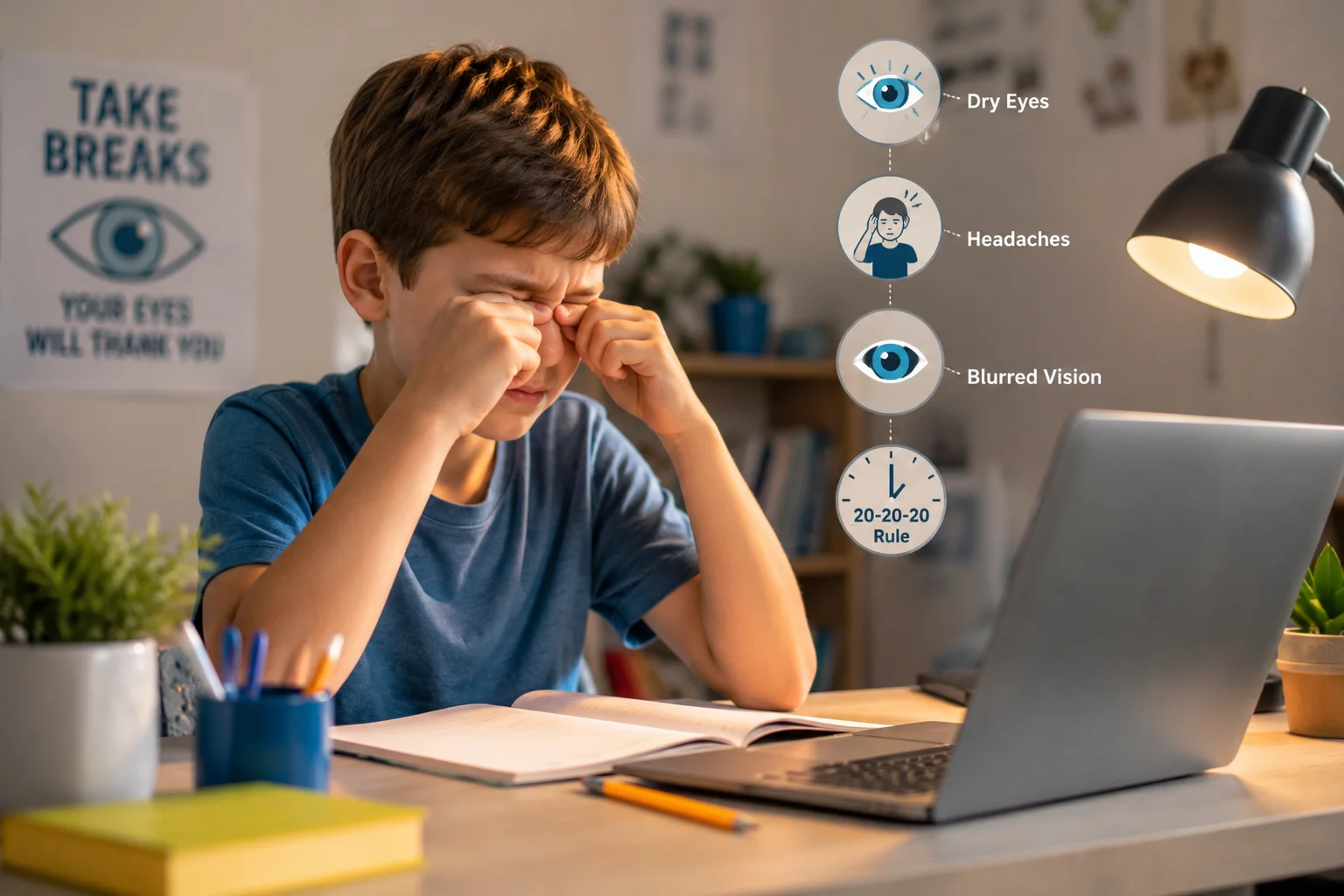
Are you aware of the subtle signs of digital eye strain in children? Understanding the symptoms of digital eye strain is crucial to protecting your child’s vision from the effects of prolonged screen time. Discover how simple habits like the 20-20-20 rule can make a big difference in reducing eye discomfort and promoting healthy screen time breaks — ensuring your child’s eyes remain healthy in today’s digital world.
Understanding Digital Eye Strain in Children Symptoms
What digital eye strain is and why children are increasingly affected: Digital eye strain, also known as computer vision syndrome, refers to a group of eye and vision-related issues caused by extended use of digital devices such as tablets, laptops, and smartphones. The past decade has seen an explosion in screen time for kids, especially with the rise of online learning, gaming, and device-based entertainment. Children's eyes are particularly sensitive and still developing, making them more susceptible to problems caused by long periods of close-up focus and exposure to screens.
Exploring the connection between digital eye, eye strain, and computer vision syndrome: Extended screen time leads to digital eye strain due to reduced blink rates, increased blue light exposure, and constant focusing on nearby digital devices. This combination can cause discomfort and, over time, can create persistent issues like eye fatigue and dry eyes. Computer vision syndrome encompasses this set of symptoms, which affect not only adults working at computer screens but also children immersed in digital device usage for school and play.
“Children’s eyes are particularly sensitive to prolonged screen time, making early detection of digital eye strain symptoms essential.” – American Optometric Association
What You'll Learn About Digital Eye Strain in Children Symptoms
Key symptoms of digital eye strain in children
Preventive strategies, including the 20-20-20 rule
Best break ideas and healthy habits
Expert advice and actionable tips
Recognizing Symptoms of Digital Eye Strain in Children
Recognizing the symptoms of digital eye strain in children is an essential first step toward safeguarding their vision and well-being. Early detection can help parents take action before symptoms intensify or evolve into more persistent issues. Kids may not always verbalize discomfort or even realize when something is wrong with their eyes. It's critical to understand the common signs, as well as the behavioral changes digital eye strain can trigger, to intervene promptly.
Digital eye strain typically develops gradually, and children may ignore or hide their discomfort during screen-related activities such as online learning, gaming, or video watching. Persistent complaints about headaches, squinting, watering or burning eyes, or avoiding favorite screen activities may all be red flags.
Parents and teachers should stay vigilant, especially when increased device usage coincides with changes in focus, attention, or even personality. Below, we break down the most common and observable symptoms children experience, along with underlying contributing factors.
While understanding these symptoms is crucial, it's equally important to recognize how daily screen habits can quietly impact your child's vision over time. For a deeper look at the subtle ways screen time may be affecting eyesight—and practical steps to counteract these effects—explore how screen time could be sabotaging your sight and what you can do about it.
Common Symptoms of Digital Eye Strain in Children
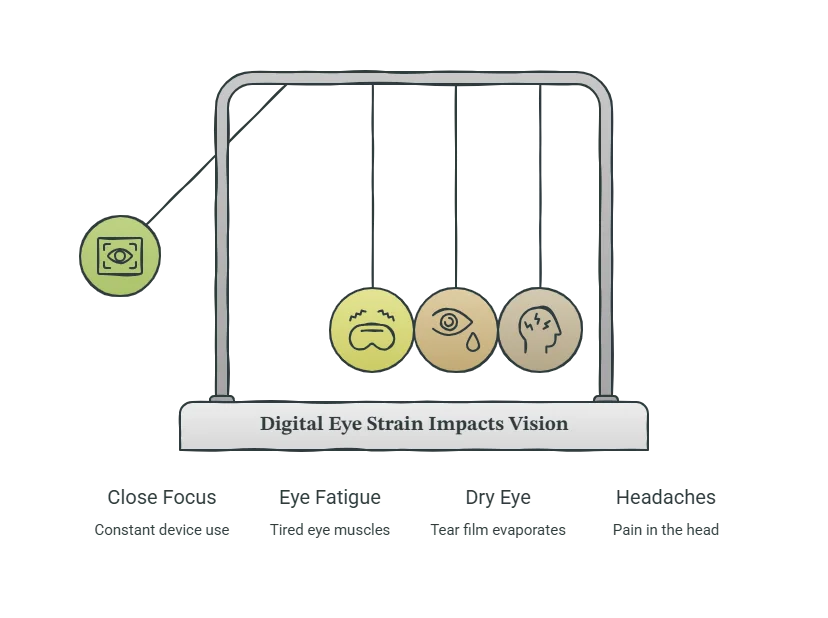
Eye fatigue, dry eyes, blurred vision, headaches: The most frequently reported symptoms of digital eye strain include tired or burning eyes, frequent blinking, and squinting to see clearly. Children may rub their eyes more often or complain about dry, gritty, or watery sensations—hallmarks of both dry eye and computer vision syndrome. Other common symptoms are headaches (especially around the temples or forehead) and intermittent blurred vision; these occur because eyes struggle to maintain focus during prolonged screen time and reduced blink rate, leading to eye strain and dehydration of the eye's surface.
Behavioral signs: irritability, frequent eye rubbing, reluctance to continue screen activities: At times, kids may not articulate their symptoms but may show behavioral shifts — sudden irritability, impatience, or reluctance to engage with digital devices. They might take frequent breaks or develop a dislike for once-beloved activities involving screens. Eye rubbing is a particularly telling indicator, signifying discomfort that often stems from underlying digital eye strain or dry eyes.
“Symptoms like headaches and blurred vision can often be overlooked but are common in digital eye strain among children.” – Dr. Priya Nair, Pediatric Ophthalmologist
How Digital Devices Contribute to Digital Eye Strain
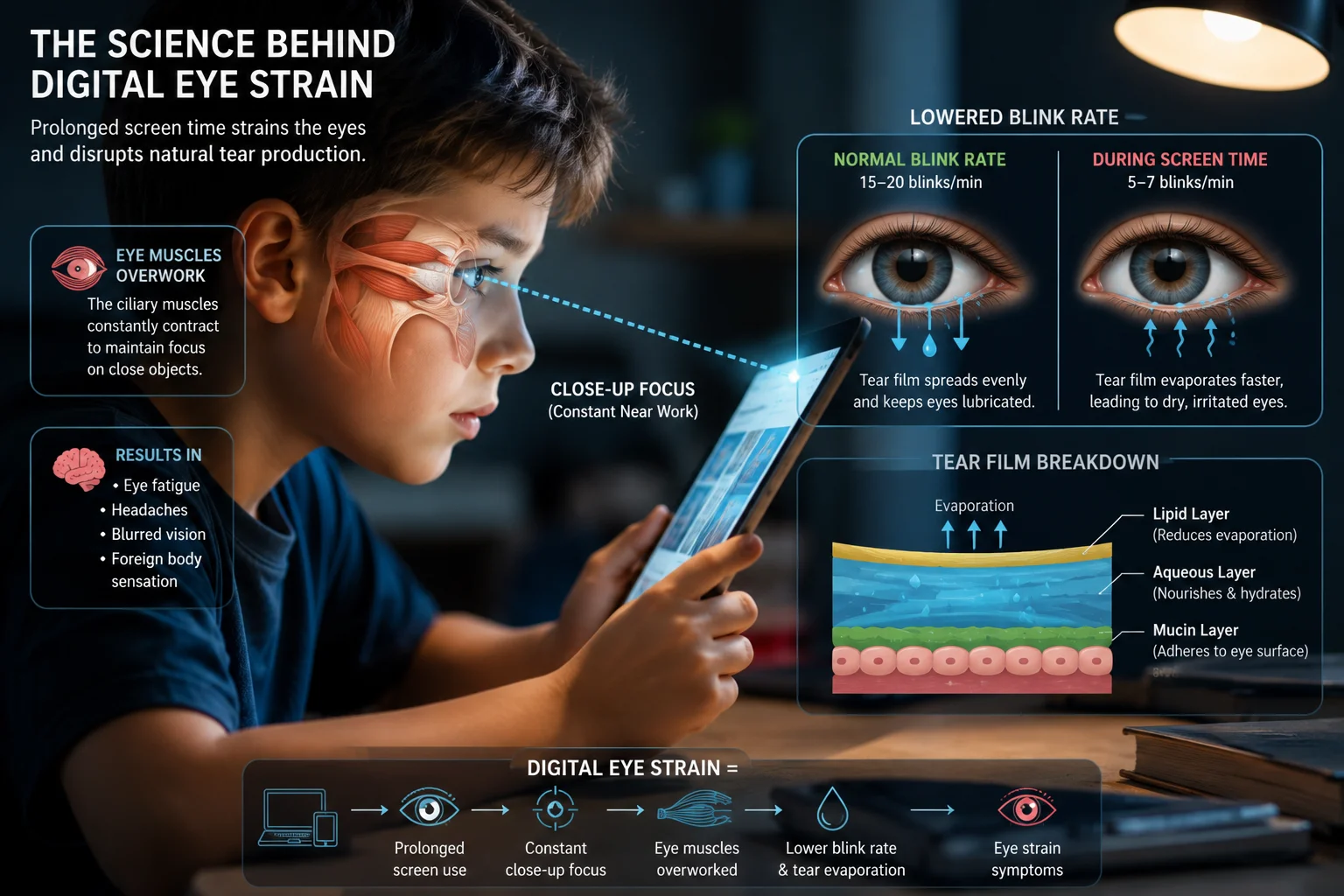
The science behind digital eye, computer vision syndrome, and digital eye strain: The main culprit is the constant close-up focus required when using digital devices. Focusing up close for extended periods taxes the eye muscles that control accommodation (near focus), often resulting in eye fatigue, headaches, and sometimes even a sensation like there is a foreign body in the eye. Lowered blink rate during screen use causes the tear film to evaporate faster, directly contributing to dry eye symptoms and making the eyes feel gritty or scratchy — both classic signs of digital eye strain in children.
Impacts of blue light exposure and poor screen ergonomics: Blue light emitted from digital devices can penetrate deeper into children's eyes than adults', increasing the risk of digital eye strain and eye fatigue. While long-term effects are still being studied, research suggests that blue light can increase eye discomfort and disturb sleep patterns, compounding fatigue. Poor posture and screen placement (screens too close or at awkward angles) strain the eyes and neck further, worsening overall eye strain and increasing the risk of vision syndrome. Ensuring screens are at a comfortable distance and angle is a crucial preventive measure.
How Excessive Screen Time Affects Child Eye Health
Excessive screen time significantly impacts eye health in children, increasing the risk of digital eye strain, dry eyes, and eye fatigue during remote learning and recreational digital device use. Unlike adults, children's eyes are not fully developed, making them more vulnerable to the compounding effects of long-term screen exposure. Continuous engagement with digital devices means prolonged focus at a near distance, inviting the classic symptoms of digital eye strain: eye fatigue, dry eyes, and blurred vision.
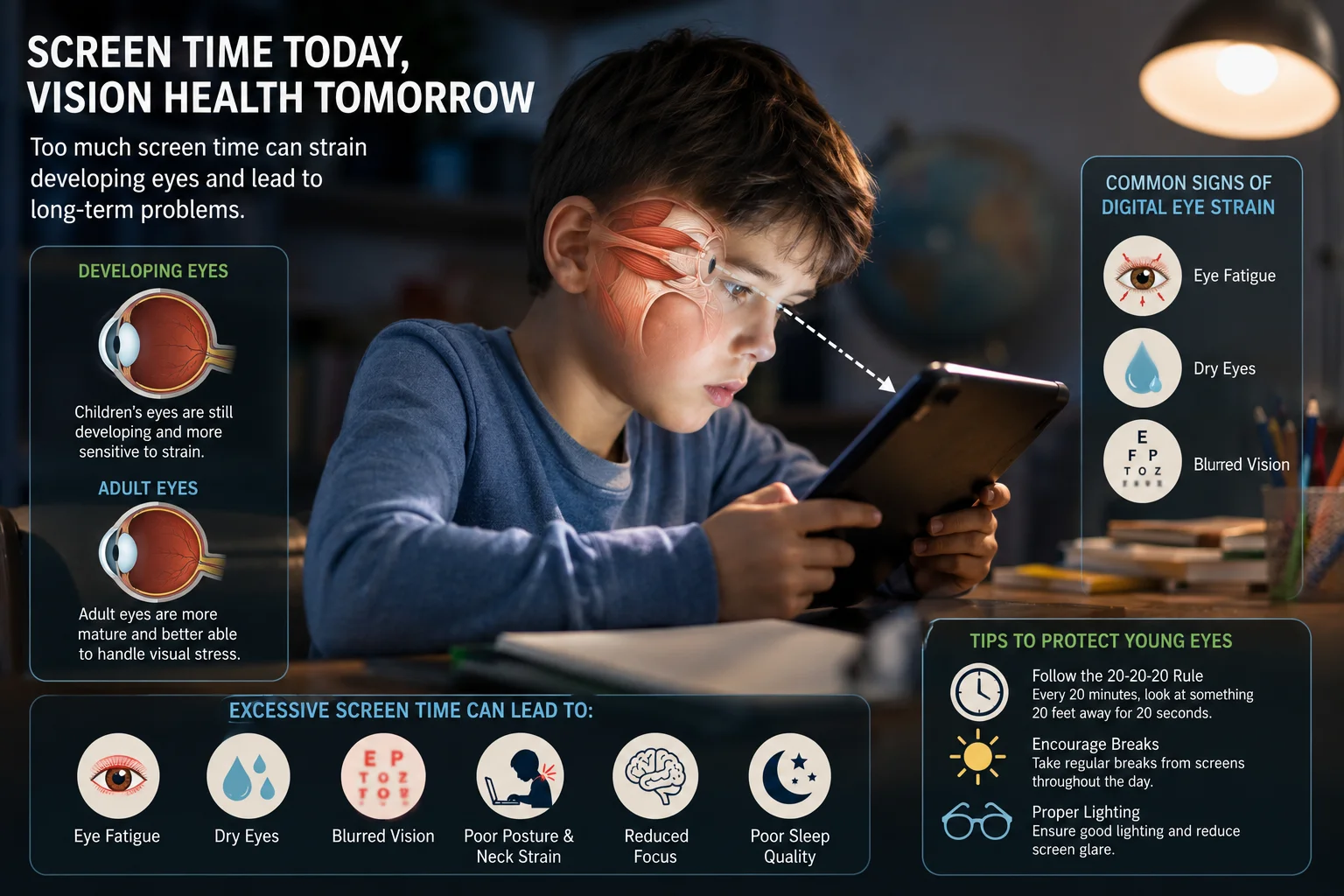
Extending their daily screen time, especially without breaks, can also interfere with natural blinking, crucial for keeping the eye moist and comfortable. It's not just about the physical act of looking at a screen, but how this disrupts natural rest patterns for the eyes and limits exposure to daylight essential for eye development. Limiting and structuring screen use while encouraging healthy breaks can mitigate the onset of vision syndrome and preserve long-term vision health.
The Role of Screen Time in Driving Eye Strain and Eye Fatigue
-
Comparing screen time impacts on vision syndrome, dry eye, and digital eye strain: The longer the screen use, the greater the likelihood of discomfort. Prolonged computer or tablet sessions bring on dry eye symptoms by reducing the natural blink rate and overwhelming the eye's ability to stay lubricated. Kids often ignore their need for breaks, leading to cumulative eye strain symptoms over time.
As device usage becomes habitual, symptoms often present as a combination: dryness, redness, burning, and even double or blurred vision — all warning signs of computer vision syndrome and digital eye strain. In children, the threshold for symptom onset can be lower because of the developing visual system and frequent close-up usage.

More than physical symptoms, cognitive and attention issues can arise: inability to concentrate, reluctance to return to screens, and mood swings. These are subtle but important cues that a child's vision is under stress and needs rest and regular breaks to recover.
Recognizing Behavioral and Physical Symptoms Related to Screen Time
Link between extended digital device use, blurry vision, and dry eyes: Kids who suffer from digital eye strain often describe their vision as "fuzzy" after screen sessions and blink more in an attempt to moisten the eyes. They might also rub their eyes or complain of stinging, which are classic flags for dry eye. Children with undiagnosed eye fatigue might avoid homework, struggle to keep up in virtual classes, or display a marked drop in energy.
Observing attention changes, reduced outdoor activities, and increased sensitivity: Over time, children with unaddressed screen-related eye strain may gravitate away from tasks that require sharp focus, choosing passive or non-visual play. Activity and engagement in outdoor activities may decline, further reducing the eye’s naturally protective exposure to sunlight and distance viewing. Parents might notice their child is increasingly sensitive to room lighting or quickly tired after shorter screen use, which warrants careful observation and possibly an eye exam for further evaluation.
Dry Eye, Dry Eyes & Blurred Vision: Key Digital Eye Strain Symptoms
Differences between dry eye and other digital eye strain in children symptoms: While digital eye strain in children can manifest as headaches and fatigue, dry eye has its own unmistakable signals — persistent redness, gritty or burning sensations, and sometimes watery discharge, as the eyes attempt to compensate for dryness. Kids may use phrases like "my eyes feel sandy" or "it feels like there's something in my eye," which point to foreign body sensation often seen with dry eye disease.
How blurred vision, eye fatigue, and headaches may signal computer vision or vision syndrome: Blurred vision after screen time signals overtaxed focus muscles and is a classic marker of computer vision syndrome. Kids with digital eye strain can experience temporary trouble focusing near or far (accommodative spasms) and may tilt their heads or squint, especially during or after digital device use. Prolonged eye fatigue leads to irritability and reduced performance in both academic and play settings, reinforcing the need for structured breaks and early intervention.

The 20-20-20 Rule: Effective Habit for Reducing Digital Eye Strain in Children
Among all available preventive strategies, the 20-20-20 rule stands out as the simplest and most effective method parents can teach their kids. This habit not only reduces eye strain but helps build an awareness of the importance of regular breaks during screen time. Encouraging children to adopt the 20-20-20 habit makes a measurable difference in daily comfort and long-term eye health.
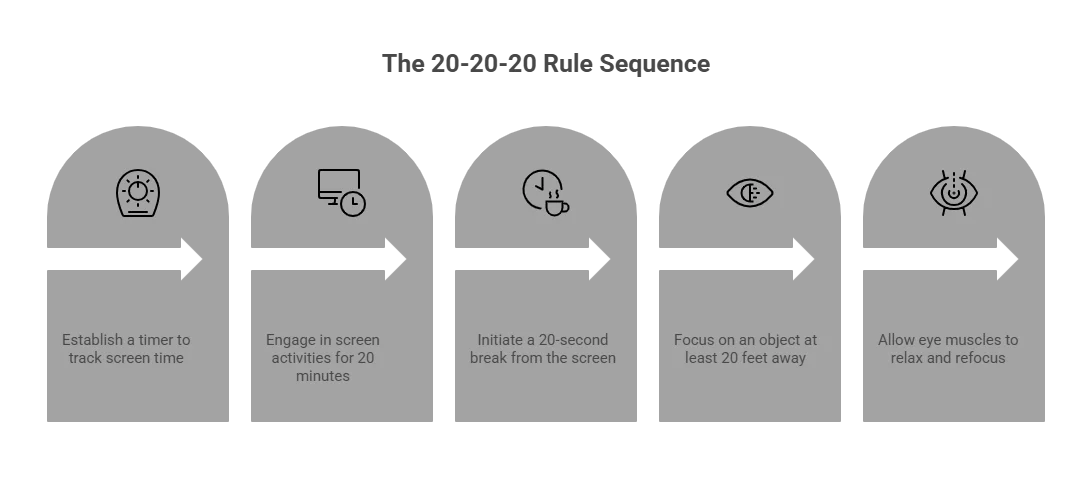
The principle is simple but powerful: Every 20 minutes, take a 20-second break to look at something at least 20 feet away. This shift in focus relaxes the eye muscles, stimulates blinking (which relieves dry eyes), and interrupts the cycle of continuous close-up work that drives digital eye strain. With consistency, this rule becomes a natural pause point, minimizing discomfort and protecting vision while fostering healthier device usage.
How to Apply the 20-20-20 Rule During Screen Time
Step-by-step guidance on practicing the 20-20-20 rule: 1) Set a timer or reminder every 20 minutes while using a digital device. 2) When the timer goes off, ask your child to look out a window, across the room, or toward a distant object for at least 20 seconds. 3) Blinking slowly during this time helps moisturize the eyes. 4) If possible, get up and stretch for a few seconds. These micro-breaks can be incorporated into online learning breaks or play sessions, giving eyes a needed rest without major interruption.
Why this habit prevents digital eye strain and reduces eye fatigue: The 20-20-20 rule effectively reduces digital eye strain by breaking the cycle of constant close focusing that causes eye fatigue and dry eyes. Shifting vision to a distant focal point instantly relaxes the accommodation system and reduces risk of eye fatigue, dry eyes, and headaches. It also restores a healthier blink rate, helping fend off dryness and reduce blue light exposure over time.

Best Break Ideas for Managing Digital Eye Strain in Children
Taking regular, creative breaks is vital for combating digital eye strain and encouraging healthy daily routines. These breaks don’t have to interrupt learning or fun; instead, they should offer children a chance to reset physically and mentally, reducing the cumulative effects of long screen sessions. Both outdoor and indoor activities play a role in sustaining healthy eyes and reducing symptoms of digital eye strain and computer vision syndrome.
Alternating between screen-based tasks and physical or visual-motor activities lowers the risk of chronic eye pain and fatigue. Breaks built into daily schedules help preserve attention, boost creativity, and support better academic and recreational performance, as well as general well-being.
Healthy Outdoor Activities to Prevent Screen-Induced Eye Strain
-
Ideas for outdoor activities that refresh and reset the eyes: Encouraging outdoor activities between digital device sessions helps prevent digital eye strain and supports overall eye health in children. Activities like biking, playing tag, jumping rope, or exploring nature allow their eyes to focus on objects at varying distances, which builds eye strength and helps reverse the stress of prolonged near work.
Even a short walk or backyard play can offer meaningful relief for tired eyes. Studies suggest that children who engage in regular outdoor activities are less likely to develop myopia (nearsightedness) and digital eye strain symptoms associated with excessive screen time.
“Encouraging regular outdoor activity can significantly reduce the risk of digital eye strain in children.” – National Eye Institute

Group games, scavenger hunts, gardening, or simply cloud-watching are fun solutions that keep eyes moving and minimize fatigue. The key is consistency: daily outdoor breaks support both eye health and general wellness.
Indoor Break Strategies: Less Screen, More Movement
Creative indoor activities and stretches to combat digital eye and computer vision syndrome: On rainy days or during homework time, mix in indoor activities that encourage frequent eye use away from screens. Easy ideas include: stretching routines that involve looking around the room, “eye yoga” exercises (such as rolling or shifting gaze), reading print books, building with blocks or Lego, crafts, drawing, and short bursts of dance or movement games. These activities re-engage the body as well as the eyes, breaking repetitive device usage and reducing the risk of digital eye strain and vision syndrome.
Additionally, reminding children to intentionally blink every few minutes, gently massage their temples, or close their eyes for a short rest reinforces healthy screen habits and boosts natural tear production to prevent dry eyes. Families can make break times collaborative, turning exercises into games that everyone enjoys and remembers.

Scheduling Regular Eye Exams for Children
Scheduling regular eye exams is a critical step in preventing and managing digital eye strain and dry eye symptoms in children. A professional can detect subtle issues that may not be obvious at home, offering solutions to restore comfort and preserve clear vision despite increasing screen time.
Annual appointments create opportunities to review visual health, adapt screen habits, and catch any developing refractive error, dry eye disease, or early signs of digital strain before they become serious.
Vision screenings at school are valuable, but a comprehensive dilated exam by an optometrist or ophthalmologist is recommended for spotting problems early — especially if a child shows symptoms like persistent headaches, squinting, or a drop in academic performance.
Consistent eye care and timely intervention mean better outcomes for digital eye health.
When to Schedule an Eye Exam
Guidance on eye exam frequency and what symptoms to watch for: Experts recommend a baseline exam before a child enters school, then every one to two years depending on age, risk factors, and symptoms of digital eye strain. Any sudden changes in vision, complaints about eye pain, persistent redness, difficulty seeing the board or screen, or increased blinking warrant scheduling an eye exam right away. The earlier problems are addressed, the easier they are to resolve — protecting both comfort and long-term visual development.
“An annual eye exam can detect problems early and help manage digital eye strain symptoms before they worsen.” – Dr. Leo Hayes, Vision Health Researcher

Parents’ Checklist: Daily Habits Preventing Digital Eye Strain in Children
Tips for setting screen time boundaries and managing digital device use: Set clear daily screen time limits based on your child’s age, and emphasize the importance of breaks and outdoor activities to reduce digital eye strain and promote eye health. Set device curfews at least an hour before bedtime to preserve sleep quality, which can worsen eye fatigue and discomfort brought on by excessive screen time.
Incorporating eye-friendly habits into daily routines: Encourage using the 20-20-20 rule, blinking regularly, using proper lighting, and maintaining good posture during screen sessions. Adjust device settings to warmer tones or enable "night" modes to lower blue light exposure. Ensure screens are at eye level and at arm’s length to minimize strain.
Supporting behavioral changes to minimize digital eye strain in children: Praise and reward consistent use of healthy eye habits, join your children during breaks or outdoor activities, and model good device hygiene yourself. Foster an environment where it’s easy and fun to step away from screens — family game nights, reading together, or cooking can offer a welcomed shift from digital device usage.
Table: Comparing Digital Eye Strain Symptoms in Children & Adults
Symptom |
Children |
Adults |
|---|---|---|
Eye Fatigue |
Tiredness, reluctance to return to device, headaches |
Tired eyes, focus issues, headaches |
Dry Eyes |
Frequent rubbing, watery/red eyes, blinking more |
Burning, gritty sensation, foreign body sensation |
Blurred Vision |
Complaints after screen time, squinting, trouble focusing |
Blurring, need to refocus frequently, trouble reading |
Behavioral Signs |
Irritability, inattention, less outdoor play |
Work fatigue, less productivity, eye pain |
Headaches |
Forehead/temple pain after screen use |
Migraine, tension headache, ongoing pain |
Key Takeaways on Digital Eye Strain in Children Symptoms
Spotting digital eye strain early leads to better outcomes for growing eyes
The 20-20-20 rule and regular breaks are highly effective for prevention
Consistent, comprehensive eye exams and varied activities protect vision health as screens become a bigger part of childhood

FAQs About Digital Eye Strain in Children Symptoms
At what age does presbyopia start?
Presbyopia, the gradual loss of the eye's ability to focus on nearby objects, typically begins around age 40 and is rare in children. Digital eye strain in children is caused not by aging but by the demands of prolonged digital device use, resulting in temporary issues like eye fatigue and blurred vision, not permanent focusing problems like presbyopia.
Does digital eye strain ever go away?
Most digital eye strain in children symptoms are reversible if caught early and addressed with good habits such as regular breaks, screen time limits, and eye-friendly practices. Persistent symptoms despite interventions should be evaluated during an eye exam to rule out other conditions.
What is the 20 20 rule for reducing digital eye strain?
The 20-20-20 rule instructs children to look away from their screen every 20 minutes at something 20 feet away for 20 seconds. Practicing this rule helps prevent eye strain, dry eyes, and eye fatigue associated with extended digital device usage.
What does digital eye strain feel like?
Children report digital eye strain as eye tiredness, itchiness, dryness, headaches, blurred vision, and sometimes an "aching" or "pressure" feeling around or behind the eyes. These symptoms typically appear after using digital devices for long periods without taking breaks.
Discover more trusted information like this at: NCWellnessHub.com
To ensure your child’s eye health stays strong in an increasingly digital world, watch out for early signs of digital eye strain, practice the 20-20-20 rule, encourage varied activities, and schedule regular eye exams for ongoing protection.
As you continue to support your child’s vision health, remember that digital habits affect more than just the eyes—they can influence sleep, mood, and overall well-being. If you’re interested in understanding how blue light from screens can disrupt bedtime routines and what you can do to help your family sleep better, don’t miss our guide on outsmarting blue light for restful sleep. Taking a holistic approach to screen time and wellness empowers your family to thrive in the digital age, one healthy habit at a time.




Write A Comment