

Experiencing sudden discomfort with your contacts during pregnancy can feel frustrating and isolating. You're not alone—many expectant mothers face this challenge as hormonal shifts disrupt eye moisture. Understanding the science behind contact lens intolerance during pregnancy empowers you to find relief and continue seeing the world clearly and comfortably.
In this comprehensive guide, you’ll discover the hidden science behind these common changes, the warning signs to watch for, and the safest strategies for swift and lasting relief.

Understanding Contact Lens Intolerance During Pregnancy: The Basics
Contact lens intolerance during pregnancy is an under-discussed, yet surprisingly common, phenomenon that affects many expectant mothers. When pregnancy hormones begin shifting, changes in fluid retention, blood volume, and tear production can directly impact the eyes—often resulting in symptoms like dry eye, irritation, and sudden intolerance to contact lenses. Understanding these biological changes is the first step to effective eye care during pregnancy.
The good news? With proper guidance and some minor lifestyle adjustments, most pregnant patients find these symptoms to be manageable or even preventable with modern eye care strategies
How Vision During Pregnancy Changes: Key Factors
Vision during pregnancy can be unpredictable due to hormonal surges of estrogen and progesterone. These changes may affect your cornea's shape and thickness, which in turn can alter how your eyes focus light—sometimes causing blurry vision with or without contact lenses. Fluid retention, a hallmark of pregnancy, can also cause microscopic swelling in the eyes that affect lens fit and tear film stability, leading to increased sensitivity and eye discomfort that make lens wear harder.
Contact lens wearers may notice these changes as a sensation of “grittiness,” or experience dry eyes that weren’t a concern prior to pregnancy. These shifts are coupled with increased blood volume and varying blood pressure, both of which can impact eye health in unique ways. The crucial thing to remember is that while many women develop some vision changes during pregnancy, these symptoms are completely normal and most often resolve after childbirth.

“Many women experience unexpected changes in their eyes during pregnancy. It’s important to recognize these shifts are normal and manageable.” – Dr. Aisha Patel, OB-GYN
The Science Behind Contact Lens Intolerance During Pregnancy
The underlying science of contact lens intolerance during pregnancy is rooted primarily in hormonal fluctuations. These fluctuations not only affect the reproductive system but radiate into nearly every part of the body, including your eyes. For contact lens wearers, this is particularly important—hormonal changes can make the eyes drier and more susceptible to irritation. Recognizing these causes helps you proactively address and manage both discomfort and potential risks.
Recent research demonstrates a direct correlation between elevated estrogen and progesterone levels and changes in tear production, corneal thickness, and blood flow to the eyes. As a result, many pregnant patients experience increased ocular surface sensitivity and a disrupted tear film, leading to dry eye—the most common trigger for contact lens discomfort. Moreover, common pregnancy-related health conditions such as gestational diabetes and high blood pressure may increase the severity of these symptoms and warrant closer monitoring by an eye doctor.
While managing dry eyes and lens discomfort is crucial, it's also important to consider how your overall hydration habits can influence eye health during pregnancy. For practical tips on optimizing your water intake to support both vision and well-being, explore these smart water drinking strategies for better hydration.
Hormonal Influence: Estrogen, Progesterone, and Dry Eye
During pregnancy, levels of estrogen and progesterone soar, which, while essential for maternal and fetal health, have notable side effects on your ocular system. These hormones can alter the composition and secretion of tears, resulting in symptoms of dry eyes. For contact lens wearers, this change often transforms a once-comfortable lens into a source of irritation and discomfort.
The tear film’s stability is critical for both lens wear comfort and eye health. Disrupted tear film means more friction between the lens and the eye’s surface, leading to inflammation, redness, or even blurred vision. Studies show that up to one-third of pregnant women report new or worsened dry eye symptoms, making it a top reason to adjust your eye care routine as soon as pregnancy is confirmed.
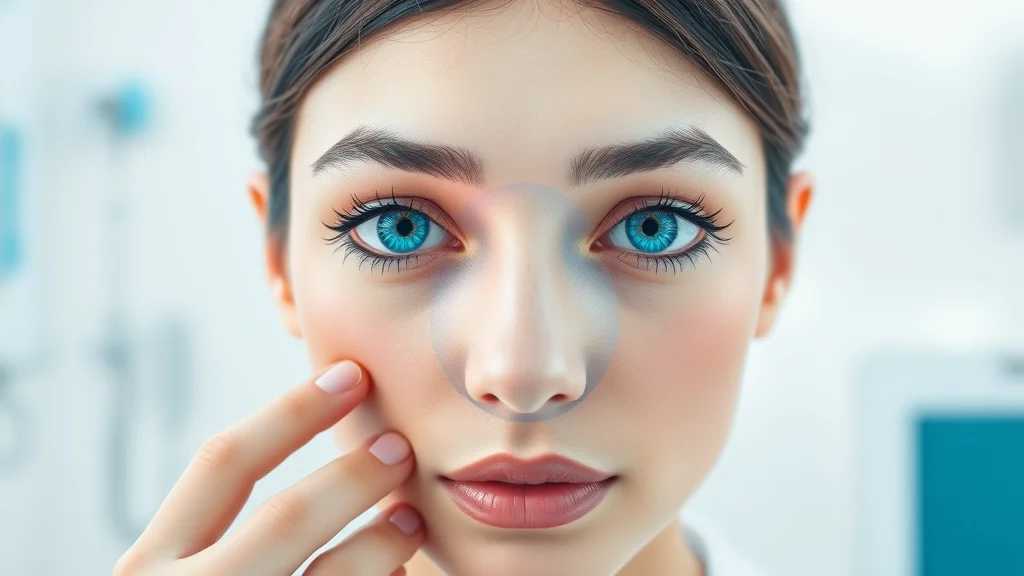
Mapping the Impact: Dry Eyes, High Blood Pressure, and Gestational Diabetes
Dry eyes aren’t the only culprit when discussing contact lens problems during pregnancy. Increased blood pressure and gestational diabetes, both more likely to occur during pregnancy, also put additional strain on the eyes. High blood pressure can constrict blood vessels and reduce blood flow to the retina, while gestational diabetes may change the eye's lens shape and disturb the clarity of your vision during pregnancy.
These coexisting conditions heighten your risk of fluctuating or blurry vision and may even lead to temporary vision loss if left unmonitored. They also put pregnant women at higher risk for secondary ocular issues, such as retinopathy or increased intraocular pressure. That’s why it’s essential for expectant mothers to share any new visual symptoms with their primary care provider or eye doctor and schedule a comprehensive eye exam as needed.
Comparison of Pregnancy Hormones and Eye Health: Symptoms, Prevalence, and Management
Pregnancy Factor |
Eye Symptom |
Prevalence |
Management |
|---|---|---|---|
Estrogen Surge |
Dry eye, blurry vision |
~34% |
Lubricating drops, lens breaks |
Progesterone Increase |
Lens intolerance, redness |
~29% |
Frequent blinking, swap to glasses |
Gestational Diabetes |
Fluctuating vision, edema |
~7-14% |
Blood sugar control, regular exams |
High Blood Pressure |
Blurred vision, retinal changes |
~5-10% |
BP management, close monitoring |
“Hormonal fluctuations can reduce tear production, making contact lens intolerance during pregnancy surprisingly common.” – Dr. Frances Lam, Optometrist
Symptoms and Red Flags: Recognizing Contact Lens Intolerance During Pregnancy
Recognizing the early signs of contact lens intolerance during pregnancy is vital to minimizing risks and discomfort. Symptoms often include dryness, redness, blurry vision, burning sensations, and, in severe cases, pain when inserting or wearing contact lenses. These warning signs typically resolve after pregnancy but should never be ignored, especially if they progress or suddenly worsen.
Early detection can swiftly prevent further eye irritation or the rare risk of infection. If symptoms persist, consider switching to glasses temporarily and consult your eye doctor for a professional assessment. Remember that avoiding protracted exposure to an uncomfortable lens is a key aspect of proactive eye care during pregnancy.
Blurry Vision, Discomfort, and Other Warning Signs
The most common symptoms signaling contact lens intolerance during pregnancy include persistent blurry vision, sudden discomfort, excessive dryness, itching, and the sensation of a foreign object in your eye. These may develop gradually or begin abruptly, and often fluctuate depending on time of day, hormone surges, or levels of fatigue and hydration.
One red flag to watch for is any vision change accompanied by headaches, eye pain, or visible swelling, as these could indicate more serious conditions such as high blood pressure or gestational diabetes affecting ocular health. Recording your symptoms in a daily journal can help you and your doctor identify patterns and determine the best interventions to restore comfort during lens wear.
When to Seek Help: Eye Exam Recommendations
If you notice ongoing dryness, stinging, or changes in vision during pregnancy, it's best to schedule a comprehensive eye exam promptly. An eye exam will reveal if your symptoms relate to pregnancy hormone changes or a more serious eye health issue. Since blood pressure and glucose levels can directly impact your eyes, your vision care should be closely coordinated with your OB-GYN or general practitioner.
As a rule of thumb, if you experience pain, sudden loss of vision, or see flashes/floaters, seek immediate medical advice. Regular eye exams during pregnancy are not only safe but recommended, especially for those with a history of gestational diabetes or hypertension. An eye doctor may suggest temporarily switching from contacts to glasses, or recommend pregnancy-safe eye drops to restore comfort and clarity.
Dryness: Irritated, scratchy sensation especially late in the day
Redness: Lingering redness with or without lenses
Burning: Noticeable upon inserting or wearing contacts
Blurry Vision: Inconsistent clarity, especially with lens wear
Foreign Body Sensation: Feeling like something is in your eye
Pain or discomfort: Not relieved by removing and cleaning the lens
“If lenses cause pain, stop use and consult your eye doctor immediately.” – Dr. Michael Haynes, Ophthalmologist
Relief Strategies: Managing Contact Lens Intolerance During Pregnancy
While contact lens intolerance during pregnancy can be disruptive, several relief strategies and practical adjustments can bring quick comfort and help you maintain healthy vision. A combination of safe lubricating drops, proper lens care, and environmental modifications will often resolve the most bothersome symptoms. For ongoing cases, an eye doctor can suggest tailored solutions so you never feel forced to compromise your day-to-day routine.
It’s important to avoid self-medicating with over-the-counter products before confirming that they’re pregnancy-safe. Stay in close communication with your health team and consider eye-friendly lifestyle choices—these will keep your eyes feeling fresh and your vision sharp, regardless of where you are in your pregnancy.
Safe Eye Drops and Lubricants for Dry Eye Relief
The safest first step for treating dry eye is using preservative-free, pregnancy-approved eye drops. Hydrating drops add moisture to the eye surface, decreasing friction and soothing symptoms that can arise from contact lens wear. Non-medicated lubricants are usually considered safe for use in pregnant patients, but always consult your healthcare provider or eye doctor before starting any new treatment.
For severe dry eyes, some women find humidifiers or warm compresses around the eyes provide additional relief. In cases where over-the-counter drops aren’t effective, your eye doctor may recommend switching to daily disposable lenses, which often reduce the risk of irritation due to their clean, single-use surface.

Lifestyle Adjustments: Screen Time, Humidity, and Proper Lens Care
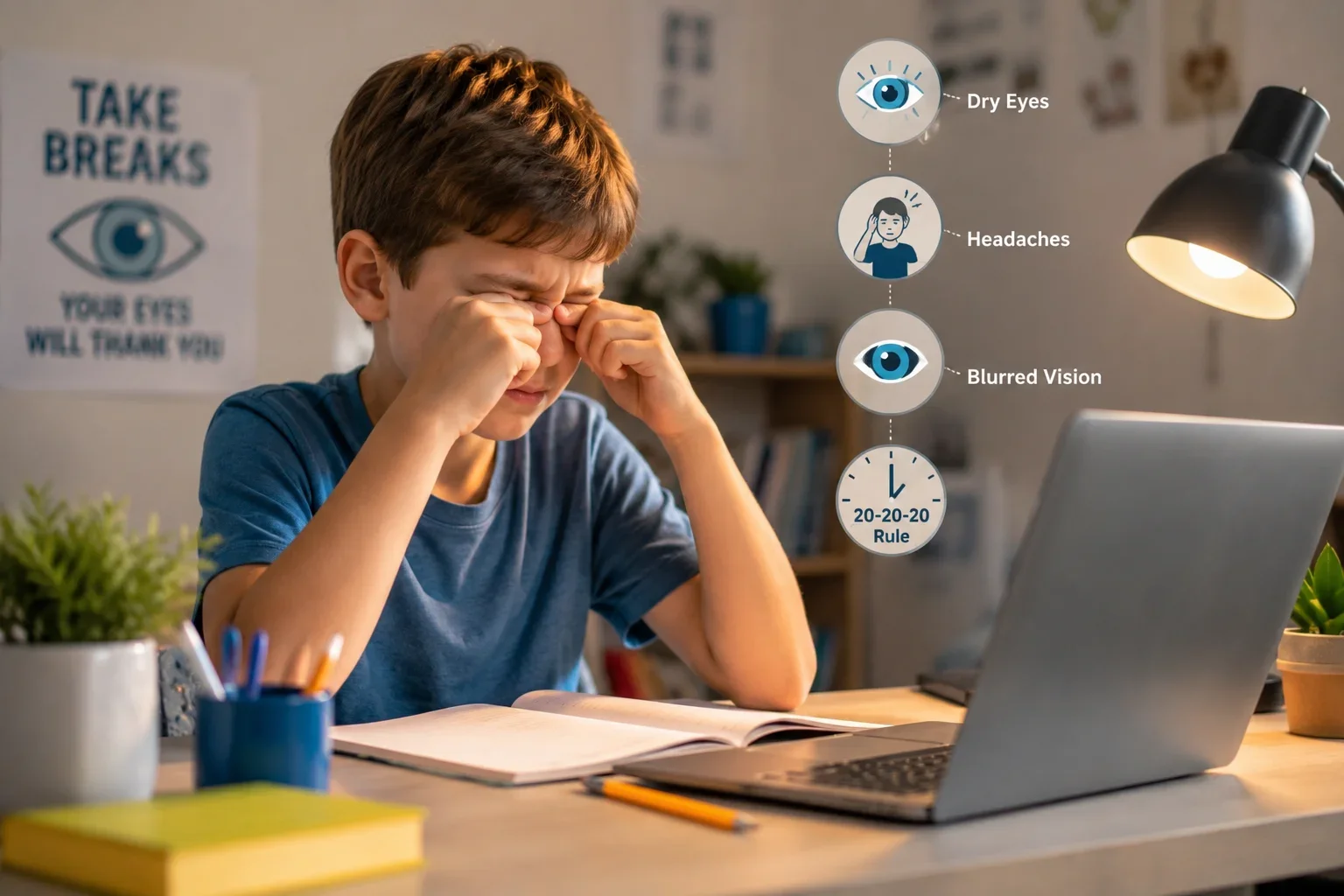
Small lifestyle changes can make a big difference for contact lens wearers during pregnancy. Limit screen time where possible to prevent digital eye strain and give your eyes frequent breaks. Introducing a humidifier to your workspace or bedroom will help maintain optimal moisture levels and reduce the likelihood of dry eye.
Diligent contact lens hygiene is vital: Always clean and store lenses as directed, replace your lens case regularly, and never “top off” old cleaning solution. Pregnant patients often benefit from switching to glasses for part of the day to relieve lens-induced stress. Good nutrition, ample hydration, and proper sleep further contribute to eye comfort and reduce temporary vision symptoms.
Follow the 20-20-20 rule: Every 20 minutes, gaze at something 20 feet away for 20 seconds
Increase room humidity: Use a humidifier near your workspace and bed
Hydration: Drink plenty of water to support overall eye health
Hygiene: Wash hands before handling contacts, use fresh solution daily
Alternate with glasses: Give your eyes regular contact-free recovery breaks
Regular eye exams: Monitor changes with your trusted eye care provider

Consulting Your Eye Doctor: Eye Exams and Personalized Recommendations
Working closely with your eye doctor is the surest way to ensure safe and effective management of evolving symptoms. Comprehensive eye exams are recommended for all pregnant patients who experience visual changes, and your clinician will offer custom guidance based on medical history, lens wear habits, and associated health conditions such as gestational diabetes or high blood pressure. These visits are crucial for preserving vision during and after pregnancy.
Importantly, contact lens intolerance during pregnancy is usually a temporary issue—many women return to their normal lens routine after delivery, once hormone levels and eye structure return to baseline. Knowing that relief is in sight—and that solutions are available—can greatly ease anxieties and help you make the best choices for your well-being.
“Temporary intolerance doesn’t always mean you must stop wearing contact lenses—it’s usually manageable with the right steps.” – Dr. Eli Zhang, Physician & Vision Researcher
People Also Ask
Why are my eyes so sensitive during pregnancy?
Increased hormone levels during pregnancy often affect tear production, leading to symptoms like dryness and eye sensitivity. These changes can make wearing contact lenses uncomfortable.
Can pregnancy affect contact lenses?
Yes. Pregnancy can change the shape and moisture content of the eye, making contact lens intolerance during pregnancy more common due to dry eyes and altered vision.
What does contact lens intolerance feel like?
Contact lens intolerance during pregnancy may present as dryness, stinging, burning, blurred vision, or a sensation of something in the eye when using contacts.
What are 5 warning signs of a possible problem during early pregnancy?
Warning signs include severe or sudden vision changes, persistent headaches, high blood pressure, eye pain, and excessive swelling—seek medical advice immediately if these arise.

Contact Lens Intolerance During Pregnancy FAQs
Is it safe to use eye drops while pregnant? Most preservative-free lubricating drops are considered safe, but always confirm with your eye doctor before use during pregnancy.
Should I stop wearing contact lenses completely? Not usually. Many experts recommend alternating with glasses and following specialized care steps to minimize discomfort.
Can vision changes during pregnancy be permanent? Most pregnancy-related changes are temporary, returning to normal after delivery. However, consistent monitoring ensures there’s no lasting effect.
When should I see an eye doctor about pregnancy-related eye issues? If you develop pain, blurred vision, or any rapid or persistent change in eyesight, schedule a comprehensive eye exam promptly for professional advice.
“Every pregnancy is unique—make sure to inform your medical team about any new eye symptoms.” – Dr. Sophia Warner, Maternal Health Expert
Case Study: A Real Story of Contact Lens Intolerance During Pregnancy
Personal Experience and Clinical Outcomes
Anna Rivera, a lifelong contact lens wearer, began experiencing severe dry eye and blurry vision halfway through her second trimester. Concerned, she scheduled a comprehensive eye exam and learned that her symptoms were likely linked to hormonal shifts, not a lasting eye condition. Under her optometrist’s guidance, she switched to glasses for a few weeks, used pregnancy-safe lubricants, and made simple changes to her routine.
Anna’s proactive approach lead to dramatic improvement in her comfort and vision. Once her baby arrived and her hormone levels returned to normal, she was able to resume wearing contacts without discomfort. Her story not only shows that contact lens intolerance during pregnancy is both common and manageable, but that the right guidance and treatment plan can restore quality of life even during major physical changes.

Symptoms, Interventions, and Results: One Mother’s Journey to Relief
Symptom |
Intervention |
Outcome |
|---|---|---|
Dry eye, blurry vision |
Glasses, pregnancy-safe drops, increased humidity |
Improved eye comfort, vision clarity restored postpartum |
“Finding the right treatment plan was life-changing for me and restored my quality of life.” – Anna Rivera, Patient Advocate
Summary Table: What to Know About Contact Lens Intolerance During Pregnancy
Quick Reference: Causes, Symptoms, Management, Professional Advice
Cause |
Common Symptoms |
Management |
Professional Advice |
|---|---|---|---|
Hormonal Changes |
Dry eyes, lens intolerance |
Lubricating drops, lifestyle changes |
Eye doctor, pregnancy-safe products |
Gestational Diabetes |
Blurry/fluctuating vision |
Glucose management, regular exams |
Monitor blood sugar, consult OB-GYN |
High Blood Pressure |
Blurred vision, discomfort |
BP management, frequent monitoring |
Ophthalmology referrals as needed |
Contact Lens Care |
Redness, foreign-body sensation |
Strict hygiene, alternate with glasses |
Temporary lens break if symptoms persist |

Conclusion: Navigating Contact Lens Intolerance During Pregnancy with Confidence
Key Takeaways for Expectant Mothers Experiencing Contact Lens Intolerance
Most cases of contact lens intolerance during pregnancy are temporary. Paying close attention to symptoms, staying in touch with your eye care team, adopting safe relief strategies, and making small daily adjustments can restore comfort and peace of mind until things return to normal postpartum.
As you continue your journey toward a healthier, more comfortable pregnancy, remember that small, mindful choices can have a big impact on your overall well-being. If you’re interested in holistic approaches that support your body’s changing needs, you might find it valuable to learn about the best and worst spices for senior health—many of these insights apply to anyone seeking natural ways to reduce inflammation and boost vitality.
Discover how simple dietary tweaks can complement your eye care and enhance your daily routine by exploring holistic spice solutions for better health. Your wellness journey is just beginning—empower yourself with knowledge and make every step count.
Stay curious and informed—discover more trusted information like this at: NCWellnessHub.com
Sources
American Academy of Ophthalmology – https://www.aao.org/eye-health/diseases/pregnancy-eye-conditions
All About Vision – https://www.allaboutvision.com/conditions/pregnancy-vision.htm
Medical News Today – https://www.medicalnewstoday.com/articles/effect-of-pregnancy-on-vision
During pregnancy, many women experience changes in their vision and eye comfort due to hormonal fluctuations. These changes can lead to contact lens intolerance, making it essential to understand the underlying causes and management strategies.
One significant factor is the increase in corneal curvature during the second and third trimesters, which can affect how contact lenses fit and feel. A study titled “The effect of pregnancy on corneal curvature” found that 25% of pregnant women developed contact lens intolerance during this period, with corneal curvature returning to normal postpartum.
Additionally, hormonal changes can lead to dry eyes, further contributing to discomfort. The article “Pregnancy and how it may affect your eyes” notes that up to 30% of pregnant women report contact lens intolerance, often due to decreased tear production.
Understanding these physiological changes can help expectant mothers manage contact lens discomfort effectively. If you’re experiencing such issues, these resources provide valuable insights into the causes and potential solutions.
Your path to better wellness continues—browse additional topics at: NCWellnessHub.com




Write A Comment