


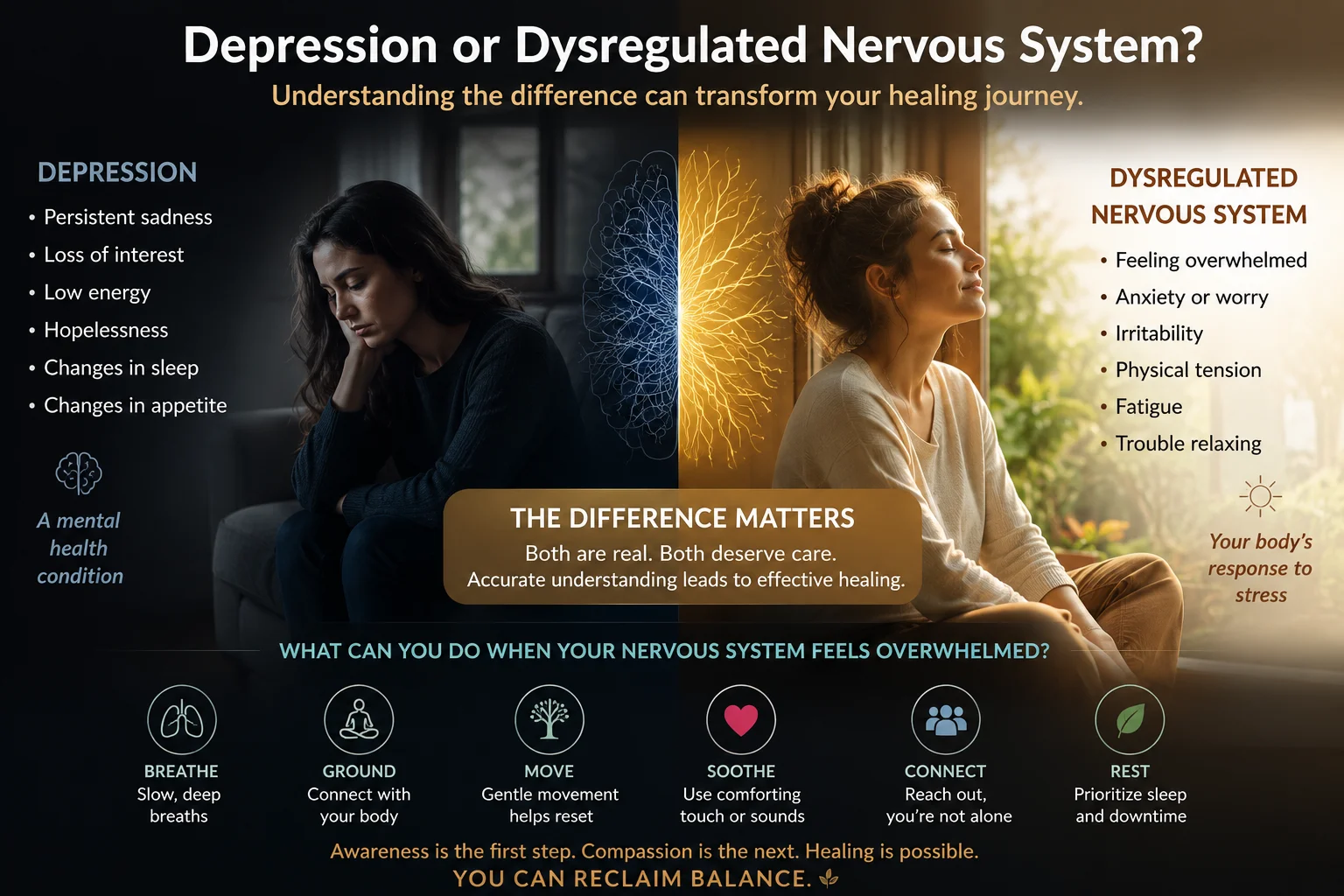
Ever wonder if your low mood stems from depression or a dysregulated nervous system? Understanding this difference can transform your healing journey and help you reclaim balance. So, what can you do when your nervous system feels overwhelmed?
Let’s explore the answers together. In this guide, you’ll learn the practical steps, recognize crucial symptoms, and discover supportive strategies for regaining well-being—rooted not only in mental health, but also in the regulation of your body and mind.
Ever Wonder If Your Low Mood Is Depression or Nervous System Dysregulation?
Many people experience periods of low mood and find themselves questioning whether it’s depression or something driven by their nervous system. The overlap in symptoms is real: fatigue, trouble focusing, aches, and general disinterest in things that once brought joy. Yet, beneath these feelings, your body’s internal systems—especially the autonomic nervous system—may be sounding an alarm.
When the sympathetic nervous system is stuck on “high alert” or your body cycles through stress responses without relief, you may endure chronic exhaustion, irritability, and even sensations like shortness of breath. Recognizing nervous system dysregulation as a possible root cause can help you choose healing approaches that go beyond traditional mental health treatment, fostering a better connection between mind and body.
The key is knowing what to look for and listening closely to both emotional and physical signals. We live in demanding times, and sometimes our systems need support to exit survival mode so we can truly recover. Below, we’ll break down exactly how to tell the difference between clinical depression and nervous system low mood, what to do, and how to find practical relief—starting today.

How Understanding Nervous System Low Mood Can Transform Recovery
Understanding the role of the nervous system in low mood is a game-changer. When you realize that your persistent feelings of sadness or exhaustion may actually result from a dysregulated nervous system—not just depression—you gain more options for support. Rather than relying only on talk therapy or medication, you might integrate grounding exercises, breathing practices, or gentle movement into your routine.
Approaches like these target the source of your distress at the body’s level, helping you exit high alert and begin true recovery. Recognizing this connection often empowers people to find ways to heal that are tailored, comprehensive, and sustainable.
Interestingly, the connection between your nervous system and overall well-being is also influenced by the health of your gut. If you’re curious about how nutrition and digestive health can play a role in regulating mood and supporting nervous system balance, you may find it helpful to explore how a healthy gut can heal your body and mind for additional insights.
What Causes Low Mood: The Importance of Identifying Nervous System Involvement
Rooting out the origins of low mood requires more than noting sadness or irritability—it demands a holistic review of physical symptoms, sleep, appetite, and energy levels. System dysregulation may show up as chronic muscle tension, rapid heart rate, or digestive trouble that persists even as your mood fluctuates.
The sympathetic nervous system can be kicked into overdrive by chronic stress, disrupting the natural “rest and digest” balance that keeps humans calm and adaptive. Identifying nervous system involvement paves the way for targeted strategies instead of one-size-fits-all solutions, which is invaluable for long-term mental health and resilience.
What You'll Learn About Nervous System, Low Mood, and Recovery
How to tell if your low mood is rooted in depression or a dysregulated nervous system
Key physical symptoms of nervous system dysregulation
The connection between survival mode and mental health
Practical steps for nervous system low mood—what to do
Answers to common questions about mood and well-being
Understanding Low Mood: Is It Always Depression or Is Your Nervous System Dysregulated?

Distinguishing Between Low Mood and Nervous System Dysregulation
The terms “depression” and “nervous system dysregulation” are sometimes used interchangeably, but they describe different phenomena. Depression involves a persistent low or flat mood, loss of pleasure, and often drastic changes in sleep or appetite. Nervous system dysregulation, meanwhile, centers on your body and mind reacting as if under continual stress—showing up as irritability, exhaustion, or nervous energy, even when there’s no clear “reason” for these feelings.
Both conditions can lead to low mood, but distinguishing between them is essential so that interventions can target the true cause, whether that be emotional, physical, or both. Identifying your unique pattern helps you to make decisions about health treatment that are tailored to your real needs.
It’s also possible to experience both at once. The autonomic nervous system may spiral into a fight or flight state after trauma or extended periods of stress, even in absence of diagnosable depression. Learning to tell the difference—by consulting with a mental health care provider or examining your symptoms thoughtfully—is a step toward meaningful, lasting change.
Flight Response and Survival Mode in the Nervous System
When you’re overwhelmed, your body can enter what is often described as “survival mode”. During this state, the sympathetic nervous system takes charge, priming you for a flight response—or, alternatively, “fight” or “freeze. ” Physically, this looks like increased heart rate, tense muscles, shallow breathing, and difficulty concentrating. Even after the initial stress passes, a dysregulated nervous system might hang onto this high-alert state.
Persistent survival mode makes it difficult to relax, sleep, or even enjoy simple pleasures—trapping you in a cycle of low mood and physical symptoms. Understanding the science behind these feelings can motivate you to take steps that specifically calm the body, helping it leave survival mode and return to equilibrium.
Recognizing The Signs: Physical Symptoms of Nervous System Dysregulation

Common Physical Symptoms of Nervous System Dysregulation to Watch For
Your nervous system speaks as much through the body as through mood. Watch for these physical symptoms—especially if emotional distress is accompanied by unexplained aches, changing heart rate, or persistent fatigue:
Shortness of breath
Chronic fatigue
Muscle tension
Digestive issues
Heart palpitations
These signs often arise when the sympathetic nervous system is stuck “on,” stimulating stress hormones that keep your body vigilant, tight, and prone to exhaustion. If your symptoms improve or worsen with stress, this suggests a strong role for system dysregulation—a clue to shift your recovery plan towards body-based strategies like deep breathing or simple exercise.
Why Low Mood Can be Linked to Nervous System Imbalances
Low mood doesn’t always mean depression. Sometimes, the body’s struggle with nervous system dysregulation causes persistent sadness, irritability, or even grumpiness. When the parasympathetic nervous system—responsible for “rest and digest”—is underactive, the body may fail to fully calm itself after stress, leading to ongoing exhaustion.
Over time, unresolved stress responses exhaust both body and mind, making mood lows worse and recovery more difficult. That’s why addressing nervous system low mood needs a comprehensive approach—not just thinking positive, but actually supporting your system’s capacity to find calm again.
How the Dysregulated Nervous System Impacts Mental Health
Survival Mode: The Nervous System’s Fight, Flight, or Freeze Response
Survival mode is the body’s instinctive response to stress. The sympathetic nervous system triggers adrenaline and cortisol, preparing you for real or imagined threats. This response is healthy in the short term, but when it persists, it affects every part of your well-being: mood, concentration, sleep, and physical health. In some, this ongoing alert state is so subtle that it masquerades as mere irritability or a bad mood, yet it steadily drains emotional resources, upending your ability to relax, connect, or even make decisions.
When your dysregulated nervous system gets “stuck” in overdrive, daily worries are amplified. You may notice mild anxiety, a sense of being overwhelmed, or simply a lack of joy in activities you used to enjoy. Recognizing survival mode is the first step toward breaking free from its grip—and finding personalized strategies for recovery.
System Dysregulation and Persistent Low Mood: A Vicious Cycle
Once your nervous system is dysregulated, it can become locked in a self-perpetuating cycle: stress worsens low mood, which makes stress responses more intense, which in turn deepens mood lows. Your body’s signals become subtle warning bells that, if left unaddressed, can lead to chronic tension, poor sleep, and even greater struggles with mental health.
Knowing how this cycle operates equips you to intervene early—through grounding methods, breathwork, or supportive habits. Remember, your path to feeling better may begin not only with therapy, but also with gentle support for your body’s own systems and stress responses.
"Understanding the difference between clinical depression and a dysregulated nervous system is crucial for targeted and effective healing approaches."
Root Causes: Why Does Your Nervous System Get Dysregulated?

Common Triggers for Nervous System Dysregulation
Chronic stress
Past trauma or adverse childhood experiences
Poor sleep habits
Physical health issues
Nutritional imbalances
Factors like chronic stress or unresolved trauma can lock the autonomic nervous system into unhealthy patterns. Disrupted sleep—whether due to work, lifestyle, or insomnia—prevents the body from fully resetting, while poor nutrition or physical health struggles magnify imbalance. Recognizing and addressing these triggers is foundational for anyone seeking to understand nervous system low mood and what to do next.
Genetics, Environment, and Lifestyle: The Interplay Behind Nervous System Low Mood
Your background, environment, and daily habits all contribute to the way your nervous system responds to stress. A family history of anxiety or depression can make some individuals more sensitive to system dysregulation. Meanwhile, a nurturing environment supports resilience—but ongoing pressures, lack of social connection, or negative experiences can strain even the most balanced system.
Healthy adjustments—such as optimizing sleep, eating nourishing foods, building supportive relationships, and finding ways to unwind—are all critical for both the mind and body in recovery.
Nervous System Low Mood: What To Do For Immediate Relief
Grounding Techniques to Calm a Dysregulated Nervous System
Practice deep, slow breathing to address shortness of breath
Progressive muscle relaxation
Mindful observation of your physical symptoms
Use of comfortable, calming environments
Visualization and sensory-based calming techniques

Grounding is about anchoring your mind in the present moment and letting your body exit high alert. Slow, mindful breathing signals the parasympathetic nervous system to restore calm, slowing your heart rate and easing tense muscles. Progressive muscle relaxation—a simple exercise involving tightening and releasing different groups of muscles—can quickly interrupt stress spirals.
Mindful attention to your symptoms (not fighting them, but witnessing them with curiosity) also helps break the cycle. Surround yourself with soft textures, gentle light, and quiet sounds to reinforce the message of safety. Small sensory rituals—the warmth of a mug, the softness of a blanket—encourage your rest and digest system to reengage and your mood to gently lift.
Simple Lifestyle Adjustments to Support Nervous System Wellbeing
Strategic changes in daily habits can rapidly benefit your nervous system. Building in brief movement breaks, eating at regular intervals, and keeping a consistent bedtime all help the brain and body remember that safety is available. Even a deep breath before meals or after a challenging interaction tells your system it’s time to shift gears.
Try an audio guide for meditation or guided breathwork for extra support, or walk in nature for a regular dose of restorative calm. These small shifts can make a substantial difference when nervous system low mood strikes and you’re wondering what to do.
Long-Term Strategies for Overcoming System Dysregulation and Low Mood

Therapeutic Approaches: From Somatic Practices to CBT
Addressing persistent nervous system low mood usually calls for a comprehensive plan combining both psychological and body-centered therapies. Approaches such as somatic experiencing, gentle yoga, or body scan meditations encourage your system to regularly leave survival mode.
Cognitive behavioral therapy (CBT) also remains powerful—helping address unhelpful thinking patterns while the body is learning new ways to process stress. Professional guidance from a mental health provider familiar with nervous system dysregulation can be especially valuable, providing strategies that address both mind and body.
Combining these approaches increases resilience and reduces the chance of falling back into old stress cycles. Over time, your system learns to stay calm even when life gets challenging, creating space for joy and renewed motivation.
Building Daily Habits for a Resilient Nervous System
Regular physical activity
Mindfulness meditation
Consistent, restorative sleep
Healthy social connections
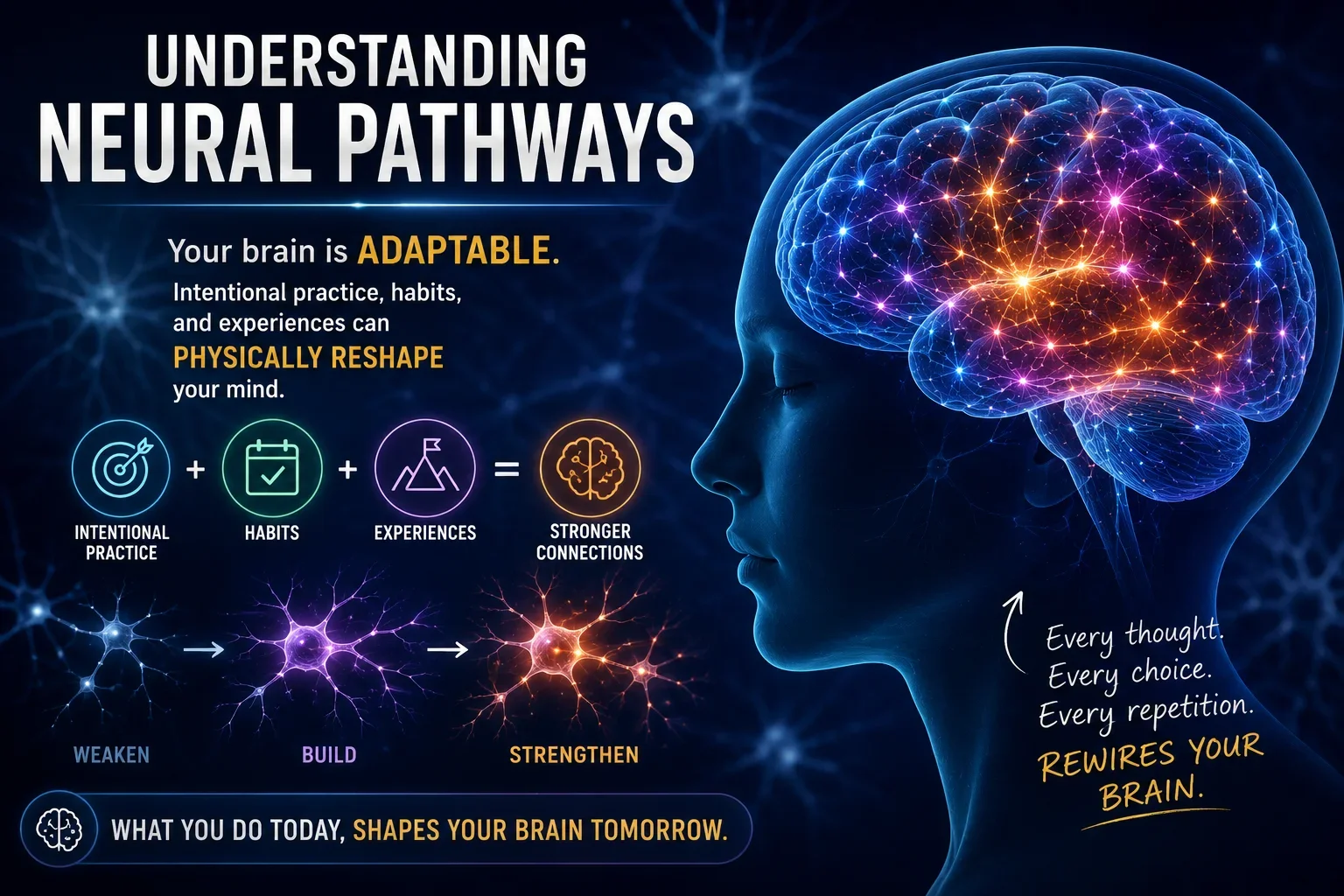
Think of recovery as a gradual shift rather than a race. Small, daily actions—physical movement, deep breathing, spending quality time with friends, or protecting your sleep schedule—send repeated signals to your autonomic nervous system that it can relax.
Over time, these habits wire your brain and body for greater ease, gently but powerfully reducing the “high alert” that underlies low mood and anxiety. Eventually, your mind and body work together in healing harmony, and the question of nervous system low mood what to do grows easier to answer each day.
How Nervous System Dysregulation Relates to Depression and Anxiety

The Overlap: Nervous System Dysregulation and Mental Health Disorders
The boundary between nervous system dysregulation and mental health disorders like depression and anxiety can be blurry. Both conditions may include low mood, exhaustion, irritability, or trouble concentrating. However, when basic self-care and body-based strategies lead to significant relief, it may indicate that your main challenge relates more to system dysregulation than depression alone. Importantly, it’s possible to have both occurring at once—which is why working with a qualified mental health provider is crucial for clarity.
Understanding this overlap helps people avoid unnecessary shame and empowers you to seek varied types of care, from therapy or support groups to breathwork or yoga. Self-compassion is essential here: you’re not failing if standard interventions don’t provide relief right away. You may simply need to find ways of support that are better matched to your unique experience.
When to Seek Professional Help for Persistent Low Mood
While self-guided recovery is valuable, sometimes symptoms linger or worsen. It’s wise to seek professional support if:
Your low mood lasts more than two weeks without improvement
You experience thoughts of self-harm, severe hopelessness, or daily struggle to function
Physical symptoms like shortness of breath or heart palpitations become overwhelming
Efforts at self-regulation and lifestyle change aren’t enough
If in doubt, speak to a care provider or use a helpline number. There’s strength in reaching out for support, and guidance from a medical or mental health professional ensures you’re not navigating recovery alone.
"There’s no shame in asking for support. Mental health and the nervous system are deeply connected, and understanding both is powerful."
People Also Ask: Your Nervous System Low Mood Questions Answered
How to boost mood when feeling down?
Answer
Begin by giving yourself permission to pause. Take a few deep breaths, noticing their sensations in your belly and chest. Step out into fresh air or sunlight, even for a few minutes. Gentle movement—like a walk or stretching—can increase energy and prompt a shift in mood. For more persistent low mood, try a simple exercise in gratitude, write down three small things you appreciate, or listen to soothing music or an audio guide. These quick practices directly engage both your body and mind and remind your system that better feelings are within reach.
How to treat nervous system depression?
Answer
Treating nervous system depression involves a mix of mental health strategies and physical interventions. Regular use of grounding techniques (like breathwork and mindfulness), improving your sleep, and seeking supportive community can all help regulate the autonomic nervous system. For some, therapy (such as CBT or somatic therapy) is a vital addition. If symptoms do not improve with lifestyle change, consult a qualified mental health professional for guidance and, if needed, more intensive treatments.
How to snap out of a bad mood?
Answer
In the moment, shift your environment: change your scenery, splash cold water on your face, or step outside. Try a deep breathing exercise—inhale for a slow count of four, hold, and exhale for six. Small physical shifts often lead to mental ones. Additionally, distract your mind with a pleasant activity, or connect with a friend for a quick, supportive chat. Remember, “snapping out” isn’t always immediate, but these habits help your nervous system begin to reset, inviting your mind and body back to balance.
Why am I grumpy all the time?
Answer
Chronic grumpiness may signal that your nervous system is frequently in “high alert” or survival mode due to stress, lack of rest, or unresolved worries. Try reviewing your sleep routine, nutrition, and physical symptoms. If you notice other signs—muscle tension, digestive issues, frequent irritability—your dysregulated nervous system might be to blame. Gentle grounding strategies, occasional “tech breaks,” and regular times for relaxation can help, but if you remain persistently grumpy, consult with a mental health professional for more tailored help.

Comparing Depression and Dysregulated Nervous System: A Side-by-Side Table
Aspect |
Depression |
Dysregulated Nervous System |
|---|---|---|
Onset |
Persistent, unexplained sadness |
Triggered by environmental or physical stressors |
Physical Symptoms |
Sleep changes, appetite issues |
Shortness of breath, muscle tension |
Mood |
Generally low or flat |
Fluctuates with stress states |
Interventions |
Therapy, medication |
Grounding, breathwork, stress reduction |
FAQs: Nervous System Low Mood—What to Do and Where to Go Next
What’s the first step if I suspect nervous system dysregulation?
Pause and become aware of both your mood and physical state. Try a grounding or deep breathing exercise, noting changes. Begin tracking symptoms and reach out for professional advice if you remain uncertain or distressed. Early awareness supports more effective recovery.
What signs mean it’s time to seek professional support?
If low mood persists for weeks, is accompanied by severe fatigue, changes in appetite, thoughts of self-harm, or overwhelming physical symptoms, consult a mental health care provider. Severe or escalating symptoms warrant prompt professional attention.
Are there quick self-tests to identify nervous system involvement?
No diagnostic tool replaces a medical assessment, but paying attention to how symptoms change with stress, rest, or breathing techniques can provide insight. Tools like checking your heart rate or rating symptoms (before and after grounding exercises) help you learn how closely mood and body are linked.
How long does it take to regulate a dysregulated nervous system?
Everyone’s recovery timeline is unique, but many people see improvements within weeks of regularly practicing grounding, optimizing sleep, and maintaining supportive routines. Major changes or deep stressors may require longer, with professional support recommended when symptoms are persistent or severe.
Key Takeaways on Nervous System Low Mood and Recovery
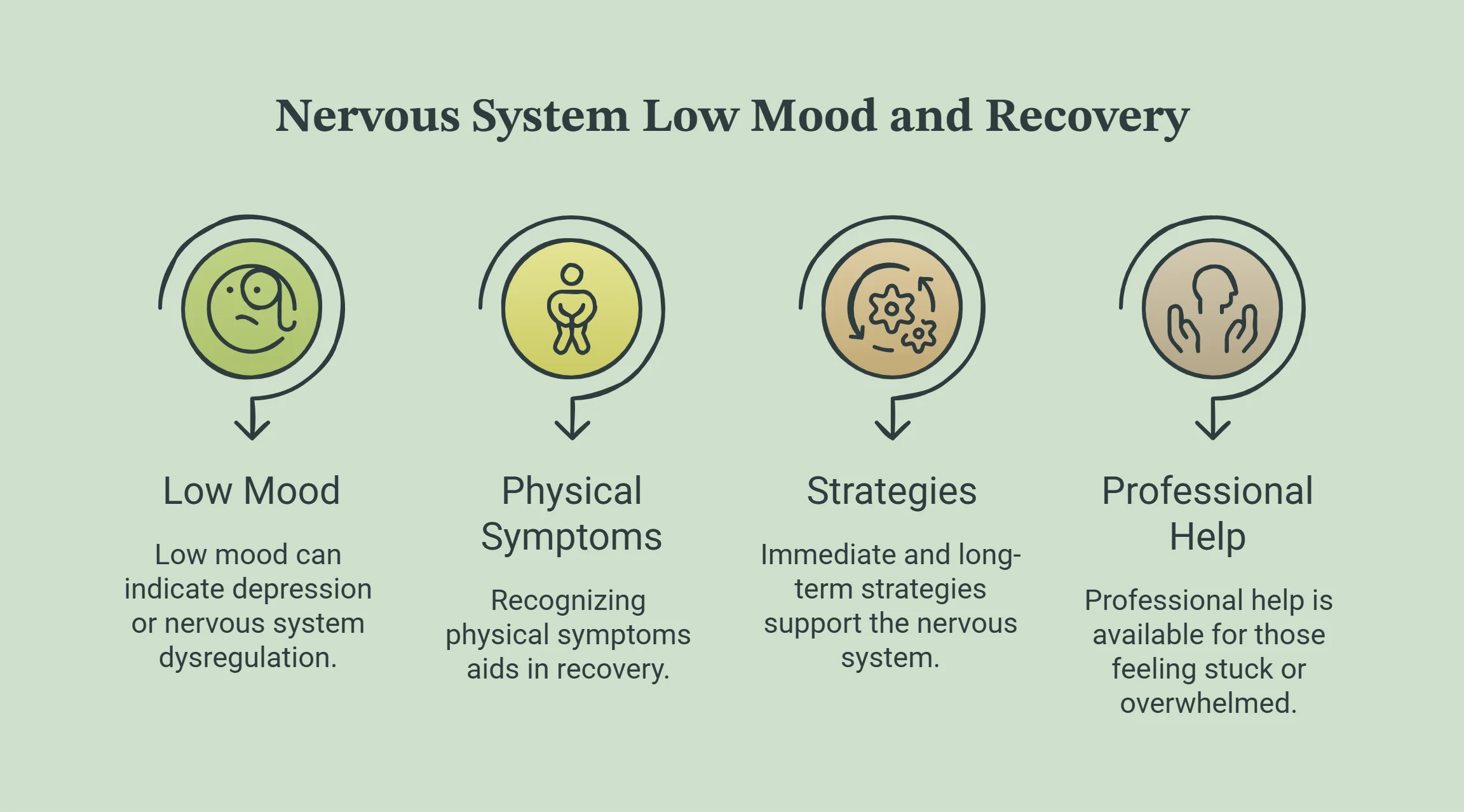
Low mood can be a sign of both depression and nervous system dysregulation.
Recognizing physical symptoms helps target your recovery approach.
Immediate and long-term strategies are available for nervous system support.
Professional help is available whenever you feel stuck or overwhelmed.
Take the Next Step Toward Nervous System and Mental Health Wellbeing
For more trusted advice on supporting your nervous system and overcoming low mood, discover more at: NCWellnessHub.com
If you’re ready to deepen your understanding of holistic health and how interconnected systems influence your mood and resilience, consider exploring the broader landscape of health policy and its impact on mental wellness.
By learning about upcoming health policy challenges in North Carolina, you’ll gain valuable perspective on the resources, support, and systemic changes that shape your journey to well-being.
Taking this next step can empower you to advocate for yourself and your community, ensuring that your path to recovery is supported not just individually, but collectively as well.
Sources
Healthline – https://www.healthline.com/health/depressed-nervous-system
MindBodyGreen – https://www.mindbodygreen.com/articles/nervous-system-dysregulation-symptoms-signs
NCBI – https://www.ncbi.nlm.nih.gov/pmc/articles/PMC6189708/
Understanding the distinction between depression and a dysregulated nervous system is crucial for effective healing. To further explore this topic, consider the following resources:
“Your Vagus Nerve May Be Key To Fighting Anxiety and Stress” (health.clevelandclinic.org)
This article explains how the vagus nerve influences your body’s stress response and offers techniques to stimulate it, promoting relaxation and emotional balance.
“Dysregulated Nervous System: What It Means and How to Regulate” (thriveworks.com)
This resource provides practical, science-backed methods to help regulate your nervous system, including self-care strategies and routines to enhance emotional well-being.
If you’re seeking to understand and address low mood related to nervous system dysregulation, these resources offer valuable insights and actionable steps to guide your journey toward balance and well-being. NCWellnessHub.com



Write A Comment