

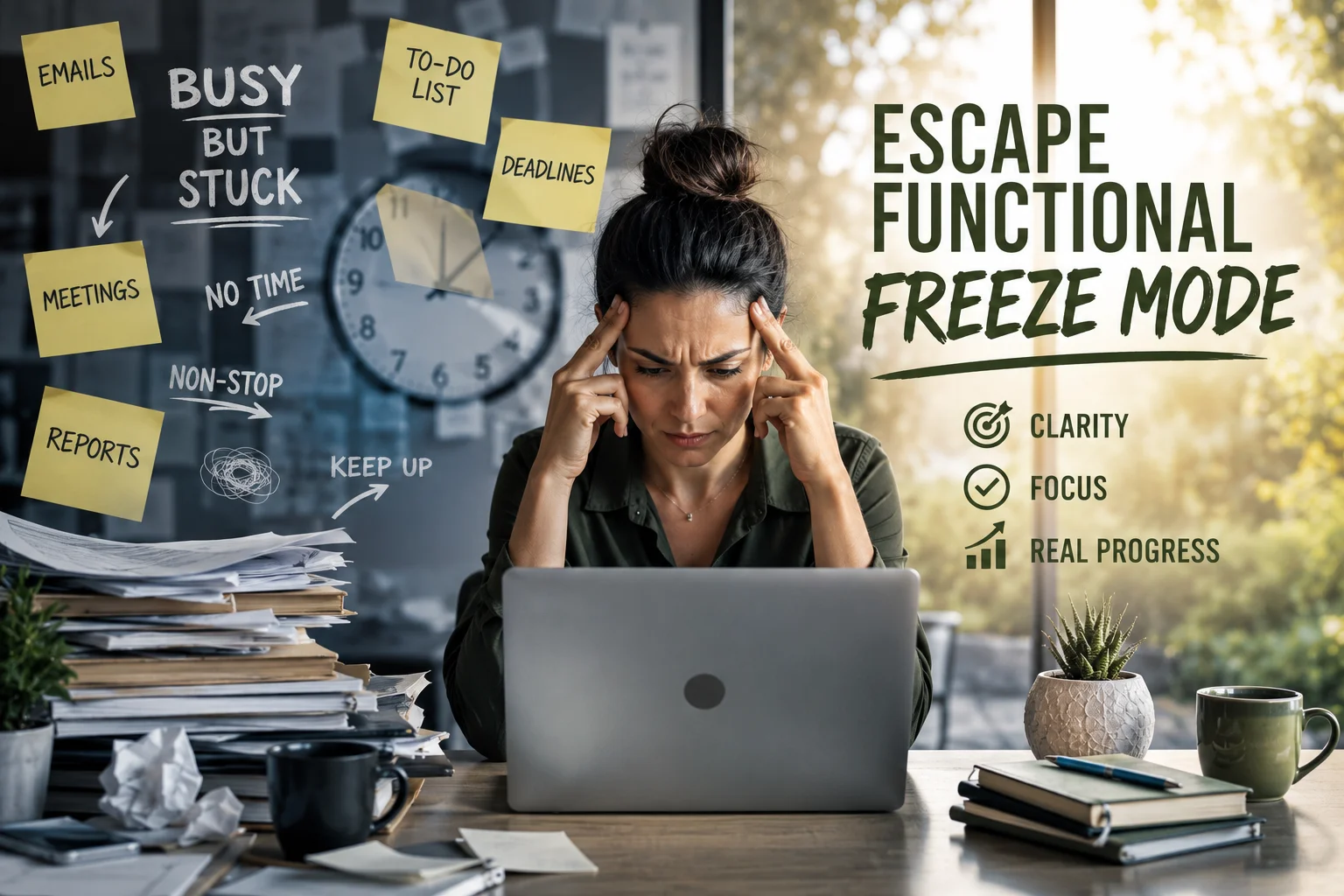
Ever wonder if your endless busyness is true productivity or just functional freeze mode in disguise? Learn to spot this hidden trap that keeps high-achievers stuck, and uncover strategies to reclaim focus and genuine progress in your work and life.
Understanding Functional Freeze Mode: The Hidden Barrier to True Productivity
High-achievers often pride themselves on tireless effort—crossing tasks off lists, filling calendars, and chasing the next milestone. But what if that relentless drive is masking a deeper challenge?
Functional freeze mode is a little-known state where, despite outward busyness, your mind and body subtly “freeze” due to ongoing stress, leaving you stuck in repetitive routines rather than genuine momentum. Unlike typical freeze responses, functional freeze blends action with hidden stagnation: you’re moving, but not actually moving forward in a meaningful way.
Recognizing the symptoms of functional freeze—such as feeling “blank” even during activity, emotional numbness, or lacking satisfaction from achievements—is essential for anyone caught in the high-achievement grind.
This article explores how chronic stress impacts the nervous system, the signs of functional freeze mode in daily routines, and how high-performers can break free to restore authentic productivity and mental health. Whether you’re struggling to feel joy despite success or find daily life feels robotic, you may be in functional freeze state—here’s how to spot it, recover, and thrive.

What You’ll Learn:
The concept of functional freeze mode and how it relates to freeze mode and freeze state.
The relationship between chronic stress, the nervous system, and the freeze response.
Common symptoms of functional freeze mode in daily life.
How high-achievers can unknowingly fall into a functional freeze state.
Strategies to break free and promote authentic productivity and mental health.
The Modern Dilemma: Are High-Achievers in Functional Freeze Mode or Being Productive?
"Sometimes relentless action is just a sign of a frozen mind in overdrive, not true accomplishment."

Today’s workplace culture celebrates nonstop output, but the line between healthy productivity and functional freeze mode has never been blurrier. High-achievers, accustomed to surviving with little rest, may not realize their “get-it-done” attitude is fueled by chronic stress and a nervous system stuck in survival.
If your daily life is all about checking tasks but you can’t recall the last time you felt satisfied or present, you could be mistaking functional freeze for progress. This subtle freeze state is insidious: from the outside, it looks like you’re thriving, but internally, you’re barely coping.
For many, life feels like a treadmill—endless motion yet little fulfillment. This isn’t simply burnout or stress; it’s a unique psychological trap where your body and mind “play along” with the demands of high responsibility by suppressing emotional response and authentic engagement.
The real danger: staying in functional freeze mode can disrupt mental health long-term, leading to anxiety, detachment, and even physical symptoms. Understanding the distinction between action and real achievement is critical if you want to stop feeling stuck and truly move forward in both work and personal well-being.
If you’re seeking actionable ways to break out of this cycle and recover from setbacks, you might find it helpful to explore science-backed strategies that support resilience and genuine progress. For practical tips and evidence-based methods, check out these proven approaches to bouncing back from setbacks.
The Science Behind Functional Freeze Mode
How the Nervous System Triggers the Functional Freeze State
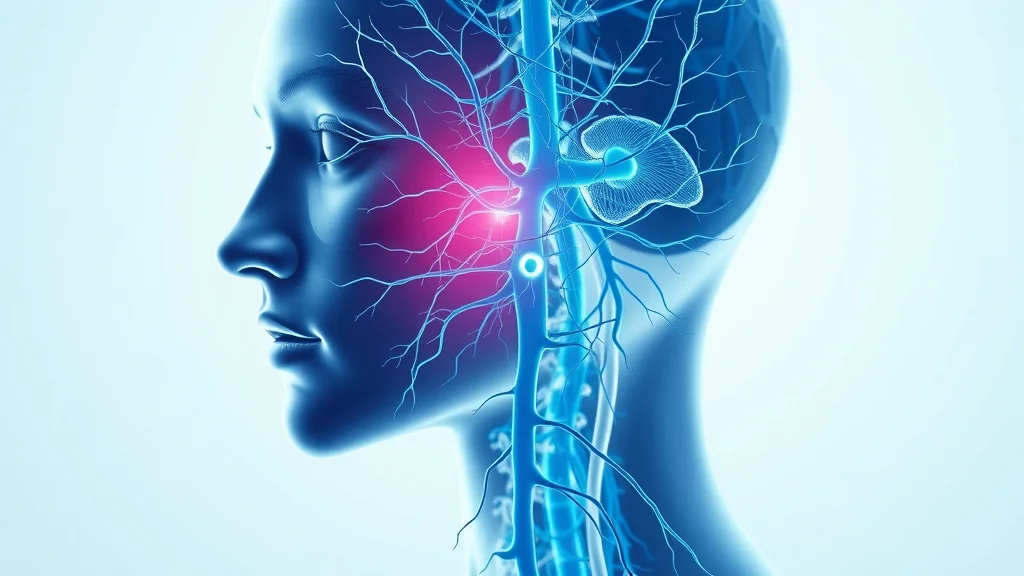
The nervous system is at the heart of the functional freeze mode puzzle. When exposed to chronic stress, our bodies are wired to toggle between “fight, flight, or freeze”—a built-in survival response. In a typical freeze state, you might feel momentarily paralyzed or unable to act. But in functional freeze mode, the system response is more covert: you remain outwardly busy, yet internally, your nervous system has disconnected from joy, presence, and creativity. This split allows you to keep up appearances but erodes true productivity and well-being.
Ongoing stress keeps the body in a near-permanent state of “threat awareness. ” This disrupts normal nervous system cycles, blunting emotional responses in order to cope. Over time, this creates a feedback loop—external activity but internal shutdown—where you can “do” tasks but struggle to fully engage or find meaning.
Understanding that prolonged stress changes your nervous system response underscores why awareness and gentle intervention are key to regaining balance. Addressing the root—nervous system dysregulation—moves you out of survival and back into authentic productivity.
Chronic Stress, Freeze Response, and Their Impact on Mental Health
Chronic stress is often the driving force behind functional freeze mode. When high levels of ongoing stress aren’t addressed, the freeze response turns from a short-term protective strategy into a long-term habit. This is problematic for mental health: it triggers emotional numbness, dampens motivation, and can manifest as anxiety, depression, or difficulty making decisions.
Unlike overt burnout, which is characterized by exhaustion and withdrawal, functional freeze involves “doing” without “feeling”—a state where you might keep meeting deadlines but feel detached and unsatisfied.

Left unchecked, this hidden freeze state reinforces a cycle where daily life feels mechanical and joyless. Even successes can feel hollow, as achievement fails to restore a sense of control or excitement. This emotional disconnect is not just a nuisance; it reflects real nervous system changes that can worsen mental health over time if not addressed. Recognizing the signs and seeking proactive strategies to support mind-body recovery can help restore both productivity and genuine well-being.
Spotting Symptoms of Functional Freeze in Daily Life
Knowing how functional freeze mode masquerades in daily routines is vital for high-achievers. While the survival response is protective, ongoing stress leads to behaviors that hinder authenticity and growth. The following list summarizes common symptoms you might notice if you or someone you know has slipped into a functional freeze state—pushing ahead but feeling disconnected at the core.
Lack of joy or satisfaction despite achievements: You complete tasks yet rarely feel fulfilled or happy about success.
Difficulty initiating or completing meaningful tasks: Starting important projects feels daunting, or finishing them leaves you flat.
Feeling constantly "stuck," restless, or anxious: Even with a full schedule, you sense you’re not progressing in life.
Emotional numbness or dissociation: Often, you feel disconnected from your thoughts, emotions, or surroundings.
It’s easy to miss these subtle signs, mistaking them for ordinary stress or work fatigue. But if such patterns persist, they reflect more than transient overwhelm—they’re hallmarks of a nervous system stuck in functional freeze mode. Awareness is the first step toward breaking the spell and moving toward recovery.
Functional Freeze Mode in Action: How It Manifests in High-Achievers
Functional Freeze Mode vs. True Productivity

At a glance, functional freeze mode and authentic productivity look similar—both are marked by action and output. However, their roots and outcomes diverge. A productive state is characterized by purposeful engagement, satisfaction, and tangible progress. In functional freeze, the activity is often automatic or forced, and achievements don’t register as wins. Internally, a nervous system on “autopilot” leads to fragmented task completion, joyless accomplishment, and growing fatigue.
The major distinction lies in emotional engagement: when fully productive, you feel present, motivated, and energized by your efforts. In contrast, functional freeze state is survival-driven: you’re keeping up with required fields and deadlines but lose touch with purpose, creativity, and joy. Recognizing this subtle impostor is crucial—otherwise, you risk spending years “busy” but unfulfilled, wondering why real satisfaction always seems out of reach.
Common Behaviors of Functional Freeze State
Functional freeze mode often comes with specific behavioral patterns. Some high-achievers may appear hyper-organized or relentlessly committed to routine, yet the effort feels forced or draining. Others develop rituals that provide a false sense of control: endless list-making, frequent checking of emails, or compulsive tidying.
These habits create an illusion of progress while delaying meaningful tasks or emotional self-inquiry. It’s not laziness or lack of effort—it’s the nervous system’s way of coping with stress by masking deeper discomfort.
Sometimes, these patterns become so ingrained that they seem “normal” for a high-pressure job or lifestyle. Take note if you frequently experience indecision, emotional numbness, or a sense that no accomplishment is ever “enough. ” These are not just signs of stress—they suggest you may be caught in a functional freeze state, needing gentle strategies to break free and reconnect to true self-motivation.
Case Study: A Day in the Life of Someone in Functional Freeze
Imagine starting your day ahead of schedule, responding to emails, organizing your calendar, and setting up meetings—on paper, you appear efficient and composed. Yet each activity feels forced, accompanied by a dull ache of anxiety and a persistent sense of being “stuck. ”
You tick off required fields and complete tasks, but deep down, it’s difficult or impossible to muster excitement or satisfaction. When a challenging project arises, you feel immobilized or unable to make decisions, defaulting to routine instead of problem-solving.
By day’s end, you’ve met every deadline yet feel depleted and detached—emotionally numb, with lingering self-doubt. Recharging through leisure feels out of reach; even downtime is filled with restless worry. This is the everyday reality for many high-performers who have slipped into functional freeze mode, mistaking obligation-driven action for genuine progress and fulfillment.
Expert Insight: The Role of the Nervous System in the Functional Freeze Response
"Functional freeze is a state where you’re unable to complete tasks or make decisions because of a mental or emotional block, and that you can feel “stuck and unable to move forward”. ~ Jerimya Fox, LPC and doctor of behavioral health with Banner Health
Distinguishing Between Stress, Freeze Response, and Burnout
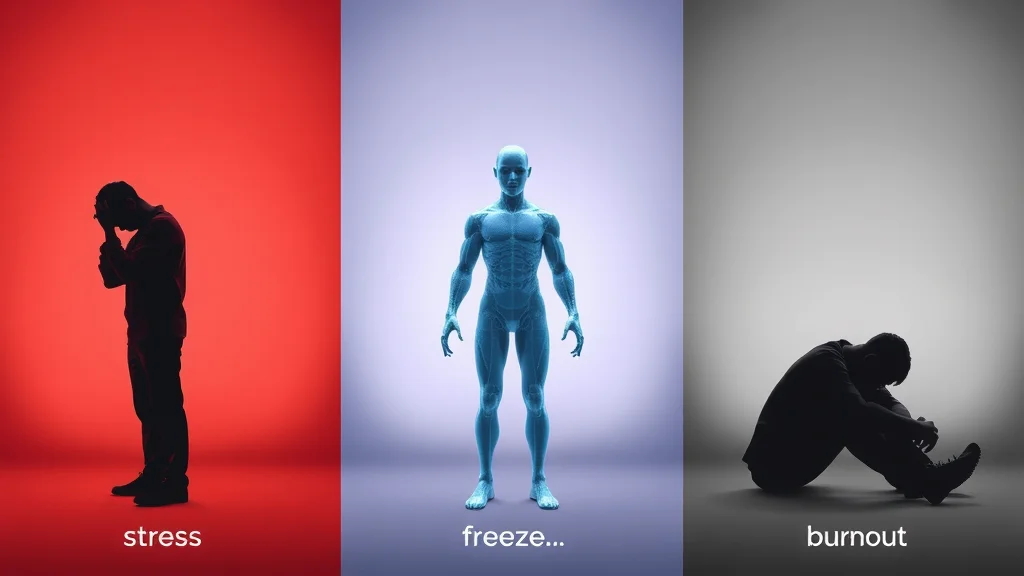
When deciphering the spectrum of stress-related reactions, it’s crucial to distinguish between standard stress response, freeze mode, and burnout. Classic stress heightens alertness—the body prepares for action, increasing energy and focus in response to demands.
The freeze response kicks in when the nervous system perceives threat or overwhelm, resulting in inaction, numbness, or emotional detachment. Burnout takes these processes further, leading to physical and mental exhaustion, reduced performance, and an inability to function even with simple tasks.
Functional freeze mode is unique: it sits between active stress and complete burnout. Outwardly, you’re engaged; inwardly, you’re stuck in survival, unable to access creativity or satisfaction.
Understanding which state you’re in can inform your recovery strategy. For example, chronic stress may require rest and resilience training, while freeze state recovery focuses on gentle movement, mindful re-engagement, and supportive interventions to “thaw” the nervous system and restore balanced function.
Breaking the Cycle: How to Move Beyond Functional Freeze Mode
Gentle Movement and Mindful Practices for the Nervous System

Overcoming functional freeze mode requires more than willpower—it’s about resetting the nervous system through gentle, sustainable practices. Gentle movement such as yoga, mindful stretching, or slow walks sends signals of safety, reassuring the body that the threat is over and it can relax. Unlike high-intensity workouts (which may stress the nervous system further), these movements help break the freeze state, making space for emotion, creativity, and renewed focus.
Mindful practices—like conscious breathing, meditation, or even quiet reflection—encourage a shift from autopilot to awareness. These activities are proven to down-regulate stress response, improve emotional insight, and gradually lift you from dissociation. Regularly introducing these habits into your daily life supports nervous system healing and moves you from coping mechanisms to authentic engagement with work, family, and self.
Building Awareness: Identifying Chronic Stress Triggers in Daily Life

Self-awareness is the cornerstone of recovery from functional freeze state. Take time to track when and why you feel “stuck,” anxious, or numb in your daily routines. Journaling, guided reflection, or mindful check-ins help you identify patterns: specific events, environments, or expectations that trigger your nervous system’s protective freeze response. By naming your stressors and their impact, you empower yourself to make small but meaningful changes.
Awareness also invites compassion—recognizing that functional freeze is not a personal failing, but a nervous system adaptation to chronic stress. From this perspective, you can adjust routines, communicate boundaries, or seek support from a professional counselor or therapist specializing in nervous system and trauma-informed care. The goal: simple but consistent self-care actions that chip away at the freeze and foster renewed connection to body and mind.
Small, Effective Steps to Regain Focus and Well-Being
Practice embodied mindfulness: Use body scans or breathing techniques to reconnect with physical sensation.
Incorporate regular gentle movement: Choose activities that promote nervous system safety, like stretching or walking.
Create healthy boundaries with work: Limit after-hours engagement; schedule regular, restorative breaks throughout the day.
Seek professional support for mental health: Reach out to a licensed professional if the freeze persists, signaling possible deeper issues.
By implementing these accessible strategies, high-achievers can shift from mere survival to authenticity—regaining focus, well-being, and the ability to move forward with purpose and joy.
Personal Reflection: My Experience with Functional Freeze Mode
How I Mistook Freeze Mode for Productivity
For years, I believed that if I kept filling my days with action, I was making progress. Looking back, I see signs of functional freeze mode everywhere: I was meeting deadlines and impressing colleagues, but felt persistently empty and anxious. There were moments when life felt like a series of required fields to be filled—routine, emotionless, lacking real satisfaction. I confused busyness with accomplishment, thinking the next achievement would bring relief, only to end up further trapped in my routines.
It wasn’t until I reached out to a professional counselor and started reflecting on my habits that I realized I was in a functional freeze state—my nervous system was overloaded, and my achievements became coping mechanisms instead of true milestones. Recognizing this pattern was both sobering and liberating: it was the beginning of reclaiming my presence, energy, and genuine motivation.
If any of this resonates with you, know that you don’t have to keep pushing through this by yourself. It can be a lot of internal strain, and a counselor could help you slow down, understand it, and find a healthier way forward.
What Helped Me Shift from Functional Freeze State to Authentic Progress
My turnaround began with gentle, small changes. I incorporated breathing exercises and gentle movement to signal my body it was safe to relax. Journaling helped me spot daily stress triggers and clarify my emotional state. Setting healthier boundaries at work, like saying “no” to extra projects, allowed my mind and body to recharge.
Most importantly, I learned to value asking for help—working with a trauma-informed mental health professional gave me the tools and validation to break the freeze cycle. Gradually, I began to feel reconnected to myself, rediscovering meaning and genuine satisfaction in my efforts.
The journey hasn’t been linear, and there are still times I notice freeze creeping back. But with awareness and support, my daily life is richer, and my productivity finally feels authentic. If you sense you’re caught between constant action and inner numbness, you’re not alone—and you can move beyond functional freeze mode with the right strategies.
Functional Freeze Mode FAQs
How long can you be in functional freeze?
You can remain in functional freeze mode for weeks, months, or even years if underlying stress and nervous system issues aren’t addressed. Many high-achievers operate this way until physical or mental health symptoms prompt a change. Recovery starts with awareness, gentle intervention, and often support from a licensed professional to gradually restore balance.
What are the symptoms of functional freeze?
Symptoms include persistent lack of joy, feeling emotionally numb, trouble making or completing decisions, and a constant sense of being “stuck” despite outward activity. You may excel at routine tasks but find it difficult or impossible to engage with meaningful projects or experience genuine satisfaction. Physical signs can include fatigue, tension, and restlessness.
Is functional freeze ADHD?
Functional freeze mode is not the same as ADHD, though some symptoms may overlap, like difficulty making decisions and being easily distracted. Functional freeze stems from chronic stress and nervous system overload, while ADHD is a distinct neurodevelopmental condition. If you’re unsure, seek support from a mental health professional for a clear diagnosis.
How do you get out of functional freeze mode?
The key steps include practicing embodied mindfulness, incorporating gentle movement into your routine, building awareness of stress triggers, setting healthy work boundaries, and reaching out for mental health support if needed. Recovery is a gradual process—focus on sustainable, small changes that help your nervous system feel safe, supported, and ready to reengage with life.
Table: Signs of Functional Freeze Mode vs. Healthy Productivity
Signs |
Functional Freeze Mode |
Healthy Productivity |
|---|---|---|
Joy/Satisfaction |
Low |
High |
Task Completion |
Fragmented |
Consistent |
Emotional State |
Numb/Anxious |
Engaged/Present |
Physical Well-Being |
Tense/Fatigued |
Relaxed/Energized |
Key Takeaways for High-Achievers Facing Functional Freeze Mode
Functional freeze mode often masquerades as productivity.
Understanding your nervous system and chronic stress is vital.
Awareness and gentle movement are crucial steps to healing.
Seeking mental health support is a sign of strength, not weakness.
If you’re ready to deepen your understanding of holistic well-being and explore how interconnected factors like nutrition, stress, and lifestyle shape your mental and physical health, consider learning more about the healing power of the gut.
Discover how food choices can influence your mood, energy, and resilience by reading about the role of a healthy gut in healing both body and mind. Taking this next step can empower you with advanced strategies for sustainable wellness, helping you move beyond survival mode and into a life of authentic vitality.
Explore the Next Steps on Your Wellness Journey
Your path to better wellness continues—browse additional topics at: NCWellnessHub.com
Conclusion:
Living in functional freeze can make life look “fine” on the outside while feeling stuck on the inside, and that contrast can be exhausting. The good news is your body is trying to protect you, and you can teach it new options with patience and practice. Start by noticing your signals without judgment, then add small, doable shifts — like grounding your feet, scheduling real breaks, or setting one clear boundary a day.
Over time, those choices retrain your nervous system to move from shutdown toward engagement. You don’t have to do it alone, and you don’t have to do it perfectly for it to count. Take the next gentle step today, and let someone support you as you do. Recognizing and addressing functional freeze mode is the gateway to real, lasting productivity and joy. Small daily changes can help you move from coping to thriving.





Write A Comment