


Feeling overwhelmed by daily stress isn’t weakness—it’s a shared human experience. After another night cut short by racing thoughts, you sit at your desk, the flood of notifications and unopened emails stirring a familiar wave of fatigue and agitation. This cycle isn’t just in your head—it’s a sign of a deeper, biological response.
Recognizing burnout’s silent drain is the first step to reclaiming peace. In this editorial, discover science-backed ways to unhook from daily stress, reclaim control, and live a calmer, more balanced life starting today.
A Shared Struggle: Why Daily Stress Is More Than 'Just in Your Head'
Daily stress isn’t simply a product of weak resolve or poor time management—it’s a lived reality for nearly everyone in today’s always-on world. Despite relentless messages urging us to “power through,” the daily barrage of demands—from overflowing inboxes to endless multitasking—can leave even the most resilient among us feeling depleted.
Stress is not just a mental struggle; it’s a physiological cascade triggered by our body’s nervous system, often with barely any warning signs. If you’ve ever felt your shoulders tense up before opening an especially daunting email, or found yourself irritable and exhausted at the end of a day packed with meetings, you’ve felt the physical toll of invisible burnout.
Most importantly, it’s time to retire the idea that daily stress is simply a thought pattern to “snap out of. ” Instead, we should recognize it as a sign of our nervous system doing its job—responding to pressure, uncertainty, and overload.
Real solutions aren’t about just thinking positive or pushing harder; they’re about directly communicating with your nervous system using simple, actionable science-based tools. In the sections ahead, we’ll explore practical strategies to unhook from stress with micro-habits and proven techniques—no radical life overhauls required.
Recognizing the Invisible Burnout: The Modern Epidemic of Stress Overload
The modern world has created a perfect storm for stress overload, making invisible burnout an epidemic across all ages and professions. We live in a culture that glorifies busyness, equating exhaustion with accomplishment, and answering “busy!” to “how are you?” as a badge of honor.
Yet, beneath this surface, our bodies respond to chronic micro-stressors in concrete, physical ways—racing heart, shallow breath, brain fog, or irritability—and these signals are our body’s emergency flares, not just background noise. It’s easy to miss these signs, dismissing them as just part of the grind, but awareness is the starting point for breaking the cycle.
Burnout is a process, not a single event. It involves chronic exposure to stress without relief. Even high performers are not immune. In fact, those who push hardest may be most at risk of invisible burnout, as consistent overdrive eventually wears down the body’s natural ability to bounce back.
By recognizing these subtler signals—daily exhaustion, trouble focusing, irritability, or lack of motivation—we bring invisible burnout into the open. Validating your lived experience is the first step; the next is using concrete science-backed steps to ease the load and reclaim your sense of vitality.

"Feeling overwhelmed by daily stress isn’t weakness—it’s a shared human experience."
What You'll Learn About How to Handle Daily Stress Easily
Why stress feels overwhelming even when you ‘should’ be able to handle it
Four science-backed ways to handle daily stress easily
Actionable micro-habits to restore calm amid chaos
What recent neuroscience says about managing chronic daily stress
Science Speaks: How to Handle Daily Stress Easily Using Nervous System ‘Unhooking’
Here’s what most advice gets wrong: Stress isn’t just a byproduct of negative thinking or a busy schedule. It’s hardwired into our nervous system, and the fastest way to disrupt the stress cycle is to engage our biology—not just our minds. New neuroscience shows that micro-habits—small, doable shifts—can help you regulate stress before it spirals out of control.
Rather than offering yet another exhaustive “self-care” list, let’s focus on four science-backed techniques that genuinely help you stop stress in its tracks, no matter where you are or how little time you have.
Understanding the early warning signs your body sends can make these stress management techniques even more effective. If you’re curious about how to spot the subtle physical cues of stress before they escalate, explore these key wellness insights on recognizing the signs your body is stressed for a more proactive approach.
These strategies aren’t about escaping your responsibilities, but about hitting “reset” on your body’s stress response, so you can show up more focused, calm, and clear-headed in your everyday life. Consider this your hands-on guide to making stress management simple, with steps you can practice today—without a meditation retreat, expensive gear, or hours of free time.
Method 1: The Power of Mindful Microbreaks (and Why They Outperform Willpower)
"Microbreaks help you shift from fight-or-flight to rest-and-digest—no meditation cushion required." – Dr. A. Harris, Stress Neuroscientist
Your nervous system can only “power through” for so long before it starts screaming for a break. Microbreaks—short, intentional pauses (as brief as 30 seconds)—have been shown by neuroscience to rapidly disrupt the stress response. These tiny resets outpace raw willpower because they act physiologically, moving you from “fight or flight” back to the rest-and-digest state.
That’s why even a quick desk stretch or a window stare can prove more effective than hours of forced focus. Busy schedule? No problem—microbreaks are built for real life.
On your busiest days, try simple, mindful resets: roll your shoulders, look out at greenery, do a full-body yawn and stretch, close your eyes and notice your breath for three slow rounds.
These moments don’t just rest your mind—they tell your body it’s safe, dialing down the “danger” signals in your brain. Over time, a daily practice of microbreaks creates greater resilience, helping you handle more without burning out.
The neuroscience behind brief mindful moments
Realistic microbreak ideas for even the busiest days

Method 2: Tuning Your Nervous System With Simple Sensory Regulation
Everyday sensory input has a dramatic impact on stress—sometimes more than we realize. Manipulating your environment through sound, light, or touch gently guides your nervous system back to calm.
For example, listening to bilateral music (sounds alternating between ears), diffusing soft lighting, or touching a cool stone bracelet can provide immediate physiological feedback, lowering muscle tension and heart rate. These aren’t just therapeutic trends—they’re based on the science that our senses are direct gateways to nervous system balance.
Quick sensory resets don’t require privacy or perfection. Try bilateral stimulation by tapping your left and right knees while breathing, play calming music for three minutes, or press your palm around a smooth sensory object.
Dimming harsh lights or stepping outside for sunlight can shift your state from agitated to grounded. This kind of “nervous system tuning” can turn even hectic spaces into zones of recovery, equipping you to meet stress with more control and less overwhelm.
How sound, light, and touch can reset your stress response
Quick activities: from bilateral stimulation to calming music
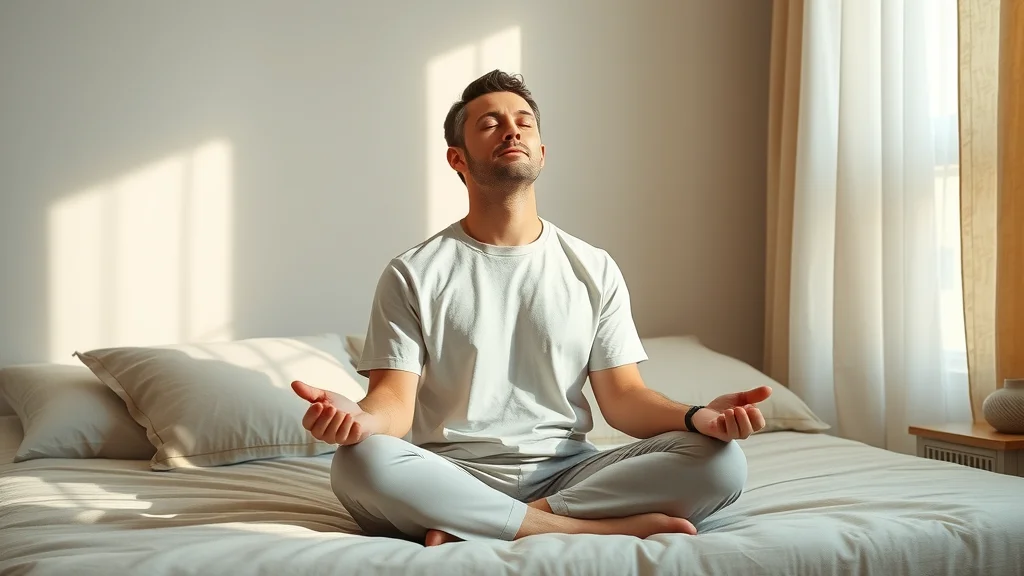
Method 3: The 4-Count Breath—Nervous System Reset On Demand
Hardwired into our biology, our breath is the one system we can consciously control to quickly influence stress hormones. Slow, rhythmic breathing tells your brain that the threat has passed, directly reducing adrenaline and cortisol levels—often in under a minute. The 4-count breath technique is one of the simplest, yet most powerful, tools to regulate tension and regain clarity in any stressful moment.
How do you do it? Sit or stand tall. Breathe in slowly for four counts, hold for four, exhale for four, and rest for four counts before starting again. Repeat for four rounds. This deliberate pattern not only slows your heart rate but also gives your mind a focusing anchor, cutting through spiraling thoughts and turning chaos into calm. Use the 4-count breath before tough conversations, after a stressful commute, or anytime your body needs to hit reset.
Why breath patterns influence stress hormones
A step-by-step guide to the 4-count breath
Method 4: Rewiring ‘Stress Scripts’ Through Language and Self-Talk
The ways we talk to ourselves in stressful moments create powerful “scripts” for our brain and body. Research confirms that self-talk can amplify or ease the emotional cascade from a stress trigger. Instead of catastrophizing (“I’ll never catch up” or “I can’t handle this”), strategic reframing—shifting your self-talk to something supportive but realistic—can flip your internal narrative and calm your nervous system on the spot.
Swap automatic negative scripts for new language. For example, turn “This is too much for me” into “This is tough, but I can take it step by step,” or change “I must respond perfectly” into “I’ll do my best and adjust if needed. ”
These micro-shifts in language give your brain permission to stop sounding a constant alarm, helping you handle daily stress with more patience and less pressure. Practicing healthy self-talk can feel awkward at first, but even small changes yield powerful, lasting effects on how you process everyday stress.
Comparing Popular Strategies: How to Handle Daily Stress Easily
Strategy |
Active Ingredients |
Best For |
Effort Level |
|---|---|---|---|
Mindful Microbreaks |
Shifts nervous system, resets attention |
Busy schedules, high pressure days |
Low |
Sensory Regulation |
Directs sensory pathways to calm body |
Immediate overwhelm, environmental stress |
Low |
4-Count Breath |
Regulates stress hormones via rhythm |
Acute stress, anxiety spikes |
Very Low |
Reframing Self-Talk |
Rewires brain’s stress interpretation |
Chronic overwhelm, persistent negativity |
Low-Moderate |
Generic “Self-Care” |
Varies (baths, hobbies, etc.) |
Long-term recovery, not acute stress |
Moderate-High |
Expert Perspectives: Moving Beyond ‘Self-Care’—What Actually Calms Daily Stress
"Effective stress relief is not about escaping your life, but learning to regulate your body within it." – Dr. S. Mohamed, Clinical Psychologist
Common Misconceptions About How to Handle Daily Stress Easily
Not all advice on how to handle daily stress easily is rooted in science. Common myths—like splurging on generic self-care, endlessly multitasking, or wishing stress away with willpower—are not only ineffective, but can make things worse. In reality, modern neuroscience suggests regulating your nervous system through targeted microshifts is far more effective than bubble baths or “treat yourself” routines for genuine resilience.

Multitasking, often seen as a strength, actually increases stress hormones and splits your brain’s focus, reducing productivity and raising error rates. The most resilient people aren’t those who do it all—they’re those who regulate their internal cues efficiently.
Give yourself permission to stop chasing “perfect” self-care and opt for simple, immediate strategies that nurture real bodily calm. Science confirms: it’s not about doing more, but about doing the right small things, consistently.
8 Micro-Shifts for Handling Daily Stress Easily
Step outside for two minutes of sunlight
Practice the 4-count breath
Listen to bilateral music
Reframe stressful emails with new language
Try grounding with a sensory object (stone, bracelet)
Limit Social Media Checking to 3x/day
Visualize a safety cue (photograph, memory)
End your workday with a 30-second stretch

People Also Ask
How to treat chronic stress and anxiety?
Answer: Chronic stress and anxiety benefit from a holistic approach, including consistent stress regulation techniques, professional support, and lifestyle shifts that prioritize nervous system health. The most sustainable path is combining self-led daily habits—like sensory resets and curated self-talk—with regular evaluation by a mental health specialist.
What is the 3-3-3 rule for stress?
Answer: The 3-3-3 rule is an anxiety reduction technique. Look around and identify three things you see, listen for three sounds you hear, and move three parts of your body. This sensory-based mindfulness exercise is a quick tool for grounding yourself during moments of acute stress.
What are the best ways to manage stress?
Answer: The best ways to manage stress are science-backed and practical. Top recommendations include nervous system regulation (microbreaks, breathwork, sensory input), healthy self-talk, setting tech boundaries, and seeking professional support when needed. Multimodal strategies work best for lasting resilience.

What are 10 ways to reduce stress at work?
Answer: Ten workplace stress reduction tips: 1) Mindful breathing, 2) Strategic breaks, 3) Stretching, 4) Limiting multitasking, 5) Decluttering workspace, 6) Positive self-talk, 7) Sensory grounding, 8) Connection with a colleague, 9) Movement (walking), 10) Setting clear task boundaries.
FAQs on How to Handle Daily Stress Easily
Is stress really harmful if it’s ‘normal’? Stress—even when common—can take a significant biological toll over time. Chronic exposure affects mood, sleep, and physical health, so even “everyday” stress needs proactive attention.
Can you actually rewire your body’s stress response? Yes, consistent small changes in breath, sensory input, and self-talk literally create new patterns in your brain and nervous system, reducing reactive stress over time.
How quickly can micro-shifts start helping? Many micro-shifts (like 4-count breathing or sensory grounding) can calm immediate stress in under a minute, and with repetition, build long-term resilience.
Do I need therapy, or can I self-manage daily stress? Many people manage daily stress well with self-led strategies, but if your symptoms persist or disrupt daily life, partnering with a mental health professional is a wise step.
Key Takeaways for How to Handle Daily Stress Easily
Burnout is a biological—not personal—response. Validation is key.
Science-backed micro-habits can quickly relieve daily stress.
Fast nervous system resets outpace generic ‘self-care’ for handling daily stress.
Small, sustainable steps beat big, drastic life changes.
Find Your Next Step: Read More at NCWellnessHub.com

To continue your learning, you’ll find more articles and guides at NCWellnessHub.com
You May Also Like These:
The Burnout Remedy: 4 Research-Backed Ways to Save Your Strands from Chronic Stress
Tired Versus Triggered: Why Everything Is Getting on Your Last Nerve
The "Blue Mind" Effect: Why Sitting Near Water Shuts Off Your Brain’s Stress Switch
NOTE:
Self-care strategies can help build resilience, but they aren't a replacement for expert support when stress turns into deep burnout. If life's setbacks feel overwhelming or unmanageable on your own, connect with a qualified healthcare provider or therapist. Seeking professional guidance gives you tailored strategies to process chronic stress and rebuild your well-being safely.
Disclaimer:
The information provided in this article is strictly for educational, informational, and research purposes based on studies, data, and literature available at the time of writing. The author and publisher are not medical professionals, doctors, or licensed healthcare providers. Content on this site is not intended to serve as a substitute for professional medical advice, diagnosis, or treatment.
Always consult with a qualified physician or healthcare provider before making any decisions regarding a medical condition, diet, or health regimen, or before starting or stopping any supplementation. Never disregard professional medical advice or delay seeking it because of something you have read in this article.


Write A Comment