


When winter chills strike, gut health suffers silently—leaving many fatigued and vulnerable. I’ve felt those winter gut struggles firsthand. Understanding how to nurture your gut in colder months can transform your energy and immunity, making the season not just bearable, but truly thriving.
In this comprehensive guide, we’ll unravel why gut health in winter matters, share step-by-step resets, and reveal easy strategies for safeguarding your digestive system through the coldest months. Get ready to eat smarter, feel better, and fortify both body and mind for the season ahead.

Why Gut Health in Winter Matters: The Unseen Chill on Your Digestive System
Gut health in winter is often overlooked, but as the mercury drops, so does the resilience of your digestive system. Many people notice sluggish energy, crave more comfort foods, and battle more frequent colds and digestive issues during the colder months. Reduced sunlight, greater time spent indoors, and dietary shifts can all throw your gut out of balance, leading to a negative ripple effect on your physical and mental wellbeing.
Maintaining a healthy gut isn’t just about avoiding stomach aches—your gut is a central player in immunity, mood, and overall resilience. In winter, when we’re more vulnerable to infection and fatigue, supporting gut health becomes even more critical for thriving, not just surviving.
"When winter chills strike, gut health suffers silently—leaving many fatigued and vulnerable. Understanding gut health in winter can transform your energy and immunity."
Signs your gut health in winter is suffering: low energy
Cravings for comfort foods
Digestive issues
More frequent colds

The Link Between Gut Health in Winter and Immunity
When winter arrives, your immune system faces seasonal challenges—and your gut is its command center. A healthy gut forms the first line of defense against pathogens, influences your body’s inflammation response, and even determines the intensity of seasonal illnesses.
Changes in diet (think more rich foods and fewer fresh fruits), reduced physical activity, and the effects of cold weather can disrupt the gut microbiome, weakening your immune powers when you need them most. Supporting your gut health in winter can build your resilience against winter bugs and help you bounce back faster from colds and flu. Think of your digestive tract as an internal winter coat, keeping your defenses strong and energy steady during harsh conditions.
Why the Digestive System Slows in Cold Weather
It’s not just your motivation that feels sluggish when the temperatures drop—cold weather can also slow down your digestive process. During winter months, your body conserves energy, and blood flow to the digestive system may decrease, slowing digestion and sometimes causing issues like bloating or constipation. Less hydration, less movement, and heavier comfort foods can intensify the problem.
A sluggish digestive system struggles to break down nutrients efficiently, impacting both your mood and metabolism. Understanding these seasonal changes is the first step in preventing winter stomach woes and feeling your best all season long.
The Fight for a Healthy Gut During Winter Months
Battling winter’s impact on the gut is a daily commitment. Foods rich in fiber, warming spices, and a focus on hydration are all part of your arsenal for maintaining healthy gut bacteria even on the coldest days. Avoiding processed foods that can fuel unhealthy gut bacteria is critical, while fermented food like kimchi or yogurt introduces beneficial bacteria to aid digestion.
Building gentle routines, like a daily herbal tea or a brisk walk, can create powerful ripple effects for your digestive system and energy. Prioritizing gut health in winter offers rewards far beyond improved digestion—it can supercharge your well-being for the season’s demands.
For those who experience more acute digestive discomfort during the colder months, understanding specific triggers and remedies can be invaluable. If you’re dealing with sudden digestive upsets like diarrhea, you might find these natural tips for stopping diarrhea and restoring balance especially helpful as part of your winter gut-care toolkit.
What You’ll Learn: Gut Health in Winter Insights
Why your gut health faces unique threats in winter months
Top food, lifestyle, and supplement strategies for digestive health and immunity in winter
How to reset your digestive system if you’ve gone off track
Easy wins for a healthy gut in the coldest months
How Winter Months Impact Gut Health & Digestive Health
Can Cold Weather Affect Your Gut?
Absolutely. Cold weather impacts your gut health by changing the way you eat, move, and metabolize food. In colder months, we often gravitate towards richer foods and reduce our intake of fiber-rich fruits and vegetables—key elements for supporting your gut microbiome. The drop in temperature can also make you drink less water, further slowing digestion.
Scientific studies show a shift in the bacteria in your gut during winter, often away from strains that are beneficial to digestion and immunity. Colder months challenge your digestive system on all fronts, making proactive gut health care a necessity—not a luxury.

Common Winter Digestive Issues and Their Root Causes
If you’ve ever noticed feeling more bloated, constipated, or just “off” in your gut during the winter, you’re not alone. Common winter digestive issues include slow digestion, constipation, bloating, and increased cravings for sugary or rich foods. These issues are triggered by a combination of environmental and lifestyle factors: less sunlight, less movement, more time on the sofa, and more indulgence in holiday treats.
Additionally, central heating dries out the air, which can reduce your thirst drive—further compromising your hydration and leading to sluggish digestion. Recognizing these patterns helps you take action early and avoid months of feeling run-down.
The Science: Gut Health, Microbiome, and the Winter Months
Winter brings dynamic shifts in your gut’s ecosystem. The gut microbiome—the thriving community of beneficial bacteria in your digestive tract—can be thrown off balance by changes in diet, light exposure, and stress during the season. As we reach for more processed foods and less fresh produce, our gut bacteria diversity decreases, reducing resilience and sometimes making us more prone to seasonal illnesses.
Emerging research links lower levels of beneficial bacteria during winter to increased rates of colds, fatigue, and even mood dips. By focusing on prebiotic fiber, fermented food, and habits that feed your healthy gut, you can restore balance and fortify your digestive system for the cold days ahead.
7-Day Gut Health in Winter Reset: Reboot Your Digestive System
What is the 7 Day Gut Reset?
The 7-day gut health in winter reset is a science-backed plan to restore balance in your gut microbiome and improve digestion, mood, and immunity. This weeklong program blends seasonal produce, warming recipes, fermented food, and lifestyle tweaks to kickstart your winter wellness. Each day includes prebiotic-rich meals, hydration reminders, and intentional movement to support a healthy gut. Whether you’ve overindulged in holiday rich foods or simply want a winter wellness tune-up, this reset offers a gentle, enjoyable pathway back to feeling energized and resilient.
Table: Sample 7-Day Gut Health in Winter Meal Plan
Day |
Breakfast |
Lunch |
Dinner |
Gut Booster |
|---|---|---|---|---|
1 |
Warm oats with stewed apples & cinnamon |
Roasted sweet potato salad with kale |
Chicken bone broth soup with lentils |
Fermented sauerkraut side |
2 |
Probiotic-rich yogurt parfait, berries, flax |
Chickpea stew with leafy greens |
Grilled salmon with winter root vegetables |
Glass of kefir |
3 |
Scrambled eggs, sautéed spinach, toasted sourdough |
Lentil & sweet potato curry |
Roast chicken, Brussels sprouts, wild rice |
Kimchi |
4 |
Warm chia pudding with pears & nuts |
Root vegetable soup, whole grain bread |
Silken tofu stir fry, brown rice, Bok choy |
Fermented pickles |
5 |
Buckwheat pancakes, berry compote |
Cold beet quinoa salad |
Vegetable chili, sweet potatoes |
Glass of kombucha |
6 |
Porridge with walnuts, dates, and honey |
Butternut squash soup, kale chips |
Pasta with lentil Bolognese, steamed greens |
Yogurt with inulin |
7 |
Overnight oats with banana & seeds |
Hearty miso soup, rye crackers |
Slow-cooked beef stew, root veggies |
Fermented beet kvass shot |
Daily Winter Gut-Health Habits for Sustainable Results
Consistency matters when it comes to gut health in winter. Hydrate with warm drinks like herbal tea, prioritize fiber at every meal, and build movement into your daily routine—these habits can dramatically improve your digestive health. Take a 10-minute winter walk, drink a glass of water first thing in the morning, or add a scoop of fermented food with your lunch.
Even small, regular changes foster a healthy microbiome and help prevent constipation, sluggishness, and immune dips during cold months. Over time, these micro-habits deliver macro results: steadier energy, fewer digestive issues, and a body better equipped for winter’s challenges.
Winter-Rich Foods for a Healthy Gut: Eat for Digestive Health
What Foods Are Good for Your Gut in the Winter?
Winter staples can be powerful gut allies.
*Root vegetables like sweet potatoes, carrots, and parsnips are rich in soluble fiber, feeding beneficial gut bacteria and supporting smooth digestion.
*Fermented foods—including kimchi, sauerkraut, kefir, and yogurt—introduce healthy bacteria to your microbiome, supercharging digestion and immunity.
*Leafy greens, oats, and citrus fruits provide antioxidants and polyphenols essential for gut lining health and fight inflammation.
Choose seasonal, whole foods and aim for diversity in your plate; your gut thrives on variety, even in the colder months.
Spotlight: Sweet Potatoes, Fermented Food, and Other Winter Superfoods
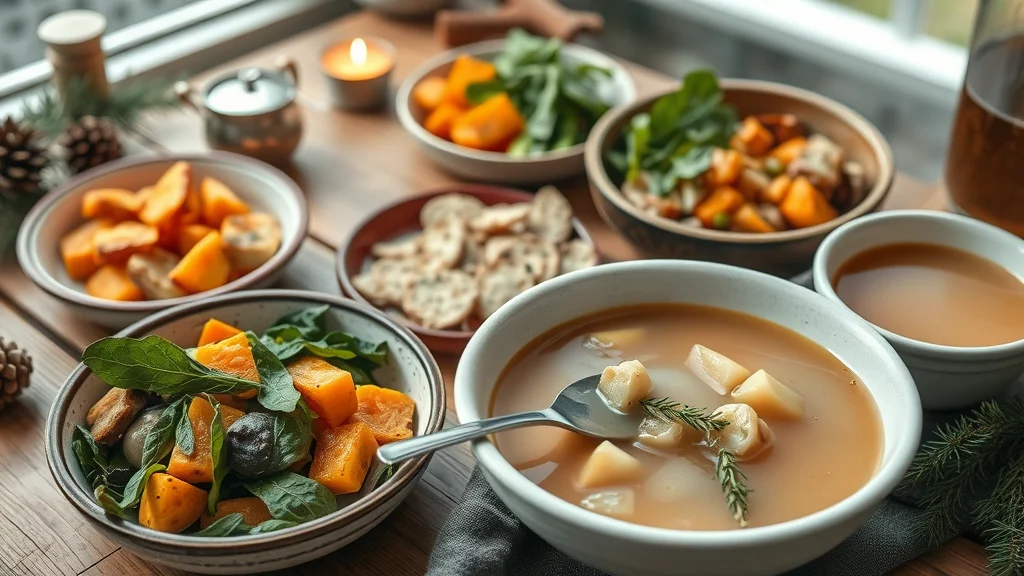
Sweet potatoes are an excellent source of soluble fiber and vitamin A, supporting your immune system and gut lining. Add them roasted, mashed, or in warming soups for a reliable winter energy boost. Fermented foods contain beneficial bacteria that help maintain a healthy gut environment, support your immune system, and can ease common winter digestive issues.
Try adding a spoonful of sauerkraut or a glass of kefir to meals. Other superstar foods for gut health in winter include oats, dark leafy greens, root vegetables, and even small amounts of dark chocolate—packed with natural prebiotics and polyphenols.

Cold Foods vs. Warm Foods: Which are Best for Winter Digestive Health?
Choosing between cold and warm foods can make a difference in how your digestive system feels during winter. While some cold foods, like yogurt or fresh fruit, have health benefits, your digestive tract may respond more favorably to warm meals in cold weather.
Warm foods are easier to digest because they require less energy for your body to process, supporting a healthy gut and reducing digestive issues. Stews, soups, roasted vegetables, and herbal tea not only comfort but also help the digestive system operate efficiently. Save smaller portions of cold foods for snacks or pair them with warmer elements to enjoy the best of both worlds—nourishing your microbiome without sacrificing comfort.
The 3 P’s of Gut Health in Winter: Probiotics, Prebiotics, and Polyphenols
What Are the 3 P's for Gut Health?
"The 3 P’s" refer to three pillars of gut health: probiotics, which are beneficial bacteria found in fermented food; prebiotics, which are types of fiber that feed your gut microbiome; and polyphenols, plant compounds that decrease inflammation and support digestive health.
In winter, getting enough of all three is crucial for a resilient digestive system. Think of it as building layers of protection: probiotics introduce friendly bacteria, prebiotics nourish them, and polyphenols help them thrive and guard your gut against winter challenges.

How to Incorporate the 3 P’s Into Your Everyday Winter Meals
Getting your daily dose of the 3 P’s is easier (and tastier) than you might think. Add a scoop of fermented sauerkraut or a glass of kefir with lunch for probiotics. Choose onions, garlic, leeks, oats, and bananas as prebiotic-rich foods. Enjoy berries, dark chocolate, or artichokes for a natural boost of polyphenols.
Combining these elements in daily meals can support your gut microbiome and digestive health all winter long. For example, try a breakfast of oats (prebiotic) with mixed berries (polyphenol), or a dinner of roasted root vegetables (prebiotic) alongside a serving of kimchi (probiotic). Little upgrades can lead to big improvements in gut health, immunity, and your daily mood.
Comfort Foods and Cold Weather: Making Healthier Choices for the Gut
Upgrading Comfort Foods for Gut and Digestive Health
The craving for comfort foods in winter is real, but rich, heavy recipes need a gut-friendly twist. Upgrade your meals by swapping refined grains for whole, fiber-rich versions and adding more vegetables to stews, casseroles, and pasta dishes. Use unsweetened yogurt or kefir in creamy sauces for added probiotics and swap white potatoes for sweet potatoes for fiber and nutrients. Even comfort classics—like mac and cheese or chili—can become deliciously gut-healthy with a sprinkle of fermented kimchi or wholegrain pasta. Your digestive system will thank you with better energy, mood, and minimal winter sluggishness.

Navigating Rich Foods and Holiday Treats Without Derailing Gut Health
Winter brings not just colder weather, but also the holiday season’s bounty of rich foods and sweets. The key to gut health is not deprivation—it's making informed swaps that support your digestive system. Alternate heavy dishes with lighter, fiber-packed salads, and always include a fermented food or a side of pickled veggies with main courses.
Choose dark chocolate and fruit for dessert instead of baked sweets, and embrace herbal tea after meals for digestion. Strategic choices allow you to enjoy winter festivities without sacrificing a healthy gut or ending up with post-holiday digestive issues.
Choose whole grains over white flour in comfort foods
Add a serving of fermented food to each meal
Hydrate with herbal tea rather than sugar-sweetened beverages
Load winter soups and stews with a rainbow of root veggies
Savor dark chocolate or roasted apples instead of sugary pastries
Lifestyle Tips to Boost Gut Health in Winter Months
Movement and the Digestive System: Why Exercise Counts All Winter
Don’t let cold weather freeze your fitness plans. Regular movement stimulates the digestive system, prevents constipation, and fuels a healthy gut microbiome. Even gentle activities—like daily walks, yoga, or stretching—help keep gut bacteria well-fed by promoting healthy blood flow and aiding the digestive process.
Combine physical activity with cozy routines, like dancing to your favorite tunes or stretching beside a sunny window. The benefits reach beyond digestion: moving daily also boosts your mood and supports your immune function during winter months.
Stress, Sleep, and Their Impact on Gut Health in Winter
Winter stressors, shorter days, and less sunlight can take a serious toll on both sleep quality and gut health. Chronic stress and poor sleep disrupt the balance of beneficial bacteria, slow digestion, and make you more prone to digestive issues and seasonal illnesses.
Combat winter stress with routines that promote relaxation—herbal tea before bed, deep breathing, or writing in a gratitude journal. Prioritize restful sleep by sticking to regular bedtimes and making your environment calm and dark. Well-rested, less-stressed bodies naturally support a healthier gut and a stronger immune system.
Hydration: Keeping Digestive Health Flowing During Cold Months
Hydration doesn’t feel intuitive in cold weather, but it’s vital. Your digestive system needs water to move fiber along and keep your gut environment balanced. Sipping warm water, herbal tea, or broths counts towards your hydration goals. Add slices of citrus or ginger for extra flavor and health benefits.
If you find yourself dehydrated, digestion slows, constipation creeps in, and your immune system may weaken. Set reminders, pair water with meals, and keep a cozy mug nearby; a few sips each hour is all it takes to support your gut health in winter.
Expert Tips & Short Stories for a Healthy Gut All Winter
"Last January, swapping my nightly hot cocoa for a turmeric-ginger latte made all the difference for my gut health during winter!" – Nutritionist Jess Marler
Quick wins: Add a handful of fermented veggies to lunch each day
Real user story: “Switching to herbal teas gave me more energy and fewer digestive issues this winter.”—Ava, 38
Set a hydration goal—aim for at least six cups of warm drinks daily
Batch roast root vegetables at the start of the week for easy gut-friendly meals
People Also Ask: Winter Digestive Health & Gut Questions Answered
Can cold weather affect your gut?
Yes, cold weather affects your gut by slowing the digestive process, changing your appetite, and often leading you to choose heavier foods that may trigger digestive issues. Lower water intake and less movement also contribute to symptoms like constipation, bloating, and reduced immunity. Proactively supporting your gut during winter with warm, fiber-rich foods and regular exercise helps keep your digestive system strong.
What is the 7 day gut reset?
The 7 day gut reset is a structured weeklong plan that focuses on nourishing your gut with seasonal foods, fermented food, and prebiotic-rich meals while encouraging consistent hydration and daily movement. It’s designed to restore balance in your gut microbiome, improve digestion, boost your immune system, and get you feeling energized throughout the winter months.
What foods are good for your gut in the winter?
Focus on root vegetables like sweet potatoes, beets, and carrots, as well as fermented foods such as kimchi, yogurt, and sauerkraut. Leafy greens, oats, and hearty soups packed with a variety of winter produce also support digestive health. Warm foods are often easier to digest during colder months and contribute to a resilient and healthy gut.
What are the 3 P's for gut health?
The 3 P’s refer to probiotics (beneficial bacteria from fermented foods), prebiotics (fiber that feeds gut bacteria, from foods like oats, onions, and garlic), and polyphenols (plant compounds found in berries, dark chocolate, and artichokes) that support a strong gut microbiome and optimal digestive health, especially vital during winter.

FAQs: Gut Health in Winter Months
Are probiotics necessary for gut health in the winter? While not mandatory, probiotics help maintain balance in your gut flora during colder months and support your immune system. Including fermented food in your meals is an easy and effective way to boost your winter gut health.
How can I prevent digestive issues from holiday rich foods? Alternate heavy, rich dishes with fiber-packed salads, and always include a fermented food with meals. Stay hydrated and try not to skip your regular movement routine to keep your digestive system running smoothly.
Can vitamin D supplementation help my digestive health in winter? Vitamin D is important for immune function and may have beneficial effects on your gut health, especially during darker winter months when sun exposure is low. Speak to your healthcare provider about the right dosage for you.
Is it safe to eat cold foods during winter if I have digestive problems? While cold foods like yogurt or fruit are healthy, some people find that warm meals are gentler on the digestive system in the winter. Listen to your body and aim for foods that provide comfort and support your gut.
Key Takeaways for Protecting Your Gut Health in Winter
Gut health in winter is vital for energy, immunity, and resilience
Seasonal foods, the 3 P’s, and lifestyle upgrades protect your digestive health
Small daily changes make the winter months better for your digestive system
Ready to Transform Your Gut Health This Winter?
Take action today: Add a new winter habit, try the 7-day reset, and discover how small changes can yield a happier gut and a healthier, more vibrant you—all winter long!
If you’re inspired to take your digestive wellness even further, consider exploring how food sensitivities and specific dietary approaches can impact your gut year-round. Understanding the role of FODMAPs and how they relate to bloating, IBS, and overall digestive comfort can be a game-changer—especially as you navigate seasonal changes. For a deeper dive into optimizing your gut health beyond winter, check out this comprehensive guide on understanding FODMAPs and managing digestive symptoms. Empower yourself with advanced strategies and make every season your healthiest yet.
Sources
To further enhance your understanding of maintaining gut health during the winter months, consider exploring the following resources:
“5 Simple Ways To Maintain A Happy And Healthy Gut All Winter Long”: This article offers practical tips, including incorporating warming spices and seasonal produce into your diet to support digestive health during colder months. (food.ndtv.com)
“Winter Digestive Health: Tips and Care Guide”: This guide provides insights into dietary adjustments and lifestyle changes to promote gut health throughout the winter season. (apollo247.com)
By integrating these strategies, you can effectively support your digestive system and overall well-being during the colder months. NCWellnessHub.com



Write A Comment