
Add Row
Add Element
NC Wellness Hub
update
North Carolina Wellness Hub
update
Add Element
  • Home
  • Categories
    • Wellness
    • General Health
    • Holistic
    • News
    • Living & Travel
    • Lifestyle
    • Fitness & Exercise
    • Mental Health
    • Stress Management
    • FEATURE
    • Sleep
    • Allergies
    • Medicines & Supplements
    • Weight Loss
    • Kids Health
    • Fertility & Pregnancy
    • Cancer
    • Heart Health
    • Skin & Hair
    • Arthritis
    • Dental
    • Vision
  • Bone Health
  • Digestive
March 12.2026
1 Minute Read

Unclog Your Stuffy Ears Fast: Simple Relief Tips

We’ve all felt the frustrating pressure of stuffy ears, a discomfort that disrupts focus and peace. Finding fast relief isn’t just about comfort—it’s reclaiming your clarity. These simple tips offer a soothing path to quick relief and normal hearing, restoring your day in no time.

Adult woman looking relieved, gently touching her ear for stuffy ear relief at home

Feeling Stuck? Why It’s Important to Unclog Your Stuffy Ears Quickly

When your ears feel blocked or clogged, it impacts nearly everything in your day—from having a conversation to enjoying music or even concentrating at work. Unclog your stuffy ears promptly not only restores comfort but is crucial for your ability to hear and interact as usual.

Fast relief ensures you avoid the risks of hearing loss or complications like ear infection and middle ear pressure, which can follow if the congestion is left untreated. By acting quickly, you reduce discomfort, regain peace of mind, and support ear health in the long run.

Ignoring a blocked ear can make everyday activities challenging, leading to frustration and sometimes even dizziness or balance issues. With multiple causes of ear congestion, including wax buildup, eustachian tube dysfunction, or sinus infections, recognizing and addressing these issues becomes essential.

By taking steps to unclog your ears, you will not only restore normal sensations but also reduce the risk of longer-term complications and improve your overall quality of life.

The Disruptive Nature of Ear Congestion

Ear congestion can be more than just an annoyance—it often disrupts your daily routine, making it hard to communicate or focus. The sensation of a clogged ear or fullness can drain your energy, causing distress or even mild anxiety.

Many people report reduced productivity and motivation due to persistent blocked ears, impacting work or family time. Physically, the sensation is typically accompanied by muffled sounds or hearing loss, which further disconnects you from your environment.

During periods of ear congestion, even simple actions like hearing your own voice tend to feel distorted. This not only makes social interactions awkward but also interferes with activities like listening to music or engaging in conversations.

When pressure builds up in the ear canal or middle ear, it can even contribute to secondary problems such as headaches and affect your sense of balance. Addressing the issue quickly helps keep your life running smoothly and restores your well-being.

Frustrated man holding his ear, experiencing ear congestion in a bright office

Restoring Your Day: Fast Relief Matters

Finding relief for ear congestion is not only about comfort; it’s about quickly regaining your ability to participate in daily activities. The sooner you unclog your stuffy ears, the quicker you resume normal communication, enjoy clearer music, and improve your overall sense of wellness. Fast-acting home remedies and pressure-equalizing techniques can save you from unnecessary worry and help unclog your ears before complications set in.

With the right knowledge, you can make informed decisions on whether to try home remedies—like warm compresses or the Valsalva maneuver—or to seek professional assessment for persistent or severe cases.

Rapid intervention often means your symptoms resolve in minutes rather than days, and your risk of ear infections or permanent hearing loss decreases. Taking charge of your ear health today brings immediate and lasting comfort.

If you’re interested in natural ways to ease related discomforts, you might also find it helpful to explore practical home strategies for relieving eye allergies, which often accompany sinus and ear congestion.

What You’ll Learn About How to Unclog Your Stuffy Ears

  • Understanding ear congestion, blocked ear, and clogged ears

  • Step-by-step methods to relieve ear congestion and unclog your stuffy ears

  • When to seek help from a healthcare professional

Understanding the Causes of Stuffy and Clogged Ears

Ear Canal Anatomy and the Role in Ear Congestion

To effectively unclog your stuffy ears, it’s important to first understand how the ear canal works. The ear is made up of three sections: the outer ear (where the canal is), the middle ear, and the inner ear. The ear canal connects the outside of your ear to the eardrum.

If wax or fluid builds up in this area, or if air pressure can’t equalize due to blockage, you’ll experience the sensation of a blocked ear. The eustachian tube runs from your middle ear to your throat and helps balance pressure—if this tube becomes blocked, congestion quickly follows.

Disturbances in this delicate structure—such as swelling from allergies, infections, or wax buildup—can prevent your ear from “popping,” leading to that familiar muffled feeling. Proper function of the eustachian tube is essential for hearing and pressure regulation. Understanding these mechanisms helps you choose the right strategy—whether a warm compress, the Valsalva maneuver, or safe ear drops—to tackle your symptoms at the source.
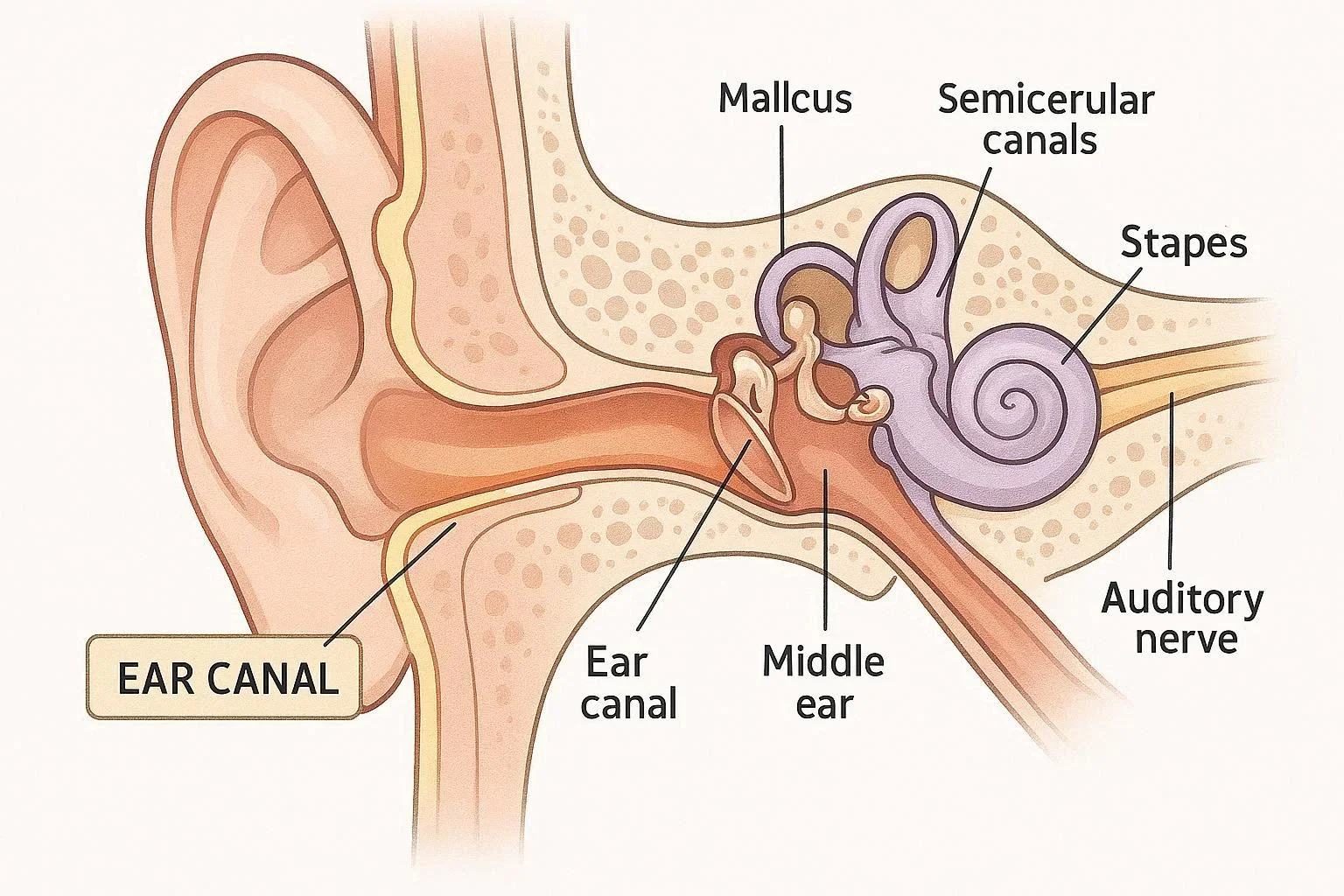
Illustration of human ear anatomy with ear canal highlighted for ear congestion

Common Causes: Wax Buildup, Eustachian Tube Dysfunction, and Middle Ear Issues

The most frequent contributors to clogged ears and congestion include wax buildup, eustachian tube dysfunction, and issues within the middle ear, such as infections or fluid retention. Wax buildup occurs when earwax (cerumen) accumulates, hardens, and blocks the passage of sound through the ear canal. In some cases, overzealous cleaning with a cotton swab pushes wax deeper, worsening the clog.

is seen in people with allergies, sinus infections, or after rapid air pressure changes (like in airplanes). This tube, meant to equalize air in your middle ear, can become swollen, leading to pressure and a clogged ear.

Middle and outer ear infections often cause similar symptoms, especially in children, and may require prompt medical attention if severe. Understanding these causes guides you toward the safest and most effective remedies for ear congestion.

When Clogged Ears Lead to Hearing Loss

While temporary hearing loss due to ear congestion is fairly common, it can feel alarming when sound becomes muted, or you struggle to hear normal conversations. This occurs because the blockage—whether from wax, fluid, or inflammation—impedes sound waves from reaching the eardrum. While most instances are reversible with prompt attention, neglecting a blocked ear can lead to long-term complications or even permanent hearing loss if left untreated.

It’s vital to recognize when loss of hearing persists beyond a few days or worsens, as this may signal a more severe condition such as middle ear infection or severe eustachian tube dysfunction. Some underlying causes, like infections, may cause additional symptoms such as fever, sharp ear pain, or balance issues. In such cases, early intervention is key to restoring hearing and preventing complications, so don’t hesitate to consult a healthcare professional.

Symptoms: How to Recognize Clogged Ear and Ear Congestion

  • Blocked ear sensations

  • Ear fullness and hearing loss

  • Pressure and discomfort in the ear canal

Recognizing the telltale signs of ear congestion early allows for swifter relief. Common symptoms of a clogged ear include persistent pressure or fullness in the ear canal, muffled hearing, and difficulty popping your ears.

Some people experience discomfort or a sensation similar to having water trapped in the ear after swimming. It’s also not unusual to feel mild ear pain or irritation, particularly after a cold, allergy flare, or air travel, when eustachian tube dysfunction is more likely.

If you notice a combination of hearing loss, blocked pressure, or ongoing discomfort, take action with home remedies. If symptoms escalate—like new or worsening ear pain, drainage, or balance issues—consulting a healthcare professional becomes critical. Quick recognition and response ensure ear congestion remains a temporary nuisance instead of a chronic problem.

Older man, listening carefully and cupping his ear, recognizing clogged ear symptoms

Quick Relief: Simple Home Remedies for Unclogging Your Stuffy Ears

Warm Compress for Blocked Ear Relief

Applying a warm compress is one of the oldest and most effective home remedies to help unclog your stuffy ears. The gentle heat promotes circulation, loosens up wax buildup or fluid, and can relieve pain associated with infections or eustachian tube blockages. Simply soak a clean towel in warm (not hot) water, wring out excess, fold it, and hold it against the affected ear for five to ten minutes. Repeat as needed.

This technique is especially helpful for temporary congestion that often comes with sinus infections or colds. Applying a warm compress before bedtime can provide soothing relief and help open up blocked passages naturally. If you experience discomfort or additional symptoms, always keep the compress comfortably warm—never hot—to avoid burns or further irritation.

Young adult applying a warm towel to the ear for quick relief from ear congestion

Valsalva Maneuver and Other Pressure Techniques

The Valsalva maneuver is a quick method to equalize pressure in the middle ear and alleviate congestion. To perform it, close your mouth, pinch your nostrils shut, and gently blow as if you’re trying to blow your nose. You may feel a soft pop—an indication your eustachian tube is open. Variations include taking a deep breath and swallowing repeatedly or exhaling against closed airways as when lifting something heavy.

Other pressure equalization techniques for clogged ears include using over-the-counter decongestant nasal sprays (for allergy or sinus-related blockages), or simply yawning and swallowing to activate eustachian tubes. Never force the pressure; if you feel pain or hear no change after several tries, stop and consult a healthcare provider for further advice.

Woman performing the Valsalva maneuver to relieve pressure in the middle ear

Chewing, Swallowing, and Yawning: Natural Ear Congestion Relief

Natural motions like chewing gum, yawning, and swallowing can help unclog your stuffy ears by activating the muscles around your eustachian tubes. These techniques encourage air to move through the tubes, equalizing the pressure in the middle ear and reducing the sensation of blockage. Chewing sugarless gum or even eating a small candy during flights or altitude changes can be particularly effective.

Yawning, either naturally or by mimicking the action, is another way to trigger the same release. If you find your ear congestion worsens after a cold or allergy attack, try these natural remedies throughout the day. These simple actions are safe for all ages and often provide quick, noticeable improvements for most cases of blocked ear.

When and How to Use Ear Drops Safely

Ear drops can be a safe and effective way to unclog your ears, especially when wax buildup is the culprit. Over-the-counter drops are designed to soften earwax, making it easier for the wax to exit the ear canal naturally. Always follow product instructions: tilt your head, gently pull the earlobe to open the canal, and avoid touching the dropper tip to your ear for hygiene.

Never use ear drops if your eardrum is perforated, there is drainage, or you have a diagnosed ear infection. In these cases, see a healthcare provider for personalized advice. For those sensitive to commercial preparations, mineral oil or saline drops are gentle alternatives. If symptoms persist or worsen after several days, consult a professional to rule out middle ear problems.
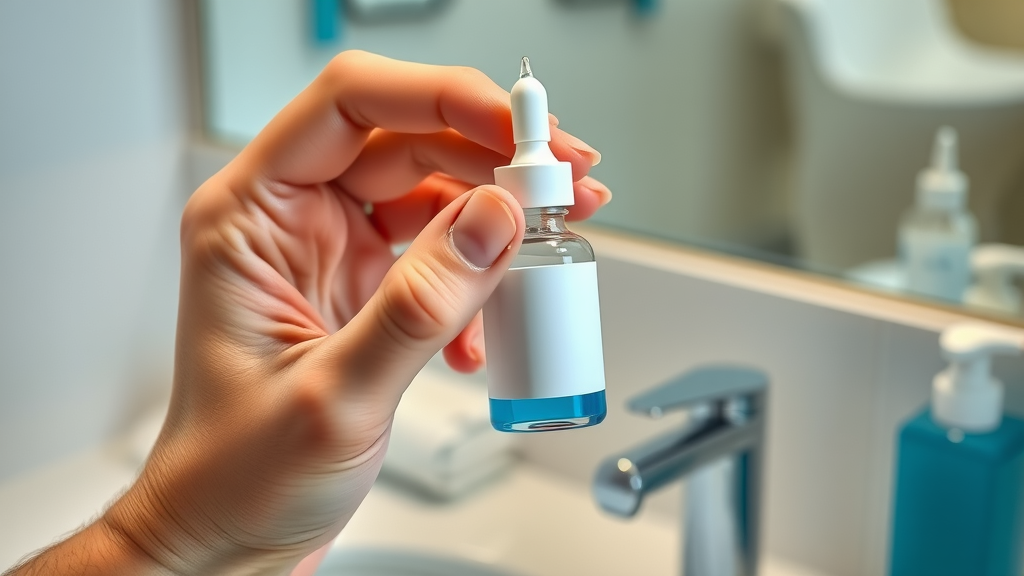
Close-up of hands preparing ear drops for safe use to relieve ear congestion

Hydrogen Peroxide for Earwax Buildup

Hydrogen peroxide is a popular home remedy for dissolving excessive earwax, which can lead to clogged ears or a sensation of fullness. Use a 3% solution (available in pharmacies), and apply a few drops into the affected ear canal while tilting your head. Wait several minutes, allowing the solution to fizz and break up the wax before draining your ear onto a towel.

While generally safe for mild cases, hydrogen peroxide is best reserved for healthy ears and shouldn’t be used if you have a known ear injury, a history of ear surgery, or signs of ear infection (pain, discharge). Never use undiluted solutions; always follow package guidelines. Persistent symptoms after a few days indicate the need for professional evaluation.

“For sudden ear congestion, gentle methods are often best. Avoid cotton swabs in the ear canal.” — ENT Specialist

Blocked Ear From Earwax Buildup: Removal Solutions

Why Earwax Causes Ear Congestion

Earwax buildup is among the leading reasons people struggle with clogged ears and decreased hearing. Normally, earwax moistens, protects, and cleans the ear canal, but if it accumulates faster than the body can clear it, a blocked ear results. Some individuals are naturally prone to producing excess wax, while others create blockages by frequent use of cotton swabs or earbuds.

A buildup of wax can completely obstruct sound transmission, leading not only to a feeling of fullness and pressure but also muffled or reduced hearing. Recognizing ear congestion due to wax is key since targeted removal methods, not just general congestion remedies, are needed to truly unclog your ears.
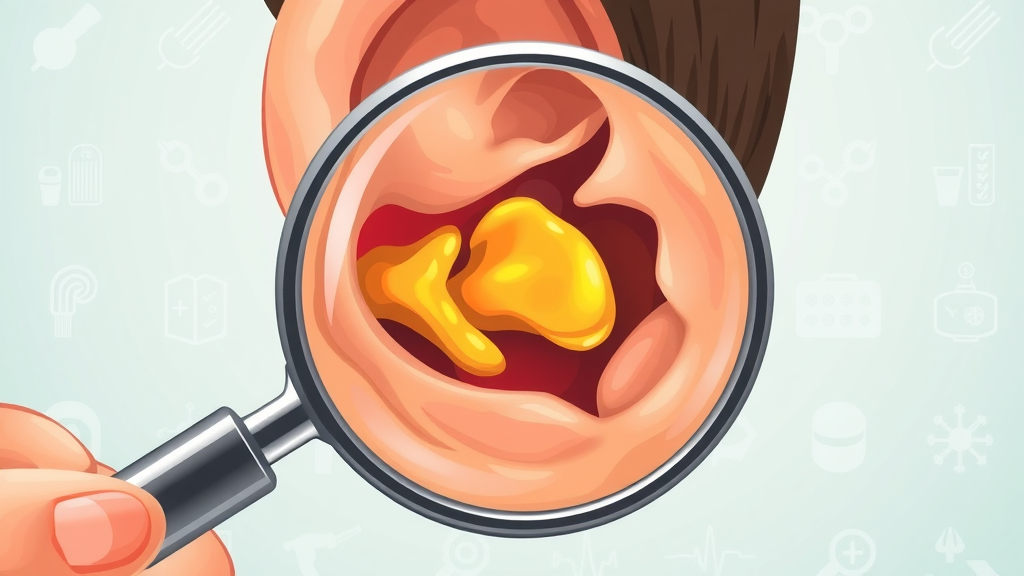
Diagram of ear canal with visible earwax buildup causing congestion

How to Unclog Your Ears From Wax Safely

Safe earwax removal starts with patience and gentle methods. Over-the-counter earwax softening drops help break up natural wax, making it easier for the body to eliminate it during bathing or while sleeping. After administering drops, rinse the ear gently with lukewarm water. Avoid inserting objects or using force; this raises your risk of ear damage.

Persistent blockages require professional removal, which may include gentle irrigation or manual extraction by a healthcare provider. This process is painless and eliminates the risk of eardrum injury or infection. Trying to unclog your stuffy ears with anything sharp or pointed is never advised, as accidental trauma can cause dramatic hearing loss or introduce bacteria that lead to infection.

Doctor explaining safe earwax removal to a patient using ear model

Risks of Cotton Swab Use in the Ear Canal

While it may be tempting to reach for a cotton swab, doing so actually increases the risk of impaction, injury, and infection. Swabs often push wax deeper into the ear canal, making congestion worse and much harder to treat. Fine hairs and delicate skin in the ear can be scraped by swabs, leading to irritation or even small cuts that provide an entry point for bacteria.

Medical professionals universally discourage the use of swabs inside the ear canal. If you must clean your ear, gently wipe the outer portion only, just where wax is visible. All other blockages, especially those causing discomfort or hearing loss, should be left to care professionals who have the tools and expertise to manage clogged ears safely.
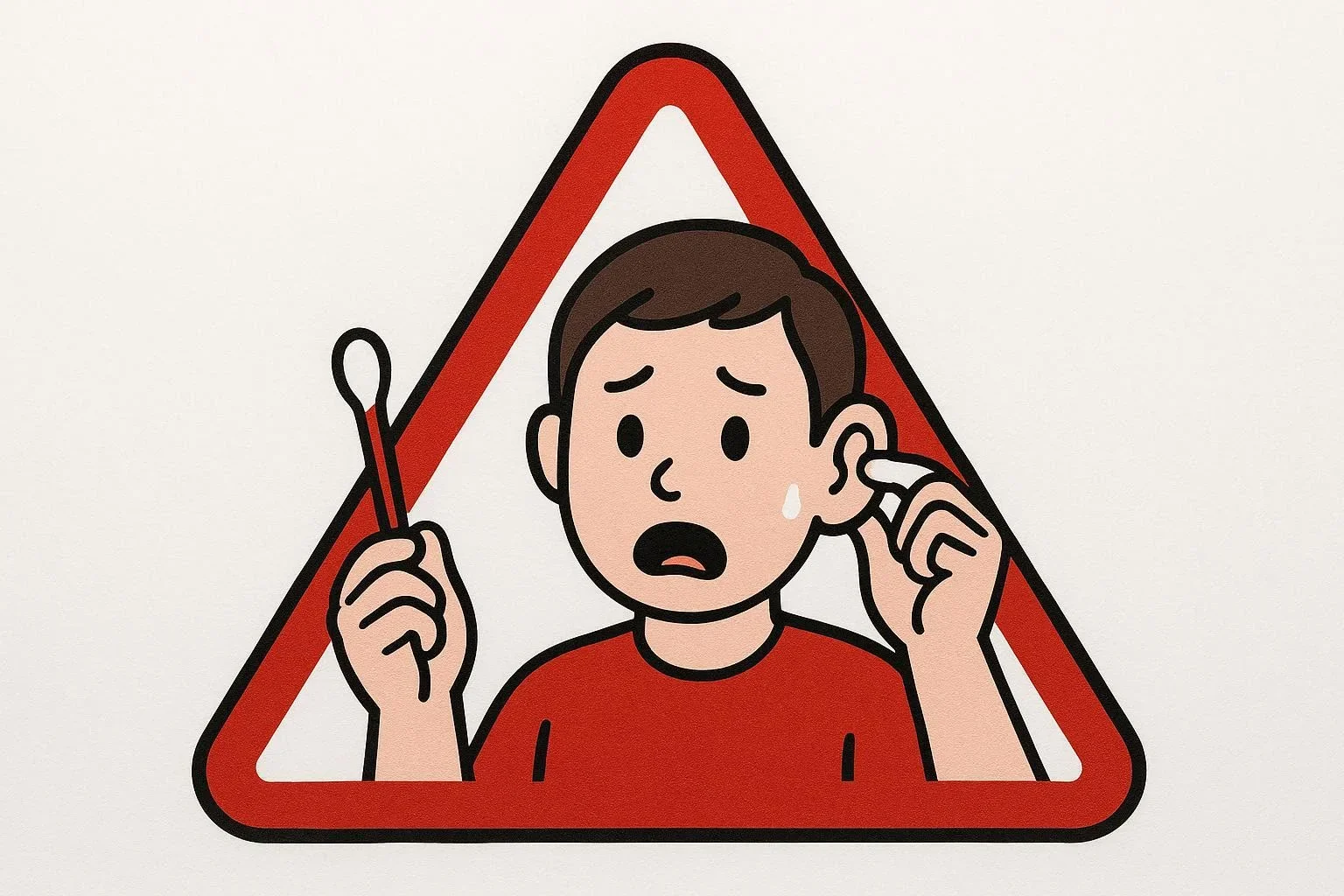
Illustration warning against cotton swab use in the ear canal due to risk

Ear Congestion and Middle Ear: Infections and Eustachian Tube Dysfunction

How Middle Ear Infections Cause Ear Congestion

A middle ear infection, or otitis media, is a common cause of sudden ear congestion, pain, and temporary hearing loss. Infections lead to inflammation and fluid buildup behind the eardrum, increasing pressure in the middle ear. This inflammation can block the eustachian tube, making it impossible for pressure to equalize, and leads to persistent fullness, discomfort, and sometimes fever.

Children are especially susceptible to middle ear infections, but adults can experience them during or after respiratory illnesses. If untreated, these infections can damage hearing or trigger more serious complications, such as mastoiditis or chronic drainage. Recognizing prolonged pain, pus, or severe hearing loss is crucial for timely assessment by a healthcare professional.

Eustachian Tube Dysfunction: Symptoms and Relief

Eustachian tube dysfunction is characterized by a failure of the tubes to open and close properly, preventing the equalization of air pressure in the ear. Symptoms include a persistent feeling of fullness, popping sensations, mild pain, or temporary hearing loss. Swelling from allergies, frequent sinus infections, or rapid altitude change can exacerbate the issue.

Relief comes from frequent yawning, swallowing, or using the Valsalva maneuver. Nasal corticosteroid sprays or allergy medications can decrease swelling if allergies are the trigger. In chronic cases, procedures to place pressure-equalizing tubes may be recommended. Persistent symptoms warrant further evaluation since ongoing dysfunction can increase your risk of recurring infections.
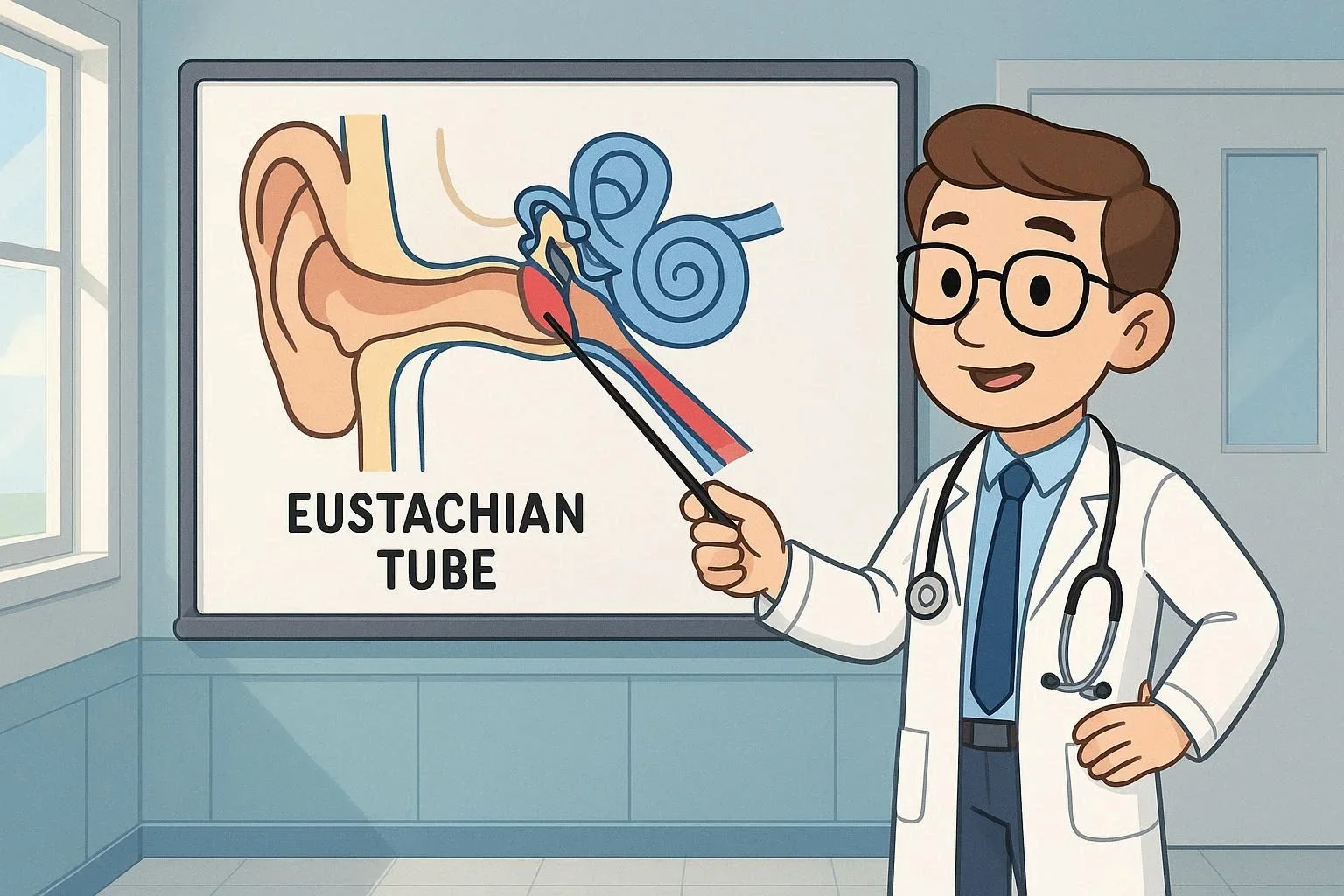
Medical illustration highlighting eustachian tube blockage in ear congestion

When to See a Health Care or Medical Professional

Most minor cases of ear congestion resolve with home care, but signs like ongoing or severe hearing loss, sharp pain, drainage, or symptoms lasting longer than a week require prompt evaluation by a skilled healthcare professional. Chronic congestion, frequent infections, or blocked ears due to underlying medical issues are best managed with personalized medical strategies.

Don’t hesitate to reach out if you’re unsure whether your symptoms are minor or serious—it's always best to err on the side of caution and prevent complications such as permanent hearing loss or spread of infection.

Comparing Treatments: Home Remedy vs. Professional Care

Method

Speed of Relief

Safety

Recommended For

Warm Compress

Moderate (minutes to hours)

High

Mild congestion, blocked ear from cold

Valsalva Maneuver

Immediate (seconds to minutes)

High if performed gently

Pressure changes, air travel, sinus congestion

Ear Drops (OTC)

Hours to 2 days

High (not for ruptured eardrum)

Wax buildup, mild to moderate blocked ear

Professional Ear Cleaning

Immediate after treatment

Very High

Persistent wax, chronic blockages, failed home remedies

Medical Treatment (for infections)

12–48 hours for relief

Very High (supervised)

Severe infection, eustachian tube dysfunction

Unclog Your Stuffy Ears: Prevention Tips

  1. Keep ears dry to prevent infections

  2. Avoid inserting objects like cotton swabs in the ear canal

  3. Use ear protection in loud environments

  4. Treat allergies and sinus issues promptly

People Also Ask: How do you clear a deep ear blockage?

Answer: Clearing a deep ear blockage often requires professional assessment. Home remedies such as warm compress or gentle saline irrigation may help shallow blockages, but deeper blockages—especially with pain or hearing loss—should be managed by a healthcare professional.

FAQs: Unclog Your Stuffy Ears

  • How long does it take for a blocked ear to unclog?
    Many mild cases resolve within a few hours to two days, especially after using home remedies such as a warm compress or pressure equalizing techniques. Ear congestion from infections or severe wax buildup may take longer and require medical attention.

  • Can I use over-the-counter ear drops for ear congestion?
    Yes, if wax buildup is the cause and your ear is otherwise healthy. Avoid if there is pain, drainage, or a history of eardrum injury. Consult a healthcare provider if symptoms persist.

  • Is hearing loss from a clogged ear permanent?
    Temporary hearing loss due to congestion or wax is reversible in most cases. Persistent, worsening, or suddenly severe hearing loss needs prompt evaluation by a care professional.

  • Will ear congestion go away on its own?
    Mild ear congestion from colds, sinus issues, or altitude changes often resolves naturally. If discomfort lingers more than a few days, or is accompanied by severe pain or fever, seek professional assessment.

  • When should you see a healthcare professional about ear congestion?
    See a medical expert if symptoms persist beyond a week, become severe, are accompanied by drainage, sharp pain, or you observe significant hearing loss. It’s better to get advice early than risk complications.

Key Takeaways: Fast Relief for Unclog Your Stuffy Ears

  • Most cases of ear congestion respond quickly to simple home remedies.

  • Avoid inserting objects into the ear canal, such as cotton swabs.

  • See a healthcare professional if discomfort persists or worsens.

Medical illustration highlighting eustachian tube blockage in ear congestion

Conclusion: Unclog Your Stuffy Ears and Reclaim Your Comfort

Restore comfort and clarity by treating your ear congestion promptly. Choose home remedies for mild cases and reach out to a professional if symptoms persist.

If you’re committed to improving your overall well-being and want to stay ahead of common health challenges, consider learning about the powerful role of anti-inflammatory foods in your daily routine. Discovering how turmeric’s hidden anti-inflammatory benefits can support your body may offer the next step in holistic self-care.

By expanding your knowledge beyond ear health, you’ll be better equipped to manage inflammation, boost resilience, and enjoy a more vibrant, symptom-free life. Take the opportunity to explore these advanced wellness strategies and empower your health journey.

Take Action for Unclogging Your Stuffy Ears—Get Expert Help Now

If your ears remain blocked despite these tips, or if you notice sharp pain or persistent hearing loss, book an appointment with an ear care specialist today to ensure your hearing health is protected.

Sources

  • American Academy of Otolaryngology – https://www.enthealth.org

  • Cleveland Clinic – https://my.clevelandclinic.org/health/diseases/17795-earwax-buildup

  • Centers for Disease Control and Prevention – https://www.cdc.gov/antibiotic-use/community/for-patients/ear-infection.html

To further enhance your understanding of ear congestion and its remedies, consider exploring the following authoritative resources:

  • The Mayo Clinic’s article, “Plugged ears: What is the remedy?,” provides expert advice on causes and treatments for ear congestion.

  • Piedmont Healthcare’s guide, “How to unclog stuffy ears,” offers practical tips and when to seek medical attention.

These resources offer comprehensive insights into managing and preventing ear congestion, ensuring you have the knowledge to address this common issue effectively. NCWellnessHub.com


General Health

0 Comments

Write A Comment

*
*
Related Posts All Posts

Why World Kidney Day Matters to Your Health

Every March, World Kidney Day highlights the silent struggle millions face with chronic kidney disease, emphasizing the importance of kidney health. Understanding this day isn’t just about awareness—it’s about taking charge of your health, preventing complications, and valuing the vital organs that quietly keep us alive.World Kidney Day on March 12, 2026: Awareness That Can Save LivesWorld Kidney Day on March 12 is a global rallying point for kidney health awareness, reaching millions worldwide to promote early detection and prevention of kidney disease. This special day shines a crucial spotlight on the importance of kidney health, especially as kidney disease often progresses without obvious symptoms until it's dangerously advanced.By highlighting early detection and prevention as key themes, World Kidney Day addresses the significant rise in chronic kidney disease globally, affecting individuals regardless of age, race, or background.Millions silently grapple with kidney disease and its risk factors—many without even knowing it. World Kidney Day’s campaigns ensure that people understand the risks of unchecked diabetes, high blood pressure, obesity, and genetics, all of which can trigger chronic kidney diseases.These efforts translate into real impact: educational events, free screenings, and community walks prompt people to take preventive steps, such as seeing a nephrologist or modifying their diet. By empowering the public to act, World Kidney Day genuinely saves lives, highlights key risk factors, and demonstrates the value of regular kidney health screenings.Every March, World Kidney Day highlights the silent struggle millions face with chronic kidney disease, emphasizing the importance of kidney health. Understanding this day isn’t just about awareness—it’s about taking charge of your health, preventing complications, and valuing the vital organs that quietly keep us alive.Each year in March, World Kidney Day offers a stark but hopeful reminder: kidney disease is often a silent threat, lurking without symptoms until damage is already done. This makes education about kidney disease risk factors and proactive kidney health management essential. The day serves as an international call-to-action, urging people to become aware of the risk factors, know their family history, and take actionable steps toward healthier kidneys.By emphasizing regular kidney function assessments and healthy living practices, World Kidney Day brings kidney care into the mainstream—and helps countless individuals avoid kidney failure and related complications.As more people participate in World Kidney Day events—whether through social media campaigns, educational booths, or health screenings—the ripple effect grows. Not only are lives saved through early detection and timely intervention, but communities become more resilient as awareness spreads.This collective effort highlights the importance of recognizing kidney disease as a public health priority, encouraging governments and health organizations to increase funding, support, and research dedicated to kidney health on a global scale.What You'll Learn About World Kidney Day on March 9The significance of World Kidney Day on March 9Facts about kidney health and kidney diseaseThe most common risk factors for chronic kidney diseaseReal patient stories and expert opinionsHow social media campaigns raise awareness about World Kidney DayPreventative steps for better kidney healthUnderstanding World Kidney Day: Purpose and Global ImpactThe Global Reach of World Kidney Day on March 9World Kidney Day is a truly global event, celebrated each March by healthcare organizations, advocacy groups, and individuals in over 100 countries. Its purpose is clear: to raise awareness about the importance of kidney health and provide education about the risk factors linked to kidney disease.This international observance encourages people to get kidney screenings, learn the risks associated with chronic kidney disease, and adopt preventative behaviors that can significantly impact overall well-being. Governments, local health providers, and NGOs organize health events, free check-ups, charity walks, and mass media campaigns, making the day a focal point for collective action.For example, in the United States, large-scale kidney health events offer free urine tests, while European nations host informative seminars and runs for awareness. In Asia and Africa, both rural and urban communities hold interactive workshops and radio talks to reach local populations.Social media has amplified World Kidney Day efforts by connecting people worldwide and sharing life-saving kidney health tips and awareness about risk factors. World Kidney Day in March acts as both a celebration and a call for urgent, unified action—from patients to policymakers—to address the global rise in chronic kidney disease cases.While understanding the risk factors for kidney disease is crucial, it's equally important to recognize how other chronic conditions can impact your overall health. For example, learning about the connection between cardiovascular procedures and healthcare practices, such as upcoding in cardiology procedures, can help you become a more informed patient and advocate for comprehensive care.How Kidney Day Educates About Chronic Kidney DiseaseEducation is one of the most powerful weapons in the fight against chronic kidney disease (CKD) and in promoting kidney health. On World Kidney Day, local and national kidney foundations, in partnership with global organizations like the International Society of Nephrology, deliver crucial information: how kidneys function, what chronic kidney disease entails, and how lifestyle choices play a critical role in prevention.Frequent workshops, presentations, and distribution of evidence-based materials help demystify kidney disease, highlighting how at-risk groups—like those with high blood pressure or diabetes—can proactively manage their health.A key part of World Kidney Day’s educational thrust is patient empowerment. By encouraging conversations about kidney symptoms and sharing resources for health screenings, the campaign fosters an environment in which early detection becomes the norm.This proactive approach is echoed by healthcare professionals: “We need to talk about kidneys the same way we talk about heart health or diabetes,” advises Dr. Melanie Shaw, M.D., nephrologist at the Global Kidney Health Center. “Preventive education on World Kidney Day can truly change the course of chronic kidney disease for individuals and communities.”Key World Kidney Day Events by CountryDescriptionUnited StatesNationwide health screenings, public seminars, kidney disease awareness walksUnited KingdomEducational campaigns on social media, free blood pressure and urine tests at pharmaciesIndiaMobile health vans offering kidney screenings in rural areas, radio outreach on awarenessNigeriaCommunity workshops, health education in schools, local TV discussions on kidney healthAustraliaFundraising events, healthy lifestyle workshops, collaboration with national kidney foundationsThe Essential Role of Kidney Health in Our LivesHow Your Kidneys Work to Keep You HealthyYour kidneys are among the hardest-working organs in your body—filtering about 200 quarts of blood every day to remove waste and excess fluid, regulate electrolytes, keep your blood pressure stable, and support the production of red blood cells.While most of us rarely think about these processes, healthy kidneys are crucial to your overall well-being. If these vital organs lose function, toxins and fluids build up, leading to serious health conditions such as high blood pressure, anemia, weakened bones, and even kidney failure, which requires dialysis or transplant.The kidneys’ role in balancing fluid and minerals cannot be overstated. They help regulate levels of sodium, potassium, and calcium, ensuring that muscles, nerves, and other organs work optimally.Good kidney function is tightly linked with heart health—individuals with untreated kidney disease are at higher risk for heart disease and stroke. On World Kidney Day on March 12, experts remind us that early detection and routine monitoring of kidney function is vital, especially for those in high-risk categories.Chronic Kidney Disease: The Silent EpidemicChronic kidney disease (CKD) is dubbed the ‘silent epidemic’ because it often goes unnoticed until significant damage has occurred. According to the National Kidney Foundation, over 850 million people worldwide are living with some form of kidney disease.Early stages of CKD frequently exhibit no symptoms; only as the disease advances do fatigue, swelling, changes in urination, or unexplained high blood pressure become apparent. This silence is why awareness and education on World Kidney Day are so critical—because by the time people feel unwell, their kidneys may have already lost much of their function.As Dr. Lisa Warner, Nephrologist at Cleveland Health Institute, succinctly notes:"Kidneys perform so many functions that go unnoticed until they're disrupted. Early awareness, such as that promoted by World Kidney Day on March 9, saves countless lives each year."Common Risk Factors Tied to Kidney DiseaseKey Risk Factors to Watch Out ForDiabetesHigh blood pressureObesityFamily history of kidney diseaseSmokingExcessive use of painkillersAmong the leading risk factors for kidney disease, diabetes and high blood pressure are primary causes worldwide, underscoring the need for kidney health awareness. Excess weight and obesity put extra stress on the kidneys, while genetic predisposition—such as a family history of kidney disease—can also play a major role. Smoking and regular reliance on certain over-the-counter painkillers (especially NSAIDs) have also been shown to damage kidney tissues over time.Dr. Tamara Greene, MD, Public Health Researcher, emphasizes the life-saving value of identifying these risks:"Identifying risks early is critical. The World Kidney Day campaign helps identify those most vulnerable, fostering early intervention."Risk FactorPrevalencePreventive ActionDiabetes40% of new CKD casesManage blood sugar, regular screeningsHigh blood pressureNearly 30% of adults with CKDMonitor pressure, reduce salt intakeObesity20% higher CKD risk in overweight individualsHealthy weight loss, exerciseFamily historyIncreased risk if relatives are affectedEarly check-ups, genetic counselingSmoking1 in 5 CKD patients smokeQuit smoking, lifestyle supportPainkiller overuseCommon among chronic pain patientsLimit NSAID use, consult doctorSpotlight on Chronic Kidney Disease Risk FactorsSpotlighting these risk factors does more than raise awareness—it empowers individuals to proactively change their habits. For the millions at higher risk, small shifts in daily routine—such as checking blood sugar levels, monitoring blood pressure, keeping a healthy weight, and eliminating smoking—can make all the difference. Prevention is especially important for those with a family history of kidney disease, as genetics increase risk but do not dictate destiny.Regular check-ins with a primary care physician, asking about kidney function tests, and staying informed about the latest research in kidney care are highly recommended. World Kidney Day amplifies these messages, giving people the confidence and knowledge to take charge of their own health.World Kidney Day and National Kidney Foundations: Partnerships for ProgressRole of Kidney Foundation InitiativesNational kidney foundations and international organizations play a pivotal role in coordinating World Kidney Day campaigns to raise kidney health awareness and promote early detection of chronic kidney disease. The National Kidney Foundation, for example, supports research, patient education, and advocacy efforts throughout the year. On World Kidney Day, their teams mobilize to set up booths, offer free kidney screenings, and distribute informational materials—often in collaboration with clinics and public health departments.Through their initiatives, kidney foundations bridge critical gaps in care. They connect underserved communities with essential screenings and provide resources for individuals newly diagnosed with chronic kidney disease. Grants, kidney camps for at-risk youth, interactive mobile apps, and engaging educational materials are all part of the broader movement to make kidney health accessible to all.How Social Media and Community Efforts Amplify World Kidney DaySocial media has become a driving force in extending the impact of World Kidney Day by spreading awareness about kidney disease risk factors and encouraging kidney health screenings. Platforms like Facebook, Twitter, and Instagram allow medical experts, patient advocates, and organizations to share infographics, reminders about kidney screenings, live health Q&A sessions, and first-person success stories. Hashtags like #WorldKidneyDay reach millions, encouraging young and at-risk populations to learn about kidney health and participate in global conversations.On the ground, community engagement remains central: volunteers organize awareness walks, distribute educational flyers, run local screening events, and bring interactive learning to schools. Digital outreach and personal touch combine to generate maximum impact. As Dr. Paul Ewing, Internal Medicine specialist at KidneysFirst Clinic, shares:"Social media is a vital tool—by spreading World Kidney Day messages, we reach younger, at-risk populations and encourage routine kidney health screening."How You Can Support World Kidney Day on March 9Simple Ways to Get Involved with Kidney DayShare educational postsDonate to kidney foundation initiativesParticipate in local or virtual walks/runsSchedule a kidney health screeningSupporting World Kidney Day on March 9 can be as simple as sharing a post or as impactful as organizing a wellness event. Amplify awareness by telling friends and family about risk factors, signing up for a screening, or posting prevention tips on your social media accounts. Donations, even small, can fund screening programs and essential education in communities that need it most. Every action—no matter how small—brings us closer to a world where kidney disease is preventable, treatable, and understood by all.Case Studies: World Kidney Day Impact on Real LivesPatient Story: Early Detection on World Kidney Day Saved My LifeSarah, a 42-year-old mother of two, attended a free screening hosted by her local kidney foundation on World Kidney Day. She’d noticed occasional high blood pressure and tried to ignore what she thought were minor symptoms. The health checkup revealed early-stage chronic kidney disease. “I had no idea my kidneys were at risk,” she recalls. “World Kidney Day gave me the information and support I needed to take action. Today, my kidneys are stable, and I’ve changed my lifestyle for the better.”Sarah’s story is not unique. Each year, countless individuals discover their risk for kidney disease during World Kidney Day campaigns. Early detection through simple blood and urine tests can literally save lives—highlighting the day’s profound global impact.Community Outreach: World Kidney Day Drives Positive ChangeCommunity-centered events on World Kidney Day create lasting change: in one Midwest town, a partnership between health clinics, local businesses, and the National Kidney Foundation doubled the number of residents tested for kidney disease in just three years. These events not only provided free screenings but also distributed healthy meals, educational resources, and ongoing support to those at high risk.A short animated explainer video produced in 2023 highlights these successes, drawing on real patient advocates and clinicians. The video, widely shared on social media, underscored how collaborative community action can transform prevention, awareness, and access to care for kidney health.Watch: Animated explainer video summarizing the global impact of World Kidney Day, focusing on community engagement, preventive education, collaboration with kidney foundations, and real success stories from patient advocates.People Also Ask About World Kidney Day on March 9Why is World Kidney Day important on March 9?World Kidney Day on March 9 is important because it raises awareness about the growing burden of kidney disease and the role of early detection and prevention. By emphasizing education, community outreach, and routine screenings, the observance helps prevent chronic kidney disease from progressing to advanced stages. It also draws attention to the need for better access to kidney care around the world and highlights lifestyle steps that anyone can take to protect their kidney health.What are the main goals of World Kidney Day?The main goals of World Kidney Day include educating the public about kidney function, promoting the importance of regular kidney health screenings, and advocating for the early detection of kidney disease. The campaign also aims to reduce risk factors such as uncontrolled diabetes, high blood pressure, and unhealthy lifestyle choices, ultimately preventing kidney failure and improving the quality of life for those affected.How can I monitor my kidney health year-round?You can monitor your kidney health by having regular urine and blood tests—especially if you have any risk factors like high blood pressure, diabetes, or a family history of kidney disease. Following a kidney-friendly diet, staying well-hydrated, managing stress, and avoiding nephrotoxic medications (like certain painkillers) are also crucial. Maintaining a healthy lifestyle with regular exercise, portion control, and plenty of fruits and vegetables supports kidney function all year long.Answers to Common World Kidney Day QuestionsWorld Kidney Day raises global awareness, encourages education on risk factors, and empowers individuals to take preventive actions like seeing a nephrologist and participating in health screenings.On World Kidney Day, the goal is to make knowledge about risk factors such as high blood pressure, diabetes, and obesity accessible to everyone. By promoting regular screenings and healthy behaviors, the initiative enables individuals to become proactive partners in their kidney care journey. This emphasis on empowerment and education is what sets World Kidney Day apart as a leading force in the global health community.The main goals of World Kidney Day are to highlight the importance of kidney health, promote preventive behaviors, and improve the well-being of people living with chronic kidney disease.Each year, the World Kidney Day campaign focuses on key messages around kidney health, prevention, and early intervention. The day is designed to encourage people and policymakers to recognize the cost of kidney disease not just for patients, but for health systems worldwide, and to inspire investments in awareness, research, and access to care.Monitor kidney health through routine urine and blood tests, healthy living, minimizing the use of nephrotoxic medications, and staying hydrated.Following up with a healthcare provider, requesting kidney function tests as part of regular check-ups, eating a balanced diet, and avoiding over-the-counter medications that can harm the kidneys are essential for year-round kidney health. Staying hydrated, regular physical activity, and managing underlying conditions like high blood pressure or diabetes will help you preserve kidney function for decades to come.Key Takeaways About World Kidney Day on March 9World Kidney Day on March 9 sparks life-saving awarenessReducing risk factors is vital for kidney healthCommunity and social media play key roles in promoting kidney day eventsEarly screening can prevent or mitigate chronic kidney diseaseFAQs About World Kidney DayWhat is the history of World Kidney Day?World Kidney Day was first observed in 2006, founded in collaboration between the International Society of Nephrology (ISN) and the International Federation of Kidney Foundations (IFKF). Its purpose was, and remains, to raise global awareness about the burden and prevention of kidney disease through education, screenings, and policy advocacy.Who organizes World Kidney Day events?World Kidney Day events are organized by a coalition of national kidney foundations, local health organizations, global societies such as the International Society of Nephrology, and community-based groups. Partnerships with hospitals, nonprofits, schools, and volunteers make large-scale participation possible each year.How can I access kidney health resources?Access trusted kidney health resources through the World Kidney Day official website, your national kidney foundation’s site, and by speaking with healthcare providers. Many organizations also offer downloadable guides, webinars, and helplines to answer questions about kidney care and prevention.Explore Learning Resources and Further ReadingWorld Kidney Day official websiteNational Kidney Foundation resourcesEvidence-based kidney health research studiesSupport Your Kidney Health Year-RoundDiscover more trusted wellness information at NCWellnessHub.comStart your kidney health journey today—awareness, prevention, and early intervention can make all the difference.If you’re inspired to take your health advocacy further, consider exploring how broader healthcare challenges impact patient outcomes and access to care. For a deeper understanding of systemic issues and how they intersect with chronic disease management, our feature on the maternal health crisis in the U.S. offers valuable insights into the complexities of healthcare delivery and prevention.By connecting the dots between kidney health and the wider landscape of public health, you’ll be better equipped to champion wellness for yourself and your community. Continue your journey with us to uncover more strategies for proactive, informed health decisions.SourcesWorld Kidney Day – https://www.worldkidneyday.orgNational Kidney Foundation – https://www.kidney.orgKidney Health Research – https://www.ncbi.nlm.nih.gov/pmc/articles/PMC8056515/Centers for Disease Control and Prevention – https://www.cdc.gov/kidneydisease/index.htmlWorld Kidney Day is observed annually on the second Thursday of March, aiming to raise global awareness about the importance of kidney health and to reduce the impact of kidney disease and associated health problems worldwide. (en.wikipedia.org)In 2026, World Kidney Day will be commemorated on March 12. (timeanddate.com) The National Kidney Foundation (NKF) recognizes March as National Kidney Month, dedicating this time to emphasize kidney health awareness and the prevention of chronic kidney disease (CKD). (kidney.org)Similarly, the American Nephrology Nurses Association (ANNA) highlights the significance of World Kidney Day, focusing on themes like “Kidney Health for All: Preparing for the Unexpected, Supporting the Vulnerable.” (annanurse.org)In 2025, the theme for World Kidney Day was “Are Your Kidneys OK? Detect Early, Protect Kidney Health,” emphasizing the importance of early detection and preventive measures to maintain kidney health. (aakp.org)For more information and resources, you can visit the official World Kidney Day website. (worldkidneyday.org)Continue your journey toward better health with more content at NCWellnessHub.com

Is Hydrogen Peroxide to Clean Ears Safe? What You Must Know

Wondering if using hydrogen peroxide to clean your ears is safe? Before you try this common remedy, discover what experts say, the potential risks, and how to do it properly to protect your ear health. Are you ready to learn the facts?What You'll Learn About Hydrogen Peroxide to Clean EarsThe facts on hydrogen peroxide to clean ears and earwax removalHow hydrogen peroxide works to remove earwax and clean your earsRisks, safety guidelines, and expert advice for hydrogen peroxide ear cleaningAlternatives to hydrogen peroxide for earwax removalIntroduction: Should You Use Hydrogen Peroxide to Clean Ears?The Growing Popularity of Hydrogen Peroxide to Clean EarsHydrogen peroxide has become a household staple, not just for first-aid kits, but increasingly for people looking to clean their ears and remove earwax at home. An internet search for “hydrogen peroxide to clean ears” yields thousands of tips and home remedies, but does that mean it’s truly safe or effective? More and more, people want straightforward, expert-backed information before using products intended for skin or delicate parts like the ear canal. The use of hydrogen peroxide for earwax removal has a long history, but modern medical research suggests there are more risks and nuances to consider—especially given how sensitive our ears are and how easily they can be damaged if not treated with care.This rising trend calls for an in-depth look at the safety, science, and best practices of hydrogen peroxide ear drops. Many are drawn to its bubbling action, which promises to loosen and dissolve ear wax. Is this solution as harmless as it seems? In this comprehensive guide, you’ll get the facts about hydrogen peroxide, its benefits for wax removal, and expert guidance based on up-to-date clinical knowledge.Opening Hook: Expert Perspectives on Hydrogen Peroxide in Your Ears“Hydrogen peroxide can be effective for earwax removal, but improper use may harm ear health.” – Dr. Mark Jensen, ENT SpecialistBefore reaching for the bottle, it’s crucial to weigh the science, expert opinions, and safe methods. This article presents both benefits and limitations, explores when to use and avoid hydrogen peroxide, and offers safer alternatives for ear cleaning.Understanding Earwax and the Need for Ear CleaningWhat Is Ear Wax and Why Does It Build Up?Ear wax, medically called cerumen, is a natural product made by glands in your ear canal to protect the inner ear. It traps dust, bacteria, and other particles, stopping them from reaching deeper structures. In most healthy adults, earwax slowly migrates out of the canal and is removed during regular washing or simply falls out unnoticed. However, some people produce more earwax than others, leading to occasional buildup or blockage. Factors like narrow ear canals, excessive ear hair, or frequent use of ear plugs or hearing aids can increase the risk of earwax buildup.Though earwax serves a protective purpose, certain health conditions or personal hygiene habits—like using cotton swabs—can disrupt this natural process. When wax blockage occurs, it may cause hearing loss, ear pain, itching, dizziness, or even risk infection. Understanding why earwax accumulates helps determine the best way to safely clean your ear and maintain good ear health.When Is It Necessary to Remove Earwax?For most people, frequent ear cleaning is unnecessary. The ears are self-cleaning, using natural jaw motions to help remove excess wax. However, there are times when earwax removal becomes important. If you experience a blocked feeling, reduced hearing, ringing, or fullness, it may be time to address earwax buildup. You may also need intervention if you are prone to ear infections or regularly use hearing aids.Medical guidelines urge caution; removing earwax should only be considered when there are symptoms of impaction or discomfort. Otherwise, over-cleaning or using the wrong tools may actually cause harm, leading to injured tissue or worsening blockages inside your ear canal. Always consult your care team if you suspect severe blockage, infection, persistent symptoms, or have underlying health issues involving your head and neck.Cotton Swab to Clean: Dangers and MythsThe age-old habit of using a cotton swab to clean your ears is a dangerous myth. Most healthcare professionals strongly warn against inserting cotton swabs into the ear canal. Instead of removing wax, swabs can actually push earwax deeper, compacting it against the eardrum—sometimes requiring professional extraction and increasing the risk of ear infections."Most ear problems arise from over-cleaning. The ear is self-cleaning for most people." – Dr. Sarah Lee, AudiologistNot only can cotton swabs make wax removal harder, but aggressive cleaning risks abrasions, infection, and even a perforated eardrum. Remember, your ears are designed to keep themselves healthy—manual ear cleaning should be minimal and guided by clear need, not routine.If you’re interested in a broader approach to maintaining your health as you age, especially when it comes to mobility and daily function, you might find it helpful to explore practical strategies for building stronger legs after 60. This resource covers actionable steps that complement overall wellness, just as safe ear care supports your quality of life.Hydrogen Peroxide to Clean Ears: How It Works and What to ExpectScience of Hydrogen Peroxide Ear UseHydrogen peroxide, commonly sold in 3% solutions, acts as an oxidizer. When used as a wax removal method, it softens, breaks down, and bubbles through earwax, making it easier to flush out accumulated debris. Its effervescent action helps lift material from the ear canal walls. This is why peroxide ear drops often come recommended by professionals for specific cases of earwax removal or before clinical irrigation.Unlike traditional remedies or quick fixes, hydrogen peroxide ear drops are not suitable for everyone. They should never be used if you have a history of perforated eardrum, recent ear surgery, ear tubes, or active ear infection. While hydrogen peroxide is often effective in dissolving stubborn earwax, improper or overuse can cause dryness, irritation, or damage to the delicate canal lining.Peroxide in Your Ear: The Bubbling Reaction ExplainedWhen using hydrogen peroxide in your ear, you may feel or hear bubbling, fizzing, or popping noises. This is a normal chemical reaction—hydrogen peroxide releases oxygen upon contact with organic material (including ear wax), loosening hardened wax and debris. Some people find the sensation odd but not painful.This bubbling isn’t just for show—it indicates the peroxide is actively breaking down the blockage, separating it from ear canal surfaces. However, intense bubbling, stinging, or discomfort is a warning sign to stop use and contact a medical expert. If the peroxide in your ear does not resolve symptoms after a few uses, consult your care team to avoid potential complications or injury.Step-By-Step: How to Use Hydrogen Peroxide Ear Drops SafelyUsing hydrogen peroxide ear drops demands care, patience, and attention to safety. Always start by reading packaging instructions and ensure you are using only a 3% solution or earwax-removal drops specifically meant for ears—not stronger antiseptic varieties. You might also want to consult your pharmacist or care team before first use, especially if you have had ear infections or a sensitive history.To clean your ears, start by lying on your side with the affected ear facing upward. Use a dropper to place 5–10 drops of hydrogen peroxide in your ear canal (or as directed). Remain in this position for 5–10 minutes, allowing the solution to bubble and dissolve the wax. Gently turn your head to let the solution and loosened material drain onto a clean towel. Wipe only the outer ear—never insert anything into the ear canal to retrieve wax.Do: Use only 3% hydrogen peroxide for ears, follow package or doctor’s instructions, and consult your care team for persistent symptoms.Don’t: Use hydrogen peroxide if you have ear tubes, a perforated eardrum, an active ear infection, or undiagnosed ear pain. Never use cotton swabs after drops or attempt to forcibly clear the canal.Do: Watch for signs of discomfort, excess drainage, or allergic reaction, and stop immediately if you notice anything unusual.Don’t: Use the drops more than once a day for more than a few days unless guided by a medical professional.Is Hydrogen Peroxide Safe to Clean Your Ears?Hydrogen Peroxide Earwax Removal: Expert-Led Safety GuidelinesMost ENT and audiology specialists consider hydrogen peroxide ear drops safe for healthy adults if applied correctly and within the right circumstances. The crucial factor is knowing whether you have any underlying ear problems, such as past surgeries, ongoing ear infections, or a perforated eardrum. Only 3% solutions designed for ears (never full-strength or chemical-grade products) should be used for wax removal.Before using hydrogen peroxide to clean ears, inspect labels to avoid misapplication. If you experience symptoms like severe ear pain, leaking fluid, redness, or swelling, discontinue use immediately and contact your doctor. The care team may recommend other ear drops or a professional procedure, such as manual wax extraction or irrigation. For children or seniors, medical supervision is highly recommended.Potential Risks and Side Effects of Hydrogen Peroxide in EarsWhile hydrogen peroxide offers benefits, misuse increases risks. Potential side effects include itching, burning, dryness, or mild irritation in the ear canal. In rare cases, improper use can lead to hearing loss, worsen ear infections, or trigger a perforated eardrum. People with eczema, chronic ear conditions, or sensitive skin should be especially cautious.Homespun remedies—such as combining drops with forceful ear syringing—heighten the risk of trauma. If symptoms worsen or persist, or if you develop sudden ear pain or drainage, stop and check with your care team. Hydrogen peroxide for ear infections is not advised, as fluids in the presence of infection may aggravate tissue and increase complications.Hydrogen Peroxide for Ear Infections: When to Be CautiousNever attempt to treat an ear infection with hydrogen peroxide on your own. Doing so may worsen inflammation, drive fluid deeper, or delay necessary medical treatment. Classic symptoms—such as fever, severe pain, or pus-like drainage—require prompt evaluation by your care team. Hydrogen peroxide ear drops are strictly for non-infected wax removal and should not be used if infection is present or suspected."If you feel pain or ongoing discomfort, stop and consult your physician." – Dr. Lydia Carter, MD, Family MedicineRemember, when in doubt, always err on the side of caution. Your ears are delicate, and timely expert consultation protects your hearing health.Alternatives to Hydrogen Peroxide for Removing EarwaxMineral Oil, Ear Drops, and Medical Wax RemovalIf you’re looking for ways to remove earwax without hydrogen peroxide, several safer options exist. Mineral oil is often used to soften earwax gently, making it easier to flush out with warm water. Over-the-counter ear drops may contain saline or carbamide peroxide—another effective and commonly used oxidizer.Other alternatives include glycerin-based solutions and saline rinses. These ear drops are gentler and less likely to cause irritation, especially for sensitive individuals or those with mild ear infections. In challenging cases, seeking a medical professional for safe, controlled wax removal ensures your ear canal and hearing are safeguarded.Comparison Table: Hydrogen Peroxide vs. Other MethodsMethodEffectivenessSpeedCostRiskHydrogen Peroxide (3%)High for most earwax; not for hard impactionsModerate (5–10 min, sometimes multiple treatments)LowModerate (irritation, improper use risks)Mineral OilModerate; best for softening wax over daysSlow (several days)LowLow (generally safe)Saline Ear DropsModerate; gentle & safeModerateLowLowMedical Ear Wax RemovalVery High; professional extractionFast (single visit)Moderate to HighLow (when done by specialist)Case Studies and Original Data: Hydrogen Peroxide for Earwax RemovalCase Example: Successful Hydrogen Peroxide Earwax RemovalA healthy adult, Anna, noticed mild hearing loss and fullness in her left ear. After confirming no pain or sign of ear infection, she tried 3% hydrogen peroxide ear drops as advised by her pharmacist. She lay on her side, applied the drops, and waited 10 minutes as gentle bubbling occurred. After a couple of days using this method and rinsing with warm water, Anna’s symptoms resolved, and her hearing returned to normal. She followed up with her doctor, confirming her ear canal was clear and healthy. Anna’s story highlights the importance of careful, correct usage and monitoring for symptoms of trouble.Recent Clinical Data and Fact SheetsRecent clinical research supports that hydrogen peroxide to clean ears can be an effective option for mild-to-moderate earwax removal in healthy adults. In fact, a 2022 review published in the Journal of Otolaryngology found both hydrogen peroxide and carbamide peroxide ear drops show equal or superior results to saline and mineral oil in most outpatient cases, especially when used under supervision. However, the same research cautions against repeated or high-concentration use, especially in children, elderly, or those with a history of ear infections or perforated eardrum. Always refer to your local audiology or head and neck clinic’s advice sheets for up-to-date, personalized recommendations.People Also Ask About Hydrogen Peroxide to Clean EarsIs it a good idea to clean your ears with hydrogen peroxide?Answer:While hydrogen peroxide to clean ears can be effective for softening and removing earwax, medical professionals typically advise against regular use at home without guidance. Improper technique or using too high a concentration can lead to irritation, infection, or even damage to the ear canal or eardrum.How long does hydrogen peroxide take to dissolve ear wax?Answer:It usually takes a few minutes (typically 5–10 minutes) for hydrogen peroxide ear drops to soften earwax, but for severe buildups, multiple treatments over several days may be needed under medical supervision.Do you leave peroxide in your ears until it stops bubbling?Answer:Let the hydrogen peroxide bubble for a few minutes, as directed by health professionals or product instructions. Generally, you should not exceed 5–10 minutes. Remove excess fluid by tilting your head and wiping gently—never forcefully.FAQs: Hydrogen Peroxide to Clean EarsIs hydrogen peroxide to clean your ears safe for children?Always consult a pediatrician. Children’s ear canals are delicate; even mild hydrogen peroxide can irritate. Safer to use professional or doctor-recommended methods.Can hydrogen peroxide cause hearing loss?Rarely, improper use or repeated application can increase hearing loss risk by damaging the canal or eardrum. Always follow safe usage guidelines.What strength of hydrogen peroxide is recommended for earwax removal?Only use 3% hydrogen peroxide for ear cleaning. Stronger concentrations are unsafe for the ear canal.How often can I use hydrogen peroxide in ears safely?Limit to once daily for no more than 3 days in a row, unless instructed by your physician.What are safe alternatives if I have sensitive ears or ear infections?Use mineral oil, saline drops, or prescription solutions only under medical advice. Never use hydrogen peroxide if you suspect infection, have ear tubes, or eardrum issues.Key Takeaways: Hydrogen Peroxide to Clean EarsEffective for some individuals but risks exist—know the signs of troubleUse only 3% hydrogen peroxide; consult a professional for persistent earwax or discomfortNever use hydrogen peroxide for ears with infection, tubes, or eardrum damageConsider safer alternatives and always prioritize ear healthWatch: High-quality informational video explaining hydrogen peroxide ear cleaning—demonstrates step-by-step drop administration, highlights do's and don'ts, and includes visuals of the bubbling reaction in both clinical and home settings. (2–3 minutes)Conclusion: Should You Use Hydrogen Peroxide to Clean Ears?Making Informed Decisions on Ear Cleaning and Earwax RemovalIn conclusion, hydrogen peroxide can be safe and effective for earwax removal if used correctly and under the right circumstances. Always prioritize ear health by seeking professional advice for persistent or complicated symptoms.Further Reading and Evidence-based ResourcesFor more detailed guidance on ear cleaning, hydrogen peroxide ear drops, or wax removal alternatives, consult fact sheets from your health provider or explore audiology clinics’ recommendations.Discover more trusted wellness information at NCWellnessHub.comFor additional expert wellness tips and in-depth ear health articles, visit NCWellnessHub.com.If you’re committed to making informed choices about your health, consider expanding your knowledge beyond ear care. Our comprehensive guide to essential health screenings by decade offers a decade-by-decade breakdown of proactive steps for lifelong wellness. By understanding which screenings matter most at every stage, you can take charge of your health journey with confidence. Explore these expert-backed recommendations to stay ahead of potential issues and support your overall well-being for years to come.SourcesAmerican Academy of Otolaryngology – https://www.aao.org/eye-health/tips-prevention/ear-wax-removalJournal of Otolaryngology: Earwax Management – https://www.ncbi.nlm.nih.gov/pmc/articles/PMC4208546/CDC – Ear Cleaning Safety – https://www.cdc.gov/healthywater/hygiene/ear-cleaning.htmlHydrogen peroxide is commonly used to soften and remove earwax. According to the Mayo Clinic Health System, hydrogen peroxide acts as a cerumenolytic, releasing oxygen to break down earwax. However, it’s essential to use it correctly to avoid potential side effects such as ear irritation or discomfort. (mayoclinichealthsystem.org)The MD Anderson Cancer Center advises that while hydrogen peroxide can be effective, it should not be used if you have a perforated eardrum or ear tubes, as it can be toxic to the inner ear and cause hearing loss. (mdanderson.org)You might find the following video helpful:

IV Treatment for Dehydration: The Fastest Way to Rehydrate, Recover, and Feel Human Again

Ever felt utterly drained, desperate for relief? Dehydration can sap your strength and spirit. IV treatment offers a swift lifeline, replenishing vital fluids and energy so you can recover faster and feel like yourself again. This comprehensive guide explores why IV treatment for dehydration is the gold standard for rapid and effective rehydration, blending expert insights, real-world data, and actionable steps so you or your loved ones can restore health quickly.What You'll Learn About IV Treatment for DehydrationHow IV treatment for dehydration worksKey benefits of IV fluids, IV therapy, and IV hydrationReal data, expert guidance, and evidence-based recommendationsWhen to seek IV rehydration therapy from a care providerTips for safe, effective, and rapid recoveryWhy Dehydration Happens: Causes and Risk FactorsCommon causes such as illness, exercise, heat, and alcoholAt-risk groups (elderly, children, athletes)Symptoms of dehydration and when to take actionDehydration can happen faster and more often than most people realize. Everyday situations—vigorous exercise, exposure to heat, illness with vomiting or diarrhea, and excessive alcohol use—are all frequent triggers of fluid loss. Some individuals, like the elderly, young children, and athletes, face higher risks because their bodies either lose water more quickly or have difficulty recognizing thirst. When dehydration strikes, your body starts to work less efficiently—a dip in energy levels, headaches, confusion, and a rapid heartbeat are just a few warning signs. Recognizing these symptoms of dehydration early and acting quickly is crucial to prevent complications, especially in vulnerable groups, where oral rehydration may not be sufficient and iv treatment for dehydration may become necessary.Symptoms of Dehydration and When to Seek IV Therapy for DehydrationMild, moderate, and severe symptomsRed flags that require IV fluids for dehydrationComparison of oral vs. IV hydration therapy for fast recoverySymptoms of dehydration can be subtle at first—dry mouth, thirst, reduced urination, or a mild headache. As dehydration worsens, patients may develop rapid heart rate, feeling lightheaded, severe fatigue, confusion, low blood pressure, and even fainting. Severe dehydration is particularly dangerous because it can lead to kidney damage, seizures, or shock. When should you get IV fluids for dehydration? If you or someone you know experiences persistent vomiting, is unable to keep down fluids, feels confused, or has a rapid heartbeat, prompt attention from a care provider is essential. In such cases, IV rehydration therapy provides direct, efficient fluid and electrolyte replacement, far surpassing oral solutions when quick or large-volume rehydration is needed. This approach can be life-saving—especially when time is of the essence.For those caring for children or vulnerable individuals, understanding the nuances of hydration and resilience is especially important. You might find it insightful to explore the experiences and strategies shared in this pediatric oncology nurse’s journey, which highlights the critical role of attentive care and early intervention in health recovery.AspectOral RehydrationIV Treatment for DehydrationSpeed of ActionSlower (varies, 2-6 hours)Very rapid (15-60 minutes)EffectivenessSuitable for mild-to-moderate casesBest for moderate-to-severe cases, or when oral is impracticalTypical SettingHome or outpatientClinic, hospital, mobile IV serviceNeed for Care ProviderNo (but supervision for children or at-risk adults recommended)Yes—requires medical professional supervision“IV therapy for dehydration is often the best intervention when oral fluids can’t be tolerated or when rapid rehydration is critical.” — Dr. Samantha Lee, Board-Certified Emergency Medicine PhysicianHow IV Treatment for Dehydration WorksThe basics of IV fluid administrationRole of intravenous fluids in rapid rehydrationComponents of IV hydration (fluids, electrolytes, additives)Steps in the IV hydration therapy processIV treatment for dehydration involves delivering fluids for dehydration—which may include saline, electrolytes, and occasionally glucose—directly into your bloodstream via an IV line. This method ensures that IV fluids for dehydration reach your body’s cells quickly, bypassing the digestive system, and allowing for immediate absorption. The process typically starts with an assessment by a healthcare provider: they’ll check your symptoms, measure vital signs such as blood pressure, and determine the best iv fluid type and dosage. Next, a clean, sterile IV infusion line is established—usually in your arm—where intravenous fluid is administered, closely monitored for comfort and effectiveness. This rapid delivery of hydration therapy can relieve symptoms within minutes to an hour, making it the treatment of choice when oral rehydration fails or is too slow.IV Fluids for Dehydration: Types, Formulations, and UsesMain types: saline, lactated Ringer’s, dextroseHow the right IV fluid is selected by your healthcare providerIV fluid dosages and monitoringDifferent types of IV fluids are used to treat dehydration—each suited to specific needs and patient conditions. The most common are normal saline (0.9% sodium chloride) for general rehydration and lactated Ringer’s solution for more balanced electrolyte replenishment. Dextrose solutions may be used when both fluids and calories are required, such as after illness or surgery. The choice of iv fluid for dehydration is expertly guided by your healthcare provider, who considers the underlying cause of dehydration, your medical history, and any unique needs (such as kidney or heart conditions). Dosages are carefully calculated based on your weight and the severity of your symptoms. During treatment, your provider closely monitors vital signs and fluid balance, adjusting as necessary to ensure a safe and effective recovery.IV Fluid TypeCommon UsesKey BenefitsNormal Saline (0.9% NaCl)General dehydration, heat illness, basic fluid lossRapidly restores fluid volume, safe for most patientsLactated Ringer’sExercise-related dehydration, surgical recovery, severe electrolyte lossBalanced electrolytes, better for prolonged or severe casesDextrose in SalineDehydration with energy/caloric needsReplaces fluids and provides energy“Choosing the suitable intravenous fluid is critical; tailored hydration therapy ensures optimal patient recovery.” — Dr. Marcus Jin, Clinical PharmacologistBenefits of IV Treatment for DehydrationRapid symptom relief and restoration of fluid balanceEnhanced energy and recovery timeBenefits of IV fluid vs oral fluidsSuitability for emergency and non-emergency careThe benefits of IV treatment for dehydration are both immediate and long-lasting. Unlike oral rehydration, which can be slow and ineffective if nausea or vomiting is present, iv fluids provide rapid and direct absorption. Most patients experience almost instant relief of headaches, muscle cramps, and fatigue, often remarking on a renewed sense of energy and clarity. IV rehydration therapy not only replaces lost water but restores essential electrolytes that regulate nerves, muscles, and blood pressure. For athletes or individuals with heavy fluid loss, the improvement in performance and recovery time is remarkable. IV therapy is also highly beneficial for patients in non-emergency settings, such as those recovering from illness, hangover, or travel—a testament to its versatility and speedy effectiveness.Additional Benefits of IV Hydration Therapy for Special PopulationsAthletes and performance enhancementElderly and those with chronic illnessBenefits of IV fluid in pregnancy (with safety considerations)IV hydration therapy offers unique advantages for groups with special hydration needs. Athletes who train in extreme conditions can experience improved muscle function, reduced cramps, and faster post-exertion recovery. For the elderly or individuals with chronic illnesses, who may have compromised thirst signals, IV fluids can prevent serious complications and support ongoing health. Pregnant women suffering from persistent morning sickness often require IV therapy for dehydration, especially when oral rehydration fails. Importantly, IV fluid administration in pregnancy is done under close supervision, tailored to protect both mother and baby. Across all these populations, the benefits of IV hydration include faster relief and potentially life-changing improvement in quality of life.“For individuals with chronic dehydration or poor absorption, IV hydration can transform health outcomes.” — Avani Patel, RN, Certified Infusion NurseIs IV Hydration Therapy Safe? Potential Risks and What to ExpectPossible side effects and complicationsHow care providers ensure IV therapy safetyPatient eligibility and consultation processIV hydration therapy is generally very safe, especially when administered by a qualified medical professional. However, like any procedure, it carries some risks and potential side effects, such as minor bruising, swelling at the insertion site, or, very rarely, infection or fluid overload. Before IV fluids are given, your care provider will assess your medical history, current medications, and any existing health concerns to determine eligibility. Strict safety protocols—including sterile techniques, regular monitoring, and clear aftercare instructions—are always followed. For most patients, the benefits of iv fluid replacement far outweigh the minimal risks, but it’s vital to seek treatment from reputable clinics with experienced professionals who prioritize your safety and wellbeing.Step-by-Step Guide: What to Expect During IV Therapy for DehydrationInitial assessment by healthcare providerPreparation and insertion of IV fluidsMonitoring during treatmentAftercare instructionsIf you or someone you love needs IV treatment for dehydration, knowing what to expect can ease any anxiety. Your healthcare provider will begin with a thorough assessment—reviewing symptoms, vital signs, and medical history to decide on the type and amount of iv fluids for dehydration. Once you’re settled, an IV line is inserted, typically into your arm or hand, using sterile equipment. The appropriate intravenous fluid is then administered while you relax in a comfortable chair or bed. Throughout the process, your provider closely monitors for comfort, reaction, and improvement in symptoms. After treatment, you’ll receive aftercare instructions—such as signs to watch for, hydration tips, and when to seek further care—ensuring a complete and safe recovery. Most patients quickly notice improved hydration, increased energy, and restored well-being.Real Data and Case Studies: IV Fluids for Dehydration in ActionSummary of recent clinical studiesCase study: Rapid recovery after acute dehydrationCiting recent sources and E-E-A-T credentialsAccording to a 2023 study in the Journal of Clinical Medicine, IV therapy for dehydration restored normal hydration levels within one hour in over 90% of patients suffering from acute symptoms. In one notable real-world case, a 72-year-old woman with severe dehydration after a bout of the flu was unable to tolerate oral fluids. After receiving an IV drip of lactated Ringer’s under close monitoring, her blood pressure stabilized and confusion resolved within 40 minutes. She was discharged home the same day with comprehensive aftercare guidance.Leading health organizations—including the CDC and the Mayo Clinic—highly recommend intravenous fluids for moderate-to-severe dehydration, particularly in cases complicated by vomiting or other conditions that impair absorption. These data-driven recommendations demonstrate the effectiveness, safety, and reliability of IV fluids in clinical practice.When to Get IV Treatment for Dehydration: A Guide from Health ExpertsIndicators that IV fluids for dehydration are neededProfessional recommendations for timing and careYou should seek IV treatment for dehydration if you experience red-flag symptoms: persistent vomiting or diarrhea, dizziness, rapid heartbeat, confusion, extremely low urine output, or an inability to drink or keep down fluids. Health experts emphasize that while mild dehydration may respond to oral rehydration solutions, severe cases or those in at-risk groups (elderly, young children, pregnant women, or people with chronic illness) require prompt medical evaluation and likely IV rehydration therapy. If in doubt, it’s always safer to seek advice from a care provider—early intervention prevents complications and speeds up your recovery.People Also Ask: IV Treatment for DehydrationWhat IV treatment is best for dehydration?Answer: The best IV treatment typically depends on the patient's status, but isotonic fluids such as normal saline or lactated Ringer’s are most common for rapid and safe rehydration. Customization is guided by the healthcare provider’s assessment.When should you get an IV for dehydration?Answer: You should seek IV treatment for dehydration when you experience severe symptoms such as persistent vomiting, confusion, rapid heartbeat, or inability to keep down fluids. Always consult a healthcare provider for guidance.Is IV hydration safe for pregnancy?Answer: IV hydration can be safe and effective for pregnant women under medical supervision, especially in cases of severe morning sickness or fluid loss. Always seek care from a qualified provider.How to treat dehydration in kids?Answer: For mild dehydration in children, oral rehydration solutions are often first-line. IV therapy for dehydration may be required if oral intake is impaired or if symptoms are severe. Prompt medical evaluation is critical for children.Lists, Tips, and Best Practices for Effective IV HydrationStay alert for early symptoms of dehydrationConsult a care provider promptly if symptoms escalateFollow aftercare instructions post-IV hydration therapyMaintain hydration with fluids recommended by your healthcare providerChoose reputable clinics with qualified providersFAQs: IV Treatment for DehydrationHow long does a typical IV for dehydration take?Most IV hydration therapies take between 30 and 60 minutes, depending on the severity of dehydration and patient needs.Can I get IV fluids for dehydration outside a hospital?Yes. Mobile IV services, outpatient clinics, and urgent care centers often provide safe, supervised IV therapy for dehydration.Are there side effects of IV therapy for dehydration?Minor side effects like bruising or swelling at the IV site are possible; serious complications are rare when administered by professionals.What should I do after receiving IV hydration?Follow all aftercare instructions: monitor your hydration status, avoid strenuous activity for a few hours, and contact your provider with any concerns.Key Takeaways: IV Treatment for DehydrationIV fluids offer rapid, effective rehydrationIV therapy is guided by experienced care providersTreatment is typically safe and well-tolerated with proper oversightAlways consult with a healthcare provider for persistent or severe dehydrationReady for Rapid Rehydration? Book Your IV Treatment for Dehydration TodayIf you’re struggling with dehydration and need fast, effective relief, IV therapy for dehydration might be your answer. Don’t wait—reach out to a reputable clinic or healthcare provider for an evaluation and restore your health and energy quickly.Conclusion: IV treatment for dehydration is a safe, effective way to rapidly restore hydration and health. If you experience severe symptoms or can’t rehydrate orally, consult a care provider and consider IV fluids for a speedy recovery.Dehydration is just one of many factors that can impact your body’s ability to function at its best. If you’re interested in taking a more holistic approach to your health and want to understand how other lifestyle elements—like sleep—affect your body’s natural recovery and energy, consider reading about the powerful connection between sleep and your body’s natural processes. Exploring these broader wellness strategies can help you build a foundation for long-term vitality, resilience, and optimal performance beyond hydration alone.SourcesJournal of Clinical MedicineCenters for Disease Control and Prevention (CDC)Mayo ClinicTo further enhance your understanding of IV treatment for dehydration, consider exploring the following authoritative resources:The Cleveland Clinic’s article, “IV Fluids (Intravenous Fluids): Types & Uses,” provides a comprehensive overview of the different types of IV fluids and their specific applications in treating dehydration.Healthline’s piece, “Intravenous Rehydration | Definition and Patient Education,” offers detailed insights into the process of intravenous rehydration, including when it’s necessary and what patients can expect during treatment.If you really want to get a handle on dehydration—what causes it, how to spot it, and how to fix it—these resources break everything down in a clear, no-nonsense way. Think of them as your go-to guide for keeping your body running smoothly. NCWellnessHub.com

Terms of Service

Privacy Policy

Core Modal Title

Sorry, no results found

You Might Find These Articles Interesting

T
Please Check Your Email
We Will Be Following Up Shortly
*
*
*