NC Wellness Hub
update
North Carolina Wellness Hub
update
  • Home
  • Categories
    • Wellness
    • General Health
    • Holistic
    • News
    • Living & Travel
    • Lifestyle
    • Fitness & Exercise
    • Mental Health
    • Stress Management
    • FEATURE
    • Sleep
    • Allergies
    • Medicines & Supplements
    • Weight Loss
    • Kids Health
    • Fertility & Pregnancy
    • Cancer
    • Heart Health
    • Skin & Hair
    • Arthritis
    • Dental
    • Vision
  • Bone Health
  • Digestive
June 19.2026
3 Minutes Read

Uncovering Early Signs of Dementia: What You Must Know

Infographic highlighting early signs of dementia with labeled eye and ear.

Understanding Early Signs of Dementia

Dementia doesn’t strike all at once; it creeps in gradually, often unnoticed. Those early signs can be so subtle that they blend perfectly into our daily routines, leaving many unaware of the changes vacuuming in. Recognizing these signs can make a world of difference in addressing the condition before it progresses further.

In '10 Early signs of Dementia you are Missing!', the discussion dives into crucial indicators that could signal cognitive decline. This topic is vital as we break down its key ideas while adding our own perspective.

1. Memory Loss Beyond Normal Forgetfulness

While everyone experiences moments of forgetfulness, the memory loss associated with dementia is more persistent. It can involve forgetting recently learned information, struggling to recall important dates, or often asking the same questions repeatedly. This shift from occasional forgetfulness to consistent memory hurdles should raise concerns.

2. Challenges with Language

Individuals may find difficulty in following or joining conversations, often struggling to find the right words. This isn’t just a sign of aging; it’s a red flag that should prompt further examination.

3. Disorientation and Confusion

Dementia can also manifest through confusion regarding time or place. They might forget where they are, how they got there, or even what day it is. This sense of disorientation can be terrifying for both the individual and their loved ones.

4. Changes in Judgment and Decision-Making

A decline in judgment can surface as unusual financial decisions or abusive spending habits. People may also struggle to make both simple and complex decisions, often requiring excessive guidance where they once were independent.

5. Withdrawal from Social Activities

A noticeable sign can be the withdrawal from hobbies, work, or social engagements. Those experiencing such symptoms may feel overwhelmed by the effort required to keep up with conversations or activities they once enjoyed. This withdrawal not only affects their social life but can also lead to feelings of isolation and depression.

6. Fluctuations in Mood

Emotional changes can be pronounced, as mood swings become more frequent. An individual may experience sudden anger, anxiety, or confusion without a clear cause. Recognizing these emotional shifts can provide important context when discussing early detection with a healthcare provider.

Understanding the Importance of Early Detection

Identifying these early signs of dementia can allow for timely medical intervention that can slow the progression and improve quality of life. Addressing the condition early on may provide you or your loved one with additional years of mental clarity and joy.

Practical Tips for Maintaining Brain Health

  • Engage regularly in puzzles and games that challenge your mind.

  • Maintain a healthy diet, rich in antioxidants and omega-3 fatty acids.

  • Stay socially and physically active to help promote overall brain health.

Final Thoughts

In recognizing the subtle shifts that could indicate early dementia, we empower ourselves and our loved ones to seek help and guidance. For those who resonate with this article, prioritize health by visiting NCWellnessHub.com for more great health and wellness information. Understanding these signs may just make a world of difference in maintaining vibrant mental health and a fulfilling lifestyle.

Mental Health

0 Comments

Write A Comment

*
*
Please complete the captcha to submit your comment.
Related Posts All Posts

What Is a Neural Pathway? Unlocking Brain Secrets Today

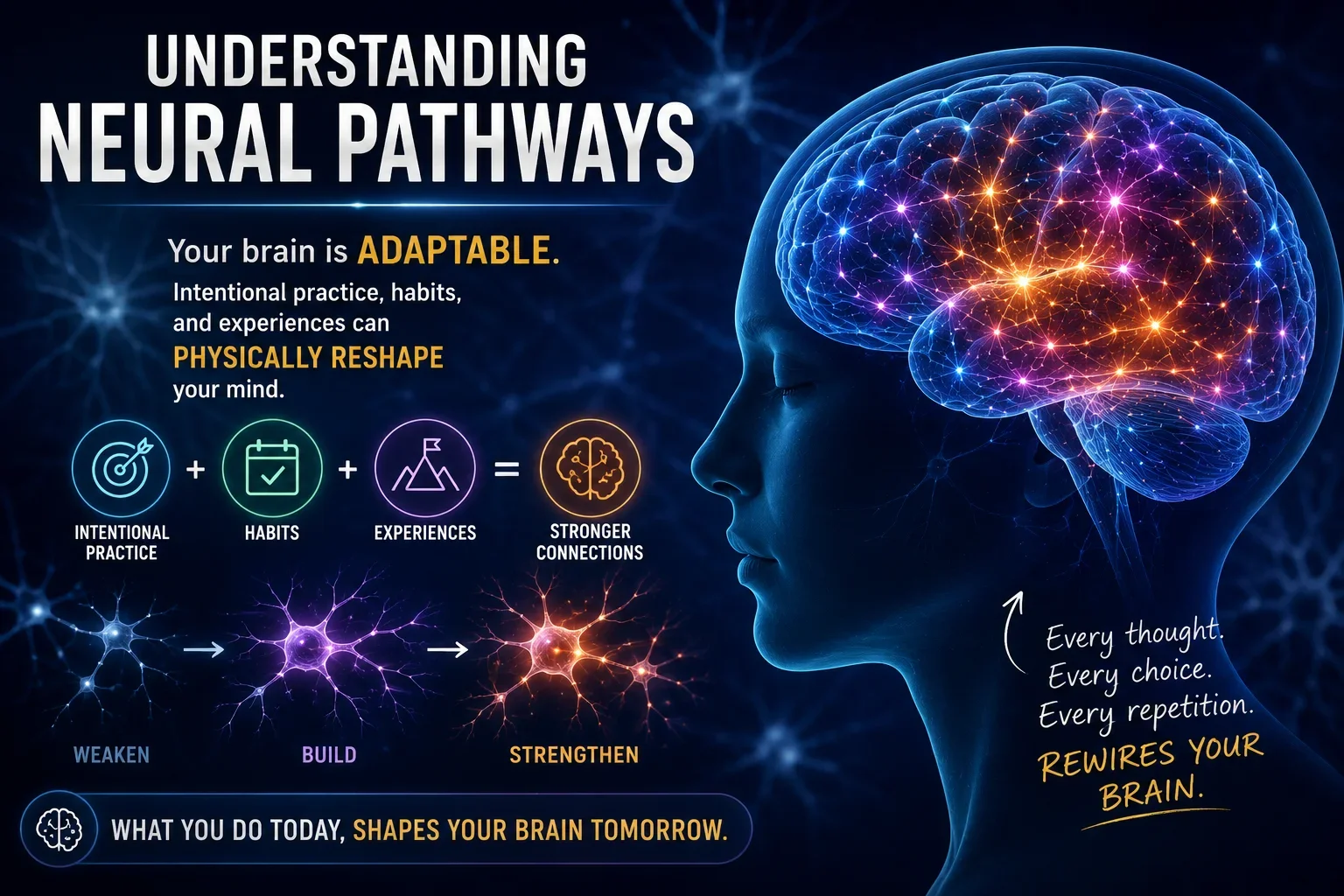
Have you ever felt stuck in a thought or habit? Neural pathways shape who we are, unlocking them could transform your mind and life. Understanding what a neural pathway is offers insight into rewiring your brain for growth, healing, and endless possibilities.The Power of Neural Pathways: Unlocking Your Brain’s PotentialWhen you ask, what is a neural pathway, you’re probing the very architecture of the human mind. These biological “highways” are how every thought, movement, emotion, and sensation travel, forming networks that guide everything from your morning routine to lifelong learning. Understanding neural pathways lets you harness your brain’s adaptability, a concept backed by modern neuroscience that shows how intentional practice, habits, and experiences can physically reshape your mind. Neural pathways aren’t static. Throughout our lives, our brains build, strengthen, or weaken these connections based on what we do, think, and experience. Whether you want to break a bad habit, learn a new skill, or recover after injury, unlocking and rewiring neural pathways is key. Recent brain research highlights just how powerful neuroplasticity is—your ability to rewire neural connections enables growth, healing, and even recovery from traumatic events. By understanding and actively engaging with your neural pathways, you empower yourself to take charge of your mental and emotional wellbeing, paving the way toward a more adaptable and fulfilling life."Neural pathways are the highways of the brain—every sensation, thought, and movement travels this intricate network." — Dr. Olivia Carter, Cognitive NeuroscientistWhat You’ll Learn About Neural PathwaysDefinition of neural pathways and why they matterKey types of neural pathways: sensory pathway, motor pathway, associative pathwaysHow neural pathways relate to the spinal cord, basal ganglia, and dorsal columnWays to strengthen or rewire neural pathwaysExpert insights and scientific perspectivesWhat Is a Neural Pathway? Core Concepts and DefinitionsUnderstanding Neural Pathways in the Brain and Nervous SystemAt its core, the answer to what is a neural pathway revolves around the structure of the nervous system—an interconnected mesh of neurons communicating through chemical and electrical signals. Each neural pathway traces a specific route through this system, carrying messages across the brain and spinal cord to coordinate movement, interpret sensation, or even summon a memory. These routes are not random; rather, they carve patterns from the repetition of thought, experience, or behavior. A neural pathway allows for efficient signaling, meaning frequent use makes the pathway stronger and more automatic over time. The nervous system depends on these well-established tracks for nearly every bodily function. For example, the ascending sensory pathways relay touch, temperature, or pain signals from the skin through spinal cord tracts like the dorsal column to the brain’s somatosensory cortex. In contrast, descending motor pathways transmit movement commands from the primary motor cortex through the corticospinal tract to activate muscles. Thanks to their intricate design, neural pathways allow for quick processing and complex integration across regions such as the basal ganglia, white matter, and cerebral cortex, ensuring seamless body-brain coordination.Key Roles of Neural Pathways in Behavior and LearningNeural pathways are instrumental in shaping how we act and learn. Each time a child learns to tie their shoes or an adult remembers a name, a specific neural circuit lights up. Through repetition and experience, these circuits become reinforced, transforming conscious effort into automatic skill. The adaptability of neural pathways—known as neuroplasticity—enables us to form new habits, break old ones, and even recover abilities lost to injury. Learning and memory go hand-in-hand with the strengthening of synaptic connections within these neural networks. Practice and repetition cement pathways, while new experiences foster alternate routes for learning. For instance, playing an instrument engages both the motor pathway for movement and associative pathways for rhythm and memory. This intricate dance between various pathways makes every learning experience an act of subtle transformation, highlighting just how much our brains are capable of changing across a lifetime."A neural pathway is essentially a series of connected neurons that send signals throughout the brain and body." — Journal of NeuroscienceTypes of Neural Pathways: Sensory, Motor, and AssociativeSensory Pathway: Carrying Information from the Body to the BrainThe sensory pathway is vital for how we interpret the world. Sensory neurons within the peripheral nervous system detect touch, temperature, pain, and pressure, sending this data up through structures like the dorsal root, root ganglion, and dorsal column. This journey ends in the somatosensory cortex of the cerebral cortex, where the brain deciphers the input. The dorsal column, medial lemniscus, and pyramidal tracts travel together, transmitting nuanced sensory information such as vibration, proprioception, and precise touch. The thoroughness of these ascending sensory tracts allows us to instantly recognize a warm mug or sharp pinprick. The integrity of these neural pathways is essential for feeling and responding to our environments. Damage to the sensory pathway—by trauma, illness, or degeneration—can result in numbness, pain, or loss of sensation, underscoring just how critical these connections are for daily life.Motor Pathways: Managing Movement and CoordinationMotor pathways are responsible for our every voluntary action, from lifting a finger to running a marathon. The journey begins in the primary motor cortex, where motor neurons fire signals that descend through the corticospinal tract, synapsing in the spinal cord and sending impulses outward to the muscles. In this relay, structures like the white matter, pyramidal tract, and even cerebellar peduncles play pivotal roles in transmitting accurate and coordinated commands. This communication is vital for fluid, coordinated movement. Deficits or injury within the motor pathway can impair muscle strength, balance, or precision. For instance, diseases that affect motor neurons (such as ALS) or trauma to the spinal cord disrupt these neural highways, resulting in impaired mobility or paralysis. The robustness and flexibility of motor pathways are why practice, rehabilitation, and therapy can help recover function after an accident or illness.Associative Neural Pathways: Connecting Thoughts, Emotions, and MemoriesWhile sensory and motor pathways cover the basics of feeling and doing, associative neural pathways handle the processing, linking, and interpretation in between. These pathways crisscross multiple regions, integrating memory, emotion, and higher-order thinking. Systems like the basal ganglia and cerebral cortex play leading roles here, enabling us to recognize patterns, solve problems, and recall memories. Associative pathways explain why hearing a song might bring back an old emotion or how repeated thoughts can become ingrained beliefs. Their flexibility allows for creative connections, adaptation after trauma, and the rewiring seen in therapeutic interventions. Understanding these pathways is crucial for professions like psychology, cognitive behavioral therapy, and mental health, where targeted interventions can help reshape thinking and emotional habits.Major Types of Neural Pathways and Their FunctionsTypeMain FunctionKey StructuresSensory PathwayTransmits sensory information from body to brainDorsal column, dorsal root ganglion, somatosensory cortex, medial lemniscusMotor PathwayDirects voluntary movement signals from brain to musclesPrimary motor cortex, corticospinal tract, motor neurons, white matterAssociative PathwayLinks memories, emotions, and complex thinkingBasal ganglia, cerebral cortex, substantia nigra, cerebellar peduncleUnderstanding how neural pathways are formed and reinforced is essential for anyone looking to make lasting changes in their habits or resilience. For practical strategies on building positive routines and protecting your mind from daily stressors, explore how micro habits can help armor your mind against stress and boost resilience.The Anatomy of Neural Pathways: Basal Ganglia, Spinal Cord, and the Dorsal ColumnHow the Spinal Cord Supports Neural PathwaysThe spinal cord is the main conduit for messages traveling between the brain and body. Acting as a relay station, the spinal cord manages ascending sensory inputs via the dorsal columns and descending motor instructions through the corticospinal tract. Bundles of white matter in the spinal cord create protected “tracks” for these signals to move efficiently and accurately. When considering what is a neural pathway, the spinal cord is where much of the magic happens. For instance, the dorsal root receives sensory input, transmitting it through the dorsal column to higher brain centers, while motor neurons descend and exit via the ventral root. Disruption to this area—by trauma or disease—often results in profound changes to sensation or mobility, emphasizing how integral the spinal cord is to effective neural pathway functioning.Functions of the Basal Ganglia in ProcessingThe basal ganglia are a group of deep brain structures crucial for regulating movement, rewards, habits, and routines. They interact with motor, sensory, and associative neural pathways, filtering and fine-tuning signals before they reach the motor cortex or influence behavior. The interaction between the substantia nigra, striatum, globus pallidus, and other nuclei within the basal ganglia is key for smooth, coordinated motion and for learning new motor skills and habits. Deficits in the basal ganglia are linked to disorders like Parkinson’s disease, obsessive-compulsive disorder, and addiction, underscoring how disruptions in this region's neural pathways profoundly impact both physical movement and behavior. The basal ganglia's ability to adapt highlights the potential for targeted therapies and rehabilitation to rebuild healthier patterns after diagnosis or brain injury.Role of the Dorsal Column in Sensory PathwaysThe dorsal column plays a pivotal role in the sensory pathway, carrying fine touch, vibration, and proprioceptive signals from the body up the spinal cord to the medulla oblongata, then relaying the input through the medial lemniscus to the somatosensory cortex. This system ensures we can discriminate between different textures, shapes, and positions, forming the backbone for both protective reflexes and complex emotional responses triggered by sensation. Disorders affecting the dorsal column—whether from spinal injury or diseases like multiple sclerosis—interfere with the brain's ability to accurately interpret sensory information, sometimes leading to numbness or loss of balance. This makes the dorsal column critical for everyday functioning and recovery from neurological conditions."Disruptions or damage to specific neural pathways can profoundly impact motor function and sensation." — Dr. Aisha Patel, NeurologistHow Are Neural Pathways Formed, Strengthened, and Changed?Neuroplasticity: The Brain’s Ability to Rewire Neural PathwaysOne of the brain’s most remarkable features is its neuroplasticity—the ability to change, adapt, and reorganize its neural pathways throughout life. Neuroplasticity is how learning, memory, and recovery are possible after injuries such as stroke or trauma. New experiences cause neurons to forge fresh synaptic connections, while repeated behaviors—or even thoughts—strengthen these links, making actions more automatic. Studies show that practicing new skills, like learning an instrument or language, not only activates but also physically reshapes the neural circuitry involved. This continuous rewiring underscores the importance of both positive experiences and intentional repetition for optimal brain health. Interventions like cognitive behavioral therapy, physical rehabilitation, and even mindfulness meditation rely on neuroplasticity to help individuals replace unhelpful pathways with more adaptive ones.Habits and Repetition: Cementing Neural Pathway ConnectionsEvery time you repeat an action or thought, you are reinforcing the corresponding neural pathway—this is the science behind habit formation. The more frequently a pathway is used, the thicker (and faster) it becomes, which is why skills feel automatic over time. Breaking a habit or learning a new one requires activating new pathways through consistent repetition, ensuring the brain learns and transitions to the new routine. Strategies to cement neural pathway connections include deliberate practice, positive reinforcement, and consistent exposure to new challenges. The process may be slow at first, but with patience and focus, the brain naturally adapts. Just as a well-trodden trail becomes easier to walk, repeated brain activity smooths and strengthens neural routes, setting the stage for lasting personal change.Practice and repetitionConsistent learningPositive reinforcementWhy Do Neural Pathways Matter for Health, Behavior, and Recovery?Examples: Overcoming Bad Habits and Adopting New OnesEveryday behaviors—both good and bad—are the results of years of neural pathway reinforcement. Overcoming bad habits (such as smoking or procrastination) requires intention, repetition, and sometimes the guidance of professionals to weaken an old pathway while strengthening a new, healthier one. Techniques like swapping behaviors, mindfulness training, or positive reinforcement exploit neuroplasticity, making new routines eventually feel effortless. Conversely, adopting beneficial habits—like regular exercise, healthy eating, or meditating—activates entirely new associative, sensory, and motor pathways. Each repetition further engrains the routine, eventually making it second nature and part of your identity. This dynamic highlights how understanding and leveraging neural pathways can drive genuine transformation in health and wellness.Role of Neural Pathways in Rehabilitation After InjuryRecovery from brain injury, stroke, or spinal cord trauma is often measured by the brain’s ability to use existing or alternate neural pathways. Rehabilitation professionals harness the principles of neuroplasticity with targeted therapy, retraining patients to move, speak, or perform daily tasks as new circuits are formed and strengthened. Physical therapy, occupational therapy, and cognitive rehabilitation all rely on repeated practice, consistent challenges, and supportive feedback to encourage the brain to “remap” lost functions. Though results vary by individual, this approach has enabled many to regain independence and thrive after life-changing injuries, offering hope and optimism to patients and families alike.Mental Health Implications and Neural RewiringNeural pathways play a crucial role in mental health. Patterns of thought, mood, or behavior—whether healthy or unhelpful—are embedded in associative neural networks. Therapeutic interventions, such as cognitive behavioral therapy (CBT) and mindfulness-based practices, aim to disrupt maladaptive circuits and foster healthier, more resilient patterns. Modern neuroscience has begun to map how these changes are reflected physically in the brain, showing that targeted interventions not only shift mental states but also reshape synaptic connections. This has revolutionized mental health treatment, giving clinicians new tools for empowering lasting positive change and recovery from depression, anxiety, addiction, and more."Therapeutic approaches that target neural pathways are opening new doors in mental health and neurorehabilitation." — American Journal of PsychiatryPeople Also Ask about Neural PathwaysHow do you strengthen neural pathways?Answer: Strengthening neural pathways involves repeated practice, learning new skills, engaging in novel activities, and mindfulness techniques that promote plasticity and connectivity within the brain’s networks. The more frequently a pathway is engaged, the more robust and efficient it becomes. This can include learning a musical instrument, solving puzzles, exercising, or even consistent meditation.How long does it take to rewire your neural pathways?Answer: The process is highly individualized, depending on the complexity of the task and frequency of practice. Neural pathway changes can begin within weeks, but strengthening them for lasting change may take months or longer. Consistency, patient repetition, and positive reinforcement are essential for establishing durable neural adaptations.Do neural pathways ever go away?Answer: While some pathways weaken with disuse, the neural architecture often remains, making it easier to reactivate those connections later with practice and exposure. This “use it or lose it” phenomenon means old skills can often be revived with training, even after a period of inactivity.What damages neural pathways?Answer: Neural pathways may be damaged by trauma (such as injury or stroke), degenerative diseases (like multiple sclerosis), substance abuse, or chronic stress—all of which can disrupt normal signaling in the brain and nervous system. Prompt intervention and rehabilitation are crucial for optimizing recovery and function when damage occurs.Frequently Asked Questions about Neural PathwaysCan adults create new neural pathways?What role do neural pathways play in memory?How does exercise benefit neural pathways?Are neural pathways permanent?Key Takeaways on What Is a Neural PathwayNeural pathways are fundamental to brain function and personal transformation.Both biology and behavior shape how neural pathways form, strengthen, or weaken.Awareness and intentional practice can harness the power of neuroplasticity for growth and healing.Glossary of Key Neural Pathway TermsTermDefinitionNeural PathwayA series of connected neurons responsible for transmitting signals in the brain and nervous system.Sensory PathwayRoutes that carry sensory information from the body to the brain.Motor PathwayNeural connections transmitting movement commands from the brain to muscles.Basal GangliaBrain structures essential for movement regulation, learning, and habits.Dorsal ColumnA spinal cord tract carrying touch and proprioception signals to the brain.NeuroplasticityThe brain's lifelong ability to reorganize and form new neural pathways.Explore More about Neural Pathways and Brain Health Today"Our understanding of neural pathways is the bridge to a healthier, more adaptable brain." — Dr. Linh Tran, Clinical NeuropsychologistIf you’re fascinated by how neural pathways influence not just learning and habits but also our deepest emotions and impulses, there’s even more to uncover. Dive into the neuroscience behind powerful drives like revenge and discover how the brain’s circuitry shapes our most complex behaviors in this in-depth exploration of the revenge brain. By understanding the broader landscape of neural networks, you’ll gain advanced insight into both the light and shadow sides of human nature—empowering you to navigate your own mind with greater awareness and mastery.Discover more trusted information like this at: NCWellnessHub.comBy exploring and understanding what is a neural pathway, you take the first step toward unlocking your own potential for lifelong growth, healing, and positive change. For the latest science and expert guidance, continue your journey at NCWellnessHub. com.Understanding neural pathways is essential for comprehending how our nervous system functions. The article “Neural pathway” on Wikipedia provides a comprehensive overview, detailing the structure and function of these pathways, including their roles in transmitting signals between different regions of the nervous system. (en.wikipedia.org) Also, the “Neural Pathway - an overview” article on ScienceDirect offers in-depth insights into the anatomical and functional components of neural pathways, discussing how they are organized and how they facilitate communication within the nervous system. (sciencedirect.com) If you’re serious about delving deeper into the intricacies of neural pathways, these resources will provide you with valuable information and a solid foundation for further exploration. NCWellnessHub.com


Mental Health Matters: Why Raleigh-Area Stress Is Real and How to Handle It

Feeling overwhelmed in Raleigh isn't just in your head—it's a shared reality. Mental health struggles touch us all, but help exists. Recognizing this truth is the first step to healing and accessing effective mental health services in North Carolina. Discover how local mental health resources North Carolina can empower you to reclaim peace and resilience today.Why Stress and Mental Health Struggles Are Prevalent in Raleigh, North Carolina"In the storm of overwhelm, recognition is your lighthouse. Acknowledging the waves is the first step to calm shores."Raleigh has become one of the fastest-growing cities in the United States, celebrated for its cultural diversity and economic opportunities. However, with this rapid growth comes increased pressure—rising housing costs, competitive job markets, busy school environments, and heavier traffic all contribute to heightened daily stress. For many, these modern stressors lead to anxiety, depression, and feelings of isolation, especially if adequate mental health resources and behavioral health services in North Carolina are not known or easily accessible.Recent years have seen an uptick in reports of burnout among working professionals and students alike in Raleigh. While the city’s reputation for opportunity and community is well-deserved, it’s essential to recognize the lived experience of those struggling quietly. The stress is not simply individual—it reflects broader societal and economic trends, making collective solutions even more important. Understanding and accessing appropriate mental health services and behavioral health support, including tailored plans, to address these unique local challenges gives Raleigh residents the best chance at well-being.What You'll Learn About Mental Health Resources North CarolinaKey causes of stress and mental health challenges in RaleighOverview of mental health resources North Carolina offersStep-by-step guide to accessing mental health servicesRole of primary care providers in behavioral health supportHow to find tailored plans for specific needs, including developmental disabilities and substance abuseThis guide equips you with practical tools for finding effective mental health support and care providers in Raleigh and across North Carolina. We’ll cover the warning signs, outline the types of help available, and highlight steps to take for immediate and long-term care. You’ll also learn how primary care and specialized care providers are key partners on your road to recovery.As you explore the different types of mental health challenges, it's important to recognize that not all struggles look the same—some individuals may experience shyness, while others face more complex conditions like avoidant personality disorder. For a deeper understanding of these distinctions and how they impact daily life, you might find it helpful to review the key differences between shyness and avoidant personality and how each can influence your approach to seeking support.Understanding Mental Health, Mental Illness, and Developmental Disabilities in North CarolinaDefining Mental Health, Mental Illness, and Developmental DisabilitiesMental health means more than just the absence of disease; it’s the ability to handle daily stress, build healthy relationships, and live productively. Mental illness refers to diagnosable disorders such as depression, anxiety, bipolar disorder, and schizophrenia that significantly impact mood, thinking, or behavior.In North Carolina, understanding these definitions also includes recognizing developmental disabilities, which are lifelong conditions impacting cognitive or physical functioning, like autism spectrum disorder or Down syndrome.North Carolina’s mental health resources and health services are designed to address these broad challenges. Treatment options often combine behavioral health services, peer support programs, individualized counseling, and tailored plans for those also facing traumatic brain injury, substance abuse, or dual diagnoses. A coordinated approach—often beginning with a trusted primary care provider—helps residents access both routine mental health care and emergency behavioral health support as needed.Mental Health in Raleigh and Across North CarolinaMental Health Trends: North Carolina vs. National AveragesNorth CarolinaNational Average (U.S.)% of adults with mental illness21.7%19.1%% of youth with at least one major depressive episode16.2%14.4%% reporting frequent stress28.3%25.7%% who could not access needed mental health services16%11.8%Data shows mental health challenges are common in North Carolina, and access to mental health services is still a struggle for many—making awareness of available resources more important than ever.Types of Mental Health Resources North Carolina Residents Can AccessPublic and Private Health Services: Local and Statewide OptionsCounseling centersSupport groupsOnline behavioral health platformsMental health crisis hotlinesFrom counseling centers in Raleigh’s communities to statewide telehealth options, North Carolinians have access to a rich tapestry of public and private mental health services and health service providers. Crisis hotlines are available 24/7, connecting callers to immediate support, while peer support groups offer a chance for individuals with lived experience to help each other. These services are complemented by online behavioral health platforms that facilitate confidential appointments and chat-based care, now more accessible thanks to telemedicine laws.Public-funded mental health resources, such as clinics operated by county health departments, exist alongside private practices and specialized treatment centers. Whether your need is urgent—such as a mental health crisis hotline or a mobile crisis team—or ongoing, like scheduled therapy at a managed care facility, you can find help for everything from mild stress to severe mental health issues. It’s these multiple layers of health services that make North Carolina’s system adaptable, though finding the right fit can require a tailored approach.Primary Care Providers and Their Role in Mental Health ServicesA trusted primary care provider is often your first and most important ally in accessing mental health services and managing mental illness. They can screen for symptoms of mental illness, provide initial guidance, and refer you to specialists in behavioral health. In many cases, they coordinate your treatment plan, making sure medications and therapies work together safely.Importantly, your primary care provider will track overall wellness, considering not just mental but also physical conditions, such as a history of traumatic brain injury or chronic illnesses that affect mood. They can also provide education about preventing fraudulent text scams, which have become a concern in health service communication—never trust a request for payment by text, and always verify before sharing information. Many practices in Raleigh now offer integrated behavioral health support, including access to peer support specialists right in the clinic.Tailored Plans: Addressing Substance Abuse and Developmental DisabilitiesSome individuals need a tailored plan, especially when facing substance abuse challenges or living with developmental disabilities, to ensure comprehensive mental health care. These plans go beyond one-size-fits-all care. In North Carolina, specialty programs within community mental health centers and state-funded agencies offer team-based approaches—bringing together therapists, peer support specialists, social workers, and medical professionals for holistic support.Accessing peer support is especially valuable for those with lived experience in recovery from substance use disorder or adapting to life with a traumatic brain injury. Peer support groups and peer support specialists are trained to help others navigate the emotional, social, and practical challenges associated with recovery. With a tailored plan, individuals can also connect to managed care networks for medication, therapy, transportation, and help with daily life skills, ensuring comprehensive, ongoing support.Navigating North Carolina's Health Service SystemNavigating North Carolina's health service system and mental health services can feel overwhelming, but knowing where to start helps. Local managed care organizations (LME/MCOs) coordinate services in each county. They offer helplines, online directories, and guidance for people with mental illness, as well as tailored plans for those with developmental disabilities or substance abuse concerns. Start by reaching out to your county’s mental health crisis team or visiting their website to view their network of providers.Peer support groups and mobile crisis units are accessible through local health departments and regional partners. For urgent help, you can call or text a crisis line, and in emergencies, mobile crisis teams can come to you. When choosing a care provider, check for specialization in your area of concern, such as dual-diagnosis (mental health plus substance abuse) or resources for adults with traumatic brain injury. Remember—North Carolina prioritizes access, but wait times can vary, especially for specialized services, so don’t delay reaching out if you see warning signs.How to Access Mental Health Services in Raleigh and North CarolinaInitial Assessment: When to Seek a Primary Care ProviderRecognizing warning signsHow to approach a primary care providerSteps after diagnosisThe starting point for many is recognizing the warning signs that it’s time to seek help. These can include persistent sadness, withdrawal from social activities, difficulty sleeping, changes in appetite, and trouble focusing. If you or a loved one notice these symptoms, schedule a visit with your primary care provider. They are trained in the early detection of mental health conditions and can perform an initial diagnosis.After your initial appointment, your provider will discuss next steps: they may prescribe medication, refer you to a behavioral health specialist, or suggest local peer support or a support group. In urgent situations, such as threats of self-harm, they may direct you to a mobile crisis unit or call or text a specific local or national mental health hotline. Mental health support often involves multiple professionals, so expect a care plan tailored to your unique needs.Working With Care Providers: Building a Support NetworkBuilding a strong support network means connecting with a team of care providers—therapists, social workers, nurses, and peer support specialists—who work in partnership for your recovery. Successful mental health care in North Carolina deeply values communication and collaboration.Once you find a mental health or care provider you trust, attend regular appointments, be honest about symptoms, and keep the lines of communication open. You can strengthen outcomes by bringing in family or friends to offer additional perspective and encouragement. Support groups, in-person or online, connect you with people who have navigated similar journeys and provide valuable lived experience. Embracing the full circle of behavioral health services paves the way for lasting improvement.Insurance, Free Options, and Financial Support for Mental Health ServicesFinances shouldn’t be a barrier to gaining mental health support. In North Carolina, many community mental health services operate on a sliding scale based on income. Medicaid, Medicare, and private insurance plans often cover core services, including therapy, medication, and inpatient or outpatient care. For people without insurance, city and county clinics frequently offer free or low-cost options, and many counseling centers provide payment assistance or charitable support.Be cautious of fraudulent text scams claiming to provide free health services but then request payment by text—always verify the organization directly. The state’s network of vetted care providers and managed care options means you can get help safely and affordably. Don’t hesitate to ask about available grants, nonprofit programs, or peer-support-based financial aid as you explore your options.People Also Ask: Key Questions on Mental Health Resources North CarolinaDoes North Carolina have free mental health services?Answer: Explore options for free and sliding-scale mental health services, eligibility criteria, and how to apply in North Carolina.Yes, North Carolina offers a range of free and sliding-scale mental health services, especially through county health departments, non-profit counseling centers, and community clinics. Eligibility is typically based on income and residency. To apply, contact your local health department, visit their website, or call the statewide behavioral health helpline. Emergency mobile crisis units are available at no cost, and online platforms may offer initial consultations for free. Peer support and group therapy options are commonly provided at reduced or no cost for qualifying residents.What is the 3 month rule in mental health?Answer: Explanation of the "3 month rule," its relevance to ongoing care, and how it applies within North Carolina’s mental health system.The "3 month rule" in mental health typically refers to the need for continuous care or assessment over three months before a diagnosis moves from "provisional" to "confirmed." This is important for conditions such as depression or anxiety, ensuring the diagnosis is accurate and treatment is appropriate. In North Carolina, adhering to this rule allows providers to implement a tailored plan and helps patients access longer-term behavioral health services, including insurance and Medicaid coverage options.Does North Carolina have good mental health services?Answer: Objective overview of system strengths, challenges, and expert viewpoints on mental health services in North Carolina.North Carolina's mental health services system offers a broad array of support, including public clinics, private therapists, and innovative programs like peer support specialists and mobile crisis teams. Strengths include diversity of services and community integration. Challenges remain, such as provider shortages in rural areas and wait times for specialized care. However, the state’s commitment to improving access and reducing stigma is evident, and experts urge continued investment in integrated, community-based mental health support.What are the four types of mental health services?Answer:North Carolina offers four primary types of mental health services:Inpatient care—24/7 treatment in a hospital setting, often for crisis stabilization.Outpatient services—Scheduled treatment sessions at clinics or with private therapists, allowing clients to live at home.Residential programs—Long-term supportive housing with daily behavioral health interventions.Community-based services—Peer support groups, case management, and support specialists who help with daily life in clients’ own communities.Key Takeaways: Navigating Mental Health Services in North CarolinaUse of local health services yields effective supportEarly intervention, especially via primary care providers, greatly improves outcomesFree and affordable care options are available statewideSpecialized resources exist for developmental disabilities and substance abuseFAQs About Mental Health Resources North CarolinaHow do I find a mental health care provider in Raleigh?Start by asking your primary care provider for a referral or use online directories provided by your county’s LME/MCO (Local Management Entity/Managed Care Organization). Community clinics and non-profit groups like NAMI North Carolina can help match you with peer support, therapy, or a specialist based on your needs.Are developmental disabilities services available through mental health resources North Carolina?Yes, North Carolina’s mental health services include comprehensive support for developmental disabilities. Specialized clinics, tailored plans, and care coordinators offer resources for both children and adults—these include therapy, life skills training, and family support.What emergency contacts are available for mental health crises?In a mental health emergency, you can call or text the NC Suicide and Crisis Lifeline (988), your county’s crisis hotline, or reach out to a mobile crisis team. Hospitals and many clinics have on-call behavioral health staff 24/7, and national resources like the Crisis Text Line (text HOME to 741741) are also available.The Importance of Using Mental Health Resources in North Carolina"Access to comprehensive mental health services in North Carolina is one of the most significant factors in overcoming the stigma and barriers surrounding mental illness."Local experts routinely highlight that seeking help—whether from primary care providers, peer support specialists, or a support group—makes a tangible difference in recovery. Removing the barriers, prioritizing communication, and using the whole spectrum of behavioral health resources are major keys to community and individual resilience.Conclusion: Taking the First Step Toward Better Mental Health with North Carolina ResourcesEmpower Yourself—Reach Out to a Mental Health Provider Near You TodayTaking one small step—reaching out to a mental health provider, calling a crisis hotline, or joining a peer support group—can change your life. North Carolina’s compassionate, accessible resources are here for you, every step of the way.If you’re interested in how mental health support is evolving in North Carolina, especially for younger populations, you’ll want to explore how innovative school telehealth programs are making a difference. Discover how remote therapy is being integrated into local schools and what this means for early intervention and long-term well-being by reading about Cone Health’s leadership in school telehealth and remote therapy.Expanding your knowledge of these forward-thinking solutions can help you or your loved ones access care more easily and stay ahead of the curve in mental wellness. Embracing new approaches and staying informed ensures you’re prepared to make the most of North Carolina’s growing network of mental health resources.Experience moving stories from North Carolina residents who have faced stress, sought help, and found new hope through local support services and caring professionals.Watch this guide for hands-on tips to find, contact, and access the right mental health providers in Raleigh and across North Carolina.SourcesNC Department of Health and Human Services – https://www.ncdhhs.govNAMI North Carolina – https://nami.nc.orgSubstance Abuse and Mental Health Services Administration – https://www.samhsa.govCDC Mental Health – https://www.cdc.gov/mentalhealthAccessing mental health resources in North Carolina is crucial for individuals seeking support. The North Carolina Department of Health and Human Services offers comprehensive crisis services, including 24/7 helplines and mobile crisis teams, ensuring immediate assistance is available statewide. (ncdhhs.gov)In addition, the National Alliance on Mental Illness (NAMI) North Carolina provides support groups, educational resources, and advocacy for those affected by mental health conditions. (naminc.org)For healthcare providers, the North Carolina Psychiatry Access Line (NC-PAL) offers mental health consultation and education to enhance care for children, youth, and families. (ncpal.org)These resources collectively contribute to a robust support system for mental health across the state.For more mental health related topics, you may find this LINK helpful.

Discover the Hidden Genes That Contribute to Alzheimer's Disease

Did you know that certain hidden genes increase Alzheimer's risk, affecting millions worldwide? Unlocking these genetic clues can transform prevention and treatment strategies, offering hope and clarity in the fight against this devastating disease. Understanding these genes empowers us to take proactive steps today.A New Understanding: How Genes That Contribute to Alzheimer's Disease Are UnveiledIn recent years, our knowledge of the genes that contribute to Alzheimer's disease has undergone a revolution. Scientists have pinpointed a collection of specific gene variants that not only increase the risk factor for developing Alzheimer's but also clarify why some individuals are far more susceptible than others. Research shows that genetic studies have uncovered both well-known and newly identified ad gene variants, such as the APOE4 allele, which stand out as major risk genes. Through advanced genome sequencing and analysis, researchers have mapped out which variants play a role in amyloid plaques and brain cell changes—fundamental processes behind Alzheimer's progression.The ability to identify these genetic risk factors marks a new era in dementia research and clinical care. By understanding which gene variants influence disease risk most profoundly, we open the door to potential new therapies and more personalized prevention strategies. This knowledge also impacts individuals living with a family history of Alzheimer's, providing answers and opportunities for early intervention. Importantly, it empowers both patients and families with information and choice, propelling us from uncertainty to proactive health decision-making.“Genetic discoveries are illuminating the root causes of Alzheimer’s, fundamentally changing our approach to diagnosis and care.” – Dr. Margaret Pericak-Vance, geneticistWhat You'll Learn About Genes That Contribute to Alzheimer's DiseaseKey breakthroughs in Alzheimer’s-related genetic researchThe main genes that contribute to Alzheimer’s diseaseHow gene variants can influence disease riskWhy understanding genetic risk factors mattersThe role of genetic testing in personal and family risk assessmentEthical implications and future perspectivesWhy Are Genes That Contribute to Alzheimer's Disease So Influential?Genes that contribute to Alzheimer’s disease don’t work in isolation; they play a role at the core of the biological changes occurring in the brain. Some genetic variants—most notably the APOE4 risk gene—dramatically elevate a person's risk of developing not just Alzheimer’s but certain related dementias as well. These risk variants are responsible for modulating brain cell resilience, amyloid plaque buildup, and neurodegenerative changes. A single variant, such as APOE4, can increase the risk of developing Alzheimer’s several-fold when compared to individuals with the more common APOE3 allele.Understanding why these genes are so influential helps clarify why interventions and preventive measures can be highly personalized. For example, family history becomes not just a story, but a scientifically measured factor, as the sharing of genetic material across generations means that ad risk can be inherited. Additionally, these genotypes influence who might develop the disease earlier or experience related dementia symptoms. Therefore, knowing your genetic landscape—especially if you belong to a population with a higher prevalence of risk genes—offers a powerful tool for proactive care and informed lifestyle choices.“Alzheimer’s is a multifactorial disease, but certain gene variants like APOE4 can increase an individual’s risk several times over.” – Dr. Rudy Tanzi, Harvard UniversityWhile genetic factors are central to Alzheimer's risk, it's important to recognize that cardiovascular health also plays a significant role in brain aging and dementia. For those interested in supporting both heart and brain wellness, exploring the best natural foods to clean out arteries and boost heart health can offer practical strategies that complement genetic insights.Comparing Related Dementia: How Genes Affect Dementia and Alzheimer's RiskThe overlap between genes that contribute to Alzheimer’s disease and those linked to related dementias is profound. While dementia is a broad term, including Alzheimer’s, frontotemporal dementia, and other conditions affecting memory and cognition, many share similar genetic risk factors. Advances in genetic studies have highlighted that certain gene variants increase the risk not only for Alzheimer’s but also for vascular and Lewy body dementias. Identifying these shared genetic threads is essential for improving early diagnosis and tailoring potential treatments across the dementia spectrum.Furthermore, risk genes can vary in their specific effects on disease development. Common variants might have a subtler, cumulative impact, while a rare variant could drastically heighten the risk for an individual or family. Insight into these gene variants—and how they interact with non-genetic risk factors—offers hope for designing interventions that could reduce risk across multiple types of related dementia. With ongoing research, the boundaries between related dementias and Alzheimer's are becoming more defined, yet interwoven by their genetic underpinnings.APOE4: The Main Genetic Risk Factor for Alzheimer's DiseaseThe APOE gene is central to our understanding of genetic risk in Alzheimer’s disease. Among its three major forms—APOE2, APOE3, and APOE4—APOE4 is most closely associated with a significantly higher risk of developing Alzheimer’s. Scientific studies show that carrying one copy of APOE4 doubles or even triples the risk, while those with two copies face yet an even higher risk. The APOE variant is believed to influence amyloid plaque formation, impeding the brain’s ability to clear harmful proteins.Notably, APOE4 does not guarantee Alzheimer’s will develop; environmental and lifestyle risk factors still play an important role in disease risk. Nevertheless, the presence of this risk gene remains the most reliably identified genetic indicator of late-onset Alzheimer’s. Recent genetic testing advancements allow individuals to find out if they carry this variant, providing insight into risk—and, in turn, motivation to pursue preventive steps and clinical discussions that are tailored and evidence-based.Additional Genetic Variants Linked to Higher RiskIn addition to APOE4, a host of other genetic variants have been linked to increased risk for Alzheimer’s and other related dementias. For instance, mutations in the genes APP (amyloid precursor protein), PSEN1, and PSEN2 are recognized as causing familial or early-onset Alzheimer’s. These rare variants play a crucial role in brain cell malfunction by promoting the build-up of toxic amyloid plaques and tau tangles. Beyond these, dozens of other risk variants are under investigation—including those in the TREM2, SORL1, and ABCA7 genes.Each new genetic variant discovered adds another layer of complexity to our understanding of Alzheimer’s risk. While some increase risk slightly, others might only impact an individual within a specific context of family history or ancestry. Importantly, most cases of Alzheimer’s disease are thought to involve a combination of common variants of small effect, rather than a single decisive mutation. As Alzheimer’s genetic studies progress, scientists continue to define which rare and common variants contribute most to disease progression and how future therapies might counteract their impact.“Beyond the well-known genes, more rare variants are being discovered that subtly, but significantly, alter disease risk.” – Nature Reviews NeurologyAre Certain Populations at a Higher Risk Due to DNA Differences?Not all populations face the same risk for Alzheimer’s, due in part to differences in the prevalence of risk genes and genetic variants. Certain ancestry groups, such as those of European descent, tend to have a higher rate of APOE4. Others may carry rare variants unique to specific populations that subtly alter their risk profile. Recent genetic studies are shining a light on underrepresented populations, revealing both protective and risk-related gene variants not previously recognized.Additionally, genetic interplay with environmental and lifestyle risk factors can make certain communities more vulnerable. For example, research has shown that individuals of African, Hispanic, or Finnish descent may encounter distinct genetic risks for Alzheimer’s and related dementia. These revelations underscore the need for more inclusive genetic research, better access to genetic testing, and culturally appropriate preventive programs so that no group is left behind in the effort to reduce disease risk and improve brain health.Breaking Down Genetic Variants: Which Ones Drive Disease Risk the Most?The field of Alzheimer’s genetics is rapidly expanding, but several key gene variants consistently stand out due to their strong association with disease risk. Understanding each variant’s relative contribution helps researchers, clinicians, and patients gauge personal risk and potential therapeutic targets. The following table breaks down some of the most prominent gene variants and what science has revealed about each—helping clarify the spectrum from common, moderate-impact variants to rare, high-risk mutations.Notably, increased risk isn’t merely about a single gene; instead, a combination of risk genes, variants, and other risk factors shapes overall vulnerability. As more is learned about these genetic markers, personalized medicine in related dementia and Alzheimer’s care becomes more realistic, transforming how prevention and intervention are approached.Gene VariantAssociated Risk LevelPrevalenceResearch NotesAPOE4High~20–25% of general population (higher in some groups)Most significant risk gene for late-onset Alzheimer’s; one or two copies increase risk substantially.APPVery High (familial cases)RareMutations cause early-onset familial Alzheimer’s through increased amyloid plaques.PSEN1Very High (familial cases)RareStrongly linked to early-onset and familial cases; second most studied after APOE.PSEN2High (familial cases)Very rareSimilar impact as PSEN1 but less prevalent; also connected to frontotemporal dementia.TREM2ModerateRareInvolved in brain cell immune response and amyloid plaque regulation.SORL1Moderate–HighUncommonAssociated with increased risk in diverse populations; impacts amyloid processing.ABCA7ModerateMore common in African ancestryImpacts amyloid clearance and lipid metabolism.“Family history remains a powerful predictor—if your parents or siblings had dementia, your own risk is considerably increased.” – Dr. Lisa GenovaRisk Factors: Genes, Environment, and Lifestyle InteractionsWhile genes that contribute to Alzheimer’s disease clearly matter, they are not the whole story. Most individuals who develop the disease do so due to a combination of genetic risk, environmental exposures, and day-to-day lifestyle choices. Factors like diet, exercise, heart health, and educational engagement can either heighten or help mitigate the risk—even among those with a higher genetic burden. Understanding how these risk factors interact offers hope and practical tools for reducing Alzheimer’s risk at any age.In particular, recent research shows that healthy living can dampen the impact of high-risk gene variants, such as APOE4. Interventions that target blood pressure, obesity, diabetes, cognitive engagement, and stress have shown promise in helping protect brain health. This interplay between genes, environment, and lifestyle gives everyone the ability to play a proactive role in shaping their own brain health future, regardless of family history or genetic profile.How Gene Variants Combine with Lifestyle and Environmental Risk FactorsGene-environment interactions are crucial in determining the risk of Alzheimer’s and related dementias. For example, individuals carrying the APOE4 variant or other risk genes may still avoid developing the disease if they live a lifestyle that supports vascular and brain health. Factors like regular physical activity, a balanced Mediterranean-style diet, social connection, and consistent cognitive challenge are recognized as powerful buffers—even among high-risk individuals. Additionally, the absence of smoking, moderating alcohol intake, and managing chronic conditions like hypertension can play a key role in reducing overall disease risk.This means that while our genes set the baseline, our choices make a tangible impact. Studies are increasingly confirming that healthy lifestyles can modify the trajectory of genetic risk. Empowering people to take concrete steps—such as getting enough sleep, maintaining healthy cholesterol levels, and managing stress—could significantly reduce their ad risk, regardless of the underlying genetic blueprint. Taking control of these lifestyle factors is one of the most important recommendations emerging from genetic and public health research today.Family History and the Intergenerational Transmission of RiskFamily history remains one of the strongest predictors of future Alzheimer’s and related dementia. Having a parent or sibling with the disease increases your likelihood of developing it, mainly through the sharing of genetic variants like APOE4 or rare familial mutations. While not everyone with a family history is destined to develop the disease, being aware of these risks can drive earlier interventions and more proactive health monitoring. Importantly, family history often reflects both shared genes and environments—blurring the line between inherited and acquired risk factors.Advances in genetic testing and counseling allow families to make more informed decisions about monitoring, prevention, and even reproductive planning. By understanding one’s familial risk, caregivers and individuals can engage with new therapies, clinical trials, and community resources targeted specifically for at-risk groups. Knowledge about intergenerational risk transforms family stories into actionable health strategies, turning fear into informed, empowered action.Genetic Testing: Should You Test for Genes That Contribute to Alzheimer's Disease?As public awareness grows and genetic technology improves, more people are considering genetic testing for Alzheimer’s risk. While the prospect of knowing your risk gene status can be empowering, it raises difficult questions—about anxiety, stigma, decision-making, and privacy. Testing can inform health choices and family discussions but must be balanced by the reality that genes like APOE4 increase the risk; they do not guarantee the development of the disease. Before deciding, it’s critical to talk with genetic counselors and trusted medical professionals.For those with a family history of Alzheimer’s or related dementias, testing can offer clarity, motivate positive actions, and open doors to research participation. However, it’s important to recognize that testing may also surface uncertainties and ethical challenges, especially given that current science has no definitive cure or universally proven prevention. Ultimately, choosing whether to test is a highly personal decision—one best made after considering expert advice, one’s own values, and the latest research on Alzheimer’s disease risk.“Genetic testing can inform, but it does not predict with certainty—it’s one piece of the puzzle.” – NIH Alzheimer’s Fact SheetWhat Happens During a Genetic Test for Alzheimer's Risk?A genetic test for Alzheimer’s risk typically involves a saliva or blood sample, processed at a certified lab. The laboratory analyzes this sample for specific ad gene variants, including but not limited to APOE, PSEN1, PSEN2, and APP. Results are generally reviewed in conjunction with a healthcare provider or genetic counselor, who explains what each variant means for your individual disease risk and how this risk integrates with family history and lifestyle factors. Some genetic testing panels also include a search for newly discovered rare variants identified through ongoing genetic studies.Importantly, receiving genetic test results is rarely a simple yes/no answer. The results often describe the presence or absence of risk gene alleles, along with relative risks and recommended next steps. Individuals with positive results may be offered closer monitoring, early preventive actions, or the chance to participate in clinical trials for targeted therapies. Understanding and interpreting these tests—including their limitations and strengths—is where professional guidance is vital.Pros and Cons of Knowing Your Genetic RiskThe decision to undergo genetic testing for Alzheimer’s is deeply personal, with both potential benefits and drawbacks. On one hand, knowing your risk can empower you to adopt a healthier lifestyle, join research studies, or make plans around long-term care and finances. It can also inform family discussions about future caregiving or reproductive choices. For those with a strong family history, results may validate concerns and inform proactive action.On the other hand, learning you carry a disease-associated gene variant can unsettle, leading to anxiety, changes in self-image, or concerns about discrimination. There are still no guaranteed preventive therapies for Alzheimer’s, so testing may reveal a risk factor that you can’t fully control. These complexities highlight the importance of pre- and post-test counseling, designed to help individuals process both the information and emotions tied to genetic risk insights.Expert Insights: Latest Research on Genes That Contribute to Alzheimer's DiseaseThe pace of Alzheimer’s research is accelerating—every year, new genetic variants and molecular mechanisms are uncovered. Recent breakthroughs using genome-wide association studies (GWAS) have identified dozens of common variants and rare variants that play significant roles in disease risk. Many of these discoveries are shifting the focus toward personalized treatment strategies and preventative care tailored to individual gene profiles. For instance, researchers are now examining how targeting the effects of the APOE4 variant might slow or alter disease trajectory.Additionally, collaborations across countries and population groups are expanding our reach, improving the representation of risk variants unique to underserved communities. The future promises new therapies targeting gene expression and molecular correction in brain cells. These advances highlight the need for continued genomic research, large diverse patient samples, and close collaboration between patients, families, and scientists.“Every year, we gain new understanding of the interplay between different genetic variants and Alzheimer’s progression.” – Dr. Bruce Yankner, neurogenetics researcherEthical and Social Questions Facing Genetic Testing for Alzheimer's RiskAs genetic testing for Alzheimer’s becomes more accessible, it brings with it important ethical considerations. How should society balance the right to know with the risk of discrimination or psychological distress? Who should have access to your genetic information—insurance companies, employers, or only you and your doctor? These questions highlight the social and emotional dimensions that must be addressed as research continues and genetic testing becomes routine.Genetic counseling, strong privacy protections, and public education will be essential to ensure individuals use genetic risk knowledge safely and ethically. This includes protecting vulnerable populations from stigma and misuse of personal health data and guaranteeing that all communities benefit from new discoveries. Ongoing dialogue between scientists, policymakers, and the public will help chart a responsible path forward as technology outpaces guidelines.How Genetic Information Could Shape the Future of Alzheimer's PreventionThe promise of genetic information in Alzheimer’s prevention is enormous. As more risk genes and protective gene variants are identified, the medical community can refine risk prediction, target preventive therapies, and even develop population-wide screening efforts. Someday, genetic profiling could allow the creation of personalized prevention plans—combining tailored lifestyle advice, pharmacological interventions, and enhanced access to early support.At the intersection of genetics and prevention lies true empowerment: future generations could benefit from both medical innovation and informed life choices. Still, the benefits of this future will rest on how effectively we address today's social and ethical challenges—ensuring equity, privacy, and compassionate communication guide every step.People Also Ask: Exploring Common Genetic Questions About Alzheimer's DiseaseWhat is the main gene that causes Alzheimer's?The main gene associated with late-onset Alzheimer's disease is APOE, specifically the APOE4 allele. However, other genes—including PSEN1, PSEN2, and APP—are linked with early-onset and familial forms of the disease.What causes 70% of dementia?Alzheimer's disease accounts for approximately 60–80% of dementia cases, primarily due to the interplay of genetic, environmental, and lifestyle risk factors.Why does Finland have such a high rate of Alzheimer's?Research suggests that certain genetic variants present at higher frequencies in the Finnish population could contribute to higher Alzheimer's prevalence, combined with demographic and health factors.How do I know if I carry the APOE4 gene?Genetic testing through healthcare providers or specialized laboratories can identify whether a person carries the APOE4 gene, a known higher risk factor for Alzheimer's disease.FAQs about Genes That Contribute to Alzheimer's DiseaseWhich other gene variants are being studied for Alzheimer's risk? In addition to APOE, PSEN1, PSEN2, and APP, scientists are investigating variants in TREM2, SORL1, ABCA7, and many others that may influence Alzheimer’s risk across diverse populations.Can adopting a healthy lifestyle mitigate genetic risk? Yes, lifestyle choices such as regular exercise, a heart-healthy diet, and mental engagement can help lower overall disease risk—even for those with higher genetic risk factors.Is genetic counseling available for Alzheimer's? Absolutely. Genetic counseling is recommended before and after testing to help interpret results, manage emotions, and plan next steps based on family and individual risk.Are there preventive therapies targeting gene expression? Research is ongoing, with some therapies in development aiming to correct gene effects at the molecular level, particularly for rare variants and high-risk alleles.What are the ethical concerns around genetic screening? Key issues include privacy, informed consent, the potential for discrimination, and the psychological impact of knowing one's risk—making professional guidance essential.Key Takeaways: What Science Reveals About Genes That Contribute to Alzheimer's DiseaseAPOE4 is the main genetic risk factor discovered so far.Genetic risk is modulated by lifestyle and environment.Ongoing research is rapidly expanding our understanding of disease risk.Informed decisions begin with genetic counseling and trusted testing sources.Awareness is the foundation for proactive health choices.Watch our animated explainer: This concise video illustrates how specific genes (such as APOE4) influence Alzheimer’s disease risk, the interaction of genetics and lifestyle, and the process of genetic testing. Visuals include clean motion infographics, inviting hospital and home scenes, and key expert insights highlighted throughout.NCWellnessHub.com: Your Resource for Trusted Insights on Genes That Contribute to Alzheimer's DiseaseStay curious and informed—discover more trusted information like this at: NCWellnessHub.comUnlocking the hidden genes that contribute to Alzheimer’s disease is key to prevention, timely care, and hope for future generations. Stay engaged, stay informed, and take empowered steps toward brain health today.As you continue your journey toward understanding and managing health risks, it's valuable to recognize how interconnected our body’s systems truly are. For example, research increasingly highlights the links between chronic conditions like diabetes and the risk of developing other serious diseases, including certain cancers. If you’re interested in exploring these broader connections and gaining actionable insights for holistic wellness, take a look at how diabetes and cancer are connected, and what it means for your long-term health strategy. Expanding your knowledge across these topics can empower you to make more informed, proactive choices for yourself and your loved ones.SourcesNational Institute on Aging – https://www.nia.nih.gov/health/alzheimers-disease-genetics-fact-sheetAlzheimer's Association – https://www.alz.org/alzheimers-dementia/research_progress/geneticsJAMA Neurology – https://jamanetwork.com/journals/jamaneurology/fullarticle/2719901Nature Reviews Neurology – https://www.nature.com/articles/s41582-021-00473-1NCBI – https://www.ncbi.nlm.nih.gov/pmc/articles/PMC7603077/Understanding the genetic factors contributing to Alzheimer’s disease is crucial for advancing prevention and treatment strategies. The article “Alzheimer’s genes: Are you at risk?” from the Mayo Clinic provides a comprehensive overview of how specific genes, such as APOE4, influence the likelihood of developing Alzheimer’s, distinguishing between risk and deterministic genes. (mayoclinic.org) Similarly, the Alzheimer’s Association’s resource “Is Alzheimer’s Genetic?” delves into the hereditary aspects of the disease, explaining the roles of various genes and the implications of genetic testing. (alz.org) For those seeking a deeper understanding of the genetic underpinnings of Alzheimer’s, these resources offer valuable insights into how genes affect disease risk and progression. NCWellnessHub.com

Terms of Service

Privacy Policy

Core Modal Title

Sorry, no results found

You Might Find These Articles Interesting

T
Please Check Your Email
We Will Be Following Up Shortly
*
*
*