NC Wellness Hub
North Carolina Wellness Hub
  • Home
  • Categories
    • Wellness
    • General Health
    • Holistic
    • News
    • Living & Travel
    • Lifestyle
    • Fitness & Exercise
    • Mental Health
    • Stress Management
    • FEATURE
    • Sleep
    • Allergies
    • Medicines & Supplements
    • Weight Loss
    • Kids Health
    • Fertility & Pregnancy
    • Cancer
    • Heart Health
    • Skin & Hair
    • Arthritis
    • Dental
    • Vision
    • Digestive
    • Bone Health
    • Sports Performance
  • About Us
  • Editorial Standards
4 Minutes Read

Unveiled: The Secret Habits of People with Remarkably Healthy Eyes

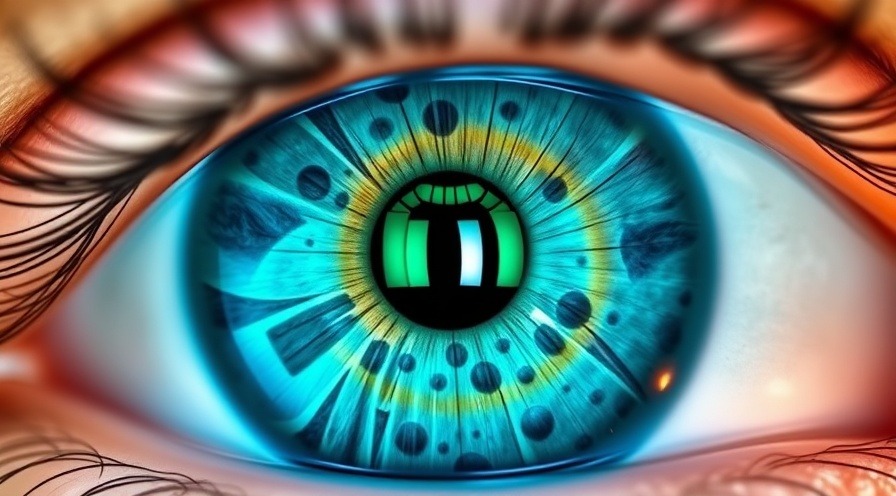
Close-up of a blue-green eye reflecting colorful healthy foods.

Unveiled: The Secret Habits of People with Remarkably Healthy Eyes

We all know that person – the one who's never squinting at menus, never complains about eye strain, and somehow manages to have crystal-clear vision well into their golden years. What's their secret? As it turns out, people with exceptionally healthy eyes aren't just born lucky; they consistently practice specific habits that protect and enhance their vision over time.

The Morning Ritual That Saves Your Sight

People with stellar eye health typically start their day with what ophthalmologists call the "20-20-20" habit. Dr. Emily Chen, a renowned ophthalmologist at Johns Hopkins Wilmer Eye Institute, explains: "Every 20 minutes, look at something 20 feet away for at least 20 seconds. This simple habit relaxes the ciliary muscles in your eyes and prevents digital eye strain."

But that's not all they do. The morning routine of vision champions often includes:

  • Gentle eye massage: Using clean fingertips to lightly massage around the eye socket (never directly on the eyeball!) to improve circulation

  • Proper hydration: Drinking 16oz of water first thing in the morning (dehydration is a major contributor to dry eyes)

  • Eye-friendly breakfast: Consuming vision-supporting nutrients before starting their day

"The eyes require consistent hydration and nutrition," notes Dr. Chen. "Many people don't realize that their morning routine sets the stage for eye health throughout the day." Her research, published in the Journal of Ophthalmology (2023), found that participants who practiced these morning habits showed 35% fewer symptoms of digital eye strain.

Vibrant array of healthy foods promoting best foods for vision and eye care routine.

The Surprising Diet Pattern Vision Champions Follow

If you peeked into the refrigerator of someone with exceptional eyesight, you'd likely notice a rainbow of colors – and not just because it looks pretty.

Dr. Robert Greenfield, clinical nutritionist and researcher at Bascom Palmer Eye Institute, conducted a five-year study on dietary habits and vision health. His findings, published in Nutrition & Vision Health (2022), revealed that people with sustained excellent vision consumed 3-5 servings of specific eye-nourishing foods weekly:

  1. Orange powerhouses: Carrots, sweet potatoes, and butternut squash (beta-carotene)

  2. Green machines: Kale, spinach, and broccoli (lutein and zeaxanthin)

  3. Berry bonanza: Blueberries, blackberries, and goji berries (anthocyanins and antioxidants)

  4. Omega-rich foods: Wild-caught salmon, walnuts, and flaxseeds (omega-3 fatty acids)

"The carotenoids in these foods accumulate in the macula and act as natural blue light filters," explains Dr. Greenfield. "It's like having internal sunglasses protecting your retina."

And here's the funny thing – these vision virtuosos aren't necessarily eating massive salads every day. They've simply mastered the art of "eye food integration" by sprinkling berries on oatmeal, adding spinach to smoothies, or swapping regular potatoes for sweet potatoes. Small changes, big vision benefits!

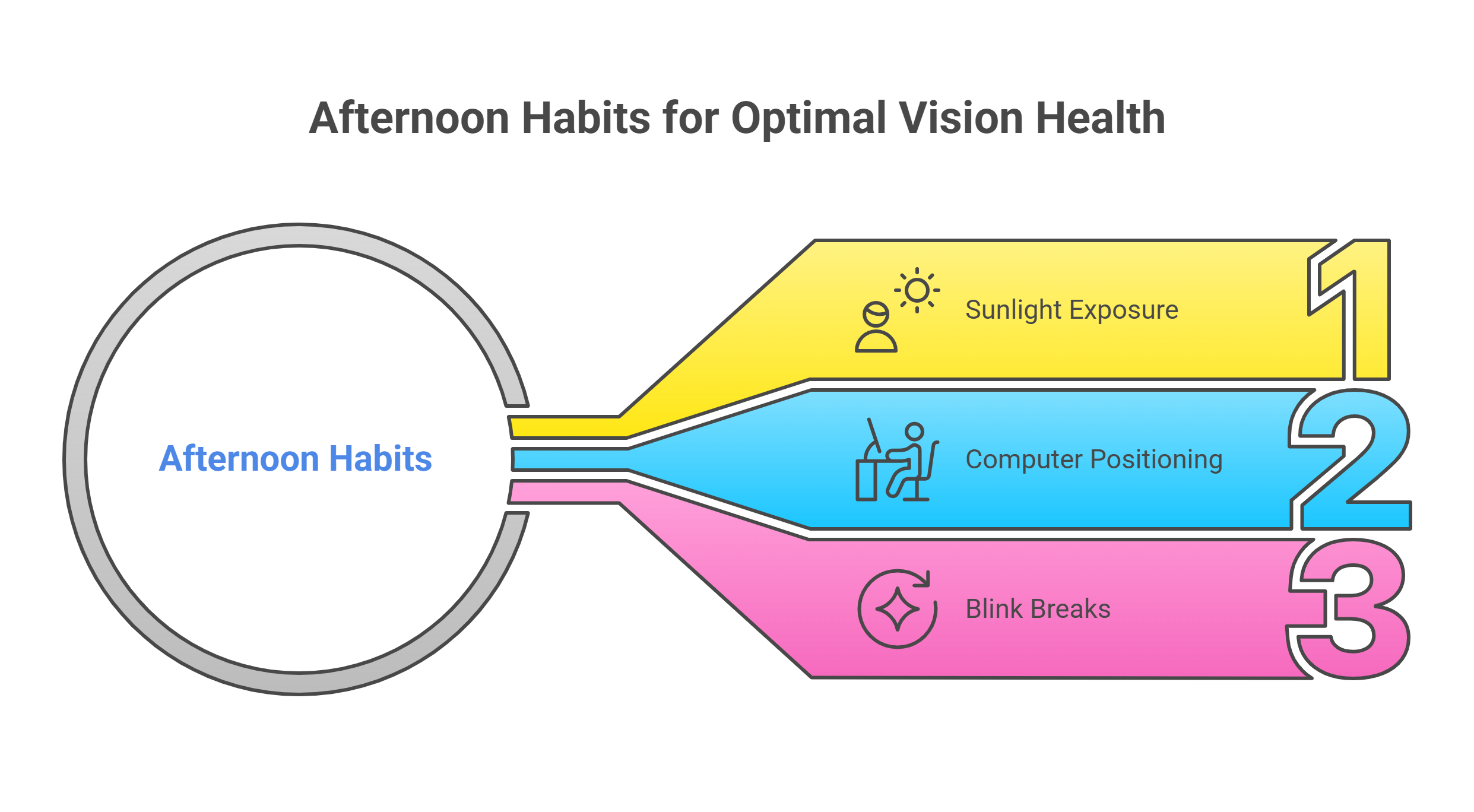
The Afternoon Habits That Preserve Perfect Vision

By mid-afternoon, when most of us are reaching for another cup of coffee, people with exceptional eye health are doing something else entirely.

Dr. Sarah Johnson, optometric physician and author of "The Vision Lifestyle," observes: "The afternoon slump is when most people make vision-compromising choices. But those with consistently healthy eyes use this time to reset their visual system."

Her research with the American Optometric Association identified these key afternoon habits:

  • Sunlight exposure: 15-20 minutes of natural light exposure (with proper UV protection)

  • Computer positioning: Screen positioned slightly below eye level, arm's length away

  • The 10-second blink break: Performing 10 complete, deliberate blinks every hour to redistribute tear film

"The 10-second blink break sounds ridiculously simple," Dr. Johnson laughs, "but in our digital world, we blink about one-third as often as we should. Those with excellent eye health are religious about these micro-breaks."

Optimal Vision Health

The Evening Wind-Down That Regenerates Retinas

The bedtime routine of vision champions looks noticeably different from the average person's.

According to Dr. Michael Weinstock's groundbreaking sleep study at the National Eye Institute (published in Sleep Medicine, 2023), people with exceptional eye health typically:

  • Dim the lights: Reduce household lighting 60-90 minutes before bed

  • Implement the device downshift: Use blue-light blocking glasses if using devices, or better yet, avoid screens entirely 1-2 hours before sleep

  • Practice palming: Gently cup warm palms over closed eyes for 1-2 minutes before sleep

"These habits support the eye's natural regeneration cycle," explains Dr. Weinstock. "The retina performs critical maintenance during sleep, but this process is compromised when we're exposed to bright light right until bedtime."

Perhaps the most amusing finding from Dr. Weinstock's study? The correlation between sleeping position and eye health.

"Side sleepers consistently showed better intraocular pressure readings than stomach sleepers," he notes. "Your eyes literally thank you for not smooshing your face into the pillow all night."

Tranquil landscape demonstrating the importance of healthy eye habits and natural vision care.

The Weekly Habit Most People Miss Entirely

Beyond daily routines, there's one weekly habit that separates the vision-blessed from the rest: deliberate outdoor time without devices.

Dr. Lauren Martinez, pediatric ophthalmologist at UCSF, found that adults who spend at least 3 hours weekly in outdoor activities without digital devices showed significantly lower rates of myopia progression and dry eye syndrome.

"There's something magical about the combination of distance viewing, natural light exposure, and being fully present that recalibrates the visual system," Dr. Martinez explains in her widely-cited paper "Nature, Vision, and the Digital Detox Effect" (2023). "It's like a reset button for your eyes."

Your Vision Transformation Starts Today

The good news? You don't need to implement all these habits simultaneously. Vision experts suggest starting with just one habit from each category and building gradually.

Remember, your eyes work hard for you every waking moment. With these science-backed habits of people with exceptional eye health, you can return the favor and support your vision for years to come.

Disclaimer: This article contains general information about health topics but does not provide medical advice. Please consult your healthcare provider for personalized guidance regarding eye health, especially if you have existing eye conditions or concerns.

Vision

0 Comments

Write A Comment

*
*
Please complete the captcha to submit your comment.
Related Posts All Posts

Screen Time & Eye Strain in Kids: The 20-20-20 Rule + Best Break Ideas

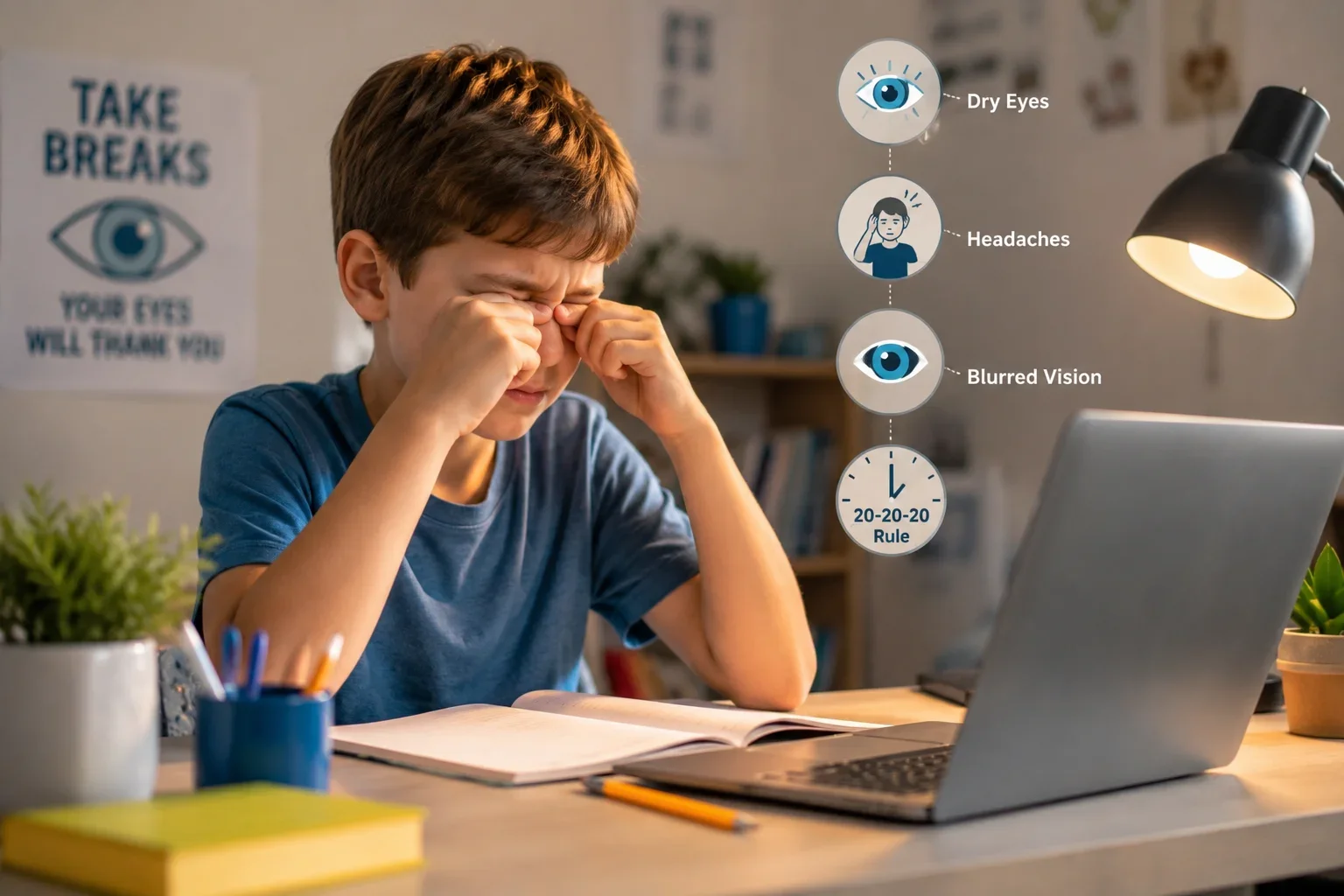
Are you aware of the subtle signs of digital eye strain in children? Understanding the symptoms of digital eye strain is crucial to protecting your child’s vision from the effects of prolonged screen time. Discover how simple habits like the 20-20-20 rule can make a big difference in reducing eye discomfort and promoting healthy screen time breaks — ensuring your child’s eyes remain healthy in today’s digital world.Understanding Digital Eye Strain in Children SymptomsWhat digital eye strain is and why children are increasingly affected: Digital eye strain, also known as computer vision syndrome, refers to a group of eye and vision-related issues caused by extended use of digital devices such as tablets, laptops, and smartphones. The past decade has seen an explosion in screen time for kids, especially with the rise of online learning, gaming, and device-based entertainment. Children's eyes are particularly sensitive and still developing, making them more susceptible to problems caused by long periods of close-up focus and exposure to screens.Exploring the connection between digital eye, eye strain, and computer vision syndrome: Extended screen time leads to digital eye strain due to reduced blink rates, increased blue light exposure, and constant focusing on nearby digital devices. This combination can cause discomfort and, over time, can create persistent issues like eye fatigue and dry eyes. Computer vision syndrome encompasses this set of symptoms, which affect not only adults working at computer screens but also children immersed in digital device usage for school and play.“Children’s eyes are particularly sensitive to prolonged screen time, making early detection of digital eye strain symptoms essential.” – American Optometric AssociationWhat You'll Learn About Digital Eye Strain in Children SymptomsKey symptoms of digital eye strain in childrenPreventive strategies, including the 20-20-20 ruleBest break ideas and healthy habitsExpert advice and actionable tipsRecognizing Symptoms of Digital Eye Strain in ChildrenRecognizing the symptoms of digital eye strain in children is an essential first step toward safeguarding their vision and well-being. Early detection can help parents take action before symptoms intensify or evolve into more persistent issues. Kids may not always verbalize discomfort or even realize when something is wrong with their eyes. It's critical to understand the common signs, as well as the behavioral changes digital eye strain can trigger, to intervene promptly.Digital eye strain typically develops gradually, and children may ignore or hide their discomfort during screen-related activities such as online learning, gaming, or video watching. Persistent complaints about headaches, squinting, watering or burning eyes, or avoiding favorite screen activities may all be red flags.Parents and teachers should stay vigilant, especially when increased device usage coincides with changes in focus, attention, or even personality. Below, we break down the most common and observable symptoms children experience, along with underlying contributing factors.While understanding these symptoms is crucial, it's equally important to recognize how daily screen habits can quietly impact your child's vision over time. For a deeper look at the subtle ways screen time may be affecting eyesight—and practical steps to counteract these effects—explore how screen time could be sabotaging your sight and what you can do about it.Common Symptoms of Digital Eye Strain in ChildrenEye fatigue, dry eyes, blurred vision, headaches: The most frequently reported symptoms of digital eye strain include tired or burning eyes, frequent blinking, and squinting to see clearly. Children may rub their eyes more often or complain about dry, gritty, or watery sensations—hallmarks of both dry eye and computer vision syndrome. Other common symptoms are headaches (especially around the temples or forehead) and intermittent blurred vision; these occur because eyes struggle to maintain focus during prolonged screen time and reduced blink rate, leading to eye strain and dehydration of the eye's surface.Behavioral signs: irritability, frequent eye rubbing, reluctance to continue screen activities: At times, kids may not articulate their symptoms but may show behavioral shifts — sudden irritability, impatience, or reluctance to engage with digital devices. They might take frequent breaks or develop a dislike for once-beloved activities involving screens. Eye rubbing is a particularly telling indicator, signifying discomfort that often stems from underlying digital eye strain or dry eyes.“Symptoms like headaches and blurred vision can often be overlooked but are common in digital eye strain among children.” – Dr. Priya Nair, Pediatric OphthalmologistHow Digital Devices Contribute to Digital Eye StrainThe science behind digital eye, computer vision syndrome, and digital eye strain: The main culprit is the constant close-up focus required when using digital devices. Focusing up close for extended periods taxes the eye muscles that control accommodation (near focus), often resulting in eye fatigue, headaches, and sometimes even a sensation like there is a foreign body in the eye. Lowered blink rate during screen use causes the tear film to evaporate faster, directly contributing to dry eye symptoms and making the eyes feel gritty or scratchy — both classic signs of digital eye strain in children.Impacts of blue light exposure and poor screen ergonomics: Blue light emitted from digital devices can penetrate deeper into children's eyes than adults', increasing the risk of digital eye strain and eye fatigue. While long-term effects are still being studied, research suggests that blue light can increase eye discomfort and disturb sleep patterns, compounding fatigue. Poor posture and screen placement (screens too close or at awkward angles) strain the eyes and neck further, worsening overall eye strain and increasing the risk of vision syndrome. Ensuring screens are at a comfortable distance and angle is a crucial preventive measure.How Excessive Screen Time Affects Child Eye HealthExcessive screen time significantly impacts eye health in children, increasing the risk of digital eye strain, dry eyes, and eye fatigue during remote learning and recreational digital device use. Unlike adults, children's eyes are not fully developed, making them more vulnerable to the compounding effects of long-term screen exposure. Continuous engagement with digital devices means prolonged focus at a near distance, inviting the classic symptoms of digital eye strain: eye fatigue, dry eyes, and blurred vision.Extending their daily screen time, especially without breaks, can also interfere with natural blinking, crucial for keeping the eye moist and comfortable. It's not just about the physical act of looking at a screen, but how this disrupts natural rest patterns for the eyes and limits exposure to daylight essential for eye development. Limiting and structuring screen use while encouraging healthy breaks can mitigate the onset of vision syndrome and preserve long-term vision health.The Role of Screen Time in Driving Eye Strain and Eye FatigueComparing screen time impacts on vision syndrome, dry eye, and digital eye strain: The longer the screen use, the greater the likelihood of discomfort. Prolonged computer or tablet sessions bring on dry eye symptoms by reducing the natural blink rate and overwhelming the eye's ability to stay lubricated. Kids often ignore their need for breaks, leading to cumulative eye strain symptoms over time.As device usage becomes habitual, symptoms often present as a combination: dryness, redness, burning, and even double or blurred vision — all warning signs of computer vision syndrome and digital eye strain. In children, the threshold for symptom onset can be lower because of the developing visual system and frequent close-up usage.More than physical symptoms, cognitive and attention issues can arise: inability to concentrate, reluctance to return to screens, and mood swings. These are subtle but important cues that a child's vision is under stress and needs rest and regular breaks to recover.Recognizing Behavioral and Physical Symptoms Related to Screen TimeLink between extended digital device use, blurry vision, and dry eyes: Kids who suffer from digital eye strain often describe their vision as "fuzzy" after screen sessions and blink more in an attempt to moisten the eyes. They might also rub their eyes or complain of stinging, which are classic flags for dry eye. Children with undiagnosed eye fatigue might avoid homework, struggle to keep up in virtual classes, or display a marked drop in energy.Observing attention changes, reduced outdoor activities, and increased sensitivity: Over time, children with unaddressed screen-related eye strain may gravitate away from tasks that require sharp focus, choosing passive or non-visual play. Activity and engagement in outdoor activities may decline, further reducing the eye’s naturally protective exposure to sunlight and distance viewing. Parents might notice their child is increasingly sensitive to room lighting or quickly tired after shorter screen use, which warrants careful observation and possibly an eye exam for further evaluation.Dry Eye, Dry Eyes & Blurred Vision: Key Digital Eye Strain SymptomsDifferences between dry eye and other digital eye strain in children symptoms: While digital eye strain in children can manifest as headaches and fatigue, dry eye has its own unmistakable signals — persistent redness, gritty or burning sensations, and sometimes watery discharge, as the eyes attempt to compensate for dryness. Kids may use phrases like "my eyes feel sandy" or "it feels like there's something in my eye," which point to foreign body sensation often seen with dry eye disease.How blurred vision, eye fatigue, and headaches may signal computer vision or vision syndrome: Blurred vision after screen time signals overtaxed focus muscles and is a classic marker of computer vision syndrome. Kids with digital eye strain can experience temporary trouble focusing near or far (accommodative spasms) and may tilt their heads or squint, especially during or after digital device use. Prolonged eye fatigue leads to irritability and reduced performance in both academic and play settings, reinforcing the need for structured breaks and early intervention.The 20-20-20 Rule: Effective Habit for Reducing Digital Eye Strain in ChildrenAmong all available preventive strategies, the 20-20-20 rule stands out as the simplest and most effective method parents can teach their kids. This habit not only reduces eye strain but helps build an awareness of the importance of regular breaks during screen time. Encouraging children to adopt the 20-20-20 habit makes a measurable difference in daily comfort and long-term eye health.The principle is simple but powerful: Every 20 minutes, take a 20-second break to look at something at least 20 feet away. This shift in focus relaxes the eye muscles, stimulates blinking (which relieves dry eyes), and interrupts the cycle of continuous close-up work that drives digital eye strain. With consistency, this rule becomes a natural pause point, minimizing discomfort and protecting vision while fostering healthier device usage.How to Apply the 20-20-20 Rule During Screen TimeStep-by-step guidance on practicing the 20-20-20 rule: 1) Set a timer or reminder every 20 minutes while using a digital device. 2) When the timer goes off, ask your child to look out a window, across the room, or toward a distant object for at least 20 seconds. 3) Blinking slowly during this time helps moisturize the eyes. 4) If possible, get up and stretch for a few seconds. These micro-breaks can be incorporated into online learning breaks or play sessions, giving eyes a needed rest without major interruption.Why this habit prevents digital eye strain and reduces eye fatigue: The 20-20-20 rule effectively reduces digital eye strain by breaking the cycle of constant close focusing that causes eye fatigue and dry eyes. Shifting vision to a distant focal point instantly relaxes the accommodation system and reduces risk of eye fatigue, dry eyes, and headaches. It also restores a healthier blink rate, helping fend off dryness and reduce blue light exposure over time.Best Break Ideas for Managing Digital Eye Strain in ChildrenTaking regular, creative breaks is vital for combating digital eye strain and encouraging healthy daily routines. These breaks don’t have to interrupt learning or fun; instead, they should offer children a chance to reset physically and mentally, reducing the cumulative effects of long screen sessions. Both outdoor and indoor activities play a role in sustaining healthy eyes and reducing symptoms of digital eye strain and computer vision syndrome.Alternating between screen-based tasks and physical or visual-motor activities lowers the risk of chronic eye pain and fatigue. Breaks built into daily schedules help preserve attention, boost creativity, and support better academic and recreational performance, as well as general well-being.Healthy Outdoor Activities to Prevent Screen-Induced Eye StrainIdeas for outdoor activities that refresh and reset the eyes: Encouraging outdoor activities between digital device sessions helps prevent digital eye strain and supports overall eye health in children. Activities like biking, playing tag, jumping rope, or exploring nature allow their eyes to focus on objects at varying distances, which builds eye strength and helps reverse the stress of prolonged near work. Even a short walk or backyard play can offer meaningful relief for tired eyes. Studies suggest that children who engage in regular outdoor activities are less likely to develop myopia (nearsightedness) and digital eye strain symptoms associated with excessive screen time.“Encouraging regular outdoor activity can significantly reduce the risk of digital eye strain in children.” – National Eye InstituteGroup games, scavenger hunts, gardening, or simply cloud-watching are fun solutions that keep eyes moving and minimize fatigue. The key is consistency: daily outdoor breaks support both eye health and general wellness.Indoor Break Strategies: Less Screen, More MovementCreative indoor activities and stretches to combat digital eye and computer vision syndrome: On rainy days or during homework time, mix in indoor activities that encourage frequent eye use away from screens. Easy ideas include: stretching routines that involve looking around the room, “eye yoga” exercises (such as rolling or shifting gaze), reading print books, building with blocks or Lego, crafts, drawing, and short bursts of dance or movement games. These activities re-engage the body as well as the eyes, breaking repetitive device usage and reducing the risk of digital eye strain and vision syndrome.Additionally, reminding children to intentionally blink every few minutes, gently massage their temples, or close their eyes for a short rest reinforces healthy screen habits and boosts natural tear production to prevent dry eyes. Families can make break times collaborative, turning exercises into games that everyone enjoys and remembers.Scheduling Regular Eye Exams for ChildrenScheduling regular eye exams is a critical step in preventing and managing digital eye strain and dry eye symptoms in children. A professional can detect subtle issues that may not be obvious at home, offering solutions to restore comfort and preserve clear vision despite increasing screen time.Annual appointments create opportunities to review visual health, adapt screen habits, and catch any developing refractive error, dry eye disease, or early signs of digital strain before they become serious.Vision screenings at school are valuable, but a comprehensive dilated exam by an optometrist or ophthalmologist is recommended for spotting problems early — especially if a child shows symptoms like persistent headaches, squinting, or a drop in academic performance.Consistent eye care and timely intervention mean better outcomes for digital eye health.When to Schedule an Eye ExamGuidance on eye exam frequency and what symptoms to watch for: Experts recommend a baseline exam before a child enters school, then every one to two years depending on age, risk factors, and symptoms of digital eye strain. Any sudden changes in vision, complaints about eye pain, persistent redness, difficulty seeing the board or screen, or increased blinking warrant scheduling an eye exam right away. The earlier problems are addressed, the easier they are to resolve — protecting both comfort and long-term visual development.“An annual eye exam can detect problems early and help manage digital eye strain symptoms before they worsen.” – Dr. Leo Hayes, Vision Health ResearcherParents’ Checklist: Daily Habits Preventing Digital Eye Strain in ChildrenTips for setting screen time boundaries and managing digital device use: Set clear daily screen time limits based on your child’s age, and emphasize the importance of breaks and outdoor activities to reduce digital eye strain and promote eye health. Set device curfews at least an hour before bedtime to preserve sleep quality, which can worsen eye fatigue and discomfort brought on by excessive screen time.Incorporating eye-friendly habits into daily routines: Encourage using the 20-20-20 rule, blinking regularly, using proper lighting, and maintaining good posture during screen sessions. Adjust device settings to warmer tones or enable "night" modes to lower blue light exposure. Ensure screens are at eye level and at arm’s length to minimize strain.Supporting behavioral changes to minimize digital eye strain in children: Praise and reward consistent use of healthy eye habits, join your children during breaks or outdoor activities, and model good device hygiene yourself. Foster an environment where it’s easy and fun to step away from screens — family game nights, reading together, or cooking can offer a welcomed shift from digital device usage.Table: Comparing Digital Eye Strain Symptoms in Children & AdultsSymptomChildrenAdultsEye FatigueTiredness, reluctance to return to device, headachesTired eyes, focus issues, headachesDry EyesFrequent rubbing, watery/red eyes, blinking moreBurning, gritty sensation, foreign body sensationBlurred VisionComplaints after screen time, squinting, trouble focusingBlurring, need to refocus frequently, trouble readingBehavioral SignsIrritability, inattention, less outdoor playWork fatigue, less productivity, eye painHeadachesForehead/temple pain after screen useMigraine, tension headache, ongoing painKey Takeaways on Digital Eye Strain in Children SymptomsSpotting digital eye strain early leads to better outcomes for growing eyesThe 20-20-20 rule and regular breaks are highly effective for preventionConsistent, comprehensive eye exams and varied activities protect vision health as screens become a bigger part of childhoodFAQs About Digital Eye Strain in Children SymptomsAt what age does presbyopia start?Presbyopia, the gradual loss of the eye's ability to focus on nearby objects, typically begins around age 40 and is rare in children. Digital eye strain in children is caused not by aging but by the demands of prolonged digital device use, resulting in temporary issues like eye fatigue and blurred vision, not permanent focusing problems like presbyopia.Does digital eye strain ever go away?Most digital eye strain in children symptoms are reversible if caught early and addressed with good habits such as regular breaks, screen time limits, and eye-friendly practices. Persistent symptoms despite interventions should be evaluated during an eye exam to rule out other conditions.What is the 20 20 rule for reducing digital eye strain?The 20-20-20 rule instructs children to look away from their screen every 20 minutes at something 20 feet away for 20 seconds. Practicing this rule helps prevent eye strain, dry eyes, and eye fatigue associated with extended digital device usage.What does digital eye strain feel like?Children report digital eye strain as eye tiredness, itchiness, dryness, headaches, blurred vision, and sometimes an "aching" or "pressure" feeling around or behind the eyes. These symptoms typically appear after using digital devices for long periods without taking breaks.Discover more trusted information like this at: NCWellnessHub.comTo ensure your child’s eye health stays strong in an increasingly digital world, watch out for early signs of digital eye strain, practice the 20-20-20 rule, encourage varied activities, and schedule regular eye exams for ongoing protection.As you continue to support your child’s vision health, remember that digital habits affect more than just the eyes—they can influence sleep, mood, and overall well-being. If you’re interested in understanding how blue light from screens can disrupt bedtime routines and what you can do to help your family sleep better, don’t miss our guide on outsmarting blue light for restful sleep. Taking a holistic approach to screen time and wellness empowers your family to thrive in the digital age, one healthy habit at a time.SourcesDigital eye strain and its associated factors in children during ... - https://pmc.ncbi.nlm.nih.gov/articles/PMC9114593/Protecting Your Child From Digital Eye Strain - https://www.optometrists.org/childrens-vision/guide-to-childrens-eye-exams/8-tips-to-protect-your-childs-vision/protecting-your-child-from-digital-eye-strain/Computer Vision Syndrome - Digital eye strain - https://www.cedars-sinai.org/health-library/diseases-and-conditions/c/computer-vision-syndrome.htmlDigital eye strain in kids - https://www.myopiaprofile.com/articles/digital-eye-strain-in-kidsShielding Young Eyes: Preventing Digital Eye Strain in Kids - https://www.todaysvisioncincoranchsouth.com/shielding-young-eyes-preventing-digital-eye-strain-in-kids/Screen Use for Kids - https://www.aao.org/eye-health/tips-prevention/screen-use-kidsDigital Eye Strain- A Comprehensive Review - PMC - NIH - https://pmc.ncbi.nlm.nih.gov/articles/PMC9434525/How to Protect Your Child's Eyes from Digital Eye Strain - https://versanthealth.com/blog/children-and-digital-eye-strain/Children And Computer Vision Syndrome - https://www.berkeleyeye.com/blog/children-and-computer-vision-syndrome

Tired Eyes? The 5 Best Eye Supplements for Screen Fatigue (Science-Backed for 2026)

Over 60% of people suffer from screen-induced eye fatigue, making effective supplements essential. Discover the five science-backed remedies that can help refresh your eyes and boost comfort in our digital world, ensuring healthier vision and less strain every time you stare at a screen.Why You Need the Best Eye Supplements for Screen Fatigue in a Digital WorldThe digital revolution has brought incredible convenience, but at a cost to our eye health. With the average person spending over seven hours daily in front of screens, digital eye strain, also known as computer vision syndrome, is reaching epidemic proportions. Every blink, glare, and scroll can strain your eyes, causing symptoms from dryness to blurred vision.That’s why seeking the best eye supplements for screen fatigue matters more than ever. Unlike quick-fix drops, science-backed nutritional support can fortify your eye’s natural defenses, ease discomfort, and preserve your visual performance for the future. In this comprehensive guide, you’ll discover what these supplements are, the research behind them, and how to select the right remedy—so you can protect your eyes and thrive in our screen-saturated world.The impact of screen time on eye health and why eye strain occursKey nutrients and science behind the best eye supplements for screen fatigueEvidence-based recommendations for digital eye strain reliefPro tips for choosing an effective eye supplementUnderstanding Eye Strain, Screen Time, and Digital Eye FatigueWhat Is Digital Eye Strain and How Does It Affect Eye Health?Digital eye strain, or computer vision syndrome, is a collection of problematic symptoms that arise from excessive exposure to digital screens—think computers, phones, and tablets. Modern lifestyles require us to stare into displays for hours, decreasing blinking and promoting tear film instability. This leads to dry eye, blurred vision, headaches, and increased oxidative stress on delicate eye tissues.Research shows that the blue light emitted by screens penetrates deep into the retina, spurring free radicals and accelerating the breakdown of photoreceptor cells. Over time, this can put you at higher risk of chronic eye disease and even macular degeneration. That’s why understanding and addressing digital eye strain at its source is critical for anyone living a connected life.Major Causes and Symptoms of Eye Fatigue from ScreensBlurred visionDry eye or watery eyesHeadachesRednessDifficulty focusing“Digital devices have rapidly become the leading cause of vision complaints in modern adults.” – Dr. Joan Elson, OphthalmologistHow to Fix Eye Fatigue from Screens: Lifestyle, Nutrition, and the Best Eye Supplements for Screen FatigueWhile breaks, eye exercises, and hydration all help, a mounting body of research shows that targeted nutritional supplements can actively address digital eye strain and repair some of the oxidative stress screens cause.Key vision nutrients—like lutein and zeaxanthin, omega-3 fatty acids, and antioxidants—replenish what modern diets and digital lifestyles deplete. The right dietary supplement can improve tear film quality, stabilize vision, and blunt blue light’s harm—benefits that extend beyond what lifestyle alone can offer.In addition to nutritional strategies, it's important to recognize how overall wellness habits can influence your body's resilience to daily stressors. For example, understanding the connection between sleep quality and eye health can further enhance your approach to reducing digital fatigue. If you're curious about optimizing your rest for better vision and well-being, explore these expert insights on how much sleep you truly need.Key Ingredients in the Best Eye Supplements for Screen FatigueComparison of Key Ingredients in the Best Eye SupplementsIngredientMechanism of ActionKey BenefitsLutein & ZeaxanthinFilter harmful blue light; protect maculaReduces eye strain, slows macular degenerationOmega-3 Fatty AcidsSupport tear film; anti-inflammatoryAlleviates dry eye, supports overall eye healthBilberry & Berry ExtractsPotent antioxidants; improve microcirculationEnhances night vision, combats oxidative stressAstaxanthinStrong antioxidant; stabilizes cellular healthProtects retina, reduces visual fatigueVitamins C & EAntioxidant defense; scavenge free radicalsPrevents cell damage, supports vision longevityLutein and Zeaxanthin: Carotenoids for Screen Time and Macular Degeneration ProtectionLutein and zeaxanthin are natural carotenoids found in green leafy vegetables, corn, egg yolk, and certain dietary supplements. They are essential because they filter out high-energy blue light emitted from screens, reducing the oxidative stress that leads to vision syndrome and macular degeneration.Their antioxidant action shields the most sensitive part of your retina—the macula—from free radical damage, preserving eye health even with heavy screen exposure. Clinical trials show these supplements can boost macular pigment density, improve visual acuity, and decrease symptoms of digital eye strain.Omega-3 Fatty Acids: Essential for Dry Eye and Overall Eye HealthOmega-3 fatty acids, commonly found in fish oil, salmon, and certain plant sources, are critical for supporting the eye’s tear film and combating inflammation. People with dry eye or those experiencing discomfort from extended screen use often lack vital omega-3s in their diet.Supplementation, according to clinical evidence, strengthens the tear film, diminishes dry eye disease symptoms, and protects the ocular surface against environmental and digital stressors. For anyone seeking the best eye supplements for screen fatigue, starting with a quality omega-3 supplement can be pivotal.Bilberry Extract and Berry Supplements: Natural Antioxidants for Vision SupportBilberry extract, a powerful ingredient in modern vision supplements, is loaded with anthocyanins—antioxidants that shield your eyes from oxidative stress. Studies reveal that bilberry and other berry extracts can improve night vision and enhance visual performance in low-light conditions, areas where screen fatigue can be especially noticeable.By improving microcirculation and reducing free radical buildup, these natural remedies not only support daily comfort but may also lower your lifetime risk for degenerative eye disease.Vitamin C, Vitamin E, and Astaxanthin: Antioxidant Power for Digital Eye ProtectionNo comprehensive vision supplement is complete without the antioxidant power trio: vitamin C, vitamin E, and astaxanthin. These nutrients act as the body’s shield against free radicals generated by blue light and screen exposure. Vitamin E and C stabilize cell membranes and boost tissue repair, while astaxanthin, often sourced from microalgae, provides advanced protection for retinal photoreceptors. The presence of these antioxidants in dietary supplements is vital for anyone aiming to sustain healthy vision in a tech-driven era.Science-Backed Benefits: How the Best Eye Supplements for Screen Fatigue Ease Digital Eye StrainReduce digital eye strain symptoms (dry eye, blurry vision, headaches)Decrease oxidative stress induced by blue lightEnhance overall eye health and quality of lifeSupport long-term visual function“Clinical trials have consistently found meaningful improvements in patient comfort when using vision supplements designed for digital eye strain.” – Dr. Sam Lerner, Clinical Ophthalmology ResearcherThe 5 Best Eye Supplements for Screen Fatigue in 20261. VisionGuard Ultra – Advanced Digital Eye Strain FormulaHigh concentrations of lutein and zeaxanthinOmega-3 fatty acids for dry eye reliefBilberry extract and Vitamin EIdeal for heavy screen time usersBacked by independent efficacy studies2. PureSight Essentials – Best Eye Supplement for Overall Eye HealthComplete antioxidant complexProven track record for supporting quality of lifeIncludes astaxanthin, vitamin C & berry extract3. NutraOmega Focus – Best for Omega-3 Fatty Acids & Dry EyePremium omega-3 sourceSpecifically targets dry eye and inflammatory symptomsShown to reduce screen-induced discomfort4. BerryBright Pro – Best for Blue Light Protection with BilberryPotent berry extractsEnhances night visionReduces oxidative stress from screen exposure5. MaculaPro 2026 – Vision Supplement for Macular Degeneration & Digital Eye HealthAREDS2-based formulaLutein and zeaxanthin synergyFocused on macular health for lifelong screen usersSummary Comparison: 5 Best Eye Supplements for Screen Fatigue (2026)SupplementKey IngredientsTarget UsersProsConsPrice RangeVisionGuard UltraLutein, Zeaxanthin, Omega-3, Bilberry, Vitamin EHeavy screen usersComprehensive digital eye strain relief, research backedHigher cost$$$PureSight EssentialsAstaxanthin, Vitamin C, Berry Extracts, Vitamin EGeneral eye healthAntioxidant-rich, broad eye supportMay not address severe dry eye$$NutraOmega FocusOmega-3 Fatty Acids, D3, Natural vitamin EDry eye sufferersSuperior for inflammation and tear filmSingle nutrient focus$$BerryBright ProBilberry, Blueberry, Mixed Berry ExtractsBlue light exposure, night vision needsHigh in anthocyanins, combats oxidative stressNot full-spectrum$$MaculaPro 2026Lutein, Zeaxanthin, Zinc, Vitamin C, Vitamin ELifelong screen users, older adultsAREDS2-based for macular protectionPill size may be large$$$Best Practices for Using Eye Supplements for Screen FatigueConsult Your Physician Before Starting SupplementsCheck for Synergy with Nutrition and Screen HabitsConsistency Is Key – Take Daily for Sustained BenefitCombine with Blue Light Filters & Scheduled BreaksQuality of Life: Measuring the Real Impact of Vision SupplementsClinical trials and user feedback show that integrating the best eye supplements for screen fatigue with daily screen routines can boost comfort, curb dry eye, and even improve focus and productivity. Many users report less eye strain and better overall quality of life within weeks of starting targeted vision supplements. Whether you’re adjusting to remote work, gaming, or studying, these results are meaningful for lasting digital wellness.People Also Ask: Your Top Questions About the Best Eye Supplements for Screen FatigueHow to fix eye fatigue from screens?You can fix eye fatigue from screens by following the 20-20-20 rule (every 20 minutes, look at something 20 feet away for 20 seconds), reducing prolonged screen time, and using the best eye supplements for screen fatigue. Omega-3 fatty acids, antioxidants, and blue light-filtering carotenoids in vision supplements are proven to reduce digital eye strain and dry eye symptoms. Blending lifestyle changes with targeted supplements leads to stronger, more comfortable vision.What is the best treatment for eye fatigue?Besides regular breaks, adjusting screen brightness, and proper lighting, experts recommend targeted nutritional support with eye supplements for digital eye strain. The most effective products are those containing lutein and zeaxanthin to filter blue light, omega-3 fatty acids to lubricate dry eyes, and potent berry extracts to combat oxidative stress—offering comprehensive relief.What supplements are good for digital eye strain?Supplements containing lutein, zeaxanthin, omega-3 fatty acids, vitamin C, vitamin E, and bilberry extract are among the best choices for digital eye strain. These nutritional supplements pack antioxidants, support tear film balance, and defend the eye against free radical-and blue light-induced oxidative damage.What are the best eye drops for tired computer eyes?Lubricating artificial tears and eye drops with hyaluronic acid are commonly recommended for dry eye and tired computer eyes. When paired with vision supplements, the dual approach of hydration and nutritional repair offers holistic relief from screen-induced eye fatigue—supporting both the tear film and ocular tissue health.FAQs: Choosing and Using the Best Eye Supplements for Screen FatigueHow long before I notice results from vision supplements for digital eye strain?Are eye supplements safe for daily use?Do children or teens need supplements for screen time?Can eye supplements prevent macular degeneration?How do I choose between a single-ingredient and multi-ingredient eye supplement?Key Takeaways: Best Eye Supplements for Screen FatigueStrategic eye supplements address digital eye fatigue and dry eye at the sourceLook for science-backed combinations: lutein + zeaxanthin, omega-3 fatty acids, berry extract, antioxidantsPair supplements with screen breaks and digital wellness habits for full benefitSelect supplements with proven efficacy for screen time reliefFinal Thoughts and Next StepsDigital eye strain doesn’t have to be your new normal. With the right supplement strategy, backed by science and smart screen habits, you can protect your vision and comfort, now and in the future.Explore more evidence-based wellness content at NCWellnessHub.comIf you’re ready to take your digital wellness even further, consider how holistic lifestyle changes can amplify the benefits of your eye health routine. From stress management to mindful movement, every aspect of your daily habits can play a role in reducing discomfort and supporting long-term vitality.For a deeper dive into strategies that address both physical and emotional well-being, discover how simple practices—like those highlighted in unwinding the Magnolia way to stress relief—can help you create a more balanced, resilient approach to modern living. Your eyes, and your whole self, will thank you.SourcesAmerican Academy of Ophthalmology – https://www.aao.org/eye-health/tips-prevention/computer-usageNCBI: Nutritional Support of the Eye – https://www.ncbi.nlm.nih.gov/pmc/articles/PMC6823886/NCBI: Digital Eye Strain – https://www.ncbi.nlm.nih.gov/pmc/articles/PMC4277038/Healthline: Eye Health Supplements – https://www.healthline.com/nutrition/eye-health-supplementsPubMed: Omega-3 and Dry Eye – https://pubmed.ncbi.nlm.nih.gov/31918645/American Optometric Association – https://www.aoa.org/healthy-eyes/eye-and-vision-conditions/computer-vision-syndromeMacular Society: AREDS2 Study – https://www.macular.org/areds2To further enhance your understanding of effective eye supplements for screen fatigue, consider exploring the following resources:“Screen Fatigue and Dry Eyes: The Best Supplements for Digital Eye Strain” (nutravision.com.au)This article delves into various supplements, including saffron and methylcobalamin (active vitamin B12), highlighting their roles in alleviating screen-induced eye fatigue and dryness.“Digital Eye Strain (DES) Supplements: Evidence-Based Guide 2026” (computereyestrain.com)This guide provides an evidence-based overview of supplements like astaxanthin and bilberry extract, discussing their mechanisms and effectiveness in reducing digital eye strain symptoms.If you’re serious about mitigating screen-related eye discomfort, these resources offer valuable insights into selecting science-backed supplements tailored for digital eye health.NCWellnessHub.com

Why Are My Eyes Always Itchy? Here's How to Find Relief

Tired of rubbing your eyes and wondering, why are my eyes always itchy? Discover what’s causing this irritation and how to soothe your symptoms effectivelyWhy Are My Eyes Always Itchy? Opening Insights and Key CausesTired of rubbing your eyes and wondering, why are my eyes always itchy? Discover what's causing this irritation and how to soothe your symptoms effectively. Understanding the root can finally give you the relief you deserve—let's explore the answers together.Many people struggle with itchy eye sensations and wonder, “Why are my eyes always itchy?” Several key causes can trigger this irritating symptom—including seasonal allergies, dry eye, poor contact lens care, or even underlying health issuesWhat You'll Learn About Itchy EyesOverview of why are my eyes always itchy and common causesEffective remedies for itchy eyesWhen to consult a specialist for eye itchEvidence-based, expert-backed tips on eye health"Persistent itchy eyes can be caused by multiple triggers—it’s crucial to identify the root cause to ensure proper treatment." — Dr. Maya Sanderson, OphthalmologistUnderstanding Itchy Eyes: Causes, Symptoms & How They Relate to Why Are My Eyes Always ItchyOne of the most common reasons people visit an eye doctor is the frustrating question: why are my eyes always itchy? Understanding the causes gives you the insight needed to choose the right treatment and, just as importantly, prevent further discomfortThe upshot? A thorough understanding of these causes means you can take steps to address the root—not just the symptomsIn addition to these common triggers, your daily environment can play a surprising role in eye irritation. For a deeper look at how indoor air quality and hidden household pollutants may be affecting your eyes, explore the insights in this guide to invisible threats in your home's air. Understanding these factors can help you create a healthier space and reduce persistent eye discomfort.Common Causes of Itchy EyesEnvironmental allergens (seasonal allergies, dust, pet dander)Dry eye and dry eyes syndromeContact lens and contact lenses useEye infections and pink eyeChronic health conditions (e.g., allergic conjunctivitis)Table: Common Causes of Itchy Eyes & Associated SymptomsCauseAssociated SymptomsSeasonal AllergiesRedness, watery eyes, itchy eyes, sneezing, runny noseDry Eye SyndromeBurning, gritty sensation, light sensitivity, eye itch, blurred visionContact Lens UseIrritation, dryness, blurry vision, increased eye itch, discomfortEye Infections (Pink Eye, Conjunctivitis)Redness, discharge, crusting, swelling, itchy eye, sensitivity to lightChronic Health ConditionsPersistent redness, swelling, eye itch, possibly watery or dry eyes"Dry eyes are now one of the leading reasons patients ask me, 'why are my eyes always itchy?' especially with increased screen time." — Dr. Luis Navarro, MD, Eye SpecialistIdentifying Your Symptoms: Is It Itchy Eye, Eye Itch, or Itchy Eyes?Distinguishing between various causes of itchy eyes—like dry eye syndrome, infections, or allergies—can be tricky, but getting it right is crucial for effective relief. Understanding whether you’re dealing with one-off irritation (itchy eye), frequent eye itch, or ongoing itchy eyes helps inform which remedies, prevention strategies, and possible doctor visits you may need. Each trigger manifests with a unique symptom set, from redness to discharge or persistent dryness.Situational clues are also telling: Do your eyes itch most after spending time outdoors (pointing to seasonal allergies), after screen time (suggesting dry eyes), or while wearing contact lenses (raising the possibility of poor lens hygiene or intolerance)? Knowing these differences will steer you toward targeted solutions, whether it’s eye drops, allergen avoidance, or more robust medical treatmentRecognizing Differences Between Dry Eye, Eye Infections, and Seasonal AllergiesWhile all of these problems cause eye itch, their presentations vary. Dry eyes typically come with a sand-like or burning feeling and worsen with screen time or in dry environments. Seasonal allergies make eyes red, watery, and are often paired with sneezing or a runny nose, while eye infections (like conjunctivitis or pink eye) frequently bring a sticky discharge and swelling. If your itchy eye comes with intense pain, vision loss, or persistent redness, don’t hesitate to consult an eye doctor for a thorough evaluation.Red, itchy eyes with crusty discharge? Eye infections like pink eye are likelyAssociated Symptoms: Redness, Swelling, Discharge and When to WorryRedness & Swelling: Indicates inflammation, often seen in allergies and infections.Discharge: Thick, colored discharge points to infection, while clear discharge may be allergy-related.Persistent Itching: Ongoing itch with no clear trigger may signal chronic dry eye or an underlying health condition.Vision Changes: Any vision loss or blurring alongside itchiness requires immediate eye care."Itchy eyes from allergies often come with sneezing or a runny nose, while itchy eyes from an infection are usually paired with discharge." — Dr. Elaine Park, AllergistEnvironmental and Lifestyle Triggers Behind Why Are My Eyes Always ItchyYour surroundings play a huge role in why your eyes itch—from pollen outdoors to dust mites indoors and even the air quality after a windy day. Simple lifestyle choices and daily habits can either soothe your itchy eyes or make symptoms worse. Understanding these triggers empowers you to take immediate action for relief.Common environmental culprits include seasonal allergies, exposure to smoke or chemical fumes, pollution, and extended exposure to air conditioning or heating (which dries out your eyes). Pet dander is another cause, especially for people with indoor animals. Adopting a few practical habits—like using high-efficiency air filters, washing your hands and face after being outdoors, or wearing sunglasses in high pollen environments—can go a long way toward minimizing your risk.Seasonal Allergies and Allergic ConjunctivitisSeasonal allergies are one of the top reasons people experience persistent eye itch. When pollen counts rise in spring and autumn, your immune system may overreact, causing watery, red, or itchy eyes. Allergic conjunctivitis is the medical term for this seasonal response affecting the thin membrane covering your eyeball and inner eyelid. The best solutions are limiting exposure to triggers by staying indoors on high-pollen days, using allergy-proof bedding, and keeping windows closed during peak seasons.Even short exposures to pollens or mold can irritate your eyes and make the symptoms last for days. Over-the-counter antihistamine eye drops and oral allergy medications bring relief, but for some, prescription treatments or referral to an allergist might be needed, especially with severe symptoms.Impact of Weather, Pollutants, and Lifestyle on Eyes ItchTips to reduce exposure to common allergensWeather shifts—like dry winter air or windy spring days—exacerbate dry eye and increase allergens that irritate your eyes. Pollution and smoke can trigger allergies or cause direct irritation to the sensitive outer layer of your eye. Small adjustments, like replacing home air filters regularly, running a humidifier, or taking breaks from screens, dramatically reduce eye itch. Lifestyle matters, too: For instance, avoid touching or rubbing your eyes, as this worsens irritation and risks introducing bacteria.Seek out sunglasses with broad coverage when outdoors, keep indoor spaces clean, and try allergy-proof covers on bedding and upholstery. These simple strategies act as a frontline defense against daily environmental offenders. If you notice patterns with specific activities or in particular rooms, track your triggers in a journal to help steer clear of what makes your itchy eyes flare up.Contact Lens and Eye Itch: How Contact Lenses Cause Itchy EyesIf you often ask, “Why are my eyes always itchy while I wear contact lenses?” the answer could be as simple as improving your lens care routine or choosing a different contact lens materialKnowing when to replace your contacts, using appropriate cleaning solutions, and practicing better hygiene can transform your eye comfort. Switching to daily disposable lenses or giving your eyes a break by wearing glasses a few days a week may prevent chronic symptoms. Consult your eye doctor for suggestions tailored to your vision needs and eye health.Contact Lens Hygiene and Preventing Dry EyeProper lens care is non-negotiable for anyone who wears contact lenses. Always wash hands thoroughly before touching lenses or your eyes, use sterile solution for cleaning and storage, and never reuse old solution. Replace your case every few months to stave off bacteria. Neglecting lens hygiene can quickly lead to dry eyes, lens intolerance, or an eye infection.Routinely evaluate the fit and material of your lenses with your optometrist. Some people need lenses made from materials that hold more moisture or reduce protein deposits. If you struggle with eye dryness or itchy eyes despite following a rigorous cleaning routine, talk to your eye care specialist—there may be better options for you, such as scleral lenses or daily disposables.When to Replace Your Contact LensesOverwearing contact lenses is a major cause of itchy eye complaints. Even if your lenses look clean, microscopic deposits and bacteria can remain after each use. Always follow the replacement schedule prescribed—daily for disposables, or as directed for weeklies or monthlies. Never “stretch” lenses for longer use, and always discard any that feel uncomfortable or look cloudy.If itchy eyes persist after switching to new lenses or following expert advice, schedule a visit to your eye doctor to rule out allergies, dry eye syndrome, or lens intolerance. Leaving a problem untreated can risk more serious issues, such as corneal ulcers or vision loss.Alternative Vision Correction Options if You Experience Constant Eye ItchChecklist for Contact Lens Wearers Experiencing Itchy EyesIf contact lens wear constantly triggers eye itch, ask your optometrist about alternatives. Daily disposable lenses, specialized lens materials (like silicone hydrogel), or switching to prescription eyeglasses even temporarily may provide relief. Some may benefit from refractive surgery or orthokeratology (overnight reshaping lenses) as a long-term answer to frequent itchy eyes.Use this quick checklist:Do your lenses still itch after cleaning and replacement?Have you switched solutions without relief?Does the problem improve when you stop wearing contacts?This clarity can help your eye doctor tailor a solution—sometimes changing brands or styles is all it takes to break the itchy cycleEye Drops for Itchy Eyes: Best Options and When to Use ThemFor many, eye drops provide instant relief for eye itch and dryness. The market is filled with options—including artificial tears, antihistamines, and prescription medications. The key is choosing the type that matches your underlying symptoms and using them as directed.Selecting the wrong drops can worsen irritation, so always match the formula to your unique complaint. If allergies are your culprit, go for antihistamine eye drops. For dryness from dry eye syndrome, artificial tears are your best bet. Persistent or severe symptoms often require a prescription, so talking with your pharmacist or doctor is always smart.Over-the-Counter Eye Drop Solutions for Dry Eyes and Eye ItchNon-prescription eye drops—such as lubricating or artificial tears—work well for mild dryness and irritation. They replenish your eye’s natural moisture, wash away minor debris, and cool burning sensations. Antihistamine or decongestant drops target itchy eyes caused by allergies, reducing both redness and swelling.Avoid “redness relief” drops containing vasoconstrictors for everyday use, as they may irritate your eyes over time or cause rebound redness. Always check labels and avoid any ingredient you know you’re sensitive to. When in doubt, your pharmacist or eye care specialist can recommend a safe, effective choice.Prescription Eye Drops and Their IndicationsWhen over-the-counter products aren’t enough, your eye doctor may prescribe stronger eye drops: steroid drops for stubborn allergies, antibiotics for bacterial infections, or immunomodulators for chronic dry eye syndrome. Prescription drops often treat inflammation or address root causes that store-bought solutions cannot.Always use prescription drops as directed and don’t discontinue use early—even if symptoms improve. Improper use can lead to recurring symptoms or, in some cases, resistance to treatment. If you experience side effects or new symptoms, let your healthcare provider know right away.Table: Comparing Common Eye Drops for Itchy EyesEye Drop TypeBest ForNotesArtificial TearsDry eyes, general irritationUse as needed, safe for most usersAntihistamineSeasonal allergies, allergic conjunctivitisReduces itch and redness, may need daily useDecongestantRed eye (temporary)Not for long-term daily usePrescription SteroidSevere inflammation, allergiesShort-term use only, doctor supervisionAntibiotic DropsEye infection (pink eye, bacterial)Must complete full course, prescription only"Some eye drops are best for allergies, while others target dry eye. Your symptoms determine the ideal solution." — Dr. Raj Patel, PharmacistMedical Conditions That Cause Itchy Eyes: Pink Eye, Eye Infection & MoreSometimes, no matter what you do, your itchy eyes persist. This could be a sign of underlying medical issues, such as pink eye (conjunctivitis), eye infections, or chronic conditions like allergic conjunctivitis and dry eye syndrome. Diagnosing the exact cause is vital, as untreated infections can lead to even more serious problems—including vision loss.If over-the-counter remedies fail to improve your eye itch, or you’re experiencing additional symptoms—like severe redness, pain, swelling, or vision changes—seek medical attention from your eye doctor or an ophthalmologist immediately. Early intervention preserves both comfort and long-term eye health.Eye Infections: How to Identify and TreatEye infections present as sudden redness, swelling, pain, and sometimes thick or yellowish discharge. These can be viral or bacterial, but either way, prompt professional evaluation ensures safe treatment. Bacterial infections require antibiotic eye drops, while viral forms are usually managed with soothing, supportive care and, in some cases, antiviral or steroid drops.Never attempt to treat an infection by yourself with leftover medications or home remedies. Improper management can result in more severe symptoms or the spread of infection to others. Practice good hygiene—wash hands often, avoid sharing towels or cosmetics, and see a doctor when symptoms persist.Pink Eye (Conjunctivitis): Symptoms and Next StepsPink eye, or conjunctivitis, is a particularly contagious type of eye infection marked by pronounced redness, gritty sensation, thick discharge, and significant itchy eyes. It can be viral, bacterial, or allergic in origin. Allergic pink eye typically comes with other allergy symptoms, like a runny nose or sneezing.Treatment depends on the cause, but it almost always involves maintaining strict eye hygiene, avoiding contact lenses during infection, and following prescription instructions carefully. Contact your eye care provider for an accurate diagnosis and targeted treatment—especially if you suspect an infectious cause, to prevent spreading it within your home or workplace.Chronic Conditions: Allergic Conjunctivitis & Dry Eye SyndromeSome individuals experience itchy eyes for weeks, months, or even longer; chronic cases often point to allergic conjunctivitis or dry eye syndrome. Allergic conjunctivitis, unlike seasonal allergies, may persist year-round and typically worsens with exposure to triggers like dust, smoke, or animal dander. Dry eye, on the other hand, stems from insufficient tear production or poor tear quality—frequently due to aging, medication side effects, or prolonged screen time.Long-term relief requires targeted medical intervention—such as prescription lubricating eye drops, allergy management plans, dietary changes, and regular check-ups with your eye specialist. Ignoring chronic eye itch risks potential complications, such as corneal damage or persistent inflammation.Why Are My Eyes Always Itchy? The Role of Deficiencies and Systemic HealthYour overall health is closely tied to your eye comfort. Deficiencies in key vitamins—such as Vitamin A, Omega-3 fatty acids, and certain B vitamins—can lead to dry eye, itchy eyes, or exacerbate underlying issues. Chronic illnesses (like autoimmune disorders) may also contribute to persistent eye itch. Addressing these systemic factors gives you the best chance at lasting relief.Regular screenings and blood tests help identify nutritional gaps, while a balanced diet rich in leafy greens, colorful vegetables, and fatty fish supports both eye health and general well-being. Ask your healthcare provider about supplements or dietary modifications if you suspect a deficiency.What Deficiency Causes Itchy Eyes? Vitamins and MineralsCommon nutritional deficiencies linked to itchy eyesLack of Vitamin A is directly linked to dry eyes and surface irritation that causes itchy eyes. Omega-3s help reduce inflammation and improve tear quality, while B12 and folate deficiencies have also been shown to affect tear production and nerve health in the eye. Supplementing your diet under medical supervision may substantially improve symptoms within weeks.Foods highest in these nutrients include carrots, sweet potatoes, leafy greens, salmon, flaxseed, and walnuts. If symptoms persist despite a healthy diet, a full medical workup is warranted.How Systemic Health Impacts Ocular ComfortConditions like autoimmune diseases, thyroid dysfunction, and diabetes often present with persistent eye itch or dry eye syndrome. Medications—such as antihistamines, diuretics, and antidepressants—may also reduce tear production. Managing these underlying health problems can significantly improve eye comfort and reduce irritating symptoms.This systems-approach emphasizes the importance of whole-body wellness in the face of ongoing itchy eyes. Engage your general practitioner and eye specialist in your care for comprehensive support.Table: Essential Vitamins for Eye HealthVitamin/MineralRole in Eye HealthBest SourcesVitamin APrevents dry eye, supports corneal healthCarrots, sweet potatoes, spinachOmega-3 Fatty AcidsReduces inflammation, improves tear stabilitySalmon, flaxseed, walnutsVitamin B12Supports nerve health, tear productionFish, eggs, fortified cerealsVitamin C & EAntioxidants for eye tissue repairBerries, citrus, nutsWhen Should I See a Doctor for Persistent Itchy Eyes?Warning signs to watch forHow an eye care specialist can help with why are my eyes always itchyWhile mild irritation is common, unrelenting itchy eyes may signal a problem needing medical intervention. Watch for signs like severe redness, vision loss, persistent pain, thick discharge, or symptoms that don’t improve with over-the-counter eye drops. Eye care specialists can run specific tests, pinpoint allergens or infections, and prescribe targeted therapies that bring lasting relief and prevent complications."If over-the-counter remedies fail and symptoms persist, seek professional evaluation to prevent vision complications." — Dr. Jasmine Lee, ODSelf-Help and Home Remedies for Why Are My Eyes Always ItchyMany people find relief with simple home strategies for itchy eyes. Effective self-care includes applying clean cold compresses, frequent hand washing, avoiding known triggers, and using lubricating eye drops as needed. Make sure bedding and home surfaces are kept free from dust or pet dander, and avoid smoky or polluted environments if possible.Lifestyle adjustments also play a major role. Take regular screen breaks, blink frequently when reading or working at a computer, and maintain a humid environment indoors during dry seasons. Remember, never rub your eyes—it may worsen irritation or transfer bacteria.Effective Do-It-Yourself Tips for Relieving Itchy EyesTry the following at home: Gently place a chilled, clean washcloth over closed eyes to soothe burning and swelling. Use preservative-free artificial tears for dry or irritated eyes several times per day. Avoid makeup or skincare products that irritate your eyes. Change pillowcases and sheets often and use allergy-proof covers if dust or pet dander is a problem.If symptoms worsen or persist, or if you experience pain or vision changes, seek professional medical evaluation.Lifestyle Changes for Itchy Eyes PreventionStep-by-step: Applying cold compresses, maintaining eye hygiene, choosing the right eye dropsBuilding habits for eye comfort makes a big difference: avoid rubbing your eyes, wear sunglasses outdoors, keep your living space free of allergens, and carefully follow your prescribed eye care routine. Consider using a humidifier during heating season, eat a diet rich in eye-healthy nutrients, and stick to your lens replacement schedule if you wear contact lenses. These small steps combine to dramatically reduce recurrence of uncomfortable eye itch.People Also Ask About Why Are My Eyes Always ItchyHow do you get rid of itchy eyes?Learn practical tips for soothing itchy eyes and restoring comfort—from cold compresses to proper eye drop use and allergen avoidance.To get rid of itchy eyes, start by avoiding triggers such as pollens and pet dander. Apply a cold compress and use over-the-counter lubricating eye drops for rapid relief. Practice good eye hygiene, and keep home surfaces dust-free. If allergies cause symptoms, antihistamine drops may work best. For persistent or severe itch, or if there’s pain or changes in vision, see an eye care specialist.What deficiency causes itchy eyes?Vitamin A, Omega-3, and certain B vitamins play a role in eye health—learn how these deficiencies can influence itchy eyes.Deficiencies in Vitamin A, Omega-3 fatty acids, and B12 are linked to itchy eyes and dry eyes. These nutrients support tear production, reduce inflammation, and protect ocular tissues. If you notice chronic eye irritation alongside other symptoms of poor nutrition, consult a doctor to rule out dietary causes and discuss a supplementation plan.What condition causes itchy eyes?Explore health conditions ranging from allergic conjunctivitis to dry eye syndrome and how they can all be responsible for that constant itchiness.Several health conditions can cause persistent itchy eyes: allergic conjunctivitis (chronic inflammation due to allergies), dry eye syndrome (reduced tear production or poor tear quality), or eye infections like pink eye (conjunctivitis). Other culprits include autoimmune conditions and eyelid inflammation. A thorough evaluation is key to matching the treatment with the underlying cause.FAQs on Why Are My Eyes Always Itchy, Itchy Eyes, and Dry EyeWhat are the main reasons for having itchy eyes every day?Daily itchy eyes are often caused by allergies, dry eye, prolonged screen use, contact lens wear, or environmental irritants.Can screen time make my eyes itch more?Yes. Prolonged screen time reduces your blinking rate and can cause dry eyes, leading to more frequent eye itch.Do allergies always cause itchy eyes?Allergies are one of the most common reasons, but not the only cause. Dry eye and infections may also lead to itching.Are there natural remedies or must I use eye drops?Natural remedies—like cold compresses, air purifiers, and dietary adjustments—can help, but sometimes eye drops or medical treatment are needed for persistent symptoms.Key Takeaways: Relief and Prevention Strategies for Why Are My Eyes Always ItchyMost causes of itchy eyes are manageable with proper hygiene, lifestyle changes, and targeted treatments.Persistent or worsening symptoms require an expert evaluation.Choose eye drops and remedies based on your diagnosed underlying cause.Where to Find More Evidence-Based Health Questions & AnswersDiscover more trusted information like this at: NCWellnessHub.comConclusion: Relief from why are my eyes always itchy is achievable—identify your triggers, practice smart self-care, and seek medical guidance when needed for lasting eye comfort.If you’re ready to take your eye health to the next level, consider exploring the daily routines and proactive habits that set apart those with consistently healthy eyes. From nutrition to mindful screen use and protective strategies, these expert-backed habits for remarkably healthy eyes offer actionable steps for lasting comfort and clarity.By integrating these advanced tips into your lifestyle, you can move beyond symptom management and work toward optimal, long-term eye wellness. Your journey to brighter, more comfortable eyes starts with the right knowledge and a commitment to healthy habits. NCWellnessHub.comSourcesAAO – https://www.aao.org/eye-health/diseases/what-is-conjunctivitisAAO – https://www.aao.org/eye-health/diseases/dry-eye-syndromeASCIA – https://www.allergy.org.au/patients/allergic-eye-disease/itchy-eyesNIH – https://www.ncbi.nlm.nih.gov/pmc/articles/PMC8111780/AOA – https://www.aoa.org/healthy-eyes/caring-for-your-vision


NCWellnessHub.com

Discover Your Hub for NC Health & Wellness info, your go-to resource for comprehensive insights, tips, and updates on healthcare, nutrition, fitness, and overall well-being in North Carolina.

COMPANY

  • Privacy Policy
  • Terms of Use
  • Advertise
  • Contact Us
  • Menu 5
  • Menu 6
NC Wellness Hub

Richardson Drive
Raleigh, NC  27603

ABOUT US

At NC Wellness Hub, we are more than just a resource; we are a community united by a shared passion for health and well-being. Our journey began with a simple yet profound belief: that everyone deserves access to the knowledge and support necessary to lead a fulfilling life.

© 2026 NC Wellness Hub All Rights Reserved. Richardson Drive , Raleigh, NC 27603 . Contact Us . Terms of Service . Privacy Policy

eyJjb21wYW55IjoiTkMgV2VsbG5lc3MgSHViIiwiYWRkcmVzcyI6IlJpY2hhcmRzb24gRHJpdmUgIiwiY2l0eSI6IlJhbGVpZ2giLCJzdGF0ZSI6Ik5DIiwiemlwIjoiMjc2MDMiLCJlbWFpbCI6Im1pa2VjZXJ0bWFuQGdtYWlsLmNvbSIsInRvcyI6IlBIQStQSE4wY205dVp6NDhaVzArVjJobGJpQjViM1VnYzJsbmJpMXBiaUIzYVhSb0lIVnpMQ0I1YjNVZ1lYSmxJR2RwZG1sdVp5WnVZbk53T3lCNWIzVnlJSEJsY20xcGMzTnBiMjRnWVc1a0lHTnZibk5sYm5RZ2RHOGdjMlZ1WkNCNWIzVWdaVzFoYVd3Z1lXNWtMMjl5SUZOTlV5QjBaWGgwSUcxbGMzTmhaMlZ6TGlCQ2VTQmphR1ZqYTJsdVp5QjBhR1VnVkdWeWJYTWdZVzVrSUVOdmJtUnBkR2x2Ym5NZ1ltOTRJR0Z1WkNCaWVTQnphV2R1YVc1bklHbHVJSGx2ZFNCaGRYUnZiV0YwYVdOaGJHeDVJR052Ym1acGNtMGdkR2hoZENCNWIzVWdZV05qWlhCMElHRnNiQ0IwWlhKdGN5QnBiaUIwYUdseklHRm5jbVZsYldWdWRDNDhMMlZ0UGp3dmMzUnliMjVuUGp3dmNENEtDanh3UGp4aElHaHlaV1k5SW1oMGRIQTZMeTkzZDNjdVoyOXZaMnhsTG1OdmJTSSthSFIwY0RvdkwzZDNkeTVuYjI5bmJHVXVZMjl0UEM5aFBqd3ZjRDRLQ2p4d1BpWnVZbk53T3p3dmNENEtDanh3UGp4emRISnZibWMrVTBWU1ZrbERSVHd2YzNSeWIyNW5Qand2Y0Q0S0NqeHdQbGRsSUhCeWIzWnBaR1VnWVNCelpYSjJhV05sSUhSb1lYUWdZM1Z5Y21WdWRHeDVJR0ZzYkc5M2N5QjViM1VnZEc4Z2NtVmpaV2wyWlNCeVpYRjFaWE4wY3lCbWIzSWdabVZsWkdKaFkyc3NJR052YlhCaGJua2dhVzVtYjNKdFlYUnBiMjRzSUhCeWIyMXZkR2x2Ym1Gc0lHbHVabTl5YldGMGFXOXVMQ0JqYjIxd1lXNTVJR0ZzWlhKMGN5d2dZMjkxY0c5dWN5d2daR2x6WTI5MWJuUnpJR0Z1WkNCdmRHaGxjaUJ1YjNScFptbGpZWFJwYjI1eklIUnZJSGx2ZFhJZ1pXMWhhV3dnWVdSa2NtVnpjeUJoYm1RdmIzSWdZMlZzYkhWc1lYSWdjR2h2Ym1VZ2IzSWdaR1YyYVdObExpQlpiM1VnZFc1a1pYSnpkR0Z1WkNCaGJtUWdZV2R5WldVZ2RHaGhkQ0IwYUdVZ1UyVnlkbWxqWlNCcGN5QndjbTkyYVdSbFpDQW1jWFZ2ZER0QlV5MUpVeVp4ZFc5ME95QmhibVFnZEdoaGRDQjNaU0JoYzNOMWJXVWdibThnY21WemNHOXVjMmxpYVd4cGRIa2dabTl5SUhSb1pTQjBhVzFsYkdsdVpYTnpMQ0JrWld4bGRHbHZiaXdnYldsekxXUmxiR2wyWlhKNUlHOXlJR1poYVd4MWNtVWdkRzhnYzNSdmNtVWdZVzU1SUhWelpYSWdZMjl0YlhWdWFXTmhkR2x2Ym5NZ2IzSWdjR1Z5YzI5dVlXeHBlbUYwYVc5dUlITmxkSFJwYm1kekxqd3ZjRDRLQ2p4d1BsbHZkU0JoY21VZ2NtVnpjRzl1YzJsaWJHVWdabTl5SUc5aWRHRnBibWx1WnlCaFkyTmxjM01nZEc4Z2RHaGxJRk5sY25acFkyVWdZVzVrSUhSb1lYUWdZV05qWlhOeklHMWhlU0JwYm5admJIWmxJSFJvYVhKa0lIQmhjblI1SUdabFpYTWdLSE4xWTJnZ1lYTWdVMDFUSUhSbGVIUWdiV1Z6YzJGblpYTXNJRWx1ZEdWeWJtVjBJSE5sY25acFkyVWdjSEp2ZG1sa1pYSWdiM0lnWTJWc2JIVnNZWElnWVdseWRHbHRaU0JqYUdGeVoyVnpLUzRnV1c5MUlHRnlaU0J5WlhOd2IyNXphV0pzWlNCbWIzSWdkR2h2YzJVZ1ptVmxjeXdnYVc1amJIVmthVzVuSUhSb2IzTmxJR1psWlhNZ1lYTnpiMk5wWVhSbFpDQjNhWFJvSUhSb1pTQmthWE53YkdGNUlHOXlJR1JsYkdsMlpYSjVJRzltSUdWaFkyZ2dVMDFUSUhSbGVIUWdiV1Z6YzJGblpTQnpaVzUwSUhSdklIbHZkU0JpZVNCMWN5NGdTVzRnWVdSa2FYUnBiMjRzSUhsdmRTQnRkWE4wSUhCeWIzWnBaR1VnWVc1a0lHRnlaU0J5WlhOd2IyNXphV0pzWlNCbWIzSWdZV3hzSUdWeGRXbHdiV1Z1ZENCdVpXTmxjM05oY25rZ2RHOGdZV05qWlhOeklIUm9aU0JUWlhKMmFXTmxJR0Z1WkNCeVpXTmxhWFpsSUhSb1pTQlRUVk1nZEdWNGRDQnRaWE56WVdkbGN5NGdWMlVnWkc4Z2JtOTBJR05vWVhKblpTQmhibmtnWm1WbGN5Qm1iM0lnWkdWc2FYWmxjbmtnYjJZZ1pXMWhhV3dnYjNJZ1UwMVRMaUJVYUdseklHbHpJR0VnWm5KbFpTQnpaWEoyYVdObElIQnliM1pwWkdWa0lHSjVJSFZ6TGlCSWIzZGxkbVZ5TENCd2JHVmhjMlVnWTJobFkyc2dkMmwwYUNCNWIzVnlJR2x1ZEdWeWJtVjBJSE5sY25acFkyVWdjSEp2ZG1sa1pYSWdZVzVrSUdObGJHeDFiR0Z5SUdOaGNuSnBaWElnWm05eUlHRnVlU0JqYUdGeVoyVnpJSFJvWVhRZ2JXRjVJR2x1WTNWeUlHRnpJR0VnY21WemRXeDBJR1p5YjIwZ2NtVmpaV2wyYVc1bklHVnRZV2xzSUdGdVpDQlRUVk1nZEdWNGRDQnRaWE56WVdkbGN5QjBhR0YwSUhkbElHUmxiR2wyWlhJZ2RYQnZiaUI1YjNWeUlHOXdkQzFwYmlCaGJtUWdjbVZuYVhOMGNtRjBhVzl1SUhkcGRHZ2diM1Z5SUdWdFlXbHNJR0Z1WkNCVFRWTWdjMlZ5ZG1salpYTXVJRmx2ZFNCallXNGdZMkZ1WTJWc0lHRjBJR0Z1ZVNCMGFXMWxMaUJLZFhOMElIUmxlSFFnSm5GMWIzUTdVMVJQVUNaeGRXOTBPeUIwYnladVluTndPenhvYVdkb2JHbG5hSFFnWTJ4aGMzTTlJbU52YlhCaGJubFRUVk5RYUc5dVpWVndaR0YwWlNJK2JuVnNiRHd2YUdsbmFHeHBaMmgwUGk0Z1FXWjBaWElnZVc5MUlITmxibVFnZEdobElGTk5VeUJ0WlhOellXZGxJQ1p4ZFc5ME8xTlVUMUFtY1hWdmREc2dkRzhnZFhNc0lIZGxJSGRwYkd3Z2MyVnVaQ0I1YjNVZ1lXNGdVMDFUSUcxbGMzTmhaMlVnZEc4Z1kyOXVabWx5YlNCMGFHRjBJSGx2ZFNCb1lYWmxJR0psWlc0Z2RXNXpkV0p6WTNKcFltVmtMaUJCWm5SbGNpQjBhR2x6TENCNWIzVWdkMmxzYkNCdWJ5QnNiMjVuWlhJZ2NtVmpaV2wyWlNCVFRWTWdiV1Z6YzJGblpYTWdabkp2YlNCMWN5NDhMM0ErQ2dvOGNENDhjM1J5YjI1blBsbFBWVklnVWtWSFNWTlVVa0ZVU1U5T0lFOUNURWxIUVZSSlQwNVRQQzl6ZEhKdmJtYytQQzl3UGdvS1BIQStTVzRnWTI5dWMybGtaWEpoZEdsdmJpQnZaaUI1YjNWeUlIVnpaU0J2WmlCMGFHVWdVMlZ5ZG1salpTd2dlVzkxSUdGbmNtVmxJSFJ2T2p3dmNENEtDanh2YkQ0S0NUeHNhVDV3Y205MmFXUmxJSFJ5ZFdVc0lHRmpZM1Z5WVhSbExDQmpkWEp5Wlc1MElHRnVaQ0JqYjIxd2JHVjBaU0JwYm1admNtMWhkR2x2YmlCaFltOTFkQ0I1YjNWeWMyVnNaaUJoY3lCd2NtOXRjSFJsWkNCaWVTQjBhR1VnVTJWeWRtbGpaU1lqTXprN2N5QnlaV2RwYzNSeVlYUnBiMjRnWm05eWJTQW9jM1ZqYUNCcGJtWnZjbTFoZEdsdmJpQmlaV2x1WnlCMGFHVWdKbkYxYjNRN1VtVm5hWE4wY21GMGFXOXVJRVJoZEdFbWNYVnZkRHNwSUdGdVpEd3ZiR2srQ2drOGJHaytiV0ZwYm5SaGFXNGdZVzVrSUhCeWIyMXdkR3g1SUhWd1pHRjBaU0IwYUdVZ1VtVm5hWE4wY21GMGFXOXVJRVJoZEdFZ2RHOGdhMlZsY0NCcGRDQjBjblZsTENCaFkyTjFjbUYwWlN3Z1kzVnljbVZ1ZENCaGJtUWdZMjl0Y0d4bGRHVXVJRWxtSUhsdmRTQndjbTkyYVdSbElHRnVlU0JwYm1admNtMWhkR2x2YmlCMGFHRjBJR2x6SUhWdWRISjFaU3dnYVc1aFkyTjFjbUYwWlN3Z2JtOTBJR04xY25KbGJuUWdiM0lnYVc1amIyMXdiR1YwWlN3Z2IzSWdkMlVnYUdGMlpTQnlaV0Z6YjI1aFlteGxJR2R5YjNWdVpITWdkRzhnYzNWemNHVmpkQ0IwYUdGMElITjFZMmdnYVc1bWIzSnRZWFJwYjI0Z2FYTWdkVzUwY25WbExDQnBibUZqWTNWeVlYUmxMQ0J1YjNRZ1kzVnljbVZ1ZENCdmNpQnBibU52YlhCc1pYUmxMQ0IzWlNCb1lYWmxJSFJvWlNCeWFXZG9kQ0IwYnlCemRYTndaVzVrSUc5eUlEeHpkSEp2Ym1jK1BITndZVzRnYzNSNWJHVTlJbU52Ykc5eU9pTkdSakF3TURBN0lqNTBaWEp0YVc1aGRHVWdlVzkxY2lCaFkyTnZkVzUwTDNCeWIyWnBiR1VnWVc1a0lISmxablZ6WlNCaGJua2dZVzVrSUdGc2JDQmpkWEp5Wlc1MElHOXlJR1oxZEhWeVpTQjFjMlVnYjJZZ2RHaGxJRk5sY25acFkyVWdLRzl5SUdGdWVTQndiM0owYVc5dUlIUm9aWEpsYjJZcExqd3ZjM0JoYmo0OEwzTjBjbTl1Wno0OEwyeHBQZ284TDI5c1Bnb0tQSEErSm01aWMzQTdQQzl3UGdvOGFHbG5hR3hwWjJoMElHTnNZWE56UFNKamIyMXdZVzU1VG1GdFpWVndaR0YwWlNJK1RrTWdWMlZzYkc1bGMzTWdTSFZpUEM5b2FXZG9iR2xuYUhRK1BHSnlJQzgrQ2p4b2FXZG9iR2xuYUhRZ1kyeGhjM005SW1OdmJYQmhibmxCWkdSeVpYTnpWWEJrWVhSbElqNVNhV05vWVhKa2MyOXVJRVJ5YVhabElDd2dVbUZzWldsbmFDd2dUa01nTWpjMk1ETThMMmhwWjJoc2FXZG9kRDQ4WW5JZ0x6NEtQR2hwWjJoc2FXZG9kQ0JqYkdGemN6MGlZMjl0Y0dGdWVWQm9iMjVsVlhCa1lYUmxJajRyTVRrNE5ESXdOVGMxT1RrOEwyaHBaMmhzYVdkb2RENDhZbklnTHo0S1BHaHBaMmhzYVdkb2RDQmpiR0Z6Y3owaVkyOXRjR0Z1ZVVWdFlXbHNWWEJrWVhSbElqNXRhV3RsWTJWeWRHMWhia0JuYldGcGJDNWpiMjA4TDJocFoyaHNhV2RvZEQ0PSIsInByaXZhY3kiOiJQSEErUEhOMGNtOXVaejVRVWtsV1FVTlpQQzl6ZEhKdmJtYytQQzl3UGdvS1BIQStQSE4wY205dVp6NVVhR1VnYVc1bWIzSnRZWFJwYjI0Z2NISnZkbWxrWldRZ1pIVnlhVzVuSUhSb2FYTWdjbVZuYVhOMGNtRjBhVzl1SUdseklHdGxjSFFnY0hKcGRtRjBaU0JoYm1RZ1kyOXVabWxrWlc1MGFXRnNMQ0JoYm1RZ2QybHNiQ0J1WlhabGNpQmlaU0JrYVhOMGNtbGlkWFJsWkN3Z1kyOXdhV1ZrTENCemIyeGtMQ0IwY21Ga1pXUWdiM0lnY0c5emRHVmtJR2x1SUdGdWVTQjNZWGtzSUhOb1lYQmxJRzl5SUdadmNtMHVJRlJvYVhNZ2FYTWdiM1Z5SUdkMVlYSmhiblJsWlM0OEwzTjBjbTl1Wno0OEwzQStDZ284Y0Q0OGMzUnliMjVuUGtsT1JFVk5Ua2xVV1R3dmMzUnliMjVuUGp3dmNENEtDanh3UGp4bGJUNVpiM1VnWVdkeVpXVWdkRzhnYVc1a1pXMXVhV1o1SUdGdVpDQm9iMnhrSUhWekxDQmhibVFnYVhSeklITjFZbk5wWkdsaGNtbGxjeXdnWVdabWFXeHBZWFJsY3l3Z2IyWm1hV05sY25Nc0lHRm5aVzUwY3l3Z1kyOHRZbkpoYm1SbGNuTWdiM0lnYjNSb1pYSWdjR0Z5ZEc1bGNuTXNJR0Z1WkNCbGJYQnNiM2xsWlhNc0lHaGhjbTFzWlhOeklHWnliMjBnWVc1NUlHTnNZV2x0SUc5eUlHUmxiV0Z1WkN3Z2FXNWpiSFZrYVc1bklISmxZWE52Ym1GaWJHVWdZWFIwYjNKdVpYbHpKaU16T1RzZ1ptVmxjeXdnYldGa1pTQmllU0JoYm5rZ2RHaHBjbVFnY0dGeWRIa2daSFZsSUhSdklHOXlJR0Z5YVhOcGJtY2diM1YwSUc5bUlFTnZiblJsYm5RZ2VXOTFJSEpsWTJWcGRtVXNJSE4xWW0xcGRDd2djbVZ3Ykhrc0lIQnZjM1FzSUhSeVlXNXpiV2wwSUc5eUlHMWhhMlVnWVhaaGFXeGhZbXhsSUhSb2NtOTFaMmdnZEdobElGTmxjblpwWTJVc0lIbHZkWElnZFhObElHOW1JSFJvWlNCVFpYSjJhV05sTENCNWIzVnlJR052Ym01bFkzUnBiMjRnZEc4Z2RHaGxJRk5sY25acFkyVXNJSGx2ZFhJZ2RtbHZiR0YwYVc5dUlHOW1JSFJvWlNCVVQxTXNJRzl5SUhsdmRYSWdkbWx2YkdGMGFXOXVJRzltSUdGdWVTQnlhV2RvZEhNZ2IyWWdZVzV2ZEdobGNpNDhMMlZ0UGp3dmNENEtDanh3UGp4emRISnZibWMrUkVsVFEweEJTVTFGVWlCUFJpQlhRVkpTUVU1VVNVVlRQQzl6ZEhKdmJtYytQQzl3UGdvS1BIQStQSE4wY205dVp6NVpUMVVnUlZoUVVrVlRVMHhaSUZWT1JFVlNVMVJCVGtRZ1FVNUVJRUZIVWtWRklGUklRVlE2UEM5emRISnZibWMrUEM5d1Bnb0tQRzlzUGdvSlBHeHBQbGxQVlZJZ1ZWTkZJRTlHSUZSSVJTQlRSVkpXU1VORklFbFRJRUZVSUZsUFZWSWdVMDlNUlNCU1NWTkxMaUJVU0VVZ1UwVlNWa2xEUlNCSlV5QlFVazlXU1VSRlJDQlBUaUJCVGlBbWNYVnZkRHRCVXlCSlV5WnhkVzkwT3lCQlRrUWdKbkYxYjNRN1FWTWdRVlpCU1V4QlFreEZKbkYxYjNRN0lFSkJVMGxUTGlBc0xpQkJUa1FnVlZNc0lFbFVKaU16T1R0VElFTlZVMVJQVFVWU1V5d2dSVmhRVWtWVFUweFpJRVJKVTBOTVFVbE5VeUJCVEV3Z1YwRlNVa0ZPVkVsRlV5QlBSaUJCVGxrZ1MwbE9SQ3dnVjBoRlZFaEZVaUJGV0ZCU1JWTlRJRTlTSUVsTlVFeEpSVVFzSUVsT1EweFZSRWxPUnl3Z1FsVlVJRTVQVkNCTVNVMUpWRVZFSUZSUElGUklSU0JKVFZCTVNVVkVJRmRCVWxKQlRsUkpSVk1nVDBZZ1RVVlNRMGhCVGxSQlFrbE1TVlJaTENCR1NWUk9SVk5USUVaUFVpQkJJRkJCVWxSSlExVk1RVklnVUZWU1VFOVRSU0JCVGtRZ1RrOU9MVWxPUmxKSlRrZEZUVVZPVkM0OEwyeHBQZ29KUEd4cFBrMUJTMFZUSUU1UElGZEJVbEpCVGxSWklGUklRVlFnS0drcElGUklSU0JUUlZKV1NVTkZJRmRKVEV3Z1RVVkZWQ0JaVDFWU0lGSkZVVlZKVWtWTlJVNVVVeXdnS0dscEtTQlVTRVVnVTBWU1ZrbERSU0JYU1V4TUlFSkZJRlZPU1U1VVJWSlNWVkJVUlVRc0lGUkpUVVZNV1N3Z1UwVkRWVkpGTENCUFVpQkZVbEpQVWkxR1VrVkZMQ0FvYVdscEtTQlVTRVVnVWtWVFZVeFVVeUJVU0VGVUlFMUJXU0JDUlNCUFFsUkJTVTVGUkNCR1VrOU5JRlJJUlNCVlUwVWdUMFlnVkVoRklGTkZVbFpKUTBVZ1YwbE1UQ0JDUlNCQlEwTlZVa0ZVUlNCUFVpQlNSVXhKUVVKTVJTd2dRVTVFSUNocGRpa2dRVTVaSUVWU1VrOVNVeUJKVGlCVVNFVWdVMDlHVkZkQlVrVWdWMGxNVENCQ1JTQkRUMUpTUlVOVVJVUXVQQzlzYVQ0S0NUeHNhVDVCVGxrZ1RVRlVSVkpKUVV3Z1JFOVhUa3hQUVVSRlJDQlBVaUJQVkVoRlVsZEpVMFVnVDBKVVFVbE9SVVFnVkVoU1QxVkhTQ0JVU0VVZ1ZWTkZJRTlHSUZSSVJTQlRSVkpXU1VORklFbFRJRVJQVGtVZ1FWUWdXVTlWVWlCUFYwNGdSRWxUUTFKRlZFbFBUaUJCVGtRZ1VrbFRTeUJCVGtRZ1ZFaEJWQ0JaVDFVZ1YwbE1UQ0JDUlNCVFQweEZURmtnVWtWVFVFOU9VMGxDVEVVZ1JrOVNJRUZPV1NCRVFVMUJSMFVnVkU4Z1dVOVZVaUJEVDAxUVZWUkZVaUJUV1ZOVVJVMGdUMUlnVEU5VFV5QlBSaUJFUVZSQklGUklRVlFnVWtWVFZVeFVVeUJHVWs5TklGUklSU0JFVDFkT1RFOUJSQ0JQUmlCQlRsa2dVMVZEU0NCTlFWUkZVa2xCVEM0OEwyeHBQZ29KUEd4cFBrNVBJRUZFVmtsRFJTQlBVaUJKVGtaUFVrMUJWRWxQVGl3Z1YwaEZWRWhGVWlCUFVrRk1JRTlTSUZkU1NWUlVSVTRzSUU5Q1ZFRkpUa1ZFSUVKWklGbFBWU0JHVWs5TklFOVNJRlJJVWs5VlIwZ2dUMUlnUmxKUFRTQlVTRVVnVTBWU1ZrbERSU0JUU0VGTVRDQkRVa1ZCVkVVZ1FVNVpJRmRCVWxKQlRsUlpJRTVQVkNCRldGQlNSVk5UVEZrZ1UxUkJWRVZFSUVsT0lGUklSU0JVVDFNdVBDOXNhVDRLUEM5dmJENEtDanh3UGp4emRISnZibWMrVEVsTlNWUkJWRWxQVGlCUFJpQk1TVUZDU1V4SlZGazhMM04wY205dVp6NDhMM0ErQ2dvOGNENVpUMVVnUlZoUVVrVlRVMHhaSUZWT1JFVlNVMVJCVGtRZ1FVNUVJRUZIVWtWRklGUklRVlFnUVU1RUlGTklRVXhNSUU1UFZDQkNSU0JNU1VGQ1RFVWdSazlTSUVGT1dTQkVTVkpGUTFRc0lFbE9SRWxTUlVOVUxDQkpUa05KUkVWT1ZFRk1MQ0JUVUVWRFNVRk1MQ0JEVDA1VFJWRlZSVTVVU1VGTUlFOVNJRVZZUlUxUVRFRlNXU0JFUVUxQlIwVlRMQ0JKVGtOTVZVUkpUa2NnUWxWVUlFNVBWQ0JNU1UxSlZFVkVJRlJQTENCRVFVMUJSMFZUSUVaUFVpQk1UMU5USUU5R0lGQlNUMFpKVkZNc0lFZFBUMFJYU1V4TUxDQlZVMFVzSUVSQlZFRWdUMUlnVDFSSVJWSWdTVTVVUVU1SFNVSk1SU0JNVDFOVFJWTWdLRVZXUlU0Z1NVWWdTRUZUSUVKRlJVNGdRVVJXU1ZORlJDQlBSaUJVU0VVZ1VFOVRVMGxDU1V4SlZGa2dUMFlnVTFWRFNDQkVRVTFCUjBWVEtTd2dVa1ZUVlV4VVNVNUhJRVpTVDAwNlBDOXdQZ29LUEc5c1Bnb0pQR3hwUGxSSVJTQlZVMFVnVDFJZ1ZFaEZJRWxPUVVKSlRFbFVXU0JVVHlCVlUwVWdWRWhGSUZORlVsWkpRMFU3UEM5c2FUNEtDVHhzYVQ1VVNFVWdRMDlUVkNCUFJpQlFVazlEVlZKRlRVVk9WQ0JQUmlCVFZVSlRWRWxVVlZSRklFZFBUMFJUSUVGT1JDQlRSVkpXU1VORlV5QlNSVk5WVEZSSlRrY2dSbEpQVFNCQlRsa2dSMDlQUkZNc0lFUkJWRUVzSUVsT1JrOVNUVUZVU1U5T0lFOVNJRk5GVWxaSlEwVlRJRkJWVWtOSVFWTkZSQ0JQVWlCUFFsUkJTVTVGUkNCUFVpQk5SVk5UUVVkRlV5QlNSVU5GU1ZaRlJDQlBVaUJVVWtGT1UwRkRWRWxQVGxNZ1JVNVVSVkpGUkNCSlRsUlBJRlJJVWs5VlIwZ2dUMUlnUmxKUFRTQlVTRVVnVTBWU1ZrbERSVHM4TDJ4cFBnb0pQR3hwUGxWT1FWVlVTRTlTU1ZwRlJDQkJRME5GVTFNZ1ZFOGdUMUlnUVV4VVJWSkJWRWxQVGlCUFJpQlpUMVZTSUZSU1FVNVRUVWxUVTBsUFRsTWdUMUlnUkVGVVFUczhMMnhwUGdvSlBHeHBQbE5VUVZSRlRVVk9WRk1nVDFJZ1EwOU9SRlZEVkNCUFJpQkJUbGtnVkVoSlVrUWdVRUZTVkZrZ1QwNGdWRWhGSUZORlVsWkpRMFU3SUU5U1BDOXNhVDRLQ1R4c2FUNUJUbGtnVDFSSVJWSWdUVUZVVkVWU0lGSkZURUZVU1U1SElGUlBJRlJJUlNCVFJWSldTVU5GTGp3dmJHaytDand2YjJ3K0NnbzhjRDQ4ZFQ1Q2VTQnlaV2RwYzNSbGNtbHVaeUJoYm1RZ2MzVmljMk55YVdKcGJtY2dkRzhnYjNWeUlHVnRZV2xzSUdGdVpDQlRUVk1nYzJWeWRtbGpaU3dnWW5rZ2IzQjBMV2x1TENCdmJteHBibVVnY21WbmFYTjBjbUYwYVc5dUlHOXlJR0o1SUdacGJHeHBibWNnYjNWMElHRWdZMkZ5WkN3Z0puRjFiM1E3ZVc5MUlHRm5jbVZsSUhSdklIUm9aWE5sSUZSRlVrMVRJRTlHSUZORlVsWkpRMFVtY1hWdmREc2dZVzVrSUhsdmRTQmhZMnR1YjNkc1pXUm5aU0JoYm1RZ2RXNWtaWEp6ZEdGdVpDQjBhR1VnWVdKdmRtVWdkR1Z5YlhNZ2IyWWdjMlZ5ZG1salpTQnZkWFJzYVc1bFpDQmhibVFnWkdWMFlXbHNaV1FnWm05eUlIbHZkU0IwYjJSaGVTNDhMM1UrUEM5d1Bnb0tQSEErSm01aWMzQTdQQzl3UGdvOGFHbG5hR3hwWjJoMElHTnNZWE56UFNKamIyMXdZVzU1VG1GdFpWVndaR0YwWlNJK1RrTWdWMlZzYkc1bGMzTWdTSFZpUEM5b2FXZG9iR2xuYUhRK1BHSnlJQzgrQ2p4b2FXZG9iR2xuYUhRZ1kyeGhjM005SW1OdmJYQmhibmxCWkdSeVpYTnpWWEJrWVhSbElqNVNhV05vWVhKa2MyOXVJRVJ5YVhabElDd2dVbUZzWldsbmFDd2dUa01nTWpjMk1ETThMMmhwWjJoc2FXZG9kRDQ4WW5JZ0x6NEtKbTVpYzNBNyJ9

Terms of Service

Privacy Policy

Core Modal Title

Sorry, no results found

You Might Find These Articles Interesting

T
Please Check Your Email
We Will Be Following Up Shortly
*
*
*