Add Row
Add Element
NC Wellness Hub
update
North Carolina Wellness Hub
update
Add Element
  • Home
  • Categories
    • Wellness
    • General Health
    • Holistic
    • News
    • Living & Travel
    • Lifestyle
    • Fitness & Exercise
    • Mental Health
    • Stress Management
    • FEATURE
    • Sleep
    • Allergies
    • Medicines & Supplements
    • Weight Loss
    • Kids Health
    • Fertility & Pregnancy
    • Cancer
    • Heart Health
    • Skin & Hair
    • Arthritis
    • Dental
    • Vision
  • Bone Health
  • Digestive
July 29.2025
15 Minutes Read

What Foods Are Harder to Digest? Avoid These Now!

man clutching his stomach due to digestive issues.

"Did you know over 60% of adults report experiencing digestive discomfort directly linked to their food choices each week? Understanding what foods are harder to digest is essential for lasting digestive health and well-being."

Are you frequently feeling bloated, sluggish, or uncomfortable after meals?

You’re not alone—and hidden in your daily diet could be foods that are harder to digest, quietly undermining your digestive health. This article uncovers what foods are harder to digest, why they matter, and how small choices can transform how your gut feels every day.

If optimizing your health and comfort is your goal, keep reading to discover the essential swaps and expert-backed tips to protect your digestive system today!

Uncovering What Foods Are Harder to Digest: The Hidden Challenge to Digestive Health



Satisfied man touching his stomach after dining, reflecting indulgence.

Understanding what foods are harder to digest isn't just about curbing discomfort—it's about creating a long-term foundation for your overall well-being. Digestive health is directly influenced by the types of foods you consume, as your body must work harder to break down certain ingredients.

Foods rich in fat, fiber, or artificial additives are classic culprits known for being hard to digest . These foods slow down the digestive process, leaving you feeling bloated, gassy, or even fatigued for hours after eating.

For example, indulgent meals packed with fried food , spicy foods , dairy products , or heavy processed food can wreak havoc on your system. Recognizing and limiting these foods can make an immediate difference in your energy, mood, and daily comfort.

By understanding which foods are hardest to digest, you'll be prepared to make choices that fuel your gut health and help prevent those all-too-common digestive issues .

If you're interested in optimizing your diet for better digestion, exploring the benefits of specific foods can be a game-changer. For instance, certain fruits are not only gentle on the digestive system but also provide essential nutrients that support overall gut health—discover more about these options in this guide to fruits for healthy living and longevity .

Why It Matters: The Impact of Harder to Digest Foods on Your Digestive System

The digestive system is a complex network that relies on enzymes, acids, and the natural rhythm of bowel movements to process what we eat. When you eat foods that are difficult to digest , the system is forced to work overtime. High-fat meals ( fried foods ), products with large amounts of dairy, and heavily processed snacks can significantly slow stomach emptying and strain your gut lining. This often leads to uncomfortable symptoms such as bloating , cramps, constipation, and even irritable bowel syndrome (IBS) if the pattern continues.

Improving digestive health starts with being aware of which foods are harder to digest and making mindful dietary adjustments. Choosing foods that are easier on your gut can reduce systemic inflammation, support balanced gut flora, and boost nutrient absorption. Remember, it’s not always about avoiding your favorite treats—it's often about portion control, preparation method, and recognizing which health condition factors (like lactose intolerance) might be at play.

When you understand the digestive process , it becomes clear why some types of food linger in your system, generating discomfort, while others are efficiently broken down. Foods rich in fiber or complex carbohydrates (like some raw vegetables ) might challenge those with sensitive systems, while artificial sweeteners can disrupt natural digestive signals, compounding discomfort and bloating.

7 Most Common Foods That Are Harder to Digest Annoying Your Stomach

1. Fried Foods: Why Fried Food Is Hard to Digest



Platter of fried chicken, fries, and doughnuts - fried food hard to digest, digestive health

"Fried foods are notorious for being tough on your digestive system, increasing your risk of indigestion and discomfort," says a leading gastroenterologist.

Fried foods like chicken, french fries, and doughnuts are infamous for being hard to digest . Rich in saturated fats, these items slow stomach emptying and place additional stress on your digestive tract. Whenever you indulge in fried food, the body must release more bile and digestive enzymes to break down the large amounts of fat present.

This extra digestive effort often causes indigestion, bloating, and can trigger acid reflux in sensitive individuals. Regular consumption is also linked to irritable bowel symptoms, as fats can stimulate contractions in the colon, intensifying discomfort. For those with a history of digestive problems , keeping fried foods to a minimum is a critical step for better gut health .

If you're struggling with subtle or obvious digestive discomfort, take a break from fried foods, and notice how quickly your symptoms may improve. Your gut, and your overall health, will thank you.

2. Spicy Foods: The Digestive Impact of Spicy Food



Vibrant array of spicy foods - spicy food hard to digest, digestive tract

From hot peppers and spicy curries to salsa and chili, spicy foods can be difficult to digest for many people. The compound capsaicin, found in chili peppers, irritates the lining of the stomach and intestines, which can lead to burning sensations, abdominal pain, and digestive issues —especially for those already dealing with conditions like IBS or acid reflux .

Eating large amounts of spicy food has been linked to increased symptoms of irritable bowel syndrome and digestive problem flare-ups. This is because the body sometimes struggles to neutralize the irritation caused by spicy compounds, leading to inflammation and slower motility in the gut.

If you enjoy a kick in your meals, moderation is key. Consider incorporating cooling ingredients like yogurt or rice alongside spicy dishes to minimize their effect on your digestive tract.

3. Dairy Products: Why Some Dairy Product Choices Are Difficult to Digest



Selection of dairy products - dairy product, milk, cheese, ice cream, hard to digest

"Lactose, a sugar found in many dairy products, can wreak havoc on those with even mild intolerance, making these foods harder to digest for much of the population."

Popular dairy products such as milk, cheese, and ice cream are primary sources of discomfort for millions who experience lactose intolerance . When your body lacks sufficient lactase enzyme, the sugar in dairy—lactose—passes through undigested, causing gas, bloating, cramps, and even diarrhea.

The severity of these digestive symptoms varies widely depending on genetics, dietary habits, and overall digestive health. Interestingly, even those without a formal diagnosis can struggle with dairy if consumed in large amounts or when certain gut bacteria levels are low.

Switching to lactose-free versions or gradually reducing dairy intake are simple ways to determine if your routine symptoms (like an upset stomach, irregular bowel movements, or fatigue) are linked to these hard to digest foods.

4. Processed Foods: Hard to Digest Ingredients in Processed Food

Processed food —from packaged snacks and fast food to boxed meals—contains ingredients that are hard to digest for most people. These foods typically contain a combination of fats, refined sugars, and artificial sweeteners . Additives such as preservatives, colorants, and flavor enhancers can also irritate the lining of the digestive system.

Items like white bread, chips, frozen entrees, and processed meats disrupt the balance of healthy bacteria in the gut. Regular consumption often leads to digestive issues like bloating, constipation, and sometimes allergic reactions or intolerances to hidden additives. If you notice more discomfort after eating pre-packaged or take-out meals, processed foods might be a major factor behind your digestive problem .

Opting for whole, minimally processed foods helps support a more robust digestive tract—reducing the risks associated with processed food and promoting stable digestive health .

5. Raw Vegetables: Surprising Effects of Raw Vegetables on Digestive Health
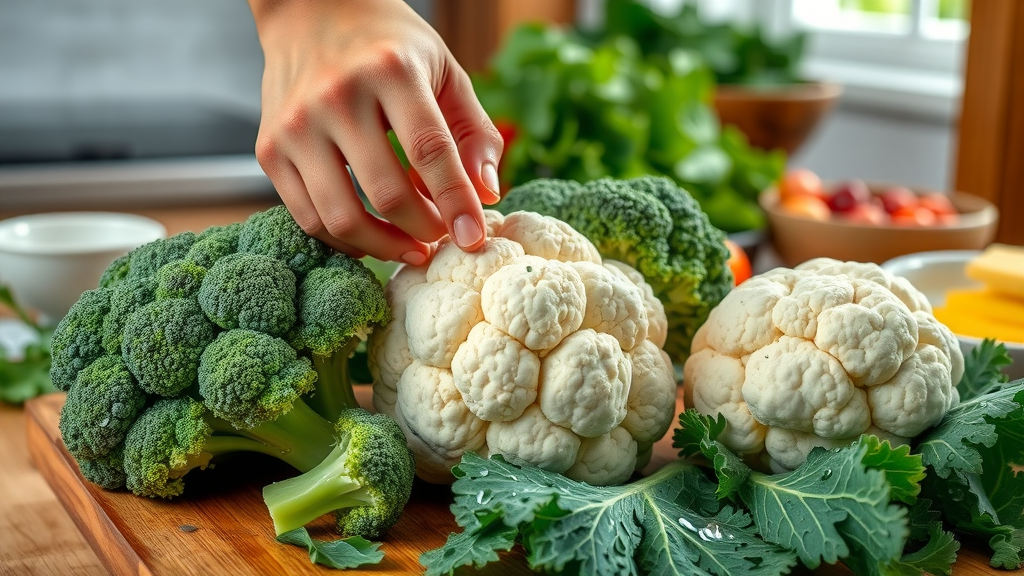


Raw broccoli, cauliflower, and kale on rustic board - raw vegetables, hard to digest, digestive health

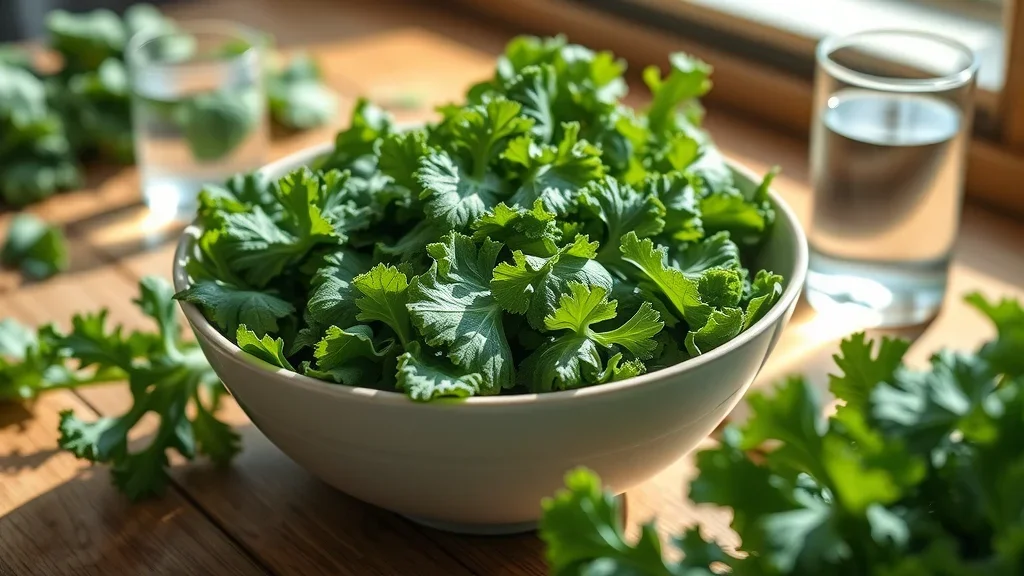
Dietitians love recommending raw vegetables for their vitamins and minerals, but for individuals with sensitive digestive systems, certain raw vegetables can be surprisingly hard to digest . Broccoli, cauliflower, and kale contain considerable amounts of cellulose (a type of dietary fiber) and complex sugars that require robust digestive enzymes to break down.

For many people, eating large quantities of raw, fibrous veggies without adequate chewing or if their digestive tract is compromised, can lead to gas, bloating, and abdominal cramps. The body’s inability to fully digest these fibers means they travel to the colon, where they're fermented by gut bacteria, releasing gas as a byproduct.

Cooking vegetables lightly—by steaming, roasting, or sautéing—can help soften these fibers, making veggies easier on the digestive tract while keeping many nutrients intact.

6. Acidic Foods and Citrus Fruits: What Makes These Foods Harder to Digest?
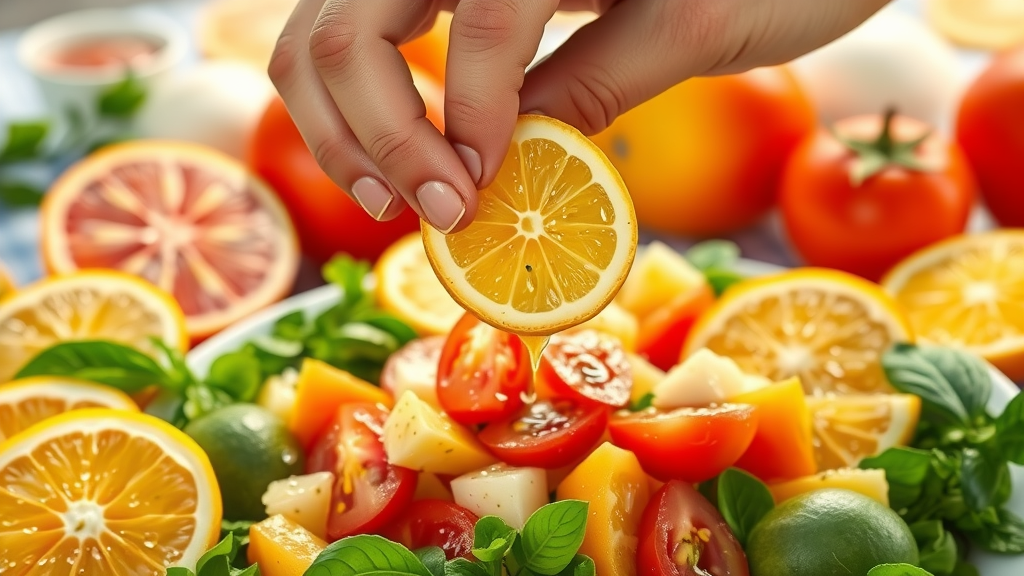


Sliced citrus fruits and tomatoes - acidic foods, citrus fruits, hard to digest foods

Acidic foods like tomatoes, vinegar, and especially citrus fruits (lemons, oranges, grapefruits) are refreshing, but they can spell trouble for those prone to acid reflux or heartburn. Their high acidity irritates the stomach lining and can disrupt the natural pH balance of the digestive tract, triggering symptoms such as burning sensations, indigestion, and even reflux.

Some individuals find that acidic foods, when eaten on an empty stomach or in large amounts, produce far more discomfort. This is particularly true for people dealing with chronic digestive symptoms or underlying gut sensitivities.

If you love the flavor and health perks of citrus, enjoy them in moderation, pair with protein or healthy fats, and always pay close attention to your body's unique response.

7. Artificial Sweeteners: Their Role Among Foods That Are Harder to Digest

Many who try to avoid sugar turn to artificial sweeteners like sorbitol, aspartame, and sucralose—ingredients in sugar-free gums, diet sodas, and protein bars. But these sweeteners, especially when consumed in large amounts, are among the most difficult to digest compounds commonly consumed today.

The digestive tract isn't designed to break down artificial sweeteners efficiently, so they're often fermented by bacteria in the colon, resulting in gas, bloating, and even laxative effects. People with a history of digestive condition such as irritable bowel syndrome are even more vulnerable to the irritating effects of these sweeteners.

Instead, consider natural sweeteners like honey or maple syrup in small quantities, or stick with unprocessed fruits to satisfy your sweet tooth without overwhelming your digestive system.

How Hard to Digest Foods Affect Digestive Health and Lead to Digestive Issues

  • Breakdown of the digestive process with harder to digest foods.
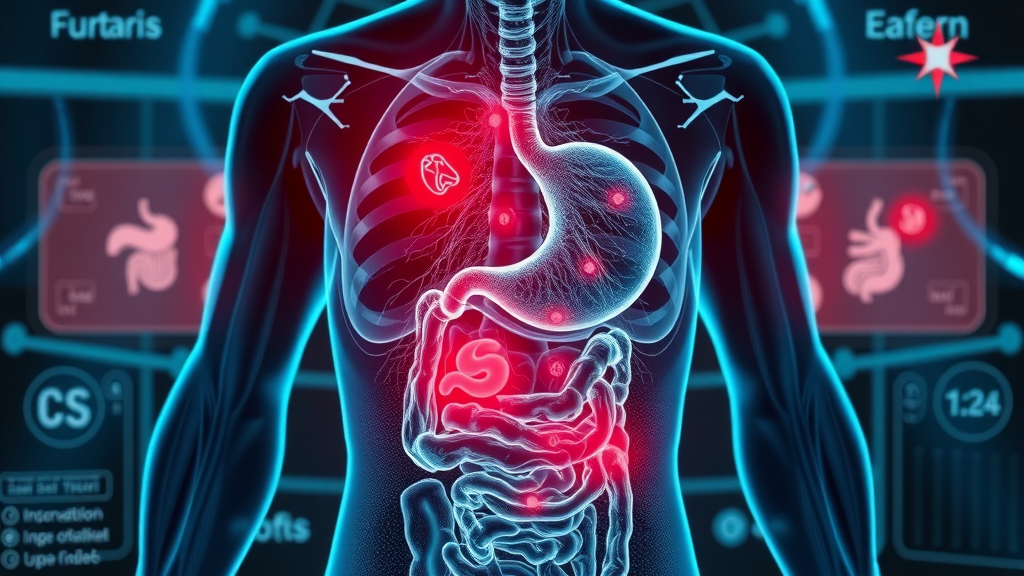


Illustration of human digestive system highlighting problem zones - digestive system, hard to digest foods

Hardest Foods to Digest

Digestive Challenges

Gentler Alternatives

Fried food

Triggers indigestion, slows digestion

Grilled, baked, or steamed foods

Spicy foods

Irritates stomach lining

Mildly seasoned dishes

Dairy products (milk, cheese, ice cream)

Lactose intolerance, bloating, cramps

Lactose-free or plant-based alternatives

Processed foods

Artificial additives, bloating, constipation

Whole, unprocessed foods

Raw vegetables (broccoli, cauliflower, kale)

Gas, bloating from fiber/cellulose

Cooked, lightly steamed vegetables

Acidic foods/citrus fruits

Triggers acid reflux, heartburn

Lower-acid fruit (melon, banana)

Artificial sweeteners

Gas, bloating, laxative effect

Natural sugars in fruit (berries, apple)

When your meals regularly include harder to digest foods, your system must work overtime. The stomach may take longer to break down meals, while the intestines become stressed, leading to bloating , gas , constipation, irritation, and sometimes chronic digestive symptoms . Swapping challenging foods for easier alternatives can vastly improve digestive health and your overall sense of well-being.

Those with existing health problems (like IBS , food intolerances, or previous digestive surgeries) are at a higher risk for experiencing the negative effects of tough-to-digest foods. These choices can also impact the body’s ability to absorb vital nutrients, contributing to fatigue, low energy, and even poor skin health.

Spotlight: Foods That Become More Difficult to Digest with Age

"As we age, digestive enzyme production drops, making many foods—including some of our favorites—much harder to digest," notes a nutrition expert.



Elderly individual carefully choosing food - harder to digest foods with age, digestive health

With age, our digestive system naturally produces fewer digestive enzymes, making it more challenging to process certain foods—especially dairy products , fried food , and large amounts of fat. Reduced enzyme levels mean that the stomach and intestines cannot break down food particles as efficiently, slowing the process and increasing the likelihood of digestive discomfort.

Compounded by other health condition changes such as reduced physical activity, slowed metabolism, and medications that may affect the gut lining, older adults often experience more frequent digestive problems like constipation, bloating, and cramps. It's important to note that sensitivity to foods that were previously well-tolerated can develop due to these age-related shifts.

By being proactive—choosing gentler foods, staying hydrated, and consulting healthcare providers—older adults can continue to enjoy flavorful, nourishing meals without the usual stomach complaints linked to hard to digest choices.

10 Signs You’re Eating Foods That Are Harder to Digest

Do you regularly experience digestive discomfort? Here are 10 telltale signs that your current diet might be packed with foods that are difficult to digest:

  1. Frequent bloating—feeling swollen after meals.

  2. Painful abdominal cramps, often after eating.

  3. Gas or excessive belching.

  4. Irregular bowel movements (constipation or diarrhea).

  5. Unexplained fatigue or sluggishness after eating.

  6. Heartburn or acid reflux—especially after spicy or fatty foods.

  7. Grumbling or unsettled stomach sounds.

  8. Nausea or feeling overly full quickly.

  9. Recurring headaches or brain fog after eating certain meals.

  10. Visible undigested food particles in stools.

If you notice several of these symptoms, re-evaluating your diet and reducing hard to digest foods may help restore your digestive health and energy levels.

Ways to Prevent Constipation and Boost Digestive Health If You Eat Harder to Digest Foods



Person preparing healthy meal with water, fruit, and yogurt - prevent constipation, digestive health

Balancing your diet with prebiotic and probiotic-rich foods (like yogurt, kefir, kimchi, and fiber-rich fruits/veggies), along with proper hydration, can prevent constipation and enhance your overall digestive health . Drinking at least eight glasses of water daily ensures everything moves smoothly through your gastrointestinal tract.

Consider these easy lifestyle hacks: chew food thoroughly before swallowing; avoid eating large amounts at one time; cook raw vegetables instead of eating them raw; and practice food combining—like pairing lean protein with steamed veggies and healthy fats, rather than loading a meal with multiple hard to digest elements (fried, dairy, spicy all at once).

Making portion size adjustments and slowing down during meals gives your digestive system time to process foods efficiently. If you still experience persistent digestive symptoms, consult a healthcare professional to screen for underlying issues and personalized recommendations.

Expert-Recommended Alternatives to Hard to Digest Foods for Digestive Health

Transforming your digestive health doesn’t mean sacrificing flavor or satisfaction. Try swapping out fried food for baked or grilled proteins, use lactose-free milk and cheeses or plant-based milks in place of regular dairy products , and opt for cooked vegetables instead of raw when preparing salads or side dishes.

Sample meal plan for a day:

  • Breakfast: Oatmeal made with almond milk and blueberries.

  • Lunch: Grilled chicken breast with lightly steamed broccoli and quinoa.

  • Dinner: Baked salmon with roasted sweet potatoes and spinach sautéed in olive oil.

  • Snack: Low-fat Greek yogurt with sliced banana.

Implementing gradual, manageable changes—such as replacing one hard to digest food each week with a gentler option—will help your gut adjust and begin healing, making it easier to stick to healthier habits in the long run.
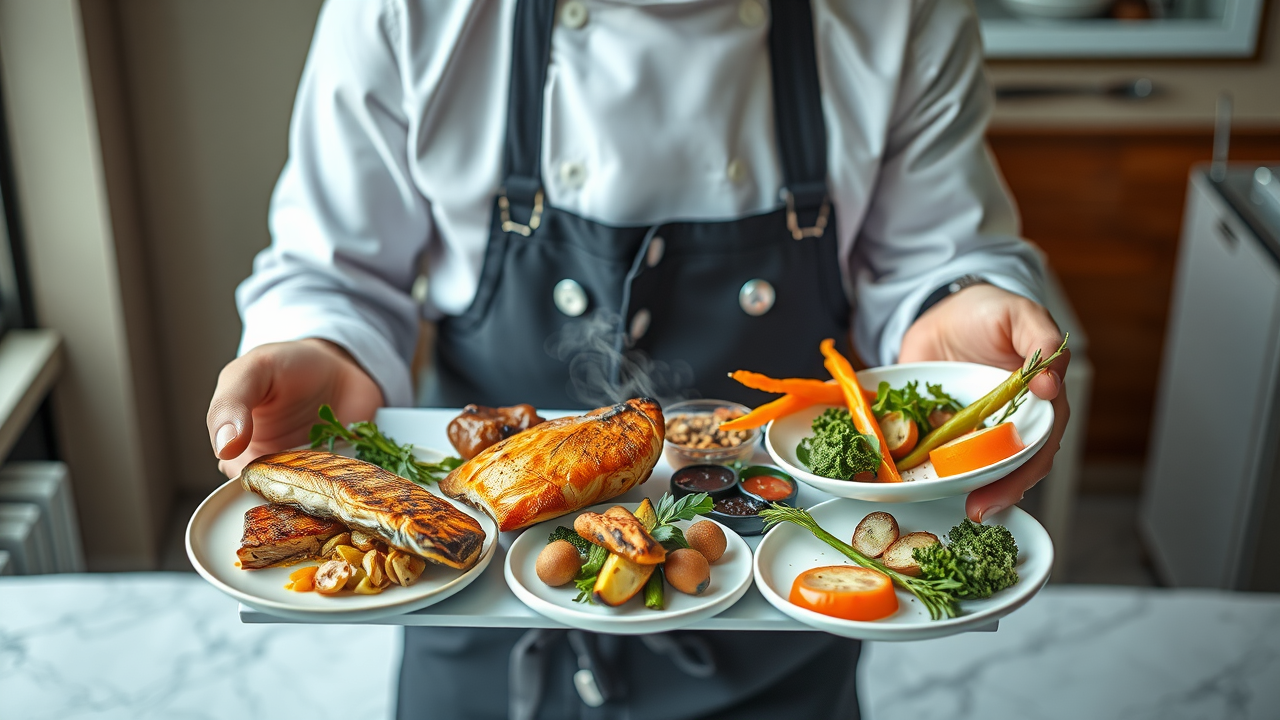


Assortment of healthy, easy-to-digest food swaps including grilled fish, cooked vegetables, lactose-free foods - digestive health

People Also Ask

What is the toughest food to digest?

The toughest foods to digest are those high in saturated fat and artificial ingredients—think fried food (chicken, fries), fatty meats, and highly processed foods . These foods strain the digestive system, slow down digestion, and can trigger issues like bloating, constipation, and stomach discomfort.


What foods are worst for your gut?

Foods worst for your gut are typically artificial sweeteners , highly processed foods , and those with additives or preservatives. These disrupt the natural balance of gut bacteria, impair nutrient absorption, and heighten the risk of inflammation and chronic digestive issues .


What is hard for your stomach to digest?

Your stomach finds foods like regular dairy products , raw vegetables (broccoli, kale), and fried foods challenging to digest. Certain health conditions (like lactose intolerance or IBS) will increase sensitivity to these foods, making them even harder on the digestive tract.


What foods become harder to digest with age?

With aging, a natural decline in digestive enzyme production makes foods such as whole dairy, fried and fatty foods, and sometimes red meats increasingly hard to digest. Older adults should be mindful of their changing digestion and adapt by choosing softer, cooked, and easier-to-digest alternatives.


Key Takeaways: Making Informed Choices on What Foods Are Harder to Digest

Avoid or limit fried foods , rich dairy products , processed snacks, and large amounts of raw, fibrous vegetables if you notice digestive symptoms. Take note of your body’s signals, especially bloating, cramps, and irregularity. Small, consistent diet changes—favoring cooked, whole, and gentle foods—will empower you to nurture better digestive health every day.

Frequently Asked Questions Regarding What Foods Are Harder to Digest

.

Q: Are all fried foods equally hard to digest?
A: Most fried foods are difficult on digestion due to high fat content. Even plant-based versions can upset the gut, especially if served in large amounts or paired with other hard-to-digest foods.

Q: Does eating late at night make digestion worse?
A: Digestive efficiency drops at night, so hard to digest foods (like red meat, fried dishes, or dairy) may linger longer in the stomach, intensifying issues like acid reflux and bloating.

Q: Can food intolerances develop later in life?
A: Yes, aging and health changes like illnesses or medication use can reduce digestive enzymes, making even previously tolerated foods harder to digest.

Q: What is the best way to test individual food tolerance?
A: Keep a food and symptom diary, gradually reintroduce suspected foods, and consult a healthcare provider if digestive problems persist.

Practical Steps to Improve Your Digestive System and Avoid Harder to Digest Foods

For optimal digestive health , hydrate often, choose whole foods, cook or steam vegetables, keep portion sizes moderate, and be mindful of how foods affect your body. Plan meals ahead, listen to digestive cues, and seek advice from a registered dietitian or gastroenterologist if you have chronic or unexplained symptoms. A personalized approach can make all the difference in building a resilient, healthy gut.

Ready to Transform Your Digestive Health? Start Making Better Food Choices Today

Start today: review your typical meals, swap out harder to digest picks for gut-friendly ones, and don't hesitate to seek expert guidance if your digestive symptoms persist. Small, conscious choices will lead to big improvements over time.

If you’re motivated to take your digestive wellness even further, consider how your overall nutrition can impact not just your gut, but your strength and vitality as you age.

Building a diet that supports muscle health is especially important for seniors, and the right foods can make a significant difference in maintaining both digestive comfort and physical resilience.

For a deeper dive into strategic nutrition for aging well, explore essential foods that help fight muscle loss and support senior health . Empower yourself with knowledge that goes beyond digestion—nourish your body for a healthier, more active future.

Sources

  • Healthline - 13 Foods That Are Hard to Digest

  • WebMD - Worst Foods for Digestion

  • Mayo Clinic - IBS Diet: What to Eat and What to Avoid

  • EatRight.org - Digestive Enzymes and Food Tolerances

Understanding which foods are harder to digest is crucial for maintaining optimal digestive health. Certain foods can slow down the digestive process, leading to discomfort such as bloating, gas, and indigestion. By identifying and moderating the intake of these foods, you can support your digestive system and enhance overall well-being.

1. Fried and Fatty Foods

Fried foods, such as french fries, fried chicken, and doughnuts, are high in unhealthy fats that can slow digestion and lead to bloating and discomfort. The greasy nature of these foods makes them hard to break down, and prolonged consumption can cause inflammation in the gastrointestinal tract. ( timesofindia.indiatimes.com )

2. Spicy Foods

Spicy foods, including chili peppers and hot sauces, can irritate the digestive tract, leading to indigestion and discomfort. For some individuals, consuming spicy foods may exacerbate conditions like acid reflux or irritable bowel syndrome (IBS). ( healthline.com )

3. Dairy Products

Dairy products like milk, cheese, and ice cream contain lactose, a sugar that requires the enzyme lactase for digestion. As people age, lactase production often decreases, leading to lactose intolerance and symptoms such as bloating, gas, and diarrhea after consuming dairy. ( healthline.com )

4. Processed Foods

Processed foods, including pre-packaged snacks and frozen meals, often contain preservatives, artificial additives, and unhealthy fats that can negatively affect gut bacteria. These additives can cause inflammation, slow digestion, and lead to constipation and bloating. ( timesofindia.indiatimes.com )

5. Raw Vegetables

While vegetables are essential for a healthy diet, certain raw vegetables like broccoli, cauliflower, and cabbage are high in fiber and can be tough on the digestive system. Cooking these vegetables can help make them easier to digest. ( healthline.com )

6. Beans and Legumes

Beans, lentils, and other legumes contain complex carbohydrates and fibers that can be hard to digest, leading to gas and bloating. Cooking beans thoroughly and opting for split peas or lentils, which are easier to digest, may be helpful. ( thehampshiresl.seniorlivingnearme.com )

7. Carbonated Beverages

Carbonated drinks can introduce excess gas into the digestive system, leading to bloating and discomfort. The bubbles from carbonation increase the amount of air in your stomach, leading to discomfort and burping. ( woodlandsvillagesl.com )

8. Red Meat

Red meat, such as beef and pork, can be challenging for the body to break down due to its high-fat content and tough muscle fibers, making digestion slow and strenuous. Opting for leaner protein sources may be easier on the digestive system. ( thehampshiresl.seniorlivingnearme.com )

9. Artificial Sweeteners

Artificial sweeteners, found in many diet sodas and sugar-free products, can cause digestive issues like bloating and diarrhea. Some sugar substitutes, such as sorbitol and xylitol, are difficult for the body to absorb and can lead to discomfort. ( woodlandsvillagesl.com )

10. Acidic Foods

Acidic foods like tomatoes, vinegar, and citrus fruits can irritate the stomach lining and can disrupt the natural pH balance of the digestive tract, triggering symptoms such as burning sensations, indigestion, and even reflux. ( healthline.com )

By being mindful of these foods and their potential impact on digestion, you can make informed dietary choices that promote better digestive health and overall comfort.

Digestive

Write A Comment

*
*
Related Posts All Posts

The Winter Gut-Health Survival Guide

When winter chills strike, gut health suffers silently—leaving many fatigued and vulnerable. I’ve felt those winter gut struggles firsthand. Understanding how to nurture your gut in colder months can transform your energy and immunity, making the season not just bearable, but truly thriving.In this comprehensive guide, we’ll unravel why gut health in winter matters, share step-by-step resets, and reveal easy strategies for safeguarding your digestive system through the coldest months. Get ready to eat smarter, feel better, and fortify both body and mind for the season ahead.Why Gut Health in Winter Matters: The Unseen Chill on Your Digestive SystemGut health in winter is often overlooked, but as the mercury drops, so does the resilience of your digestive system. Many people notice sluggish energy, crave more comfort foods, and battle more frequent colds and digestive issues during the colder months. Reduced sunlight, greater time spent indoors, and dietary shifts can all throw your gut out of balance, leading to a negative ripple effect on your physical and mental wellbeing.Maintaining a healthy gut isn’t just about avoiding stomach aches—your gut is a central player in immunity, mood, and overall resilience. In winter, when we’re more vulnerable to infection and fatigue, supporting gut health becomes even more critical for thriving, not just surviving."When winter chills strike, gut health suffers silently—leaving many fatigued and vulnerable. Understanding gut health in winter can transform your energy and immunity."Signs your gut health in winter is suffering: low energyCravings for comfort foodsDigestive issuesMore frequent coldsThe Link Between Gut Health in Winter and ImmunityWhen winter arrives, your immune system faces seasonal challenges—and your gut is its command center. A healthy gut forms the first line of defense against pathogens, influences your body’s inflammation response, and even determines the intensity of seasonal illnesses.Changes in diet (think more rich foods and fewer fresh fruits), reduced physical activity, and the effects of cold weather can disrupt the gut microbiome, weakening your immune powers when you need them most. Supporting your gut health in winter can build your resilience against winter bugs and help you bounce back faster from colds and flu. Think of your digestive tract as an internal winter coat, keeping your defenses strong and energy steady during harsh conditions.Why the Digestive System Slows in Cold WeatherIt’s not just your motivation that feels sluggish when the temperatures drop—cold weather can also slow down your digestive process. During winter months, your body conserves energy, and blood flow to the digestive system may decrease, slowing digestion and sometimes causing issues like bloating or constipation. Less hydration, less movement, and heavier comfort foods can intensify the problem.A sluggish digestive system struggles to break down nutrients efficiently, impacting both your mood and metabolism. Understanding these seasonal changes is the first step in preventing winter stomach woes and feeling your best all season long.The Fight for a Healthy Gut During Winter MonthsBattling winter’s impact on the gut is a daily commitment. Foods rich in fiber, warming spices, and a focus on hydration are all part of your arsenal for maintaining healthy gut bacteria even on the coldest days. Avoiding processed foods that can fuel unhealthy gut bacteria is critical, while fermented food like kimchi or yogurt introduces beneficial bacteria to aid digestion.Building gentle routines, like a daily herbal tea or a brisk walk, can create powerful ripple effects for your digestive system and energy. Prioritizing gut health in winter offers rewards far beyond improved digestion—it can supercharge your well-being for the season’s demands.For those who experience more acute digestive discomfort during the colder months, understanding specific triggers and remedies can be invaluable. If you’re dealing with sudden digestive upsets like diarrhea, you might find these natural tips for stopping diarrhea and restoring balance especially helpful as part of your winter gut-care toolkit.What You’ll Learn: Gut Health in Winter InsightsWhy your gut health faces unique threats in winter monthsTop food, lifestyle, and supplement strategies for digestive health and immunity in winterHow to reset your digestive system if you’ve gone off trackEasy wins for a healthy gut in the coldest monthsHow Winter Months Impact Gut Health & Digestive HealthCan Cold Weather Affect Your Gut?Absolutely. Cold weather impacts your gut health by changing the way you eat, move, and metabolize food. In colder months, we often gravitate towards richer foods and reduce our intake of fiber-rich fruits and vegetables—key elements for supporting your gut microbiome. The drop in temperature can also make you drink less water, further slowing digestion.Scientific studies show a shift in the bacteria in your gut during winter, often away from strains that are beneficial to digestion and immunity. Colder months challenge your digestive system on all fronts, making proactive gut health care a necessity—not a luxury.Common Winter Digestive Issues and Their Root CausesIf you’ve ever noticed feeling more bloated, constipated, or just “off” in your gut during the winter, you’re not alone. Common winter digestive issues include slow digestion, constipation, bloating, and increased cravings for sugary or rich foods. These issues are triggered by a combination of environmental and lifestyle factors: less sunlight, less movement, more time on the sofa, and more indulgence in holiday treats.Additionally, central heating dries out the air, which can reduce your thirst drive—further compromising your hydration and leading to sluggish digestion. Recognizing these patterns helps you take action early and avoid months of feeling run-down.The Science: Gut Health, Microbiome, and the Winter MonthsWinter brings dynamic shifts in your gut’s ecosystem. The gut microbiome—the thriving community of beneficial bacteria in your digestive tract—can be thrown off balance by changes in diet, light exposure, and stress during the season. As we reach for more processed foods and less fresh produce, our gut bacteria diversity decreases, reducing resilience and sometimes making us more prone to seasonal illnesses.Emerging research links lower levels of beneficial bacteria during winter to increased rates of colds, fatigue, and even mood dips. By focusing on prebiotic fiber, fermented food, and habits that feed your healthy gut, you can restore balance and fortify your digestive system for the cold days ahead.7-Day Gut Health in Winter Reset: Reboot Your Digestive SystemWhat is the 7 Day Gut Reset?The 7-day gut health in winter reset is a science-backed plan to restore balance in your gut microbiome and improve digestion, mood, and immunity. This weeklong program blends seasonal produce, warming recipes, fermented food, and lifestyle tweaks to kickstart your winter wellness. Each day includes prebiotic-rich meals, hydration reminders, and intentional movement to support a healthy gut. Whether you’ve overindulged in holiday rich foods or simply want a winter wellness tune-up, this reset offers a gentle, enjoyable pathway back to feeling energized and resilient.Table: Sample 7-Day Gut Health in Winter Meal PlanDayBreakfastLunchDinnerGut Booster1Warm oats with stewed apples & cinnamonRoasted sweet potato salad with kaleChicken bone broth soup with lentilsFermented sauerkraut side2Probiotic-rich yogurt parfait, berries, flaxChickpea stew with leafy greensGrilled salmon with winter root vegetablesGlass of kefir3Scrambled eggs, sautéed spinach, toasted sourdoughLentil & sweet potato curryRoast chicken, Brussels sprouts, wild riceKimchi4Warm chia pudding with pears & nutsRoot vegetable soup, whole grain breadSilken tofu stir fry, brown rice, Bok choyFermented pickles5Buckwheat pancakes, berry compoteCold beet quinoa saladVegetable chili, sweet potatoesGlass of kombucha6Porridge with walnuts, dates, and honeyButternut squash soup, kale chipsPasta with lentil Bolognese, steamed greensYogurt with inulin7Overnight oats with banana & seedsHearty miso soup, rye crackersSlow-cooked beef stew, root veggiesFermented beet kvass shotDaily Winter Gut-Health Habits for Sustainable ResultsConsistency matters when it comes to gut health in winter. Hydrate with warm drinks like herbal tea, prioritize fiber at every meal, and build movement into your daily routine—these habits can dramatically improve your digestive health. Take a 10-minute winter walk, drink a glass of water first thing in the morning, or add a scoop of fermented food with your lunch.Even small, regular changes foster a healthy microbiome and help prevent constipation, sluggishness, and immune dips during cold months. Over time, these micro-habits deliver macro results: steadier energy, fewer digestive issues, and a body better equipped for winter’s challenges.Winter-Rich Foods for a Healthy Gut: Eat for Digestive HealthWhat Foods Are Good for Your Gut in the Winter?Winter staples can be powerful gut allies.*Root vegetables like sweet potatoes, carrots, and parsnips are rich in soluble fiber, feeding beneficial gut bacteria and supporting smooth digestion.*Fermented foods—including kimchi, sauerkraut, kefir, and yogurt—introduce healthy bacteria to your microbiome, supercharging digestion and immunity.*Leafy greens, oats, and citrus fruits provide antioxidants and polyphenols essential for gut lining health and fight inflammation.Choose seasonal, whole foods and aim for diversity in your plate; your gut thrives on variety, even in the colder months.Spotlight: Sweet Potatoes, Fermented Food, and Other Winter SuperfoodsSweet potatoes are an excellent source of soluble fiber and vitamin A, supporting your immune system and gut lining. Add them roasted, mashed, or in warming soups for a reliable winter energy boost. Fermented foods contain beneficial bacteria that help maintain a healthy gut environment, support your immune system, and can ease common winter digestive issues.Try adding a spoonful of sauerkraut or a glass of kefir to meals. Other superstar foods for gut health in winter include oats, dark leafy greens, root vegetables, and even small amounts of dark chocolate—packed with natural prebiotics and polyphenols.Cold Foods vs. Warm Foods: Which are Best for Winter Digestive Health?Choosing between cold and warm foods can make a difference in how your digestive system feels during winter. While some cold foods, like yogurt or fresh fruit, have health benefits, your digestive tract may respond more favorably to warm meals in cold weather.Warm foods are easier to digest because they require less energy for your body to process, supporting a healthy gut and reducing digestive issues. Stews, soups, roasted vegetables, and herbal tea not only comfort but also help the digestive system operate efficiently. Save smaller portions of cold foods for snacks or pair them with warmer elements to enjoy the best of both worlds—nourishing your microbiome without sacrificing comfort.The 3 P’s of Gut Health in Winter: Probiotics, Prebiotics, and PolyphenolsWhat Are the 3 P's for Gut Health?"The 3 P’s" refer to three pillars of gut health: probiotics, which are beneficial bacteria found in fermented food; prebiotics, which are types of fiber that feed your gut microbiome; and polyphenols, plant compounds that decrease inflammation and support digestive health.In winter, getting enough of all three is crucial for a resilient digestive system. Think of it as building layers of protection: probiotics introduce friendly bacteria, prebiotics nourish them, and polyphenols help them thrive and guard your gut against winter challenges.How to Incorporate the 3 P’s Into Your Everyday Winter MealsGetting your daily dose of the 3 P’s is easier (and tastier) than you might think. Add a scoop of fermented sauerkraut or a glass of kefir with lunch for probiotics. Choose onions, garlic, leeks, oats, and bananas as prebiotic-rich foods. Enjoy berries, dark chocolate, or artichokes for a natural boost of polyphenols.Combining these elements in daily meals can support your gut microbiome and digestive health all winter long. For example, try a breakfast of oats (prebiotic) with mixed berries (polyphenol), or a dinner of roasted root vegetables (prebiotic) alongside a serving of kimchi (probiotic). Little upgrades can lead to big improvements in gut health, immunity, and your daily mood.Comfort Foods and Cold Weather: Making Healthier Choices for the GutUpgrading Comfort Foods for Gut and Digestive HealthThe craving for comfort foods in winter is real, but rich, heavy recipes need a gut-friendly twist. Upgrade your meals by swapping refined grains for whole, fiber-rich versions and adding more vegetables to stews, casseroles, and pasta dishes. Use unsweetened yogurt or kefir in creamy sauces for added probiotics and swap white potatoes for sweet potatoes for fiber and nutrients. Even comfort classics—like mac and cheese or chili—can become deliciously gut-healthy with a sprinkle of fermented kimchi or wholegrain pasta. Your digestive system will thank you with better energy, mood, and minimal winter sluggishness.Navigating Rich Foods and Holiday Treats Without Derailing Gut HealthWinter brings not just colder weather, but also the holiday season’s bounty of rich foods and sweets. The key to gut health is not deprivation—it's making informed swaps that support your digestive system. Alternate heavy dishes with lighter, fiber-packed salads, and always include a fermented food or a side of pickled veggies with main courses.Choose dark chocolate and fruit for dessert instead of baked sweets, and embrace herbal tea after meals for digestion. Strategic choices allow you to enjoy winter festivities without sacrificing a healthy gut or ending up with post-holiday digestive issues.Choose whole grains over white flour in comfort foodsAdd a serving of fermented food to each mealHydrate with herbal tea rather than sugar-sweetened beveragesLoad winter soups and stews with a rainbow of root veggiesSavor dark chocolate or roasted apples instead of sugary pastriesLifestyle Tips to Boost Gut Health in Winter MonthsMovement and the Digestive System: Why Exercise Counts All WinterDon’t let cold weather freeze your fitness plans. Regular movement stimulates the digestive system, prevents constipation, and fuels a healthy gut microbiome. Even gentle activities—like daily walks, yoga, or stretching—help keep gut bacteria well-fed by promoting healthy blood flow and aiding the digestive process.Combine physical activity with cozy routines, like dancing to your favorite tunes or stretching beside a sunny window. The benefits reach beyond digestion: moving daily also boosts your mood and supports your immune function during winter months.Stress, Sleep, and Their Impact on Gut Health in WinterWinter stressors, shorter days, and less sunlight can take a serious toll on both sleep quality and gut health. Chronic stress and poor sleep disrupt the balance of beneficial bacteria, slow digestion, and make you more prone to digestive issues and seasonal illnesses.Combat winter stress with routines that promote relaxation—herbal tea before bed, deep breathing, or writing in a gratitude journal. Prioritize restful sleep by sticking to regular bedtimes and making your environment calm and dark. Well-rested, less-stressed bodies naturally support a healthier gut and a stronger immune system.Hydration: Keeping Digestive Health Flowing During Cold MonthsHydration doesn’t feel intuitive in cold weather, but it’s vital. Your digestive system needs water to move fiber along and keep your gut environment balanced. Sipping warm water, herbal tea, or broths counts towards your hydration goals. Add slices of citrus or ginger for extra flavor and health benefits.If you find yourself dehydrated, digestion slows, constipation creeps in, and your immune system may weaken. Set reminders, pair water with meals, and keep a cozy mug nearby; a few sips each hour is all it takes to support your gut health in winter.Expert Tips & Short Stories for a Healthy Gut All Winter"Last January, swapping my nightly hot cocoa for a turmeric-ginger latte made all the difference for my gut health during winter!" – Nutritionist Jess MarlerQuick wins: Add a handful of fermented veggies to lunch each dayReal user story: “Switching to herbal teas gave me more energy and fewer digestive issues this winter.”—Ava, 38Set a hydration goal—aim for at least six cups of warm drinks dailyBatch roast root vegetables at the start of the week for easy gut-friendly mealsPeople Also Ask: Winter Digestive Health & Gut Questions AnsweredCan cold weather affect your gut?Yes, cold weather affects your gut by slowing the digestive process, changing your appetite, and often leading you to choose heavier foods that may trigger digestive issues. Lower water intake and less movement also contribute to symptoms like constipation, bloating, and reduced immunity. Proactively supporting your gut during winter with warm, fiber-rich foods and regular exercise helps keep your digestive system strong.What is the 7 day gut reset?The 7 day gut reset is a structured weeklong plan that focuses on nourishing your gut with seasonal foods, fermented food, and prebiotic-rich meals while encouraging consistent hydration and daily movement. It’s designed to restore balance in your gut microbiome, improve digestion, boost your immune system, and get you feeling energized throughout the winter months.What foods are good for your gut in the winter?Focus on root vegetables like sweet potatoes, beets, and carrots, as well as fermented foods such as kimchi, yogurt, and sauerkraut. Leafy greens, oats, and hearty soups packed with a variety of winter produce also support digestive health. Warm foods are often easier to digest during colder months and contribute to a resilient and healthy gut.What are the 3 P's for gut health?The 3 P’s refer to probiotics (beneficial bacteria from fermented foods), prebiotics (fiber that feeds gut bacteria, from foods like oats, onions, and garlic), and polyphenols (plant compounds found in berries, dark chocolate, and artichokes) that support a strong gut microbiome and optimal digestive health, especially vital during winter.FAQs: Gut Health in Winter MonthsAre probiotics necessary for gut health in the winter? While not mandatory, probiotics help maintain balance in your gut flora during colder months and support your immune system. Including fermented food in your meals is an easy and effective way to boost your winter gut health.How can I prevent digestive issues from holiday rich foods? Alternate heavy, rich dishes with fiber-packed salads, and always include a fermented food with meals. Stay hydrated and try not to skip your regular movement routine to keep your digestive system running smoothly.Can vitamin D supplementation help my digestive health in winter? Vitamin D is important for immune function and may have beneficial effects on your gut health, especially during darker winter months when sun exposure is low. Speak to your healthcare provider about the right dosage for you.Is it safe to eat cold foods during winter if I have digestive problems? While cold foods like yogurt or fruit are healthy, some people find that warm meals are gentler on the digestive system in the winter. Listen to your body and aim for foods that provide comfort and support your gut.Key Takeaways for Protecting Your Gut Health in WinterGut health in winter is vital for energy, immunity, and resilienceSeasonal foods, the 3 P’s, and lifestyle upgrades protect your digestive healthSmall daily changes make the winter months better for your digestive systemReady to Transform Your Gut Health This Winter?Take action today: Add a new winter habit, try the 7-day reset, and discover how small changes can yield a happier gut and a healthier, more vibrant you—all winter long!If you’re inspired to take your digestive wellness even further, consider exploring how food sensitivities and specific dietary approaches can impact your gut year-round. Understanding the role of FODMAPs and how they relate to bloating, IBS, and overall digestive comfort can be a game-changer—especially as you navigate seasonal changes. For a deeper dive into optimizing your gut health beyond winter, check out this comprehensive guide on understanding FODMAPs and managing digestive symptoms. Empower yourself with advanced strategies and make every season your healthiest yet.SourcesNIH – Gut Microbiome and HealthHealthline – Benefits of Fermented FoodsMedical News Today – Winter and Digestive HealthTo further enhance your understanding of maintaining gut health during the winter months, consider exploring the following resources:“5 Simple Ways To Maintain A Happy And Healthy Gut All Winter Long”: This article offers practical tips, including incorporating warming spices and seasonal produce into your diet to support digestive health during colder months. (food.ndtv.com)“Winter Digestive Health: Tips and Care Guide”: This guide provides insights into dietary adjustments and lifestyle changes to promote gut health throughout the winter season. (apollo247.com)By integrating these strategies, you can effectively support your digestive system and overall well-being during the colder months. NCWellnessHub.com

Thanksgiving Bubble Gut Gurgles: Why Your Stomach Turns Into a Turkey Call After Dinner

Ever wondered why your stomach sounds like a turkey after Thanksgiving dinner? Those bubble gut gurgles aren’t random—they reveal what’s really happening inside. Discover why your digestive system throws this noisy party and how understanding it can make your next feast more comfortable and enjoyable.Thanksgiving dinner is a time for enjoying the food with friends and family, indulging in favorite dishes, and often, applauding the chef. But after the plates clear, you might notice your stomach sounds off—sometimes even echoing like a turkey call. These Thanksgiving bubble gut gurgles are not just harmless background noise; they’re the soundtrack of your digestion at work. In this article, we’ll answer exactly what causes these gut gurgles, how your holiday meal choices intensify them, and what realistic steps you can take to minimize discomfort so you can focus on making memories, not masking noises.What You'll Learn About Thanksgiving Bubble Gut GurglesThe physiological causes of Thanksgiving bubble gut gurglesHow holiday foods impact your digestive systemTips to reduce gastrointestinal discomfort after Thanksgiving dinnerExpert advice to keep your gut healthy during the holidaysCommon myths and facts about audible digestive noisesWhy Do Thanksgiving Bubble Gut Gurgles Happen? The Immediate ScienceThanksgiving bubble gut gurgles are your body’s instant response to a big, festive meal. But what creates these familiar sounds? The moment you finish your second (or third) helping, your digestive system launches into overdrive. Food passes from your mouth to your stomach and intestines, where it’s mixed with enzymes and digestive juices. As your gut muscles contract—a natural motion called peristalsis—they push this food along, producing both sound and sensation. Like an orchestra warming up, these motility movements are heightened as your body works hard to manage the volume and variety of the Thanksgiving spread.It’s not just the “what,” but the “how”—rich foods encourage your gut bacteria to break down food more actively, resulting in the production of gas and audible gurgling. This symphony occurs whether you’re at home or hosting, and is more noticeable after feasts where you pack in a tummy full of comfort food. Next time you hear that bubble gut chorus, know it’s a normal, natural reflection of your gastrointestinal system working overtime.Interestingly, the way your body responds to large, rich meals can also be influenced by your overall stress levels, which may heighten digestive reactions and make post-dinner gurgles more noticeable. For a deeper look at how stress manifests physically and can impact your gut, explore key wellness insights on recognizing the signs your body is stressed. What are Thanksgiving Bubble Gut Gurgles and How Do They Occur?Definition of Thanksgiving bubble gut gurgles: Audible digestive noises—“borborygmi”—produced as your gut processes a large, mixed meal.Digestion process explained: After eating, the digestive tract accelerates to break down proteins, fats, and fibers. These processes naturally produce sounds as food and liquids move along.Role of peristalsis and gut motility: Muscular contractions push the meal through your intestines, creating bubbles and gurgles—especially when gas and air mix with liquids."After a hearty Thanksgiving meal, your digestive system is hard at work breaking down a mix of rich foods. Gurgles are the natural soundtrack of this process." — Dr. Amy Leung, Gastroenterologist The Role of Thanksgiving Foods in Bubble Gut GurglesIt’s not just the quantity but the composition of Thanksgiving favorites that triggers and intensifies gut gurgles. Protein-rich turkey, high-fiber sides like stuffing and sweet potatoes, creamy casseroles, and sweet treats such as pies and candies challenge your digestive tract in complex ways. Each food category prompts different digestive responses, so combining them can ramp up tummy activity—a classic case of “the mix is mightier than the morsel.”Desserts and fizzy sodas can amplify fermentation in your gut microbiome, generating gas, while rich sides often let odors build and stomachs rumble. Taking stock of your plate and balancing portions can work wonders for masking or lessening audible signals. The following section breaks down how individual holiday dishes affect digestive noises, offering realistic insight for your next festive gathering.Which Thanksgiving Dishes Lead to More Gut Gurgling?Turkey and protein-heavy meals: Take time and energy to digest, stimulating enzyme activity and sometimes producing excess gas.High-fiber sides: Stuffing, potatoes, and veggies encourage fermentation, further fueling gut sounds and odors.Sugary desserts and carbonated beverages: Pies and sodas escalate gas production and bloating, intensifying post-dinner symphonies.FoodFiber ContentFat ContentLikelihood of GurglesReasonTurkeyLowModerateMediumHigh protein slows digestion, triggers more enzyme actionStuffing (with whole grains)HighModerateHighHigh fiber ferments, producing gas and gurglesSweet PotatoesHighLowMediumFiber and natural sugars increase gut activityCreamy CasserolesLowHighHighRich dairy and fats slow digestion; increase bloatingPies & Sweet TreatsLowHighHighSugars ferment quickly, carbonated drinks boost air and gasCarbonated BeveragesNoneNoneVery HighIntroduces air and CO2, intensifies bubble gut gurgles How Overeating and Eating Speed Influence Thanksgiving Bubble Gut GurglesPortion size and dinner pace have a direct impact on digestive comfort during the holidays. When we pack in a tummy full of treats and second helpings, our gut faces more work—and added pressure—that amplifies gurgling and bloating. Eating quickly is another culprit. Not only does it lead to air swallowing, but it also doesn't give your digestive system a chance to keep up, making any gut gurgles more pronounced and uncomfortable.Savoring your food slowly is a good place to start. It allows digestive processes to engage efficiently, minimizing the intensity of post-dinner sounds. For those hoping to stretch into the evening without discomfort, moderating speed and quantity is as important as choosing what’s on your plate. Experts agree that if you want to avoid post-Thanksgiving gurgling, more mindful eating is critical.Does Eating Too Fast Worsen Thanksgiving Bubble Gut Gurgles?Yes—fast eating has consistently been linked to increased air intake and bloating, both of which heighten gut noises. In the rush to get back to laughter or snag a moment with your favorite essential pies, you may forget to chew properly, which hinders digestion from the outset. Speed-eating also gives your stomach less time to alert the brain that it’s full, leading to overeating—another trigger for gut gurgling. Take a moment to notice flavors and engage fully in the meal; your digestive system will thank you."Rapid eating leads to increased air swallowing and bloating, intensifying those festive dinner gurgles." — Dr. Jacob Rivera, Registered Dietitian People Also Ask: Why Does My Stomach Gurgle So Much After Thanksgiving Dinner?It's common to wonder why, after a bountiful Thanksgiving feast, your stomach seems to have become suddenly musical. Thanksgiving bubble gut gurgles become more frequent due to several overlapping factors—large volumes of food, increased fiber and fat content, and sometimes, simply not pacing yourself. Understanding the science behind these sounds can help ease any embarrassment or concern and guide healthier habits for the next family gathering or when hosting at home.Why does my stomach make noise after big meals like Thanksgiving?Borborygmi explained: These “growling” sounds, a blend of food, liquid, and gas moving through the intestines, are medically called borborygmi and are completely normal, especially after big meals.Increased gut transit time: More food means longer processing time—which is why you might hear more gurgling as your digestive tract hustles to break down everything from turkey to pies.Common occurrence: Most people will experience some noisy digestion after Thanksgiving; it’s a sign of active, healthy gut function unless paired with persistent pain or severe discomfort. Are Thanksgiving bubble gut gurgles a sign of poor digestion?Normal vs. abnormal digestive noises: Occasional post-meal gurgles—even loud ones—are almost always normal if not accompanied by pain, diarrhea, or bleeding.When to consult a physician: If you experience ongoing or severe GI discomfort, it’s best to consult a physician, especially if the noises are persistent or disruptive to everyday life.Can Thanksgiving bubble gut gurgles be prevented?Before dinner: Try a light, fiber-friendly snack, and hydrate well. A simple care kit in the guest bathroom—think toilet spray or your favorite essential oil bottle within reach—can also help provide relief and privacy for guests afraid their gurgles will stretch into the evening.During dinner: Take small bites, chew slowly, pace yourself, and pause between courses. Avoid going back for immediate seconds.After dinner: Go for a gentle family walk, stand to chat instead of slouching on the sofa, and sip water rather than carbonated or very sweet drinks.Digestive Health Tips: Minimizing Thanksgiving Bubble Gut GurglesEat smaller, slower meals: Pacing helps your digestive tract work smarter, not harder, work wonders for masking uncomfortable noises, and keeps guests feeling good means a happier holiday mood.Balance portions of fiber, fat, and protein: Avoid heaping all high-fiber foods on one plate—mix and match to aid even digestion and lessen the risk of an upset stomach.Stay hydrated & avoid carbonated or overly sweet drinks: Water is best. Sparkling beverages only add gas to an already busy GI tract.Move around post-meal: Even a short family walk can help keep the digestive system in motion and alleviate gas build-up, instead of letting odors build and discomfort mount. Family Stories of Thanksgiving Bubble Gut GurglesAfter years of struggling with post-dinner discomfort, one anonymous reader found hope with a simple care kit in the guest bathroom (toilet spray, extra tissues, peppermint oil). Last year, mindful eating and a family walk made all the difference, shifting from an evening spent quietly waiting for relief to one spent laughing with friends and family.Before adopting the tips above, this reader faced embarrassing bathroom runs and intense gurgles. Now, they savor dessert, join in outdoor activities, and enjoy a quieter, more comfortable digestive experience—proving small tweaks can work wonders for masking and minimizing bubble gut gurgles."I see a surge in patients post-Thanksgiving with digestive discomfort—simple lifestyle adjustments can make a world of difference." — Dr. Priya Nambiar, Internal Medicine FAQs: Thanksgiving Bubble Gut GurglesAre certain people more likely to experience Thanksgiving bubble gut gurgles?Yes. Those with sensitive digestive systems, IBS, or who rarely eat large, mixed meals are more prone to noisy digestion after special occasions like Thanksgiving. Mindful eating and gradual meal exposure can help.Is it dangerous if the gurgling continues?In most cases, it’s harmless. Persistent, distressing noises with pain, vomiting, or blood should be evaluated by a physician for underlying GI issues.How soon after eating does bubble gut gurgling begin?Gurgles can start within 15–30 minutes of eating—sometimes sooner if you’ve eaten rapidly or consumed carbonated drinks. The sounds may continue for several hours depending on meal composition and your activity level.What natural remedies can help?Peppermint tea and gentle post-meal walks support digestion. Staying hydrated, avoiding lying down too soon, and using a simple care kit with your favorite essential oils in the guest bathroom can also relieve gurgles and odors. If you’re a DIYer, make your own toilet spray: combine a mixture in a small spray bottle within reach for a discreet, effective way to freshen up the toilet bowl after use. Thanksgiving Bubble Gut Gurgles: Key TakeawaysThanksgiving bubble gut gurgles are usually normal after big, rich mealsOvereating and certain foods can intensify digestive soundsSimple strategies can make the holiday more comfortableConclusion: Embrace Thanksgiving Bubble Gut Gurgles—With Digestive Wellness in MindUnderstanding and addressing Thanksgiving bubble gut gurgles lets you relish the holiday—both for the food and the fun—without worry. Take small steps to help your gut, and you’ll enjoy both the feast and the company even more.If you’re interested in taking your wellness journey further, consider how your body’s signals—like post-meal gurgles—fit into the bigger picture of overall health. Recognizing subtle signs of stress and understanding their impact on your digestive system can empower you to make more mindful choices year-round, not just during the holidays.For a comprehensive perspective on how to tune into your body’s cues and support your well-being, discover essential strategies for recognizing when your body is stressed. This knowledge can help you create a more balanced, resilient approach to both festive feasts and everyday life.For well-curated articles and expert perspectives, visit NCWellnessHub.comSourcesAmerican Gastroenterological Association – https://www.gastro.org/patient-care/patient-information/gi-health-resourcesMayo Clinic – https://www.mayoclinic.org/digestive-noises/expert-answers/faq-20058173 After indulging in a hearty Thanksgiving meal, it’s common to experience digestive discomfort, including bloating and gas. To help alleviate these symptoms, consider the following strategies:Stay Hydrated: Drinking plenty of water before and during your meal can aid digestion and prevent dehydration, which may exacerbate bloating. (phillyvoice.com)Eat Slowly and Mindfully: Chewing your food thoroughly and pacing your eating can reduce the amount of air swallowed, decreasing the likelihood of gas buildup. (phillyvoice.com)Limit High-Fiber and Fatty Foods: While fiber is essential for digestion, consuming excessive amounts during a large meal can lead to increased gas production. Similarly, high-fat foods can slow digestion, contributing to bloating. (phillyvoice.com)Incorporate Gentle Movement: Engaging in light physical activity, such as a post-meal walk, can stimulate digestion and help alleviate bloating. (humnutrition.com)Avoid Carbonated Beverages: Drinks like soda and sparkling water introduce additional gas into the digestive system, which can increase bloating and discomfort. (therealgutdoctor.com)By implementing these practices, you can enjoy your Thanksgiving feast while minimizing digestive discomfort. NCWellnessHub.com

Unlock Acid Reflux Relief with Magnesium, Sleep, and Diet Hacks!

Explore effective acid reflux relief strategies using magnesium benefits, sleep tips, and dietary changes.

Terms of Service

Privacy Policy

Core Modal Title

Sorry, no results found

You Might Find These Articles Interesting

T
Please Check Your Email
We Will Be Following Up Shortly
*
*
*