

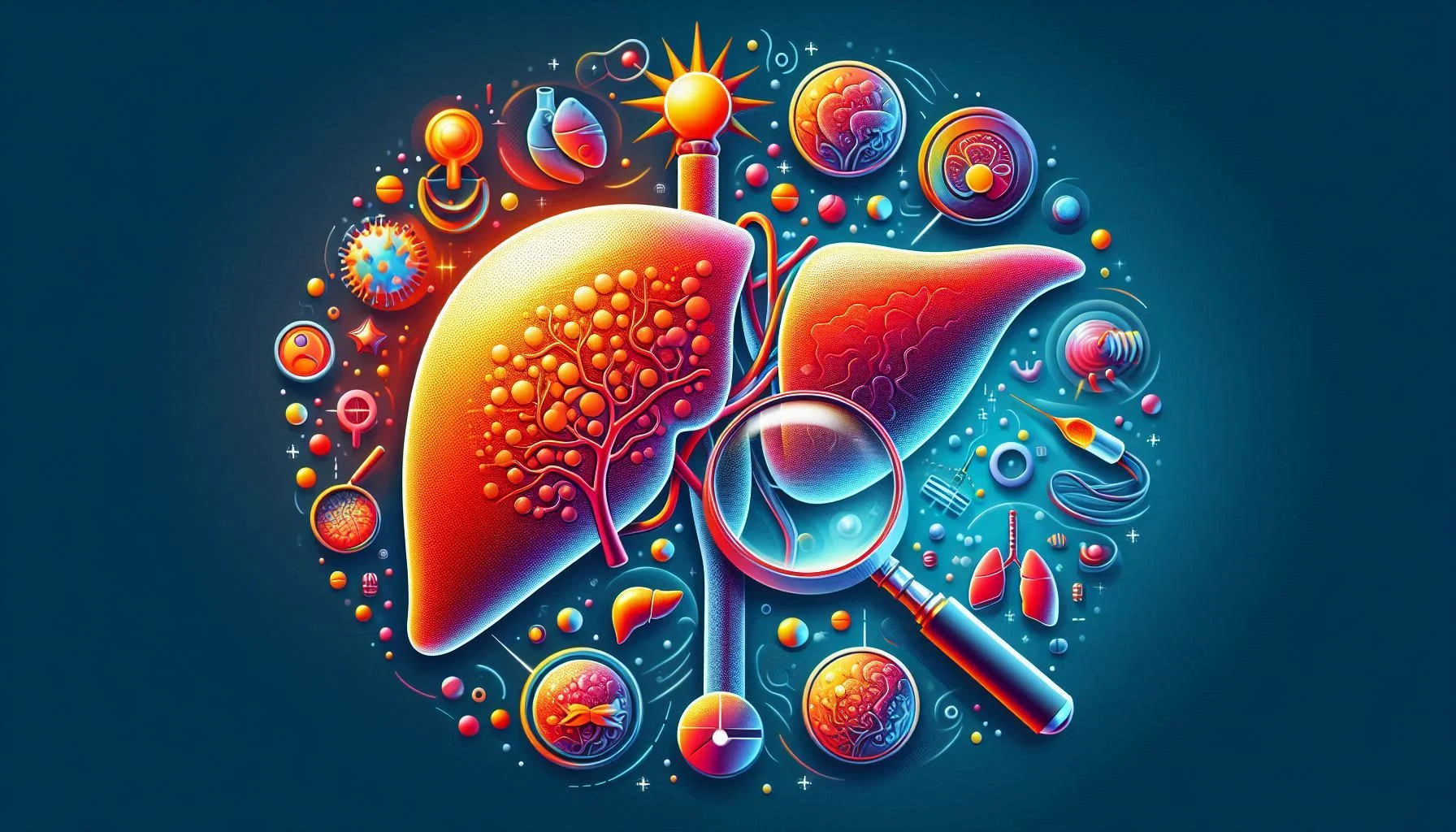
Living with uncertainty about your liver health can be overwhelming. Understanding MASH liver disease is vital—it’s more common than you think and can drastically affect quality of life. Let’s uncover the facts together to empower you with knowledge and hope for better health outcomes.
Understanding What is MASH Liver Disease: An Essential Guide
Millions worldwide may be living with MASH liver disease—often without even knowing it. This progressive condition, formerly known as NASH, is now recognized as a leading cause of chronic liver disease, surpassing older terms like NAFLD.
With lifestyle and metabolic factors fueling this silent epidemic, learning how MASH develops, who is at risk, and how to recognize early symptoms can make a difference between long-term wellness and serious complications. Immediate understanding of what is MASH liver disease and its risk factors enables you and your loved ones to seek timely care, reduce progression, and embrace preventive measures.
"Living with uncertainty can be harder than living with a diagnosis. Knowing the facts about MASH empowers patients to take action." — Dr. Carla Sims, Hepatologist
By grasping the critical differences between MASH, MASLD, and other liver terms, and understanding the vital roles of metabolic dysfunction and lifestyle, you put yourself in the driver’s seat of your liver health journey.
What You'll Learn About MASH Liver Disease
Definition of what is MASH liver disease
Differences between MASH, MASLD, and other liver disease terms
How metabolic dysfunction plays a role
Key risk factors and prevention tips
Latest evidence-based treatment options
Frequently asked questions from patients
What is MASH Liver Disease? Core Concepts and Definitions
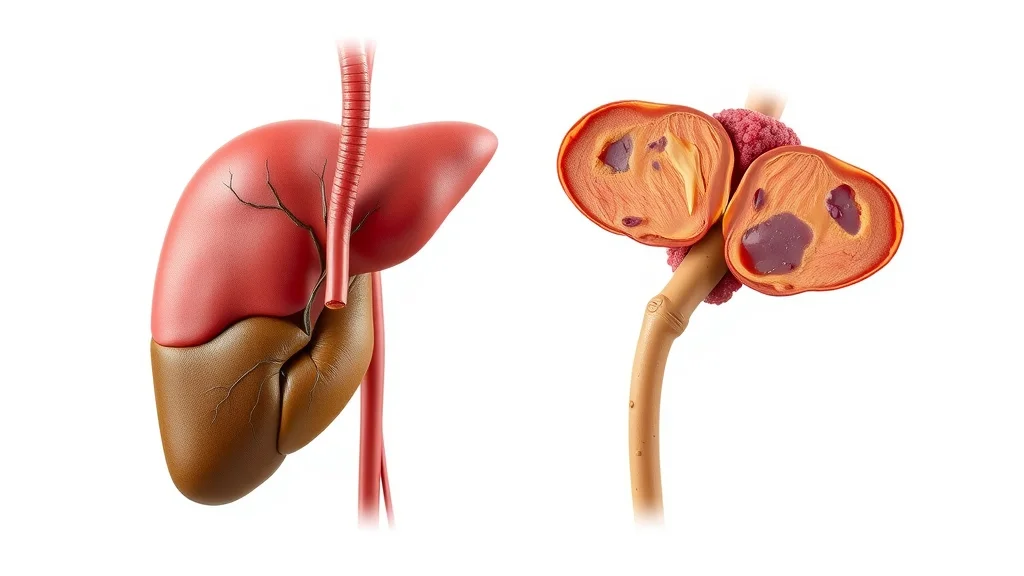
MASH stands for Metabolic dysfunction-Associated Steatohepatitis. It’s a progressive form of steatotic liver disease caused by fat buildup and inflammation in the liver—directly linked to metabolic risk factors like obesity, Type 2 diabetes, and high cholesterol. Unlike alcoholic liver disease, MASH is not caused by excessive alcohol intake. Instead, it’s driven by an unhealthy internal environment, which triggers liver injury, inflammation, and, over time, scarring (fibrosis).
Health experts now prefer the terms MASH and MASLD (Metabolic dysfunction-Associated Steatotic Liver Disease) for clarity, as these encompass the metabolic root causes and exclude other reasons for fat in your liver, such as alcohol or medication side effects. This new classification highlights the links to modern lifestyles and offers stronger guidance for patients and healthcare professionals.
MASH vs. MASLD: Differentiating Key Liver Diseases
The difference between MASH and MASLD is subtle but important. MASLD refers generally to any steatotic liver disease caused by metabolic dysfunction, where there is excess fat in the liver. MASH, however, is a specific form of MASLD where the liver also shows signs of inflammation and cellular injury—this inflammation distinguishes MASH as more severe and with a greater risk of progression to advanced liver conditions like liver fibrosis, cirrhosis, or even liver cancer.
While all individuals with MASH have MASLD, not all with MASLD have progressed to the damaging inflammatory state seen in MASH. In clinical terms, identifying this distinction early is crucial for intervention and risk reduction.
The Evolution from Fatty Liver Disease to Steatotic Liver Disease
The names and definitions related to fatty liver disease have evolved. Nonalcoholic Fatty Liver Disease (NAFLD) was once the umbrella term for any accumulation of fat in the liver not caused by alcohol. However, this wasn’t fully capturing the importance of metabolic dysfunction—which is why the terms MASH and MASLD now dominate international clinical guidelines.
This change is more than just a label: it acknowledges the strong connection between these liver problems and the world’s growing metabolic health crisis, especially rising obesity and diabetes rates in the United States and around the globe. Understanding how the disease can move from simple “fat in your liver” to “progressive liver” injury is critical for effective treatment and prevention.

Where Does Metabolic Dysfunction Fit In?
Metabolic dysfunction is the driving force behind MASLD and MASH. When your body can't properly regulate blood sugar, fats, and insulin, it leads to the unhealthy buildup of fat in the liver. Over time, this steatosis (fatty change) can spark liver cell inflammation, leading to cellular damage, scarring, and, in advanced stages, irreversible loss of liver function.
"MASH is rapidly becoming the most common cause of chronic liver disease worldwide." — Dr. Yun Lee, Gastroenterologist
This interconnectedness means that people with metabolic conditions—such as Type 2 diabetes, high blood pressure, or obesity—are especially at risk for progressive steatotic liver disease. Addressing metabolic dysfunction is thus not only a treatment focus but also the primary goal for long-term liver health.
Because metabolic health is so closely tied to liver function, making informed dietary choices can have a significant impact on disease progression. For example, increasing your intake of lean proteins may support weight management and metabolic balance—discover the key benefits of a high protein diet and how it can complement your liver health strategy.
Quick Facts Table: MASH, Fatty Liver, and Steatotic Liver Disease
Condition |
Incidence |
Main Causes |
Key Features |
Outcomes |
|---|---|---|---|---|
Fatty Liver (Steatosis) |
~25-30% of adults globally |
Obesity, poor diet, inactivity, metabolic dysfunction |
Fat in the liver, often no symptoms |
May remain stable, but can progress to MASLD/MASH |
MASLD |
Increasing; affects millions in the United States alone |
Metabolic dysfunction (insulin resistance, obesity, diabetes) |
Liver steatosis, at risk for inflammation |
May develop into MASH with inflammation and fibrosis |
MASH |
Up to 5% of adults |
Progression from MASLD with added inflammation |
Fat + inflammation + liver cell injury |
High risk of liver fibrosis, cirrhosis, and cancer |
Alcoholic & Other Liver Diseases |
Variable by risk factors |
Alcohol, medications, infections, toxins |
Liver injury not driven by metabolic dysfunction |
Variable based on underlying cause |
Causes and Risk Factors: Why Does MASH Liver Disease Occur?
MASH liver disease occurs because of a complex interaction between genetics, lifestyle, and metabolic health. Most commonly, excess calories from unhealthy foods, combined with sedentary habits, trigger metabolic dysfunction—the body’s inability to manage fats, glucose, and insulin levels. This sets the stage for excessive fat buildup in the liver and, for some, ongoing inflammation and damage.
Genetics can also influence who develops MASH, but the rise of the condition worldwide mirrors modern trends of obesity, fast food consumption, and limited exercise. Individuals with metabolic syndrome, a cluster of risk factors like high cholesterol, elevated blood sugar, and abdominal obesity, are at particularly high risk for developing steatotic liver disease.
Metabolic Dysfunction and its Impact on Liver Disease
Metabolic dysfunction refers to problems with how your body controls and processes energy from food. When this goes awry—such as with insulin resistance or high triglyceride levels—fat collects in the liver and can overwhelm its ability to detoxify and repair itself. Medical research confirms that populations with greater rates of obesity and Type 2 diabetes (including the United States) see higher numbers of people advancing to progressive liver disease states like MASH.

The key challenge is that once liver inflammation takes hold, it begins to form scar tissue (fibrosis). Without reversing these metabolic issues, this can spiral into advanced forms of liver disease, requiring invasive interventions like liver transplant.
Key Risk Factors for Steatotic Liver Disease and MASH
Obesity
Type 2 diabetes
High cholesterol
Hypertension
Genetic predisposition
Poor diet
"Early diagnosis and risk factor modification can slow or even reverse the progression of MASH." — Dr. Eric Sandoval, Internal Medicine
If you or your family members have any of these risk factors, it is crucial to talk to your care provider about liver health screening and strategies for prevention.
How MASH Liver Disease is Diagnosed
Diagnosing MASH liver disease can be challenging because early stages rarely cause noticeable symptoms. Medical professionals typically start with a careful review of personal risk factors and medical history, followed by blood tests, imaging studies, and sometimes a liver biopsy to confirm inflammation and rule out other causes.
Accurate diagnosis is essential, since only a portion of people with fatty liver disease will develop the inflammatory changes that define MASH.
Signs and Symptoms of Steatotic Liver Disease
Fatigue
Unexplained weight loss
Abdominal pain
Elevated liver enzymes
Many people with early steatotic liver disease do not experience obvious warning signals. Some may have mild fatigue or feel discomfort in the upper right side of the abdomen. Often, the first sign is a high reading on routine blood tests for liver enzymes, leading to further investigation.
Diagnostic Tests and What to Expect from Your Care Provider
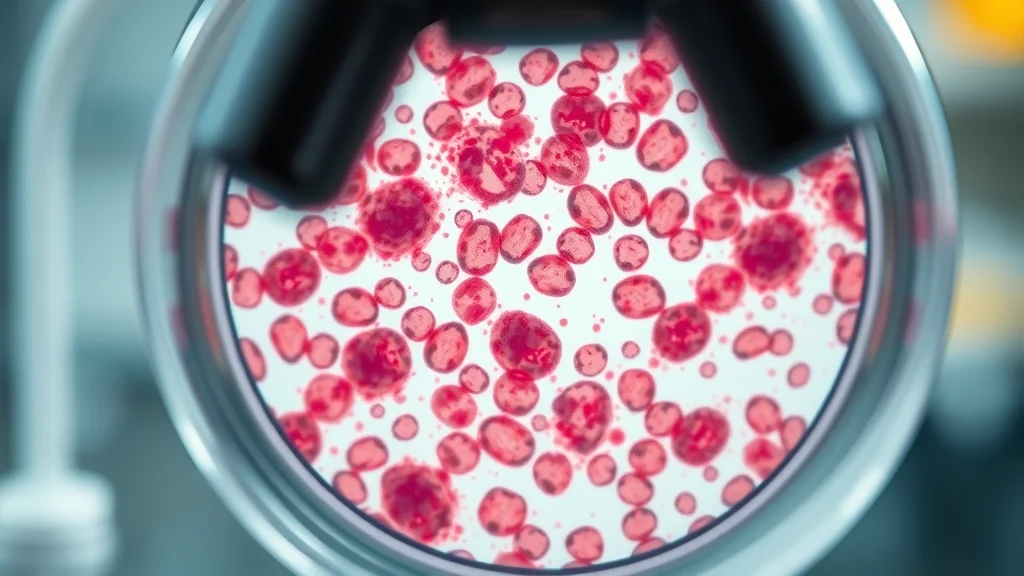
If your doctor suspects MASH liver disease, you can expect a combination of blood tests, imaging (like ultrasound, CT, or MRI), and possibly non-invasive assessments for fibrosis. If noninvasive testing is inconclusive or advanced liver disease is suspected, a liver biopsy may be recommended. During a liver biopsy, a small tissue sample is collected and examined under a microscope for inflammation, scarring, and fat accumulation.

Your care provider will explain the testing process, interpret results, and discuss next steps for monitoring, intervention, or referral to a specialist if more severe findings are identified.
Role of Imaging and Liver Biopsy in Diagnosing MASH
Imaging techniques—such as ultrasound or MRI—help visualize the amount of fat in the liver and, to some degree, the presence of inflammation or fibrosis. However, these scans can’t always distinguish between uncomplicated fatty liver and inflammatory MASH. For this reason, a liver biopsy remains the gold standard for definitive diagnosis, as it allows pathologists to directly observe tissue changes and determine disease stage.
Newer, less invasive methods (like FibroScan or MRI elastography) are being incorporated into clinical practice to reduce biopsy need, but personalized conversations with your care provider will determine what’s best for your situation.
Stages and Progression: From Fatty Liver to Advanced Steatotic Liver Disease
MASH doesn’t appear overnight. It progresses over years, often moving through several stages—starting from simple steatosis (fatty liver) to MASLD and, if unchecked, into MASH with inflammation and then on to advanced liver damage, known as cirrhosis or even liver failure.
Each stage adds more risk, making early identification and lifestyle changes essential for halting or even reversing the process.
Nonalcoholic Fatty Liver Disease (NAFLD) versus MASH
Nonalcoholic Fatty Liver Disease (NAFLD) was a broad term used when no known alcohol abuse was involved, and included relatively benign simple steatosis to the more severe NASH (now called MASH). Today, the newer terms reflect the true metabolic risks and help separate this group from other liver conditions not linked to metabolic dysfunction.
Only a fraction of people with NAFLD will progress to MASH, but those who do have a much higher risk of developing liver fibrosis and advanced complications if not managed promptly.
Nonalcoholic Steatohepatitis (NASH) Redefined as MASH
Progression risk from simple steatosis to metabolic dysfunction and liver fibrosis
The old term Nonalcoholic Steatohepatitis (NASH) is now classified as MASH to emphasize the central role of metabolic dysfunction and to provide greater clinical clarity. If unchecked, MASH can advance to scar tissue buildup (fibrosis), cirrhosis, and sometimes liver cancer, making early attention to metabolic health vital for long-term outcomes.
Treatment Options: Addressing What is MASH Liver Disease
Managing MASH liver disease requires a comprehensive approach: treating the underlying metabolic causes, making impactful lifestyle changes, and, when appropriate, considering new and emerging medications.
Working closely with your care provider ensures your treatment plan is tailored to your unique health profile and disease stage.
Lifestyle Modifications: Diet and Exercise
Weight loss strategies
Balanced diet recommendations
Safe physical activity tips

Achieving and maintaining a healthy weight is the cornerstone of MASH management. Studies show that a 7-10% weight loss can significantly improve liver health and even reverse early fibrosis in some cases. Emphasize colorful vegetables, lean proteins, whole grains, and healthy fats in your meals.
Incorporate safe, regular physical activity that fits your lifestyle and fitness level. Even brisk walking or simple at-home exercises can support liver function and reduce metabolic risks.
Pharmacological and Emerging Therapies

While no medication is FDA-approved specifically for MASH as of 2024, new therapies are in clinical trials, with some targeting inflammation, fibrosis, or metabolic pathways. Your care provider may prescribe medications to manage related conditions, like diabetes, high cholesterol, or high blood pressure, which in turn, help slow liver damage. For advanced cases or poor response to lifestyle changes, participation in a clinical trial investigating innovative drugs may be appropriate.
In extreme cases—such as advanced cirrhosis or liver failure—a liver transplant may be the only option. However, the greatest benefits come from early and ongoing lifestyle and metabolic interventions.
Collaborating With Your Care Provider for Liver Disease Management
Open, proactive communication with your doctor is key. Ask questions, request regular monitoring of your liver health, and engage in shared decision-making about testing and treatment options. Remember, the partnership between patient and provider is a cornerstone in managing chronic health conditions like MASH—a fact supported by leading hepatology and internal medicine specialists worldwide.
Stay engaged with reputable patient education groups, support networks, and up-to-date resources to ensure you’re always informed about the latest evidence-based recommendations for liver health.
Watch this professional animated overview for a visual explanation of how MASH affects the liver, the populations most impacted, and how lifestyle changes can help prevent progression.

Possible Complications from Steatotic Liver Disease and MASH
If left untreated, MASH liver disease can progress to life-threatening organ damage and other health complications that extend beyond the liver.
Fibrosis, Cirrhosis, and Liver Failure Risks
Progression of MASH often leads to the accumulation of scar tissue (fibrosis), which stiffens the liver and interferes with its ability to function. Over time, widespread fibrosis becomes cirrhosis, an irreversible condition marked by permanent liver damage, increased cancer risk, and potential need for liver transplant. In severe cases, the liver can fail, manifesting as jaundice, severe swelling, and confusion due to the buildup of toxins.
Associated Metabolic Complications
MASH liver disease and steatotic liver disease frequently occur alongside other metabolic conditions such as worsening diabetes, high blood pressure, and cardiovascular disease. This interconnected risk means monitoring and improving metabolic health is critical not only for liver outcomes, but also for overall well-being and longevity.
Prevention Tips: How to Reduce Your Risk Factors for MASH Liver Disease
Maintain a healthy weight
Monitor blood sugar and cholesterol
Adopt a liver-friendly diet
Get regular medical checkups

Adopting these healthy habits dramatically lowers your chance of developing or progressing MASH liver disease. Taking charge of your lifestyle and working closely with your care provider form the foundation for prevention.
Key Takeaways on What is MASH Liver Disease
MASH is a progressive form of fatty liver disease linked to metabolic dysfunction.
Early diagnosis and intervention offer the best prognosis.
Prevention focuses on lifestyle and metabolic risk control.
People Also Ask: What is MASH Liver Disease?
How do you treat mash in the liver?
Answer
The primary treatment for MASH includes weight loss through a healthy diet, regular physical activity, and management of blood sugar and cholesterol. Medications may be used for related metabolic conditions, and in some cases, new therapies being studied in clinical trials may be considered. For advanced liver damage, a liver transplant could be required. The best results come from early prevention and comprehensive management with your care provider.
How do you know if you have NASH?
Answer
Most people with NASH (now called MASH) do not notice symptoms in the early stages. Diagnosis is typically based on a combination of blood tests, liver imaging, and, if necessary, a liver biopsy to check for inflammation and damage. Regular screening is vital if you have risk factors like obesity, diabetes, or a family history of liver disease.
How long can a person live with mash?
Answer
Life expectancy for people with MASH varies depending on how early the disease is detected, how aggressively risk factors are managed, and whether it progresses to advanced stages like fibrosis or cirrhosis. With prompt intervention—such as lifestyle changes and metabolic control—many individuals live normal lifespans. Severe, untreated cases progressing to advanced liver disease have a higher risk of life-threatening complications.
What is the life expectancy of a person with a fatty liver disease?
Answer
Most people with early-stage fatty liver disease (steatosis) have a good long-term outlook, especially if they address risk factors early. However, once the disease progresses to MASH or cirrhosis, life expectancy may decrease if the underlying causes aren’t managed. This makes regular health monitoring and preventive care extremely important.

FAQs About MASH Liver Disease
Can MASH liver disease be reversed?
Are there specific warning signs I should monitor?
When should I see a care provider about liver disease symptoms?
How is MASH different from alcoholic liver disease?
Can MASH liver disease be reversed? Early stages of MASH may be reversible with lifestyle changes; stopping the progression to fibrosis or cirrhosis is possible if caught early.
Are there specific warning signs I should monitor? Persistent fatigue, upper abdominal pain, and unexplained weight loss combined with abnormal liver blood tests are red flags.
When should I see a care provider? If you have metabolic risk factors or develop concerning symptoms, seek evaluation promptly.
How is MASH different from alcoholic liver disease? MASH is caused by metabolic issues, not by excessive alcohol use.
Further Reading and Trusted Resources on What is MASH Liver Disease
Conclusion: Empower Yourself with Knowledge About MASH Liver Disease
Early detection saves lives—don’t ignore the risk.
Healthy lifestyle changes and a medical partnership are your best defense.
Stay informed and seek support—the journey to better liver health is ongoing.
If you’re inspired to take the next step in your wellness journey, consider exploring how overall health strategies can protect more than just your liver. For those concerned about broader health risks, such as cardiovascular events, learning the key steps to prevent another stroke can provide valuable, actionable insights. By integrating liver-friendly habits with comprehensive prevention tactics, you’ll be better equipped to safeguard your long-term health and vitality.
Your path to better wellness continues—browse additional topics at: NCWellnessHub.com
National Institute of Diabetes and Digestive and Kidney Diseases (NIDDK) – https://www.niddk.nih.gov
Metabolic dysfunction-associated steatohepatitis (MASH) is a serious liver condition characterized by fat accumulation in the liver, leading to inflammation and potential scarring. This condition is closely linked to metabolic disorders such as obesity, type 2 diabetes, and high cholesterol.
If left untreated, MASH can progress to more severe liver diseases, including cirrhosis and liver cancer. For a comprehensive understanding of MASH, including its causes, symptoms, and treatment options, the Mayo Clinic offers an in-depth resource titled “Fatty liver disease (MASLD) - Symptoms and causes. ” This guide provides valuable insights into the disease’s progression and management strategies.
Also, the American Cancer Society’s article “MASLD and MASH: Fatty Liver Disease and Cancer Risk” explores the connection between MASH and an increased risk of liver cancer, emphasizing the importance of early detection and lifestyle modifications to mitigate this risk.
If you’re serious about understanding and managing MASH, these resources will equip you with the necessary knowledge to take proactive steps toward better liver health.




Write A Comment