


What is Tea Tree Oil Good For? Understanding Its Remarkable Benefits
Tea tree oil, a powerful natural remedy, fights bacteria, reduces inflammation, and heals skin issues. But what is tea tree oil good for? As more people pursue natural wellness solutions, understanding the unique science and everyday uses of this essential oil can transform your health routine.
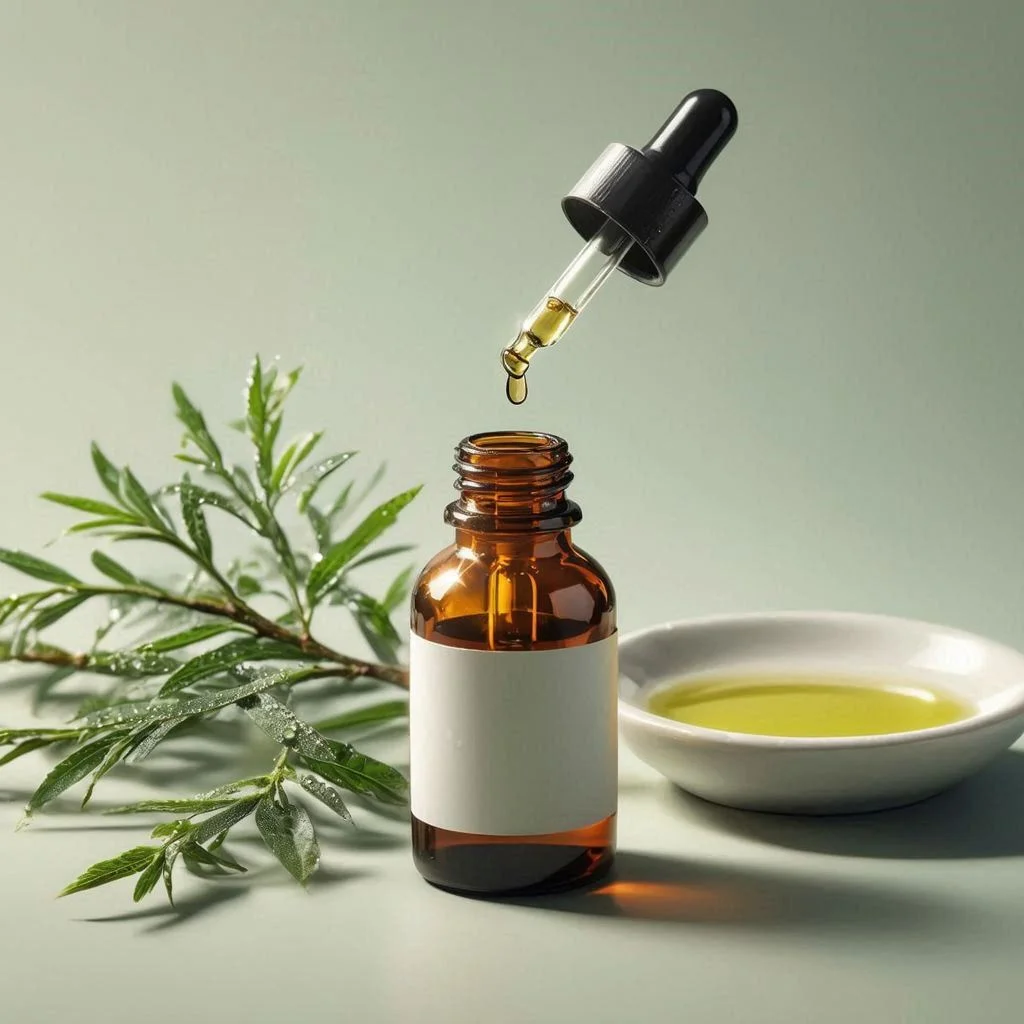
This article unveils the remarkable benefits, safe applications, and scientific insights behind tea tree oil, arming you with expert tips and real patient stories to help you harness its full healing potential.
Tea tree oil (also called Melaleuca oil) is an essential oil extracted from the leaves of Melaleuca alternifolia, a plant native to Australia. Valued for decades in skin care and personal health care, this essential oil now finds a place as both a household staple and a clinical remedy for various ailments. Discovering what tea tree oil is good for is more than a curiosity—it’s a step toward cleaner, healthier, and more empowered living.
The Science Behind Tea Tree Oil: Composition and Extraction
At its core, tea tree oil is an essential oil distilled from the leaves of the Australian tea tree, Melaleuca alternifolia. Scientists have identified over 100 compounds in tea tree oil, including terpinen-4-ol and alpha-terpineol, which give the oil its potent antibacterial and antifungal properties. Extraction usually occurs through steam distillation, ensuring that the most active compounds remain intact and potent. Research suggests that these unique molecules can disrupt bacterial cell walls, helping to explain the oil’s broad application in natural remedies and skin infections.
Because tea tree oil is naturally antimicrobial, it is rapidly gaining favor in personal health care and as a gentle, effective natural disinfectant alternative to harsher commercial cleaning products. Unlike many dietary supplements, the composition and source of this essential oil are central to its efficacy, making product quality a key concern for both consumers and medical professionals.
Opening Hook: Why Knowing What Tea Tree Oil is Good For Can Transform Your Health Routine
Imagine replacing a medicine cabinet full of synthetic products with just one bottle of tea tree oil, a natural remedy known for its antibacterial and antifungal benefits. Understanding what tea tree oil is good for means you can confidently address pimples, minor cuts, fungal infections, and even household cleaning tasks—using a single, powerful natural remedy. Embracing tea tree’s remarkable healing and preventive benefits can help you create gentler, more effective daily health routines with fewer side effects.
Whether you’re dealing with persistent skin issues, looking for natural first-aid solutions, or just seeking a chemical-free approach to cleaning, what is the tea tree oil good for? The answer: far more than you might expect. This guide shows how.
What You'll Learn: Key Health Benefits, Uses, Safety, and Case Studies of Tea Tree Oil
How tea tree oil acts as a natural antibacterial and antifungal agent
The best ways to use tea tree oil in skincare, scalp care, and home cleaning
Safety considerations, including potential side effects and who should avoid it
Expert opinions, scientific evidence, and real patient success stories
Practical dilution and application tips, plus top DIY recipes
Tea Tree Oil: Unraveling Its Antibacterial and Healing Properties

How Tea Tree Oil Fights Bacteria and Reduces Inflammation
Tea tree essential oil’s ability to fight bacteria is well-documented. The terpinen-4-ol content in the oil disrupts microbial membranes, making it effective against pathogens causing minor wounds, acne, and skin infections. Research suggests that tea tree oil not only combats bacteria but also reduces redness and swelling thanks to its anti-inflammatory properties—making it an ideal choice for acne-prone or irritated skin.
These healing abilities translate to faster recovery for small cuts and abrasions, fewer skin infections, and even milder healing for those with sensitive skin. Often, users experience fewer side effects compared to mainstream over-the-counter creams, especially when the oil is used as directed and properly diluted.
For those especially interested in maintaining healthy, youthful skin, it’s worth noting that tea tree oil can be a valuable addition to broader anti-aging routines. If you’re curious about comprehensive strategies to reverse skin changes and support overall skin health, explore this in-depth guide on effective ways to combat aging and improve your skin’s vitality.
The Role of Tea Tree Essential Oil in Modern Natural Medicine
As natural remedies gain acceptance among mainstream health care providers, the role of tea tree oil continues to expand. Its broad-spectrum antimicrobial effects mean it’s used in everything from wound care to foot hygiene, scalp treatments, and even as a topical remedy for minor burns. Many clinics now recommend tea tree oil among alternative or complementary care options, especially for those seeking fewer side effects or wishing to avoid harsh antibiotics for non-severe cases.
"Research shows that tea tree oil's strong antibacterial activity makes it incredibly effective for minor wounds and skin infections." — Dr. Anna Feldman, Dermatologist
Essential Uses of Tea Tree Oil in Skincare and Personal Care

Treating Acne: Why Tea Tree Oil is a Natural Solution
Tea tree oil’s potent antibacterial and anti-inflammatory properties make it a standout natural solution for treating acne and other skin infections. Studies show that diluted tea tree oil can reduce both the number and severity of acne lesions as effectively as traditional benzoyl peroxide, but with less dryness and irritation. Its ability to target Propionibacterium acnes bacteria—while soothing the affected area—makes it an integral part of natural skin care routines.
Incorporating tea tree oil into your skin care routine doesn’t just benefit acne. It also helps address skin infections, minor cuts, and contact dermatitis, offering a multi-purpose option for everyday health care.
Tea Tree Essential Oil for Dandruff and Scalp Health
For those struggling with a flaky scalp or mild dandruff, tea tree oil offers a research-supported antifungal treatment that targets common fungal infections. Its antifungal properties target Malassezia, the yeast commonly involved in dandruff and seborrheic dermatitis. Many users find that adding diluted tea tree oil to shampoo leads to a cleaner, itch-free scalp and fewer scalp infections, making this essential oil an excellent choice for ongoing scalp care.
"I recommend tea tree oil for its versatility—from soothing irritated skin to helping with scalp issues." — Dr. Maya Patel, Family Physician
How to Dilute and Apply Tree Oil for Maximum Effectiveness
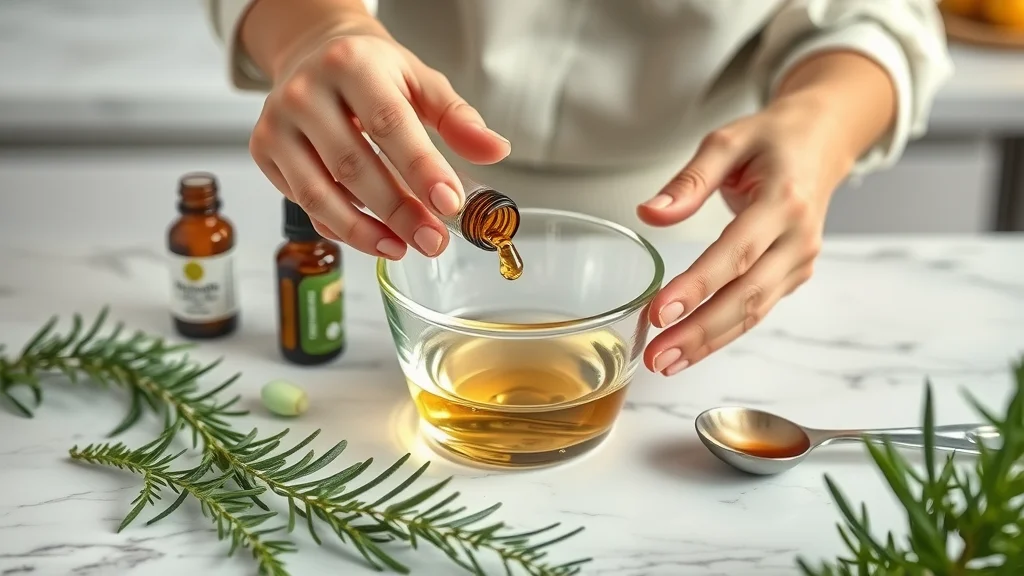
Effective use of tea tree oil relies on proper dilution—typically 1-2 drops per tablespoon of carrier oil (like coconut or almond oil). This lessens the risk of irritation or contact dermatitis, a common side effect when applying undiluted essential oils. Always test on a small patch of skin before using on larger areas. For facial skin and sensitive spots, sticking to lower concentrations (0.5–1%) is advised. This approach brings maximum benefit to the affected area while minimizing adverse reactions.
Diluted tea tree oil also extends safely into homemade creams, sprays, and washes for both adults and teens, giving you greater control over your self-care routine and minimizing the risk of chemical overload.
Addressing Fungal Infections: The Power of Tree Oil Against Nail Fungus
Nail Fungus and Tea Tree Essential Oil: What the Research Reveals
"Patients often ask about alternatives to prescription antifungals; tea tree oil is one with mounting evidence of efficacy against mild nail fungus." — Dr. Samuel Yoon, Podiatrist

Nail fungus is notoriously stubborn and slow to treat, but tea tree oil’s antifungal properties provide a natural option for managing fungal infections effectively. Research supports tea tree oil’s antifungal activity against Trichophyton species, the most common culprits in toenail fungal infections. Applying diluted tea tree oil to the affected area twice daily can disrupt the growth cycle, helping restore clarity and health to nails with fewer side effects than many prescription medications.
While not a cure-all for advanced cases, consistent use has yielded promising results and is increasingly recommended as an adjunct or alternative where dietary supplements and topical treatments alone fall short.
For best results, tea tree essential oil should be applied to clean, dry nails over several months; patience and consistency are key. Always consult your health care provider if symptoms persist or worsen.
Tree Oil for Athlete’s Foot and Other Fungal Infections
Beyond nail fungus, tea tree oil has been shown to improve symptoms of athlete’s foot and ringworm, largely due to its antifungal and drying effects. The oil’s capacity to reduce itching, scaling, and redness—when applied topically and in a properly diluted form—makes it a trusted home remedy for mild fungal infections, especially for those seeking natural options.
While tea tree oil is effective, remember that it should not replace professional treatment for severe infections. Its use is best reserved for early-stage issues or as a complement to other therapies under medical advice.
Beyond Skincare: Tree Essential Oil Uses for Home and Wellness

Cleaning and Disinfecting Naturally with Tree Essential Oil
Did you know tea tree oil is also a potent natural household cleaner and disinfectant, effective against germs, mold, and mildew? As an ingredient in natural cleaning sprays, it kills germs, mold, and mildew, providing a safer alternative to harsh chemical disinfectants. Mix a few drops with water and vinegar in a spray bottle to clean kitchen surfaces, bathrooms, or kids’ toys—leaving behind a fresh herbal scent and eliminating bacteria safely.
This application is especially valued by families and individuals with sensitivities to strong commercial cleaners. Adding tea tree essential oil to laundry loads can also boost fabric freshness and fight odor-causing bacteria without synthetic fragrances.
Tea Tree Oil as an Aromatherapy and Decongestant
In aromatherapy, tea tree oil’s crisp, camphorous aroma is believed to purify air and support respiratory wellness. Diffusing the oil or adding a few drops to steaming water can help relieve nasal congestion and ease symptoms of seasonal allergies and mild colds. While not a cure for viral illness, these home remedies offer gentle symptomatic relief using the oil’s natural antimicrobial properties.
Always keep rooms well-ventilated, and avoid diffusing around pets or young children without checking for safety guidelines—some animals are sensitive to strong essential oils.
Safety Considerations: Side Effects and Who Should Avoid Tea Tree Oil
Recognizing Tree Oil Side Effects and Toxicity Risks

As with all essential oils, using tea tree oil requires caution due to potential side effects such as skin irritation and allergic reactions. Undiluted oil can cause skin irritation, redness, or contact dermatitis—especially in sensitive individuals. Rarely, allergic reactions and rashes may occur. Ingesting tea tree oil is toxic and should be strictly avoided.
Eye contact may lead to burning, and oral ingestion causes dangerous side effects such as confusion, muscle weakness, and even coma in severe cases. Fewer side effects are seen with external, diluted use, but it’s still vital to test for sensitivity and avoid over-application.
Sensitive Populations: Pregnancy, Children, and Pets
Pregnant and breastfeeding women, children under twelve, and pets are especially sensitive to essential oils. Data on tea tree oil’s safety in these populations is limited; topical use should be approached with caution and always under the advice of a health care provider. Cats, dogs, and small animals can be especially vulnerable—never diffuse tea tree essential oil in a home with pets unless recommended by a veterinarian.
When in doubt, consult with your medical or veterinary care provider and avoid using tea tree oil as a dietary supplement or oral remedy.
Table: Comparing Tea Tree Oil Uses, Benefits, and Safety for Different Populations
Population |
Safe Uses |
Risks/Precautions |
|---|---|---|
Adults |
Topical diluted use for skin care, fungal infections, and cleaning |
Possible skin irritation, avoid ingestion |
Children |
Occasionally for minor skin care (high dilution, doctor guidance) |
Higher risk of allergy, avoid ingestion and pets’ direct exposure |
Pregnant/Nursing Women |
Topical use with caution (consult health care provider) |
Limited safety data, avoid high concentrations |
Pets |
Generally not recommended |
May cause toxicity or allergic reactions (especially in cats and dogs) |
How to Choose Quality Tea Tree Oil and Storage Tips
What to Look For in Tea Tree Essential Oil Products

Purity matters. When shopping for tea tree essential oil, look for products with clear labeling: “100% pure Melaleuca alternifolia,” ideally with a GC/MS (Gas Chromatography/Mass Spectrometry) purity certificate. Avoid blends, unnecessary additives, or products labeled only as “aromatherapy oil,” which may be diluted or synthetic. Dark glass bottles (amber or cobalt blue) help preserve the oil’s integrity by protecting it from UV light.
Read reviews and choose brands with transparent sourcing, ethical harvesting, and third-party testing for quality. A reputable essential oil company should offer batch-specific data on their website or packaging.
Safe Storage and Handling Tips for Essential Oils at Home
Keep all essential oils, including tea tree oil, tightly sealed in a cool, dark place away from direct sunlight or heat. Avoid storing near food or in reach of children and pets. Bottles should be upright, and droppers always clean to prevent contamination. Check expiration dates—fresh oils are more potent and less likely to cause skin irritation. Dispose of old or oxidized oils safely.
For daily use, measure drops carefully and use dedicated mixing bowls and utensils: this prevents cross-contamination and preserves each oil’s unique scent and therapeutic qualities.
Case Studies and Real User Stories: Healing with Tea Tree Oil
Case Study: Tea Tree Essential Oil for Stubborn Acne

A 20-year-old college student struggled with moderate acne resistant to drugstore spot treatments. After adding diluted tea tree oil (5% concentration) as a nightly spot treatment, she noticed significant reductions in redness and breakout frequency in just four weeks. With continued use and careful dilution (following her dermatologist’s instructions), she achieved clearer skin—and avoided the dryness and irritation caused by benzoyl peroxide or salicylic acid-based gels.
Such firsthand reports echo clinical findings: when used correctly, tea tree essential oil offers a gentle, non-drying approach for teens and young adults with mild to moderate acne.
Case Study: Natural Relief from Nail Fungus
A 55-year-old man with mild nail fungus, intolerant to oral antifungal medication, began applying diluted tea tree oil directly to the affected toenail twice daily. Within two months, the yellowing and thickening had visibly decreased, and healthy nail began to grow in.
While not a cure for severe or established infections, this approach allowed the patient to avoid systemic side effects and empowered him to manage symptoms at home, as supported by his podiatrist.
This aligns with current research on tea tree oil for fungal infection management—showing promise as a natural adjunct in certain cases.
Best Practices for Daily Use: DIY Recipes and Application Methods
DIY Acne Spot Gel: Mix 1–2 drops tea tree oil in 1 tsp aloe vera gel. Dab onto blemishes.
Scalp Treatment: Add 4–5 drops of tea tree oil to one tablespoon of carrier oil; massage into scalp, leave 10 minutes, then shampoo.
Household Cleaner: Combine 1 cup water, 1 cup vinegar, and 20 drops tea tree oil in a spray bottle. Shake and spray surfaces.
Foot Soak for Athlete’s Foot: Mix 5 drops tea tree oil in a basin of warm water and soak feet for 15 minutes.
Anti-fungal Nail Serum: Blend 2 drops tea tree oil with 1 tsp olive oil. Apply to nails twice daily.
Guidelines for Safe Dilution and Application of Tea Tree Essential Oil
Always dilute tea tree oil with a suitable carrier before applying to skin. For adults, a 1–5% dilution is typical (1–5 drops per teaspoon carrier oil). Never apply essential oils to open wounds or mucous membranes.
Patch test each new mixture and space applications by at least 8 hours. For face, scalp, and sensitive skin care, err on the side of lower concentrations. Store DIY blends in dark glass, label them clearly, and use within three months for freshness.
Consult your health care provider before use, especially for children, pregnant women, or people with allergies, compromised immunity, or chronic skin conditions.
What is Tea Tree Oil Good For? Expert Opinions and Research Overview
Table: Scientific Studies on Tea Tree Oil’s Efficacy by Use Case
Condition |
Summary of Evidence |
Level of Support |
|---|---|---|
Acne |
Randomized controlled trials show diluted tea tree oil reduces acne lesions significantly |
Strong |
Nail Fungus |
Laboratory and clinical studies support antifungal effects with regular topical use |
Moderate |
Dandruff |
Shampoo with 5% tea tree oil reduces itch and scale in seborrheic dermatitis patients |
Moderate |
Wound Healing |
Tea tree oil’s antibacterial and anti-inflammatory effects support minor wound care |
Strong (minor wounds only) |
Emerging Evidence: Tea Tree Oil for Viral and Bacterial Infections
While most research highlights antifungal and antibacterial benefits, new laboratory studies suggest that tea tree oil may also inhibit some viruses—offering promise for topical management of cold sores and minor viral-related skin issues. However, more clinical research is needed to confirm these effects and determine safe concentrations.
Cautious optimism is warranted; tea tree oil is not a substitute for licensed antiviral or antibiotic medications and should only be used as a supportive remedy.
Common Myths and Misconceptions About Tree Oil
Myth: “Tea tree oil can cure all infections naturally.”
Fact: While potent, tea tree essential oil should be used for mild to moderate issues, not as a sole remedy for deep or serious infections.
Myth: “You can ingest pure tea tree oil for health benefits.”
Fact: Ingestion is toxic and may cause life-threatening complications. Tea tree oil is for external use only.
Myth: “All ‘tea tree’ labeled products are equally effective.”
Fact: Product quality, purity, and appropriate dilution are critical for safety and effectiveness; always choose reputable brands.
People Also Ask: What Are the Main Benefits of Tea Tree Oil?
Answer: Overview of Antibacterial, Antifungal, and Anti-inflammatory Properties
Tea tree oil’s main benefits are its antibacterial action (against skin infections and acne), strong antifungal properties (useful in nail fungus and athlete’s foot), and anti-inflammatory effects (calming redness from blemishes or irritation). Its wide application in skin care and household uses makes it a versatile addition to natural health routines.
People Also Ask: Can You Put Tea Tree Oil Directly on Your Skin?
Answer: Dilution Guidelines and Dermatologist Recommendations
Dermatologists recommend never applying undiluted tea tree oil directly to the skin, as it may trigger contact dermatitis or an allergic reaction. Instead, mix 1–2 drops in a carrier oil before use, conduct a patch test, and start with small, targeted applications on the affected area.
People Also Ask: What Should You Not Use Tea Tree Oil On?
Answer: Contraindications and Areas to Avoid
Do not use tea tree oil on broken skin, mucous membranes, or in the eyes. Avoid oral, vaginal, or rectal application. Never ingest it, and don’t use it on pets or children without expert supervision. If irritation occurs, discontinue use immediately and consult a health care provider.
People Also Ask: Is Tea Tree Oil Safe in Pregnancy?
Answer: Safety Information for Pregnant and Nursing Women
Use only under a doctor’s guidance in pregnancy and breastfeeding, and always in low concentrations. There’s not enough research to confirm absolute safety, especially for prolonged or concentrated use. Wherever possible, opt for alternative remedies with better safety records for this population.

Frequently Asked Questions About What is Tea Tree Oil Good For?
What conditions can tea tree oil help treat naturally?
How do I safely dilute tea tree oil?
Can I use tea tree oil for children’s ailments?
Is tea tree oil effective against dandruff and itchy scalp?
What side effects should I watch for with tea tree oil?
Are there interactions between tea tree oil and medications?
Key Takeaways: What is Tea Tree Oil Good For?
Table: Quick Reference Guide – What is the Tea Tree Oil Good For?
Use |
How to Apply |
Key Benefit |
|---|---|---|
Acne |
Diluted gel or cream for spot treatment |
Reduces bacteria and inflammation |
Nail Fungus |
Daily diluted oil on affected nails |
Disrupts fungal growth, improves appearance |
Dandruff |
Add to shampoo (low concentration) |
Decreases flakiness, soothes scalp |
Cleaning |
Mix in spray bottle with water/vinegar |
Kills germs, deodorizes, chemical-free |
Conclusion: Why Tea Tree Oil Is an Essential Addition to Your Wellness Arsenal
Understanding what tea tree oil is good for empowers you to take charge of health with safe, natural remedies. When used wisely, this essential oil offers real benefits for skin, scalp, nails, and home—making it truly essential for your wellness arsenal.
If you’re inspired to take a holistic approach to your well-being, consider how natural solutions like tea tree oil fit into the bigger picture of self-care. From supporting restorative sleep to managing stress and enhancing your body’s natural defenses, there’s a wealth of knowledge to help you thrive.
For a deeper dive into optimizing your nightly rest and understanding how sleep cycles impact your health, don’t miss our comprehensive resource on restorative sleep cycles and stages. Expanding your wellness toolkit with both targeted remedies and foundational lifestyle strategies can unlock even greater results for your mind and body.
Ready to Harness the Power of Tea Tree Oil? Explore Our Expert-Recommended Products and Tips
Start your journey to healthier skin, scalp, and home with our curated selection of top-rated, 100% pure tea tree oil products, expert usage guides, and safe DIY recipes. Consult your health care provider for personalized advice—and enjoy the benefits of this time-tested, natural remedy in your daily life.
Sources
Tea tree oil, derived from the leaves of the Australian Melaleuca alternifolia plant, is renowned for its potent antibacterial, antifungal, and anti-inflammatory properties. These attributes make it a versatile natural remedy for various skin conditions, including acne, dandruff, and minor wounds.
Additionally, tea tree oil serves as an effective natural disinfectant for household cleaning and can be used in aromatherapy to promote relaxation and respiratory health. However, it’s crucial to use tea tree oil properly—always dilute it with a carrier oil before topical application to prevent skin irritation, and never ingest it, as it is toxic when swallowed. (mayoclinic.org)
For a comprehensive overview of tea tree oil’s benefits and uses, you can refer to the Mayo Clinic’s article titled “Tea tree oil.” (mayoclinic.org) This resource provides detailed information on its applications, safety considerations, and potential side effects.
Additionally, Healthline’s article “14 Benefits and Uses for Tea Tree Oil” offers an in-depth look at the various ways tea tree oil can be incorporated into your health and wellness routine. (healthline.com)




Write A Comment