
Add Row
Add Element
NC Wellness Hub
update
North Carolina Wellness Hub
update
Add Element
  • Home
  • Categories
    • Wellness
    • General Health
    • Holistic
    • News
    • Living & Travel
    • Lifestyle
    • Fitness & Exercise
    • Mental Health
    • Stress Management
    • FEATURE
    • Sleep
    • Allergies
    • Medicines & Supplements
    • Weight Loss
    • Kids Health
    • Fertility & Pregnancy
    • Cancer
    • Heart Health
    • Skin & Hair
    • Arthritis
    • Dental
    • Vision
  • Bone Health
  • Digestive
December 16.2025
12 Minutes Read

What Is the Purpose of the Endocrine System? Discover Its Vital Role

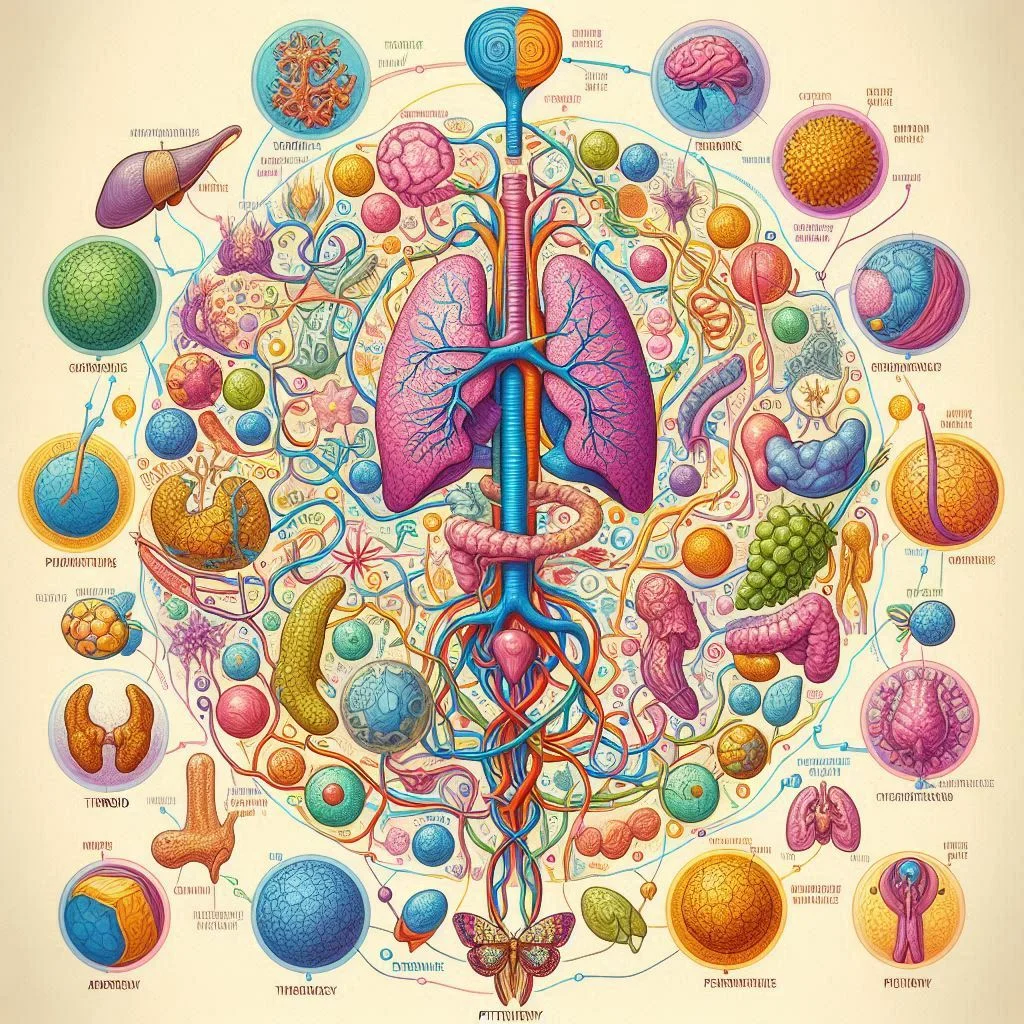
Imagine your body’s silent messenger, tirelessly maintaining balance and harmony. The endocrine system, often overlooked, plays a vital role in our well-being. Understanding its purpose empowers you to appreciate how it controls growth, mood, and metabolism—essential for health and vitality every day.

Students and teacher in a science classroom examining a 3D model of the human endocrine system, highlighting glands like the pituitary and thyroid. The engaging educational scene emphasizes hands-on learning and understanding of key endocrine system functions.

Unlocking the Mystery: What Is the Purpose of the Endocrine System?

The question, "what is the purpose of the endocrine system?," taps right into the heart of biology. The endocrine system is a complex network of glands that make and secrete hormones—chemical messengers that travel throughout the body to regulate essential processes.

Without this intricate system, organs and tissues wouldn’t know when to spring into action or slow things down. Many bodily functions—growth, metabolism, mood, reproduction, and even how you handle stress—are orchestrated by these hormones.

From the moment you wake up, key endocrine glands such as the pituitary gland, thyroid gland, and adrenal gland are actively regulating your body's vital functions. They quietly oversee everything from your energy and sleep cycles to your reaction to emergencies. These glands play a role that can’t be understated—they’re the conductors of your body’s internal orchestra, ensuring harmony and balance.

Understanding the system’s intricacies can help you be proactive about your health, recognize warning signs of imbalance, and appreciate the significance behind hormone-related conditions.

"The endocrine system is the master regulator of countless bodily functions, working seamlessly in the background to maintain overall health." – Dr. Sarah Kim, Endocrinologist
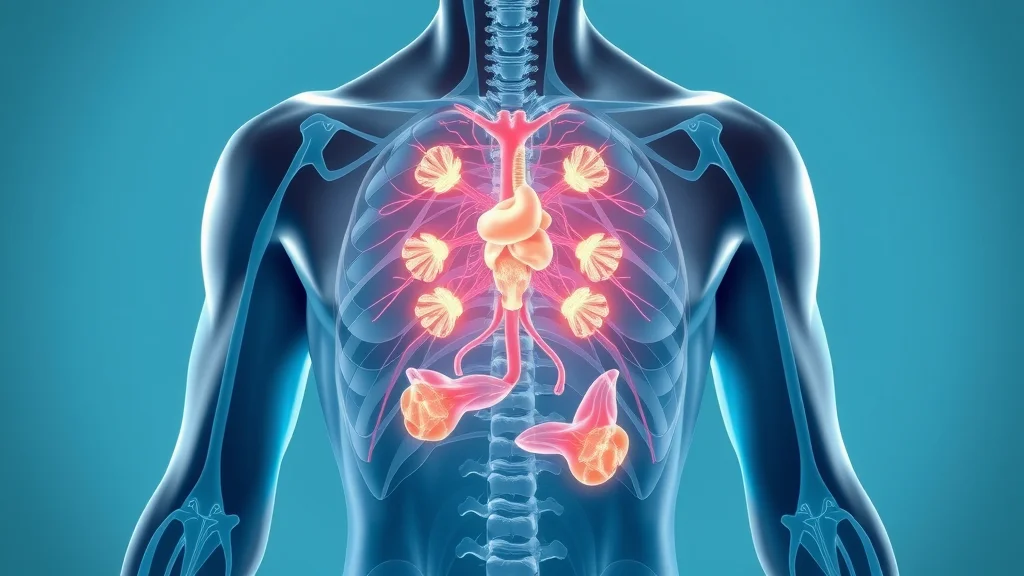

Vivid anatomical illustration of the human body highlighting the major endocrine glands. Educational depiction showing the pituitary gland, thyroid gland, adrenal glands, and other significant parts of the endocrine system, represented with photorealistic detail and a cool blue palette.

What You'll Learn About the Endocrine System

  • Fundamentals of what is the purpose of the endocrine system

  • Key organs and endocrine glands that make up this system

  • Hormones produced by the system and their vital roles

  • Real-life examples highlighting the impact of the endocrine system

  • Expert insights and recent research data

  • Answers to common questions about the endocrine system


Endocrine System Overview: What Is the Purpose of the Endocrine System?

Defining the Endocrine System and Its Core Purpose

At its core, the endocrine system consists of a group of endocrine glands that make critical hormones. These hormones act as chemical messengers, sending signals to different parts of the body to trigger or regulate various functions. But what is the purpose of the endocrine system? It is to maintain homeostasis—a stable and healthy internal environment—by regulating everything from growth and metabolism to stress responses and reproduction.

Endocrine glands—including the pituitary gland, thyroid gland, parathyroid glands, adrenal glands, and pancreas—collaboratively ensure that every cell receives precise hormonal instructions for optimal function.

The system includes both specialized glands and the hormones they produce. These chemical messengers control a variety of functions including blood pressure, calcium levels, and sex hormone release vital to the male and female reproductive system.

Without the perfectly timed release of such hormones, bodily processes would fall into chaos. It’s the partnership between the nervous system and the endocrine system that enables your body to react to changes and maintain internal balance—a feat critical not only for survival, but for a high quality of life.

Hormonal balance is especially important when it comes to reproductive health, as both estrogen and testosterone play pivotal roles in fertility and overall well-being. For a deeper dive into how these key hormones influence your body and the myths surrounding them, explore this comprehensive guide on understanding estrogen and testosterone in fertility.

"Without the precisely timed hormone signals of the endocrine system, our bodies would struggle to maintain any kind of internal stability." – Dr. Alicia Burns, MD, Internal Medicine

Endocrine System: Key Functions and Descriptions


Function

Description

Hormone production

Creates chemical messengers to regulate target organs

Metabolic control

Influences how the body uses energy

Growth & development

Directs bodily growth, sexual development, and more

Mood & cognition

Affects mental states and emotional well-being

How the Endocrine System Works: Components and Processes

Key Endocrine Glands and Their Functions

The main endocrine glands, including the pituitary gland, thyroid gland, and adrenal glands, are precisely tuned to handle specific roles in the body. The pituitary gland, often referred to as the “master gland,” sends out hormones that stimulate other endocrine glands like the thyroid gland and adrenal glands to release their specific hormones. The thyroid gland secretes thyroid hormone, a critical regulator that maintains your metabolic rate and helps convert food into usable energy efficiently.

The adrenal glands, located above the kidneys, produce essential hormones that regulate your stress response and maintain healthy blood pressure levels. The pancreas helps balance blood sugar with insulin and glucagon.

  • Pituitary gland: The ‘master gland’ controlling many other endocrine glands

  • Thyroid gland: Regulates metabolism with thyroid hormones

  • Adrenal glands: Manage stress through hormone release

  • Pancreas: Balances blood sugar via insulin and glucagon

  • Other glands: Pineal, thymus, ovaries, testes

It’s not just about making hormones; these endocrine glands respond to signals from each other and from the nervous system, adjusting hormone levels minute-by-minute. For example, if you’re stressed, your adrenal glands quickly release cortisol and adrenaline, preparing your body to react. This integrated hormonal network ensures that vital functions like growth and development, electrolyte balance, and even mood remain steady.



Students and teacher in a science classroom examining a 3D model of the human endocrine system, highlighting glands like the pituitary and thyroid. The engaging educational scene emphasizes hands-on learning and understanding of key endocrine system functions.

Pituitary Gland: The Master Controller in the Endocrine System

"The pituitary gland acts like the CEO of the entire hormone enterprise, delivering commands that keep the endocrine system running smoothly." – Dr. Paul Redman, Neuroscientist

System Include: Hormones Produced by the Pituitary Gland

Among different endocrine glands, the pituitary gland resides at the base of the brain and operates as the system’s command center. The anterior lobe of the pituitary releases hormones that spur other glands into action, such as thyroid-stimulating hormone for the thyroid gland and adrenocorticotropic hormone for the adrenal glands.

It also regulates vital processes like growth through growth hormone and sexual maturation via sex hormones. The posterior half secretes hormones such as antidiuretic hormone and oxytocin, crucial for water regulation and reproductive health.

Essentially, the pituitary gland ensures that the entire endocrine system functions in a coordinated way, making it possible for other glands to make hormones as needed. Whether you’re growing, digesting, or reacting to stress, the command signals from your pituitary help keep reactions balanced—just like a CEO guiding a company through daily operations.

Thyroid Gland and Thyroid Hormone: Regulating Metabolism

"A small shift in thyroid hormone levels can cause major bodily changes, which makes the thyroid gland vital in the endocrine system." – Dr. Linda Sobel, Endocrinologist

How the Thyroid Gland Influences the Body

Located at the front of your neck, the thyroid gland is one of the most important endocrine glands for energy production and metabolic balance. It makes hormones—primarily thyroid hormones (T3 and T4)—that control how quickly your body turns food into energy. Every cell in the body relies on the thyroid for guidance: heart rate, body temperature, and even alertness are linked to how much thyroid hormone is circulating.

If your thyroid gland becomes overactive or underactive, you may notice symptoms like fatigue, weight change, or mood swings. Even a tiny decrease in hormone output can influence metabolism, slow down energy use, and affect your overall well-being. That’s why keeping thyroid hormone levels within a normal range is crucial for daily vitality.

Thyroid Hormones and What the Endocrine System Include

So, what does the endocrine system include when it comes to thyroid control and hormone regulation? The thyroid gland depends on signals from the endocrine system, particularly the pituitary gland, to regulate and circulate the appropriate levels of thyroid hormones.

These chemical signals influence nearly every major system in your body—from brain development in infants to muscle strength in adults. The right balance ensures that vital processes like heart rhythm, heat production, and calcium levels are maintained without confusion or conflict.

Additionally, thyroid hormones interact with other systems, such as the parathyroid glands that adjust calcium levels. This highlights that the endocrine system consists of a tightly knit web, where hormones act as highly specific messengers and regulators, safeguarding holistic functioning.
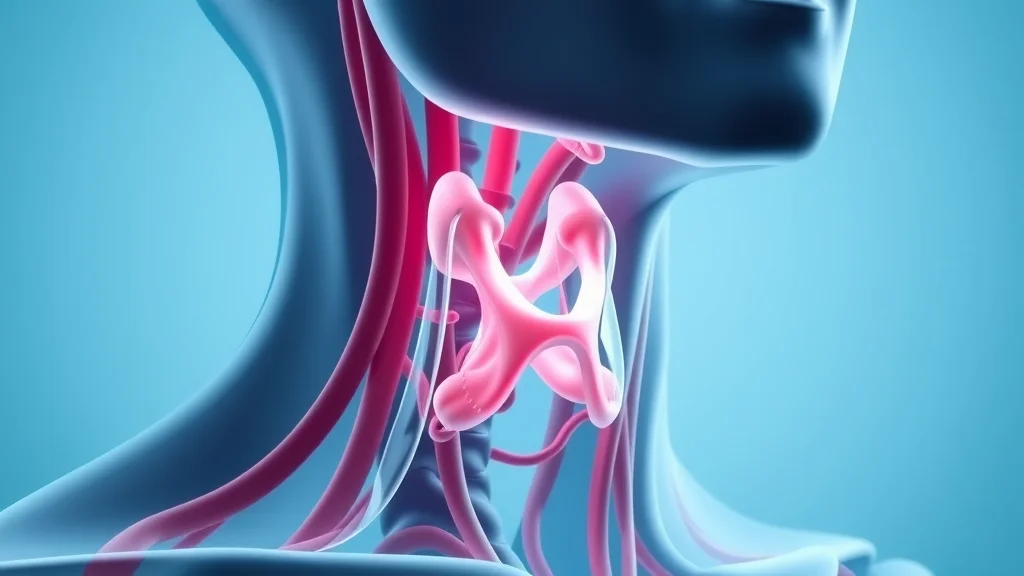

Detailed anatomical close-up of a healthy thyroid gland in the human neck, with underlying neck muscles and blood vessels displayed in a photorealistic 3D render. The image emphasizes the thyroid

Adrenal Glands: Handling Stress and More in the Endocrine System

"The adrenal glands are at the heart of our stress response — without them, the body would be unable to react swiftly to challenges." – Dr. James Carrel, Clinical Psychologist

Adrenal Gland Function and Related Hormones

The adrenal glands, positioned above your kidneys, are responsible for releasing crucial hormones such as cortisol, adrenaline, and aldosterone that regulate stress and blood pressure. When you face stress—a looming deadline, a sudden scare—these glands make hormones that spark your “fight-or-flight” response, elevating blood sugar, increasing heart rate, and boosting blood pressure so you can react quickly. Aldosterone also regulates sodium and potassium, helping to control fluid balance and blood pressure.

These glands also make sex hormones, which play a role in sexual development and function. When the adrenal gland doesn’t produce enough hormones (Addison’s disease), energy drops, and the body struggles to cope with stress. Conversely, excessive hormone production can lead to problems like high blood pressure and anxiety. Proper adrenal function is essential for a responsive, balanced endocrine system.

Other Functions of the Adrenal Glands in the Endocrine System

Besides handling stress, adrenal glands help manage metabolism, immune responses, and certain aspects of growth and development. They communicate with the pituitary gland and nervous system to fine-tune hormone delivery according to your body’s shifting needs. This interplay highlights that the endocrine system isn’t static. Instead, it dynamically adjusts hormone production based on everything from daily routines to long-term changes like puberty or menopause.

A well-working adrenal system helps you maintain steady energy and adaptation to new challenges, laying the groundwork for a healthy life. Disruptions in their function can have ripple effects throughout the rest of the endocrine glands and—by extension—the entire body.
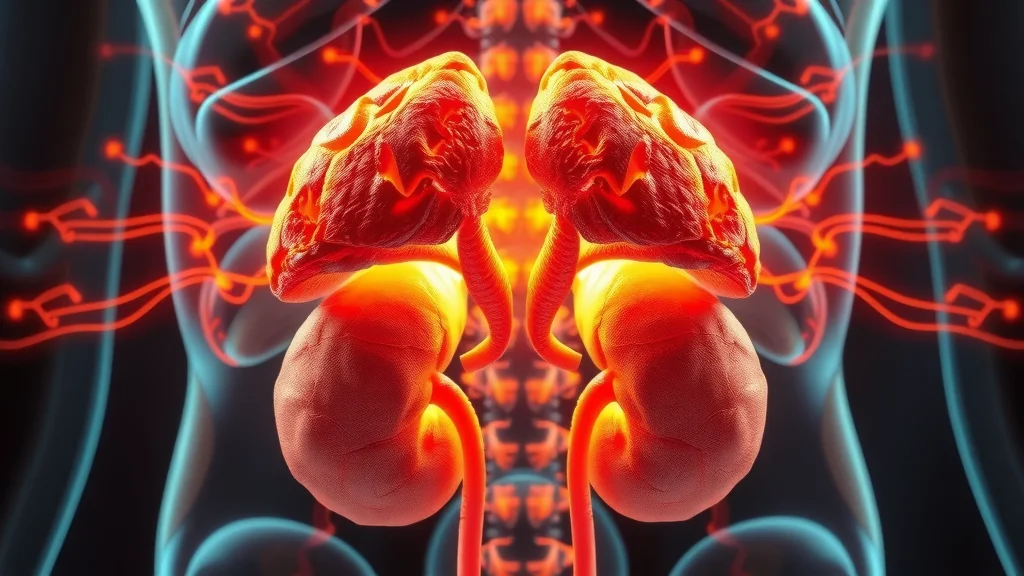

Cross-sectional 3D illustration of adrenal glands above the kidneys, radiating colorful hormones under focused medical lighting, symbolizing their dynamic role in the endocrine system.

How Endocrine System Signals Work: Hormones as Messengers

Hormones act as finely tuned chemical messengers within the endocrine system, traveling through the bloodstream to reach distant cells and coordinate complex bodily responses. When your body detects a change—like dropping calcium levels or a stressor—the relevant endocrine gland releases the needed hormone. These messengers find “target cells” with specific receptors, causing a change: releasing energy, absorbing nutrients, or increasing alertness.

What sets the endocrine system apart from the nervous system is that hormone signals can last longer and impact many systems at once. Hormone levels shift with age, activity, and health status. Understanding how these signals work illuminates why hormone imbalances—like with thyroid or adrenal disorders—have such broad and sometimes subtle effects.

Homeostasis: Maintaining Stability in the Endocrine System

A chief purpose of the endocrine system is to maintain homeostasis, or internal balance. This means keeping bodily conditions—temperature, hydration, metabolism, and even mood—within optimal ranges, despite external changes.

Endocrine glands are constantly monitoring your body’s internal environment and adjusting hormone levels as needed. When you’re dehydrated, antidiuretic hormone retains water. When your blood sugar drops, glucagon from the pancreas raises it.

Disrupted homeostasis means endocrine gland signals are off, leading to conditions such as diabetes, hypo/hyperthyroidism, or adrenal insufficiency. Therefore, a well-functioning endocrine system safeguards your health, adapting your inner world to the challenges you face each day.

Real-World Impacts: When the Endocrine System Fails

"Diseases like diabetes and thyroid disorders illustrate why a well-functioning endocrine system is essential for life — its breakdown can affect every cell in the body." – Dr. Henry Wang, Medical Researcher

The effects of an imbalanced endocrine system are far-reaching. Disorders can stem from hormone overproduction, underproduction, or incorrect signaling between glands. When the pancreas can’t manage insulin properly, diabetes mellitus develops. Poor thyroid hormone production causes hypothyroidism, leading to sluggish metabolism and fatigue, while hyperthyroidism can speed things up dangerously. The adrenal glands may cause Addison’s disease (not enough steroids) or Cushing’s syndrome (too much cortisol), shaking the body's normal rhythm.

Other common issues include pituitary gland tumors and imbalances, which halt or overdrive growth and reproductive functions. Even slight miscommunications can trigger cascading health problems, proving how vital the endocrine system is for cellular health across all parts of the body.

  1. Diabetes mellitus (pancreas dysfunction)

  2. Hypothyroidism and hyperthyroidism (thyroid gland disorders)

  3. Addison’s disease (adrenal insufficiency)

  4. Pituitary tumors or hormonal imbalance issues

Latest Research and Case Studies on the Endocrine System

Modern research brings new understanding to how endocrine glands interact and how subtle hormone changes affect entire body systems. Recent studies use digital monitoring of hormone levels, genetic testing, and advanced imaging to uncover how conditions like metabolic syndrome develop or how personalized hormone therapy can improve quality of life. For instance, artificial pancreas devices are transforming diabetes management, while new compounds for thyroid disease are improving control and minimizing side effects.

Case studies in endocrinology journals regularly highlight how adjusting hormone levels can resolve seemingly unrelated symptoms, such as mood disorders, infertility, or bone weakness. Staying abreast of new data equips patients and clinicians to make informed health decisions, showing the ripple effect of the endocrine system on wellness.


Scientists in a high-tech laboratory studying digital hormone data overlays and graphs, collaborating to interpret new endocrinology research on hormone levels and gland function.

FAQs About the Purpose of the Endocrine System

  • How does the endocrine system interact with the nervous system?
    The endocrine system and nervous system work together closely. While the nervous system uses electrical impulses for speedy signaling, the endocrine system sends slower but longer-lasting chemical messages throughout the body. For example, stress triggers both adrenaline from the adrenal gland and a nervous system reaction, preparing the body for action by coordinating hormone and nerve signals.

  • What are common symptoms of endocrine disorders?
    Symptoms vary by gland and hormone involved but often include unexplained weight changes, fatigue, mood swings, changes in blood pressure, altered metabolism, or irregular menstrual cycles. Some disorders, like those affecting the thyroid or adrenal glands, also cause swelling in the neck or changes in skin and hair.

  • Can lifestyle changes improve endocrine health?
    Yes. Eating a balanced diet, regular exercise, managing stress, and getting routine check-ups support endocrine gland health. For issues like diabetes or thyroid imbalance, ongoing lifestyle adjustments and medications may be necessary to keep hormone levels stable and prevent complications.

  • Is hormone therapy safe for endocrine conditions?
    Hormone therapy is common for some endocrine disorders, like thyroid disease or menopause symptoms. However, it should always be prescribed by an endocrinologist after careful diagnosis and monitoring, as excess or improper use of hormones can cause significant side effects or health risks.

Key Takeaways: The Endocrine System’s Essential Role

  • What is the purpose of the endocrine system? To coordinate bodily processes through hormones.

  • Endocrine glands like the pituitary, thyroid, and adrenal glands each play unique roles.

  • Balance is key: disruption leads to widespread health effects.

  • Staying informed can help prevent or manage endocrine disorders.

People Also Ask: What Are the Main Purposes of the Endocrine System?

The endocrine system’s main purposes include regulating metabolism, growth, sexual function, mood, and the body’s response to stress through the carefully controlled release of hormones by endocrine glands like the pituitary, thyroid, and adrenal glands. Together, these functions maintain internal stability and support everyday health and adaptation.

People Also Ask: What Is the Purpose of the Endocrine System Quizlet?

On platforms like Quizlet, the purpose of the endocrine system is commonly defined as the control and integration of body functions via hormone secretion; it helps coordinate processes like growth, metabolism, stress, and reproduction to keep the body functioning properly.

People Also Ask: What Would Happen Without an Endocrine System?

Without the endocrine system, your body would lose the ability to communicate and regulate major processes—growth would halt, energy production would stall, and stress response would fail. Life would not be sustainable since organs require these essential hormonal signals to maintain health and function.

People Also Ask: What Is the Simple Definition of Endocrine?

Simply put, “endocrine” refers to glands that secrete hormones directly into the bloodstream to regulate processes throughout the body. The endocrine system is this collection of hormone-secreting glands working together to control vital functions.

Summary: Why Understanding the Endocrine System Matters

Knowing what is the purpose of the endocrine system can help you better manage your health and recognize signs of imbalance early—empowering you to work with your healthcare team for lifelong vitality.

If you’re inspired to take a more holistic approach to your health, remember that the endocrine system is just one piece of the puzzle. Building resilience and supporting your mental well-being can further enhance your body’s ability to adapt and thrive.

For practical strategies to strengthen your mind and body every day, discover how daily self-care routines can boost your resilience and overall wellness in this actionable guide to daily self-care for mental health. By integrating these insights, you’ll be better equipped to maintain balance—inside and out.

Explore More Endocrine System Insights

Stay curious and informed—discover more trusted information like this at: NCWellnessHub.com

Sources

  • Endocrine Physiology – https://www.ncbi.nlm.nih.gov/books/NBK279054/

  • Hormone Health Network – https://www.hormone.org/your-health-and-hormones/endocrine-system

  • The Endocrine Society – https://www.endocrine.org/patient-engagement/endocrine-library/general-endocrinology

  • Mayo Clinic – https://www.mayoclinic.org/diseases-conditions/endocrine-disorders/symptoms-causes/syc-20350378


The endocrine system is a complex network of glands and organs that produce, store, and release hormones into the bloodstream, regulating numerous bodily functions. These hormones act as chemical messengers, influencing processes such as metabolism, growth and development, sexual function, reproduction, heart rate, blood pressure, appetite, sleep cycles, and body temperature. (healthline.com)

Key components of the endocrine system include the hypothalamus, pituitary gland, thyroid gland, parathyroid glands, adrenal glands, pancreas, and reproductive glands (ovaries in females and testes in males). Each of these glands plays a specific role in maintaining the body’s internal balance, known as homeostasis. (hopkinsmedicine.org)

For a visual and fast explanation of how the endocrine system functions, you might find the following YouTube Short helpful: https://www.youtube.com/shorts/W7DNMIo1N-E

FEATURE

Write A Comment

*
*
Related Posts All Posts

Why Do Americans Drink 3X As Much Coffee Than In 1980?

Americans now drink three times more coffee than they did in 1980, highlighting significant changes in coffee consumption patterns and lifestyle trends.Understanding this surge in coffee consumption in America reveals how habits evolve and why coffee remains a powerful part of daily life for millions. Understanding the Surge in Coffee Consumption in AmericaAmericans now drink three times more coffee than in 1980.Explore how coffee consumption in America shapes culture, habits, and wellness.Overview of lifestyle shifts influencing coffee drink popularity."The evolution of coffee consumption in America mirrors our society's appetite for both productivity and comfort." – Dr. Hannah Tucker, Sociologist The surge in coffee consumption in America over the past thirty years has become a defining trend, shaping the coffee market and reflecting evolving lifestyle habits. Today, Americans across all age groups are drinking coffee daily more than ever, using it as a vital source of energy and social enjoyment.The average amount of coffee consumed per person has nearly tripled since 1980, positioning coffee not just as a beverage but as a cultural phenomenon in the United States. This spike in interest is closely associated with rapid urbanization, a shift towards fast-paced living, and the emergence of coffee shops as vibrant, community-centered spaces.As urban centers expanded, so too did the need for on-the-go caffeine fixes and relaxing breaks amid daily routines. Coffee shops have become essential anchors in busy neighborhoods and workplaces, catering to coffee drinkers including young professionals, students, and diverse age groups.The increased popularity of specialty drinks and evolving coffee drink preferences have further fueled growth in the American coffee market. Furthermore, scientific research continues to explore the health benefits and potential risks associated with drinking coffee daily, sparking nuanced discussions about its role in modern wellness.This article unpacks the key forces behind America’s coffee boom, drawing on expert perspectives and case studies to provide a comprehensive analysis.While coffee has become a staple in American routines, it's interesting to note how other daily consumables are also evolving in terms of health and wellness.For example, if you're curious about making healthier choices in your kitchen, you might find it valuable to explore how to make healthy barbecue sauce at home for a nutritious twist on classic favorites.What You'll Learn About Coffee Consumption in AmericaHistorical trends in coffee consumption in AmericaKey drivers behind rising coffee consumptionAge group analysis: Who drinks the most coffee?Influence of coffee shops and the coffee marketHealth benefits and concerns around drinking coffee dailyExpert perspectives on the American coffee drink cultureA Brief History: Coffee Consumption in America from 1980 to TodayThe American Coffee Drink Landscape in 1980 In 1980, the coffee consumption in America was much more modest. Most coffee drinkers stuck with traditional drip coffee, usually brewed in the kitchen using a trusty drip coffee maker or purchased from local diners. Coffee at home was simple and unpretentious, and instant coffee had its own loyal following.The idea of heading to a specialty coffee shop for a gourmet beverage was unfamiliar to most Americans; the majority associated a cup of coffee with a quick, comforting start to the day rather than a social or expressive experience. While adults aged 40 and up were the primary consumers, few younger adults made coffee routines a daily ritual.The era was marked by steady, but unremarkable, coffee drinking habits. It wasn’t unusual for workers to enjoy regular coffee breaks at their offices or for families to gather around a pot in the mornings. What’s striking now is how dramatically consumption patterns have shifted.Today, specialty drinks like lattes and cold brew dominate many menus, and coffee shops have multiplied across cities and suburbs alike. The change can be attributed to broader market forces, lifestyle adjustments, and the powerful influence of American pop culture over how—and how much—people drink coffee. Key Milestones in Coffee Consumption GrowthAs the 1990s dawned, coffee consumption in the United States began to accelerate. Landmark shifts included the rise of national coffee chains, the emergence of espresso-based beverages, and substantial marketing campaigns highlighting the social and aesthetic appeal of coffee shops.The early 2000s saw a generational embrace of new drink formats—from iced coffees to flavored lattes—and a growing association of coffee shops with Wi-Fi, coworking, and creative entrepreneurship. The 2010s solidified America’s transformation into a coffee-drinking powerhouse, with consumers averaging far more cups per day than previous decades.According to the National Coffee Association, the average daily coffee intake per adult in America now far exceeds that of the 1980s. New technologies, such as the single-serve coffee maker and widespread availability of high-quality beans, have further democratized access to specialty coffee drinks both at home and outside. Over time, coffee has evolved from a functional morning drink to a key part of identity for many Americans.Coffee Consumption in America by Year: 1980 vs. 2000 vs. 2020 (Cups per Capita)YearAverage Cups per Person per YearKey Trends1980120Drip coffee, home consumption, limited coffee shop presence2000220Expansion of coffee chains, espresso drinks, rise in specialty shops2020360Cold brew, premium drinks, coffee as lifestyle, digital influence"Americans’ relationship with coffee has transformed from a functional routine to a ritual of experience." – Lisa Chen, Coffee Market AnalystThe Social & Cultural Drivers of Coffee Consumption in AmericaHow Lifestyle Changes Increased Coffee Drink Popularity The rise in coffee consumption in America closely tracks lifestyle changes and work habits that influence how people drink coffee daily. With busier schedules, urban living, and the rise of gig work and remote jobs, people have come to rely on coffee for both productivity and pleasure.For young adults, drinking coffee is more than a beverage; it’s a lifestyle accessory integral to their fast-paced routines. The convenience of grabbing a cup of coffee on the way to work or during a study break has cemented coffee's place as a daily necessity.Additionally, coffeehouses have emerged as essential "third places"—not home and not work—where people can relax, connect, and find community. The ritual of meeting friends, working on laptops, or simply enjoying a few moments of solitude at a local java joint has made coffee breaks integral to the American lifestyle. This shift has especially impacted how adults aged 18–39 view coffee: not only as energy fuel but also as a social connector.The Rise of Coffee Shops and Coffee Culture in the United StatesRole of coffee shops in urban and suburban communitiesCoffee shops as social hubs and workspacesThe modern coffee shop is a far cry from the utilitarian diners of the 1980s. Today, coffee shops in the United States serve as stylish, comfortable meeting spaces as much as places to pick up a cup of coffee. Their influence extends beyond the beverage itself—they represent a lifestyle built on connection, creativity, and convenience. This is especially true for independent coffeehouses, which have popped up in neighborhoods across the United States, offering unique brewing methods, artisanal pastries, and distinct atmospheres that keep coffee drinkers coming back."Coffee shops are a third space for many Americans, enhancing community connection." – Marisa DiMarco, Barista and Coffee Shop OwnerThe expansion of large chains played an initial role in normalizing specialty coffee, but it's the decentralized wave of independent shops that has pushed coffee culture into new and creative directions. Coffee drinkers now have endless options—from traditional drip coffee to single-origin pour-overs and nitro-infused cold brew. These trends have reshaped how Americans experience their favorite drink, making coffeehouses key cornerstones of both daily routines and broader cultural trends.The Impact of Media and Celebrity EndorsementsMedia portrayals and celebrity culture have undeniably shaped the landscape of coffee consumption in America. From iconic sitcom scenes set in java joints to influencer posts of boutique coffee drinks, media has framed coffee as modern, desirable, and even aspirational.Celebrities launching their own coffee brands or endorsing specialty cafes have further made coffee integral to public life, influencing millions of coffee drinkers, especially among younger age groups, to try new trends, drinks, and venues.Who Drinks Coffee? Age Groups and Demographics of Coffee Drinkers in the United StatesCoffee Consumption in America: Analysis by Age Group Young adults vs. middle-aged vs. older Americans—coffee drink patternsCoffee consumption in America varies significantly by age group, with different coffee drinkers showing distinct preferences and habits. According to current research, adults aged 25–39 are now the most frequent coffee drinkers, credited with popularizing specialty drinks and the cold brew craze.Middle-aged Americans (40–59) tend to stick with regular coffee or classic drip brews, with daily rituals deeply embedded into their routines. Seniors often favor moderate consumption, valuing coffee more for comfort and warmth than for energy.This demographic shift is fueled by trends visible in college campuses, workplaces, and urban centers. Young adults see coffee as a symbol of lifestyle and productivity, while older age groups continue to uphold traditions around home brewing and shared breakfasts. The result is a uniquely American dynamic, where coffee culture is fluid and ever-changing but rooted in a widespread, intergenerational love for the beverage.Traditional Preferences vs. Modern Trends in Drinking Coffee Coffee drinkers in the United States now span a broad spectrum: some remain loyal to their daily cup of classic drip coffee, while others explore the world of espresso, plant-based lattes, or sugar-laden frappés.The past two decades have witnessed a shift from instant coffee and drip coffee makers toward high-end espresso machines and elaborate at-home setups. For traditionalists, nothing replaces the comfort of a hot black coffee; for trendsetters, the allure of a cold brew, matcha latte, or specialty pour-over is part of the appeal.This dichotomy is evident in both coffee shop offerings and homemade coffee routines, with younger age groups driving innovation while older generations hold onto rituals that evoke comfort and familiarity. The American coffee market has responded by balancing old and new, ensuring there’s a perfect cup for every palate and every occasion.Case Study: College Students and the Coffee BoomNowhere is the transformation of coffee consumption in America more evident than on college campuses. Over the last decade, a significant rise in demand for coffee among students has led to more campus coffee cafe's, longer lines at local cafes, and increased marketing efforts from specialty brands.Coffee is now essential to student life—a source of both energy and social interaction. According to a 2022 survey by the National Coffee Association, 78% of college students reported consuming coffee daily, with many drinking 2–3 cups per day especially during exam periods.The accessibility and variety of coffee drinks have made the beverage more attractive to younger people, creating habits that often persist into adulthood. As a result, these early adopters are poised to continue driving the growth of coffee consumption in America for years to come.What Are Americans Drinking? Trends in Popular Coffee Drinks and Cups of Coffee ConsumedEspresso-based drinks (lattes, cappuccinos, etc.)The cold brew and iced coffee craze Traditional drip coffee and its enduring appealThe landscape of America’s coffee drink choices has expanded well beyond the simple cup of drip coffee. Today, espresso-based beverages like lattes, cappuccinos, and americanos account for a significant share of the market, especially among millennials and Gen Z. The rise of cold brew and specialty iced coffees has captured the attention of younger coffee drinkers, who crave new flavors, convenience, and customization.Despite these innovations, classic drip coffee remains steadfastly popular; it’s affordable, comforting, and easy to prepare at home or in the workplace. Coffeehouses offer a dizzying range of menu items, but the ritual of brewing at home is still treasured by many Americans. The diversity of available drinks ensures there’s something for everyone, further elevating the total number of cups of coffee consumed in the United States each year."Cold brew and specialty drinks have attracted younger audiences, diversifying coffee consumption in America." – Dr. Samuel Harris, Beverage ResearcherThe Coffee Market: Economic Forces Behind the Surge in Coffee Consumption in AmericaHow the Coffee Market Grew with Coffee Drink Innovation Economic forces have played a critical role in growing coffee consumption in America. The rise of national and independent coffee shops, along with relentless innovation in brewing methods and drink recipes, have changed both supply and demand.The introduction of specialty beans, fairtrade options, custom roasts, and global flavors has given consumers more reasons to explore and enjoy coffee. Coffee places—from Starbucks to red coffee shops to your local roaster—have turned coffee into an affordable luxury and a daily indulgence for millions.Technological advances in home coffee equipment, such as single-serve pods and high-end drip coffee makers, have further opened the market. Americans are now more willing to invest in quality beans and stellar preparation, whether brewing at home or indulging at a specialty shop. The result: more cups of coffee consumed each year and a booming coffee industry that shows no signs of slowing down. Impact of Global Trends and Specialty Coffee ShopsExpansion of major coffee chainsIndependent red coffee shops and local influenceThe globalization of coffee culture has dramatically increased awareness and diversity in American coffee consumption. Major international brands have set high standards for both quality and service, while independent coffee spots have introduced Americans to new brewing techniques, ethically sourced beans, and an appreciation for coffee as an artisanal craft. Coffee drinkers today expect more—more options, more transparency, and more ways to personalize their coffee experience.Table: Coffee Market Revenue in the United States: 1980-2024YearTotal Market Revenue (USD in Billions)Major Market Drivers1980$5.2Home brewing, limited chains, basic coffee drinks2000$17.8Rise of coffee shops, innovation, global sourcing2024$49.1Specialty drinks, cold brew, premium experiences, digital orderingAs America’s coffee market has matured, so has the consumer's palette and expectation. Local coffee communities are thriving thanks to an emphasis on craftsmanship, sustainability, and direct trade, all of which support the continued surge in consumption in the United States.The Daily Ritual: Drinking Coffee Every Day in AmericaHow morning routines revolve around coffee daily Coffee as a productivity tool for students and professionalsDrinking coffee daily has become a non-negotiable ritual and productivity tool for millions of Americans. Most adults report that they can’t imagine starting the day without their cup of coffee, and weekends are no exception. Morning rituals frequently include brewing a fresh pot, savoring the first sip, and planning out the day. For students, young professionals, and adults across age groups, the act of drinking coffee daily is as much about mental preparation as it is about caffeine."Drinking coffee daily has become a non-negotiable ritual for millions of Americans." – Dr. Elaine Matthews, Wellness PhysicianThis consistent consumption supports higher productivity, alertness, and a sense of routine that many find grounding. Whether it’s at home with a favorite mug, in a bustling coffee stop, or at the office break room, the role of coffee as a productivity anchor continues to grow in significance in the American workplace and beyond.Health Benefits and Concerns: Is Increased Coffee Consumption in America Good for You?Potential Health Benefits of CoffeeCognitive function and alertnessPossible reduced risk of certain diseasesRecent studies have identified several health benefits associated with moderate coffee consumption in America. Regular consumption is linked to improved cognitive function, heightened alertness, and a lower risk of developing conditions such as Parkinson’s disease, Alzheimer’s, and type 2 diabetes.The antioxidants found in caffeinated coffee may also offer protective effects for the heart, while the beverage’s natural compounds have shown promise in supporting metabolic health.In health-conscious circles, the shift towards specialty coffees and lower-sugar options is viewed as a step in the right direction. However, experts continue to recommend moderation. Adults aged under 50, in particular, are advised to monitor their daily intake to avoid negative side effects.Potential Health Risks and Caffeine SensitivityOverconsumption risksPopulation groups with increased sensitivityDespite its many benefits, excessive coffee intake can be problematic. Overconsumption of caffeine may result in increased anxiety, heart palpitations, gastrointestinal issues, and sleep disturbances. There are also certain population groups—including pregnant women, those with heart conditions, and individuals sensitive to stimulants—who should limit their intake. Energy drinks and heavily sweetened specialty coffees further complicate the picture, especially for young coffee drinkers.Pros and Cons of Drinking Coffee Daily:Pros: Improved focus, enhanced metabolism, social benefits, possibly lower risk of certain chronic diseases, antioxidant intake.Cons: Anxiety, sleep disruption, increased heart rate, risk of overconsumption, possible digestive upset for sensitive individuals."Moderate coffee consumption in America can be part of a healthy lifestyle, but moderation is key." – Dr. Victor O’Malley, Registered Dietitian Expert Analysis: What Fuels Coffee Consumption in America Today?Workplace Trends and Remote Work EffectsIn recent years, remote work and flexible scheduling have reshaped how, when, and where Americans drink coffee. With more people working from home offices, there’s greater emphasis on quality, personalization, and routine.Coffee makers and espresso machines have become prized possessions in the home, while digital ordering and subscription services meet the demand for convenience and variety. These adaptations have not only increased the frequency of coffee consumption but also deepened the personal significance of daily coffee drinking.Workplaces continue to provide free or subsidized coffee as a productivity tool, and virtual coffee breaks have replaced traditional watercooler chats. According to Dr. Lauren Phillips, Occupational Health Consultant:“The rise of remote work has only further fueled coffee consumption in America, as people seek comfort and focus from a familiar ritual, even when working alone.”Energizing the American Dream: Coffee’s Role in Ambition and HustleCoffee continues to symbolize energy, ambition, and the relentless pursuit of the American Dream. Entrepreneurial culture and the nationwide "hustle" mentality have made drinking coffee a badge of busy people invested in their goals. Coffee culture—celebrated through inspirational social media, corporate networking events, and startup launches—reinforces the beverage's status as a catalyst for achievement.Top 5 Societal Trends Driving Increased Coffee Drink Habits:Rise of mobile and remote work cultureIncreasing focus on wellness and self-careGrowing popularity of boutique coffee drinksDesire for social connection and "third spaces"Digital influence and media trends shaping tastesSummary Table: Coffee Consumption in America – Drivers and ImpactsDriverImpactRemote WorkMore frequent at-home coffee preparation; emphasis on quality machines and beans.Health and WellnessGrowth in moderate consumption; move toward fewer additives and healthier choices.Coffee Shop ProliferationGreater access and variety; more social interaction around coffee.Media and Celebrity InfluenceTrendy drinks and increased visibility; youth adoption rates surge.Innovation in DrinksRising demand for unique, customizable coffee options; market expansion. People Also Ask: Coffee Consumption in AmericaHow much coffee is consumed in the USA?Current statistics and reported cups per capita for coffee consumption in America.Comparison with global figures for coffee drink volume.As of 2024, the United States consumes an estimated 400 million cups of coffee daily, representing an average of about three cups per adult per day. This places America among the top coffee drinkers globally, though Scandinavian countries like Finland still lead on a per capita basis. The high demand reflects both long-standing traditions and the rise of coffee as a lifestyle staple.Is coffee the number one drink in America?Relative popularity versus other beverages (soda, tea, water).Coffee is one of the most popular beverages in America, surpassed only by water. It has surpassed both soda and tea in daily consumption rates among adults, particularly as attitudes toward soda have shifted due to health concerns. The beverage’s versatility, availability, and deeply entrenched rituals contribute to its widespread popularity across age groups.What is the #1 coffee drinking country?International ranking of coffee consumption by country; positioning of America.While Americans consume a tremendous volume of coffee overall, Finland continues to rank as the world’s top coffee drinking country per capita. The United States is notable for its growing diversity of coffee drink preferences and its evolving market, ranking among the leaders in total volume, though not per individual.Is coffee consumption increasing or decreasing?Recent trends and future projections for coffee consumption in America.Coffee consumption in America is still increasing, with growth fuelled by health trends, innovation, and changing work patterns. Projections indicate that both coffee drink volume and per capita consumption will continue to rise, albeit at a gradual pace, driven by technological advances and evolving consumer tastes. FAQs: Coffee Consumption in AmericaHow many cups of coffee do Americans drink daily? – On average, American adults drink about 2–3 cups of coffee per day, though this can vary significantly by age group and lifestyle.What age group drinks the most coffee in America? – Adults aged 25–39 currently consume the most coffee, thanks to modern work routines and a preference for specialty drinks.Are there health benefits to drinking coffee every day? – Moderate daily coffee consumption is associated with improved alertness and reduced risk of some diseases, but overconsumption can lead to health risks.Has the American coffee market changed in recent years? – Yes, the market has seen explosive growth in premium, specialty, and cold brew products, with coffee shops and at-home brewing both becoming more sophisticated.Do Americans prefer coffee shops or homemade coffee drinks? – Preferences are split, with older generations favoring home brewing and younger consumers increasingly enjoying the experience and variety offered by coffee shops. Key Takeaways: Why Coffee Consumption in America Keeps RisingAmericans now drink three times more coffee than in 1980.Shifting work and lifestyle trends have made coffee a daily essential.Innovation in drinks and brewing has increased consumer interest and market growth.Health-conscious choices support the continued popularity of moderate coffee consumption.Coffeehouses are now cultural and social hubs for all ages in the United States.Conclusion: The Bright Future of Coffee Consumption in AmericaAmerica’s journey in coffee consumption reflects adaptability, innovation, and enduring passion for the beverage.Looking ahead, coffee drink habits are expected to evolve with health, technology, and changing demographics shaping the scene.Above all, America’s love for coffee continues to be woven into the fabric of daily life, bringing energy, connection, and comfort with every cup.As you reflect on the remarkable rise of coffee culture in America, it's clear that our daily habits are deeply intertwined with broader health and lifestyle trends. If you're interested in understanding how other aspects of wellness—from nutrition to anatomy—can impact your overall health journey, consider exploring how lower limb anatomy influences well-being and mobility.Expanding your knowledge in these areas can empower you to make more informed choices, whether it's about your morning brew or your long-term health. Dive deeper into the science of wellness and discover new strategies to support a vibrant, energized life.Explore More on Coffee and Wellness Find more quality content at: NCWellnessHub.comSourcesNational Coffee Association – https://nationalcoffeeassociation.orgStatista – https://www.statista.com/NCBI: Coffee and Health Studies – https://www.ncbi.nlm.nih.gov/CNBC – https://www.cnbc.com/2022/03/18/how-americans-are-drinking-coffee-now.htmlOver the past few decades, coffee consumption in America has experienced a significant surge, with Americans now drinking three times more coffee than they did in 1980. This increase reflects major shifts in lifestyle and culture, positioning coffee not just as a beverage but as a cultural phenomenon in the United States.According to the National Coffee Association’s Spring 2025 National Coffee Data Trends (NCDT) report, two-thirds of American adults drink coffee daily, averaging three cups per person. This marks a nearly 7% increase compared to 2020, surpassing the daily consumption of tea, juice, soda, and bottled water. (convenience.org)The rise in coffee consumption is closely associated with rapid urbanization, a shift towards fast-paced living, and the emergence of coffee shops as vibrant, community-centered spaces. As urban centers expanded, so did the need for on-the-go caffeine fixes and relaxing breaks amid daily routines. Coffee shops have become essential “third places”—not home and not work—where people can relax, connect, and find community.Additionally, the increased popularity of specialty drinks and changing tastes in coffee have further driven this remarkable growth. The NCDT report found that consumption of specialty coffee has increased by nearly 18%, with 46% of American adults consuming specialty coffee in the past day as of January 2025, compared to 39% in 2020. (convenience.org)Furthermore, scientific research continues to explore the health benefits and potential risks associated with drinking coffee daily, sparking nuanced discussions about its role in modern wellness. Moderate coffee consumption is associated with improved alertness and reduced risk of some diseases, but overconsumption can lead to health risks.In summary, the surge in coffee consumption in America over the past thirty years reflects significant lifestyle and cultural shifts, with coffee becoming an integral part of daily life for millions. NCWellnessHub.com

Stop Sabotaging Your Future: 5 Proven Strategies to Conquer the Chronic Procrastination Loop

Feeling stuck in a never-ending cycle of delay? You’re not alone, and it’s not just laziness. Chronic procrastination quietly steals dreams. Discover how conquering it not only frees your time but transforms your future—and your sense of self-worth—for good.Unlocking Progress: Why You Need to Conquer Chronic Procrastination Now Conquering chronic procrastination is not just about productivity—it's about reclaiming your future. Chronic procrastination often manifests as an invisible barrier, delaying important things like professional growth, healthy habits, and meaningful relationships.As a chronic procrastinator, you might rationalize constantly postponing a task or wait for the “right” moment—but those moments rarely arrive. This hidden cycle erodes not only your work but also your mental health, amplifying negative emotions like guilt and anxiety. The truth?Chronic procrastination is common, but it is absolutely beatable with evidence-based strategies. By learning to conquer chronic procrastination, you’ll unlock the ability to set a goal, build momentum, and experience the satisfaction that comes from doing good work—remarkably transforming the direction of your life on a daily basis. If you’re tired of feeling stuck, the time to act is now. The science behind chronic procrastination and its impact on mental healthFive actionable strategies to conquer chronic procrastinationThe role of commitment devices in breaking the procrastination habitHow to take action and build momentumAnswers to the most common questions about chronic procrastinationUnderstanding Chronic Procrastination: It’s More Than Just LazinessDefining the Chronic Procrastinator: Symptoms, Patterns, and RisksWhat sets chronic procrastination apart isn’t simply putting off work now and again. For the chronic procrastinator, postponing a task becomes a lifestyle—often affecting not just their school or job, but relationships, routines, and even self-esteem. Symptoms include missing deadlines habitually, feeling paralyzed by a set of tasks, and experiencing emotional root issues such as anxiety, guilt, and helplessness.The risks go beyond wasting time; research shows chronic procrastination can disrupt emotional regulation and fuel unhealthy coping mechanisms like overusing social media or neglecting self-care. As Dr. Sasha Rowe, Clinical Psychologist, puts it:"Chronic procrastination isn’t about willpower; it’s often a deep-seated mental health issue that requires targeted strategies." — Dr. Sasha Rowe, Clinical PsychologistWhile understanding the roots of procrastination is essential, it's equally important to address the underlying mental health factors that fuel these habits. If you're looking to reinforce your resilience and support your well-being as you break free from procrastination, consider exploring practical daily self-care strategies that can make a significant difference in your mental health journey. Discover how prioritizing daily self-care can help build resilience and support lasting change.How Chronic Procrastination Impacts Your Mental HealthThe toll chronic procrastination takes on mental health is significant. Chronic procrastinators experience heightened stress, reduced self-worth, and persistent anxiety that drains energy levels. The act of avoiding a task leads to a cycle of negative emotions—guilt for not taking action, anxiety about falling behind, and frustration with repeated failure to finish the task. These emotions often make it harder to start writing, work, or complete even small and easy tasks. Over time, this impacts not just daily productivity, but overall mental health, potentially contributing to depression or more severe anxiety disorders. In fact, persistent procrastination can be viewed as a maladaptive coping mechanism for managing uncomfortable feelings, rather than as a lack of discipline. By recognizing the emotional root of procrastination, you can begin to develop healthier, more sustainable ways to manage stress and set a goal that feels good to achieve.Key Differences Between Acute and Chronic ProcrastinationFeatureAcute ProcrastinationChronic ProcrastinationFrequencyOccasionalPersistentRoot CauseTemporary stressorsDeep-seated patternsMental Health ImpactMinorMajor (anxiety, guilt)The Neuroscience of Procrastination: Why Your Brain Delays Taking ActionHow Procrastination Habits Are FormedWhy does your brain put off important thing after important thing, when you know you should act? Behavioral psychology reveals that procrastination habits form when your mind learns to associate a set of tasks with discomfort—stress, boredom, fear of failure, or negative emotions. These feelings trigger a human tendency to seek immediate relief, leading to distractions like checking email or scrolling social media. Over time, avoiding a task becomes wired into your brain as an automatic coping mechanism.This, in turn, can create a powerful procrastination habit that shapes your daily basis, making even urgent work feel impossible to start. Tackling chronic procrastination requires rewiring these deep-seated routines and replacing avoidance with positive, actionable steps that encourage moving forward instead of delaying. Mental Health and Brain Chemistry in Chronic ProcrastinatorsThe neuroscience behind chronic procrastination shows that it’s rooted in how your brain processes discomfort and reward. When faced with a difficult or emotionally charged set of tasks, the amygdala (the brain’s fear center) can trigger feelings of anxiety or dread. In response, the prefrontal cortex—the brain’s planning center—often gives in, favoring short-term comfort over long-term benefit. This dynamic, according to neuroscience researcher Dr. Leila Kumar, sets up a recurring pattern:"Our brains are wired to avoid discomfort, which explains why chronic procrastination becomes a self-reinforcing habit." — Dr. Leila Kumar, Neuroscience Researcher5 Proven Strategies to Conquer Chronic ProcrastinationSelf-Awareness: Identifying Your Procrastination TriggersThe Power of Commitment DevicesMicro-Tasking: Break Big Tasks DownCreating Effective Accountability CircuitsTaking Action: The 2-Minute Momentum MethodStrategy 1: Self-Awareness and ReflectionOne of the most important things to conquer chronic procrastination is building self-awareness. Begin by observing when and why you tend to avoid certain responsibilities—is it a particular kind of project, a certain time of day, or negative emotions tied to fear of failing or being judged?Keeping a journal or using a visual reminder can help bring patterns to light. As certified life coach Aliya Brooks explains: "The first step to conquer chronic procrastination is to observe, not judge, your procrastination habit." — Aliya Brooks, Certified Life Coach By tracking your procrastination triggers, you empower yourself to respond with cognitive reframing, turning self-criticism into understanding.This foundational step can spark immediate improvement. As you start writing down your thoughts and reactions, you'll find it easier to identify the emotional root behind your procrastination and lay the groundwork to avoid procrastination for good. Strategy 2: Deploying Commitment Devices and Commitment Device ExamplesCommitment devices are tools or agreements that help prevent future you from avoiding important work. They act as external guardrails, guiding you toward taking action—even when your motivation is low. Signing up for a group class, using digital reminder apps, or telling a friend your deadline are all types of commitment devices that can break the cycle for a chronic procrastinator.These devices leverage the power of rewards and punishments to keep you on track. For instance, putting money on the line if you don’t finish the task, or having a partner check in regularly. As Mark Royston, wellness tech entrepreneur, shares:"I use digital reminders as commitment devices to break my own procrastination habit." — Mark Royston, Wellness Tech EntrepreneurStrategy 3: Micro-Tasking and the Science of Small WinsMicro-tasking involves breaking a large, overwhelming set of tasks into actionably small and easy steps. Instead of planning to "write a report," start by committing to just one paragraph, or even simply outlining the structure. Science shows that accomplishing small goals releases dopamine, which feels good and motivates you to keep going. This approach transforms intimidating jobs into approachable, bite-sized actions, steadily building momentum and rewarding your progress.Try sticky notes as small visual cues: celebrate each removed note as a completed task. This method isn’t just about feeling accomplished; it’s rooted in behavioral psychology that supports human tendency towards incremental change. Whether you’re overcoming chronic procrastination in school, work, or home life, micro-tasking creates a feedback loop that helps you keep moving forward and finish the task more often than not. Strategy 4: Accountability Partnerships and Digital ToolsAccountability is a crucial pillar in overcoming procrastination. Having someone else invested in your progress—whether it’s a friend, coach, or online community—dramatically increases your likelihood of following through. Digital tools amplify this effect, enabling reminders, tracking streaks, or sharing updates on a daily basis.Technology like smart calendars, habit-tracking apps, and productivity software can turn intention into concrete action. As you set a goal, pair it with a system to monitor your success. Having accountability not only instills commitment but also provides emotional support when the procrastination habit rears its head. As Dr. Evan Harris, Productivity Expert, says:"Commitment devices and support networks are crucial in shifting from chronic procrastination to productive routines." — Dr. Evan Harris, Productivity ExpertStrategy 5: Momentum-Building—Taking Action ImmediatelyThe simplest yet most powerful strategy is building momentum through tiny actions—sometimes called the 2-Minute Rule. The concept is easy: if a task takes less than two minutes, do it immediately. This technique battles the inertia behind chronic procrastination and creates instant momentum. By focusing on “just starting,” you sidestep overthinking and minimize anxiety about completing the entire job.After you begin, it’s easier to keep moving forward—your brain receives a reward for acting, further reinforcing the positive behavior. Over time, these quick wins accumulate, improving your mental health, boosting confidence, and making larger tasks feel less daunting. Taking action, no matter how small, is the quickest way to conquer chronic procrastination and change daily habits for good.Real Data: Case Studies and Original Research on Overcoming Chronic Procrastination Before and After: Case Study of a Chronic ProcrastinatorReal-life success stories prove these strategies work. Take Vanessa D., a chronic procrastinator, who struggled for years to finish the task on time and set a goal for herself. After implementing a commitment device through a digital accountability partner, she marked a dramatic turnaround in just six weeks.Her productivity levels soared, and she reported reduced anxiety and a greater sense of control over her day. This case underscores the effectiveness of combining commitment devices with robust support networks and micro-tasking—all pillars in the fight to conquer chronic procrastination. Real-world results like these demonstrate the importance of taking action, even in small, manageable steps, to transform both performance and overall well-being.Case Study ResultsNameDurationStrategy UsedOutcomeVanessa D.6 weeksCommitment deviceProductivity +60%Expert Insights on Conquering Chronic ProcrastinationExperts in behavioral psychology and mental health consistently emphasize that tackling procrastination requires more than just motivation. Utilizing evidence-based strategies—such as accountability, commitment devices, and micro-tasking—not only prevents tasks from piling up but builds neural resilience over time. Professional networks and digital reminders allow chronic procrastinators to convert intentions into accomplishments. In the words of Dr. Evan Harris:"Commitment devices and support networks are crucial in shifting from chronic procrastination to productive routines." — Dr. Evan Harris, Productivity Expert Frequently Asked Questions: Conquer Chronic Procrastination in Daily LifeHow Do I Stop Being a Chronic Procrastinator?To stop being a chronic procrastinator, start by identifying your procrastination triggers and emotional root causes. Use commitment devices—like accountability partners or digital reminders—to hold yourself responsible. Break each set of tasks into small and easy actions, and apply the 2-Minute Rule to get moving forward. Remember, social support and intentional routines help anchor new habits.Overcoming chronic procrastination is possible when you combine self-awareness, practical strategies, and external support to build momentum on a daily basis. It’s not just about willpower, it’s about system changes and cognitive reframing to avoid procrastination.What Is the 321 Rule for Procrastination?The 321 Rule is a simple technique designed to overcome procrastination by leveraging structured time blocks: spend 3 minutes planning, 2 minutes organizing materials or space, and 1 minute taking immediate action. This framework quickly transitions you from thinking to doing, bypassing negative emotions tied to inaction. It works because it capitalizes on the human tendency to avoid overwhelming tasks by making the first step both small and timely. The 321 Rule can help chronic procrastinators start writing, tackle a good work challenge, or even stick with daily health habits, making progress visible and achievable.What Is the 5 Minute Rule for ADHD?The 5 Minute Rule, especially helpful for those with ADHD or executive function challenges, encourages you to commit to any task for just five minutes. Setting a timer and promising yourself that you can stop after five minutes lowers internal resistance and makes overwhelming tasks more approachable.More often than not, you’ll build momentum and continue working past the initial five minutes. This method supports emotional regulation, provides a good time structure, and helps overcome negative emotions and cognitive roadblocks that commonly accompany chronic procrastination for those with ADHD.What Is the 80/20 Rule Procrastination?The 80/20 Rule, or Pareto Principle, suggests that 80% of your results come from 20% of your actions. In tackling chronic procrastination, this means identifying and prioritizing the few most important things that actually produce results. Instead of spreading your energy thin or wasting time on less meaningful tasks (like checking email or minor admin tasks), focus on what truly matters.This approach streamlines your set of tasks, aligns with your values, and encourages you to finish the task that moves the needle—helping you avoid procrastination by concentrating your effort where it counts. Key Takeaways: How to Conquer Chronic Procrastination for GoodChronic procrastination can be conquered with evidence-based strategiesSelf-awareness and commitment devices are cornerstonesMomentum comes from taking action, no matter how smallMental health and support networks play a big role Additional Resources for Conquering Chronic ProcrastinationBooks, podcasts, and online courses related to conquering chronic procrastinationProfessional help for severe chronic procrastination and mental health challengesNext Steps: Start Your Journey to Conquer Chronic Procrastination"Every small step to conquer chronic procrastination is an investment in your future success." — Anne Steele, Author & SpeakerIf you’re ready to take your personal growth even further, consider how your mindset shapes your ability to overcome obstacles like procrastination. Developing an empowered perspective can be the catalyst for lasting change, helping you break free from self-defeating cycles and embrace new opportunities.For deeper insight into transforming your thinking and letting go of limiting beliefs, explore these empowering techniques to move beyond a victim mentality and unlock your full potential: learn how to transform your mindset and reclaim control over your future. Your journey to a more resilient, proactive you starts with the next step you choose to take.Discover more trusted information like this at: NCWellnessHub.comSourcesPsychology Today – https://www.psychologytoday.com/us/basics/procrastinationHealthline – https://www.healthline.com/health/how-to-stop-procrastinatingNIH – https://www.ncbi.nlm.nih.gov/pmc/articles/PMC3475279/Headspace – https://www.headspace.com/articles/how-to-stop-procrastinatingTo further enhance your understanding and strategies for overcoming chronic procrastination, consider exploring the following resources:“Chronic Procrastination: Overcoming It & When to Seek Help”: This Healthline article delves into the psychological underpinnings of procrastination and offers practical strategies to break the cycle, such as self-forgiveness and self-compassion. (healthline.com)“Two Methods For Conquering Your Chronic Procrastination”: Published by Forbes, this piece introduces cognitive reframing and prioritization techniques to help individuals tackle procrastination effectively. (forbes.com)By mixing these great ideas together, you'll create a complete game plan for crushing procrastination and finally getting more done. NCWellnessHub.com

Thanksgiving Bubble Gut Gurgles: Why Your Stomach Turns Into a Turkey Call After Dinner

Ever wondered why your stomach sounds like a turkey after Thanksgiving dinner? Those bubble gut gurgles aren’t random—they reveal what’s really happening inside. Discover why your digestive system throws this noisy party and how understanding it can make your next feast more comfortable and enjoyable.Thanksgiving dinner is a time for enjoying the food with friends and family, indulging in favorite dishes, and often, applauding the chef. But after the plates clear, you might notice your stomach sounds off—sometimes even echoing like a turkey call. These Thanksgiving bubble gut gurgles are not just harmless background noise; they’re the soundtrack of your digestion at work. In this article, we’ll answer exactly what causes these gut gurgles, how your holiday meal choices intensify them, and what realistic steps you can take to minimize discomfort so you can focus on making memories, not masking noises.What You'll Learn About Thanksgiving Bubble Gut GurglesThe physiological causes of Thanksgiving bubble gut gurglesHow holiday foods impact your digestive systemTips to reduce gastrointestinal discomfort after Thanksgiving dinnerExpert advice to keep your gut healthy during the holidaysCommon myths and facts about audible digestive noisesWhy Do Thanksgiving Bubble Gut Gurgles Happen? The Immediate ScienceThanksgiving bubble gut gurgles are your body’s instant response to a big, festive meal. But what creates these familiar sounds? The moment you finish your second (or third) helping, your digestive system launches into overdrive. Food passes from your mouth to your stomach and intestines, where it’s mixed with enzymes and digestive juices. As your gut muscles contract—a natural motion called peristalsis—they push this food along, producing both sound and sensation. Like an orchestra warming up, these motility movements are heightened as your body works hard to manage the volume and variety of the Thanksgiving spread.It’s not just the “what,” but the “how”—rich foods encourage your gut bacteria to break down food more actively, resulting in the production of gas and audible gurgling. This symphony occurs whether you’re at home or hosting, and is more noticeable after feasts where you pack in a tummy full of comfort food. Next time you hear that bubble gut chorus, know it’s a normal, natural reflection of your gastrointestinal system working overtime.Interestingly, the way your body responds to large, rich meals can also be influenced by your overall stress levels, which may heighten digestive reactions and make post-dinner gurgles more noticeable. For a deeper look at how stress manifests physically and can impact your gut, explore key wellness insights on recognizing the signs your body is stressed. What are Thanksgiving Bubble Gut Gurgles and How Do They Occur?Definition of Thanksgiving bubble gut gurgles: Audible digestive noises—“borborygmi”—produced as your gut processes a large, mixed meal.Digestion process explained: After eating, the digestive tract accelerates to break down proteins, fats, and fibers. These processes naturally produce sounds as food and liquids move along.Role of peristalsis and gut motility: Muscular contractions push the meal through your intestines, creating bubbles and gurgles—especially when gas and air mix with liquids."After a hearty Thanksgiving meal, your digestive system is hard at work breaking down a mix of rich foods. Gurgles are the natural soundtrack of this process." — Dr. Amy Leung, Gastroenterologist The Role of Thanksgiving Foods in Bubble Gut GurglesIt’s not just the quantity but the composition of Thanksgiving favorites that triggers and intensifies gut gurgles. Protein-rich turkey, high-fiber sides like stuffing and sweet potatoes, creamy casseroles, and sweet treats such as pies and candies challenge your digestive tract in complex ways. Each food category prompts different digestive responses, so combining them can ramp up tummy activity—a classic case of “the mix is mightier than the morsel.”Desserts and fizzy sodas can amplify fermentation in your gut microbiome, generating gas, while rich sides often let odors build and stomachs rumble. Taking stock of your plate and balancing portions can work wonders for masking or lessening audible signals. The following section breaks down how individual holiday dishes affect digestive noises, offering realistic insight for your next festive gathering.Which Thanksgiving Dishes Lead to More Gut Gurgling?Turkey and protein-heavy meals: Take time and energy to digest, stimulating enzyme activity and sometimes producing excess gas.High-fiber sides: Stuffing, potatoes, and veggies encourage fermentation, further fueling gut sounds and odors.Sugary desserts and carbonated beverages: Pies and sodas escalate gas production and bloating, intensifying post-dinner symphonies.FoodFiber ContentFat ContentLikelihood of GurglesReasonTurkeyLowModerateMediumHigh protein slows digestion, triggers more enzyme actionStuffing (with whole grains)HighModerateHighHigh fiber ferments, producing gas and gurglesSweet PotatoesHighLowMediumFiber and natural sugars increase gut activityCreamy CasserolesLowHighHighRich dairy and fats slow digestion; increase bloatingPies & Sweet TreatsLowHighHighSugars ferment quickly, carbonated drinks boost air and gasCarbonated BeveragesNoneNoneVery HighIntroduces air and CO2, intensifies bubble gut gurgles How Overeating and Eating Speed Influence Thanksgiving Bubble Gut GurglesPortion size and dinner pace have a direct impact on digestive comfort during the holidays. When we pack in a tummy full of treats and second helpings, our gut faces more work—and added pressure—that amplifies gurgling and bloating. Eating quickly is another culprit. Not only does it lead to air swallowing, but it also doesn't give your digestive system a chance to keep up, making any gut gurgles more pronounced and uncomfortable.Savoring your food slowly is a good place to start. It allows digestive processes to engage efficiently, minimizing the intensity of post-dinner sounds. For those hoping to stretch into the evening without discomfort, moderating speed and quantity is as important as choosing what’s on your plate. Experts agree that if you want to avoid post-Thanksgiving gurgling, more mindful eating is critical.Does Eating Too Fast Worsen Thanksgiving Bubble Gut Gurgles?Yes—fast eating has consistently been linked to increased air intake and bloating, both of which heighten gut noises. In the rush to get back to laughter or snag a moment with your favorite essential pies, you may forget to chew properly, which hinders digestion from the outset. Speed-eating also gives your stomach less time to alert the brain that it’s full, leading to overeating—another trigger for gut gurgling. Take a moment to notice flavors and engage fully in the meal; your digestive system will thank you."Rapid eating leads to increased air swallowing and bloating, intensifying those festive dinner gurgles." — Dr. Jacob Rivera, Registered Dietitian People Also Ask: Why Does My Stomach Gurgle So Much After Thanksgiving Dinner?It's common to wonder why, after a bountiful Thanksgiving feast, your stomach seems to have become suddenly musical. Thanksgiving bubble gut gurgles become more frequent due to several overlapping factors—large volumes of food, increased fiber and fat content, and sometimes, simply not pacing yourself. Understanding the science behind these sounds can help ease any embarrassment or concern and guide healthier habits for the next family gathering or when hosting at home.Why does my stomach make noise after big meals like Thanksgiving?Borborygmi explained: These “growling” sounds, a blend of food, liquid, and gas moving through the intestines, are medically called borborygmi and are completely normal, especially after big meals.Increased gut transit time: More food means longer processing time—which is why you might hear more gurgling as your digestive tract hustles to break down everything from turkey to pies.Common occurrence: Most people will experience some noisy digestion after Thanksgiving; it’s a sign of active, healthy gut function unless paired with persistent pain or severe discomfort. Are Thanksgiving bubble gut gurgles a sign of poor digestion?Normal vs. abnormal digestive noises: Occasional post-meal gurgles—even loud ones—are almost always normal if not accompanied by pain, diarrhea, or bleeding.When to consult a physician: If you experience ongoing or severe GI discomfort, it’s best to consult a physician, especially if the noises are persistent or disruptive to everyday life.Can Thanksgiving bubble gut gurgles be prevented?Before dinner: Try a light, fiber-friendly snack, and hydrate well. A simple care kit in the guest bathroom—think toilet spray or your favorite essential oil bottle within reach—can also help provide relief and privacy for guests afraid their gurgles will stretch into the evening.During dinner: Take small bites, chew slowly, pace yourself, and pause between courses. Avoid going back for immediate seconds.After dinner: Go for a gentle family walk, stand to chat instead of slouching on the sofa, and sip water rather than carbonated or very sweet drinks.Digestive Health Tips: Minimizing Thanksgiving Bubble Gut GurglesEat smaller, slower meals: Pacing helps your digestive tract work smarter, not harder, work wonders for masking uncomfortable noises, and keeps guests feeling good means a happier holiday mood.Balance portions of fiber, fat, and protein: Avoid heaping all high-fiber foods on one plate—mix and match to aid even digestion and lessen the risk of an upset stomach.Stay hydrated & avoid carbonated or overly sweet drinks: Water is best. Sparkling beverages only add gas to an already busy GI tract.Move around post-meal: Even a short family walk can help keep the digestive system in motion and alleviate gas build-up, instead of letting odors build and discomfort mount. Family Stories of Thanksgiving Bubble Gut GurglesAfter years of struggling with post-dinner discomfort, one anonymous reader found hope with a simple care kit in the guest bathroom (toilet spray, extra tissues, peppermint oil). Last year, mindful eating and a family walk made all the difference, shifting from an evening spent quietly waiting for relief to one spent laughing with friends and family.Before adopting the tips above, this reader faced embarrassing bathroom runs and intense gurgles. Now, they savor dessert, join in outdoor activities, and enjoy a quieter, more comfortable digestive experience—proving small tweaks can work wonders for masking and minimizing bubble gut gurgles."I see a surge in patients post-Thanksgiving with digestive discomfort—simple lifestyle adjustments can make a world of difference." — Dr. Priya Nambiar, Internal Medicine FAQs: Thanksgiving Bubble Gut GurglesAre certain people more likely to experience Thanksgiving bubble gut gurgles?Yes. Those with sensitive digestive systems, IBS, or who rarely eat large, mixed meals are more prone to noisy digestion after special occasions like Thanksgiving. Mindful eating and gradual meal exposure can help.Is it dangerous if the gurgling continues?In most cases, it’s harmless. Persistent, distressing noises with pain, vomiting, or blood should be evaluated by a physician for underlying GI issues.How soon after eating does bubble gut gurgling begin?Gurgles can start within 15–30 minutes of eating—sometimes sooner if you’ve eaten rapidly or consumed carbonated drinks. The sounds may continue for several hours depending on meal composition and your activity level.What natural remedies can help?Peppermint tea and gentle post-meal walks support digestion. Staying hydrated, avoiding lying down too soon, and using a simple care kit with your favorite essential oils in the guest bathroom can also relieve gurgles and odors. If you’re a DIYer, make your own toilet spray: combine a mixture in a small spray bottle within reach for a discreet, effective way to freshen up the toilet bowl after use. Thanksgiving Bubble Gut Gurgles: Key TakeawaysThanksgiving bubble gut gurgles are usually normal after big, rich mealsOvereating and certain foods can intensify digestive soundsSimple strategies can make the holiday more comfortableConclusion: Embrace Thanksgiving Bubble Gut Gurgles—With Digestive Wellness in MindUnderstanding and addressing Thanksgiving bubble gut gurgles lets you relish the holiday—both for the food and the fun—without worry. Take small steps to help your gut, and you’ll enjoy both the feast and the company even more.If you’re interested in taking your wellness journey further, consider how your body’s signals—like post-meal gurgles—fit into the bigger picture of overall health. Recognizing subtle signs of stress and understanding their impact on your digestive system can empower you to make more mindful choices year-round, not just during the holidays.For a comprehensive perspective on how to tune into your body’s cues and support your well-being, discover essential strategies for recognizing when your body is stressed. This knowledge can help you create a more balanced, resilient approach to both festive feasts and everyday life.For well-curated articles and expert perspectives, visit NCWellnessHub.comSourcesAmerican Gastroenterological Association – https://www.gastro.org/patient-care/patient-information/gi-health-resourcesMayo Clinic – https://www.mayoclinic.org/digestive-noises/expert-answers/faq-20058173 After indulging in a hearty Thanksgiving meal, it’s common to experience digestive discomfort, including bloating and gas. To help alleviate these symptoms, consider the following strategies:Stay Hydrated: Drinking plenty of water before and during your meal can aid digestion and prevent dehydration, which may exacerbate bloating. (phillyvoice.com)Eat Slowly and Mindfully: Chewing your food thoroughly and pacing your eating can reduce the amount of air swallowed, decreasing the likelihood of gas buildup. (phillyvoice.com)Limit High-Fiber and Fatty Foods: While fiber is essential for digestion, consuming excessive amounts during a large meal can lead to increased gas production. Similarly, high-fat foods can slow digestion, contributing to bloating. (phillyvoice.com)Incorporate Gentle Movement: Engaging in light physical activity, such as a post-meal walk, can stimulate digestion and help alleviate bloating. (humnutrition.com)Avoid Carbonated Beverages: Drinks like soda and sparkling water introduce additional gas into the digestive system, which can increase bloating and discomfort. (therealgutdoctor.com)By implementing these practices, you can enjoy your Thanksgiving feast while minimizing digestive discomfort. NCWellnessHub.com

Terms of Service

Privacy Policy

Core Modal Title

Sorry, no results found

You Might Find These Articles Interesting

T
Please Check Your Email
We Will Be Following Up Shortly
*
*
*