Add Row
Add Element
NC Wellness Hub
update
North Carolina Wellness Hub
update
Add Element
  • Home
  • Categories
    • Wellness
    • General Health
    • Holistic
    • News
    • Living & Travel
    • Lifestyle
    • Fitness & Exercise
    • Mental Health
    • Stress Management
    • FEATURE
    • Sleep
    • Allergies
    • Medicines & Supplements
    • Weight Loss
    • Kids Health
    • Fertility & Pregnancy
    • Cancer
    • Heart Health
    • Skin & Hair
    • Arthritis
    • Dental
    • Vision
  • Bone Health
  • Digestive
April 11.2025
2 Minutes Read

What Ivermectin Can and Can't Do: An In-Depth Look

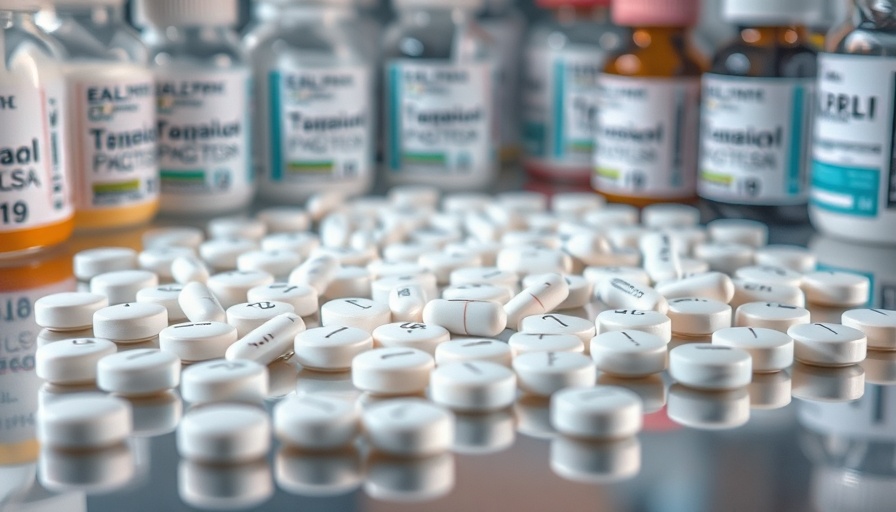
Array of tablets illustrating What Ivermectin Can Do with clinical setting.


Understanding Ivermectin: A Brief Overview

Ivermectin, a medication traditionally used to treat parasitic infections, has gained attention in recent years, particularly during the COVID-19 pandemic. While for many it has become synonymous with controversy, it's vital to understand both its historical context and the current landscape of its usage.

Historical Use and Scope of Ivermectin

This medication was first discovered in the late 1970s and has since been employed effectively against various parasitic diseases, such as river blindness (onchocerciasis) and lymphatic filariasis. Its formulation has been a game-changer in regions plagued by these infections, showing a clear benefit in public health.

Recent Controversies: Ivermectin and COVID-19

During the early days of the pandemic, interest in ivermectin surged, leading to discussions about its potential as a treatment for COVID-19. Scientific studies and anecdotal reports fueled hopes, although many of these claims lacked rigorous validation. Various health organizations, including the World Health Organization (WHO) and the U.S. Food and Drug Administration (FDA), have cautioned against its use for COVID-19 without strong clinical evidence.

The Science Behind Ivermectin: What Works and What Doesn’t

Current evidence supports ivermectin's efficacy within its approved indications, while its effectiveness for viral infections remains unproven. Early research hinted at possible antiviral properties, but subsequent findings emphasized significant limitations. A recent synthesis of available data indicated that ivermectin does not significantly reduce mortality or hospitalization rates from COVID-19, reaffirming its primary use for targeting parasitic infections.


Medical professionals


Public Perception and Misunderstandings

The debate surrounding ivermectin often stems from misunderstandings regarding its use. It has raised significant concern among medical professionals who worry that misinformation could lead to misuse and self-treatment. The gap between anecdotal narratives and clinical realities serves as a basis for this disconnect, emphasizing the importance of relying on scientific consensus.

The Role of Healthcare Providers in Education

Healthcare professionals play a crucial role in educating patients about medications, including ivermectin. They are uniquely positioned to discuss its established uses and address concerns transparently to combat misinformation effectively. Encouraging open dialogue helps patients understand why certain treatments are recommended over others.

Future Directions: Regulation and Research

As the scientific community continues to evaluate the potential of ivermectin for broader applications, regulatory bodies must ensure that any claims regarding its efficacy are substantiated by robust clinical trials. Future research might uncover new avenues for ivermectin's use, but any emerging guidelines should remain grounded in evidence-based medicine.

In conclusion, understanding what ivermectin can and cannot do is crucial for patients and healthcare providers alike. By fostering accurate communication and relying on credible sources, we can demystify this medication’s role in modern medicine. Stay informed, and always consult with healthcare professionals before considering any treatments.


General Health Medicines & Supplements

Write A Comment

*
*
Related Posts All Posts

The "Worst Headache of My Life": Is it a Brain Aneurysm?

Few experiences are as terrifying as facing the worst headache of your life, unaware if it signals a brain aneurysm. This article guides you through understanding symptoms, risks, and urgent steps, empowering you to protect yourself and loved ones when every moment counts.If you’ve ever felt a sudden, severe headache unlike anything before, you’re not alone in your concern. Every year, thousands of people mistake warning headaches for everyday migraines or tension headaches—yet, in some tragic cases, this pain signals a medical emergency. Understanding the signs and risk factors of a possible brain aneurysm can mean the difference between life, lasting disability, or death. Here’s your essential guide with facts, warning signs, prevention tips, and clear answers to the most pressing questions about brain aneurysms.Understanding a Brain Aneurysm: Definition and BasicsA brain aneurysm—also medically referred to as a cerebral aneurysm—is a weak or thin spot in a blood vessel in the brain that balloons out and fills with blood. This bulging area in the brain’s blood vessels makes the vessel wall thinner and weaker, increasing the chance it could rupture and allow blood to leak into surrounding brain tissue. While many aneurysms never cause symptoms, a rupture is a true medical emergency, often resulting in a sudden, severe headache sometimes called a thunderclap headache.“When these aneurysms occur... people get a catastrophic headache. It's like a bomb going off in the head. And, in fact, about 15 percent of people drop dead when the aneurysm bursts.” — Dr. Henry Marsh, NeurosurgeonUnderstanding what a brain aneurysm is, how it compares to a cerebral aneurysm, and its common types provides clarity on why this condition is so serious. Addressing these basics first is critical—especially when early recognition of a potential brain aneurysm could help save a life.What is a Brain Aneurysm?A brain aneurysm is a bulge or ballooning area in the wall of an artery supplying blood to the brain. This weakness in the blood vessel wall can grow over time. Most often, brain aneurysms develop where blood vessels branch off and are under constant pressure from blood flow. When the vessel wall thins out, it can't withstand normal blood pressure, and there's a risk the aneurysm will burst. Not all brain aneurysms rupture.In fact, many remain undetected for years, only found while investigating other problems. But when a rupture occurs, blood spills into the brain tissue—usually leading to a type of stroke known as subarachnoid hemorrhage. This life-threatening event can happen at any age, but tends to occur more frequently in adults and is associated with specific risk factors like high blood pressure, family history, and smoking.Differences Between Cerebral Aneurysm and Brain AneurysmThe terms brain aneurysm and cerebral aneurysm are often used interchangeably by medical professionals and patients alike. Both refer to aneurysms occurring within the brain's blood vessels. The only difference is semantic: "cerebral" refers specifically to the cerebrum, the largest part of the brain, while "brain aneurysm" is the more general term used by the public. In practice, both describe the same life-threatening vascular problem requiring immediate attention if a rupture is suspected. It's crucial to recognize that aneurysms can occur in different blood vessels within the brain, which may alter the type, risk, and treatment options available.Common Types of Cerebral AneurysmsThere are several types of cerebral aneurysms, each defined by its shape and location. The most common type is the berry (saccular) aneurysm, which looks like a round berry and accounts for the majority of brain aneurysms. Fusiform aneurysms are less common and involve the widening of a blood vessel rather than a balloon-like bulge.Dissecting aneurysms develop when a tear in the vessel wall allows blood to enter the layers of the artery. Each type carries a different risk factor for rupture, and the management may differ. Regardless of type, the potential for a ruptured brain aneurysm exists if the vessel wall is significantly weakened and exposed to high blood pressure or other stressors.While understanding the warning signs and risk factors of brain aneurysms is crucial, it's equally important to recognize that other serious health conditions—such as certain tumors—can also present with subtle or overlapping symptoms. For a deeper look at how symptoms and risks manifest in another organ system, explore this comprehensive guide on bladder tumors, their symptoms, and treatment options.What You'll Learn About Brain AneurysmsKey facts and myths about brain aneurysmsIdentifying critical symptoms and understanding risk factorsSteps to take if you suspect a ruptured brain aneurysmAvailable diagnostic and treatment optionsIdentifying the "Worst Headache of Your Life": When to Suspect a Ruptured Brain AneurysmThe phrase "worst headache of your life" is often used by doctors to describe the hallmark warning sign of a ruptured brain aneurysm, a critical symptom indicating possible aneurysm rupture. This thunderclap headache strikes suddenly, often without warning, and peaks in intensity within seconds. But it's not the only symptom—others can help patients and families recognize an emergency and seek immediate help. Early recognition of symptoms can save brain tissue and prevent severe disability or death. This section outlines what to watch for and how brain aneurysm symptoms differ from those of migraines or tension headaches.Classic Symptoms of a Ruptured Brain AneurysmThe onset of a ruptured brain aneurysm almost always brings a sudden, severe headache that patients often call “the worst headache of my life.” This headache is so intense it can bring people to their knees and is frequently accompanied by nausea or vomiting, confusion, or even loss of consciousness. Some people experience sensitivity to light, stiff neck, or new neurological problems such as muscle weakness, problems speaking, or seizures. The classic symptom—a thunderclap headache—should never be ignored or “waited out,” as rapid action is necessary to protect brain tissue and blood flow.Thunderclap headache, nausea, loss of consciousnessNeck pain, visual disturbances, and seizuresOther Warning Signs of Brain AneurysmsNot all brain aneurysms announce themselves with dramatic symptoms before rupture. Other warning signs might be subtle and include vision changes, drooping eyelid, dilated pupil, or pain above or behind the eye. Some people report double vision, facial numbness, or stiff neck. These symptoms happen when the aneurysm presses on nearby brain tissue or nerves, sometimes long before a rupture.Recognizing less obvious warning signs means knowing your body and seeking medical evaluation if changes occur suddenly and don’t improve. With many risk factors—such as family history, high blood pressure, and smoking—being common, identifying even mild symptoms may allow timely diagnosis of a potentially life-threatening condition.Key Risk Factors for Brain Aneurysms and Cerebral AneurysmsUnderstanding your personal risk factors for developing a brain aneurysm or cerebral aneurysm can empower you to make better lifestyle choices and seek timely screening. Some risk factors are genetic, while others arise from lifestyle habits or underlying health issues. The more factors you have, the higher your risk of developing aneurysms—or facing an aneurysm rupture. Proactive awareness is the first step to reducing your risk and potentially preventing a life-threatening event.Understanding Risk Factors: Genetic and LifestyleSeveral key risk factors significantly increase the likelihood of developing brain aneurysms or cerebral aneurysms. A family history of aneurysms is one of the strongest genetic indicators. Lifestyle factors such as smoking, excessive alcohol use, and chronic uncontrolled high blood pressure can weaken blood vessel walls and cause repeated stress, promoting aneurysm development and growth.Certain other conditions—like polycystic kidney disease and connective tissue disorders—can also make vessels more prone to forming aneurysms. Age and gender play a role, as brain aneurysms are more common in adults and occur more frequently in women. Recognizing and managing these risk factors, especially blood pressure, is vital to lowering your long-term risk.Family history, hypertension, smoking and alcohol useAge, gender, and certain medical conditionsIdentify Your Personal Risk: Self-Assessment ChecklistAssessing your own risk for brain aneurysms starts by considering both your family medical history and lifestyle factors. Do you have close relatives who’ve suffered from aneurysm rupture, subarachnoid hemorrhage, or sudden, unexplained death? Are you a smoker, or do you have high blood pressure that’s only partly controlled?Have you been diagnosed with chronic diseases that affect blood vessels? By answering questions related to these risk factors, you gain a clearer picture of whether you should seek medical evaluation or lifestyle changes to reduce your risk of a cerebral aneurysm or rupture. Regular check-ups and honest communication with your healthcare provider are crucial steps.Unruptured Brain Aneurysms: Recognizing Subtle SymptomsMost unruptured brain aneurysms remain undetected until found during imaging performed for unrelated symptoms. Still, a minority of unruptured aneurysms produce symptoms by pressing on nearby brain tissue or nerves. Recognizing subtle changes—such as headaches, vision problems, or numbness—can lead to early diagnosis and proactive management. Early treatment significantly reduces the risk of rupture, making awareness and vigilance extremely important.Symptoms of an Unruptured Brain AneurysmUnruptured brain aneurysms rarely produce warning headache or thunderclap symptoms. Instead, individuals may notice persistent mild headaches, blurry or double vision, pain above or behind one eye, or slight changes in speech or coordination. Sometimes cranial nerve palsies—such as drooping eyelids or a change in facial sensation—occur if the aneurysm presses on a cranial nerve.Even small aneurysms can provoke subtle symptoms, especially when located near sensitive brain tissue. Early medical investigation is crucial, as prompt diagnosis of an unruptured aneurysm allows for intervention before rupture, preventing major complications.Headaches, visual changes, and cranial nerve palsiesWhy Early Detection of Unruptured Brain Aneurysms MattersDetecting an unruptured brain aneurysm before any bleeding occurs can be lifesaving. This is especially true in people with high-risk factors, such as family history or known vascular diseases. When discovered early, healthcare providers can monitor the aneurysm’s size and shape or recommend preventive treatment options.Early detection allows for surveillance, potential elective surgery, or lifestyle changes that reduce the risk of rupture. Since rupture can lead to brain damage or death, proactive detection and intervention are crucial strategies for protecting long-term quality of life.Consequences of an Aneurysm Rupture: Outcomes and PrognosisA ruptured brain aneurysm can have devastating effects in both the short-term and long-term. When a brain aneurysm ruptures, blood leaks into the brain tissue, causing a subarachnoid hemorrhage. Prompt medical attention is essential, but despite the best care, survivors often face extensive recovery and lasting disability. Knowing the prognosis and potential complications helps families make informed decisions quickly in a crisis.Short-Term and Long-Term Effects of a Ruptured Brain AneurysmImmediately after a rupture, many patients lose consciousness or suffer a sharp decline in function. Survivors of initial bleeding must contend with deficits caused by loss of blood flow to brain tissue. Early effects can include stroke, hydrocephalus (fluid on the brain), vasospasm (narrowing of blood vessels), seizures, and elevated risk of another aneurysm rupture.Even after stabilization, patients face significant long-term challenges such as memory problems, trouble with movement, speech difficulties, and emotional or behavioral changes. Survival and recovery depend on how quickly treatment is received, the location and size of the aneurysm, age, and general health before the rupture.Survival Rates for Brain Aneurysm RuptureNot all individuals survive a ruptured brain aneurysm, but rapid diagnosis and treatment greatly improve outcomes and survival rates. Approximately one-third of people with a ruptured brain aneurysm die before reaching the hospital. Another third survive with moderate to severe disability, while the final third may fully recover with prompt and skilled care. Factors like age, location of the aneurysm, and how quickly treatment is received can influence survival and prognosis. New treatments and advanced surgical techniques continue to improve these odds.Outcomes after Brain Aneurysm Rupture: Survival and Disability StatisticsOutcomePercentage of PatientsDeath before reaching hospital~30-40%Survive with moderate/severe disability~30-35%Full recovery or minor disability~25-30%Diagnosing a Brain Aneurysm: What to ExpectWhen brain aneurysm symptoms, such as sudden severe headache or vision changes, are present, immediate medical evaluation is required. Accurate and timely diagnosis is essential to improve prognosis and determine the best treatment. Modern imaging and hospital protocols streamline this process, saving critical time in an emergency and ensuring the best possible care and recovery.Diagnostic Process for Suspected Cerebral AneurysmEvaluation for a suspected cerebral aneurysm involves several steps. The first test is often a CT scan to detect blood in the brain. If results are unclear, a lumbar puncture may identify bleeding not seen on imaging. MRI or MRA (magnetic resonance imaging/angiography) offer more detail for subtle aneurysms or smaller bleeds.The definitive test is usually a cerebral angiogram, where contrast dye maps blood vessels and highlights any abnormalities, including aneurysms. Prompt diagnosis through these methods helps doctors choose appropriate treatments and reduces the risk of long-term brain injury or fatal rupture. Immediate assessment and action are critical whenever thunderclap headache or neurological symptoms appear.CT scan, MRI, lumbar puncture, angiographyThe Importance of Immediate Medical Attention for Brain Aneurysm SymptomsIf you or a loved one experiences the sudden onset of the “worst headache ever,” vision loss, drooping face, numbness, or sudden confusion—key symptoms of a ruptured brain aneurysm—call emergency services immediately. Every minute counts. Rapid intervention helps save brain tissue, prevent permanent damage, and drastically improve the chance of survival after a brain aneurysm rupture. Do not wait for symptoms to improve or rely on home remedies with such a critical emergency. If in doubt, seek medical attention as soon as possible.“An aneurysm is a blowout on one of the arteries not usually in the brain but immediately underneath the brain... If you imagine the inner tube of a bicycle tire—if there's a weak patch, and you blow the tire up hard, that weak patch will start to bulge out like a little blister and then become a balloon. And then, one day, it will burst. And a very similar process happens if people have a weakness in, usually, a branch point of one of the arteries.” — Dr. Henry Marsh, NeurosurgeonTreatment Options for Brain Aneurysms and Cerebral AneurysmsModern medicine offers several options to treat both ruptured and unruptured brain aneurysms. Treatment depends on size, location, symptoms, and individual risk factors. The goal is to prevent rupture if unruptured, or stop bleeding and save as much brain function as possible in the event of a rupture. Below are the main procedures and interventions used by neurologists and neurosurgeons today.Surgical Clipping and Endovascular CoilingTwo main surgical techniques used to treat brain aneurysms and cerebral aneurysms are surgical clipping and endovascular coiling. In surgical clipping, a neurosurgeon places a tiny metal clip at the base of the aneurysm, cutting off blood flow to prevent further expansion or rupture. Endovascular coiling is less invasive and uses a catheter inserted through an artery, guiding platinum coils into the aneurysm sac to induce clotting and block it from circulation.Both procedures come with risks—bleeding, infection, or stroke—but are life-saving when tailored to the patient's specific condition. The choice of procedure depends on aneurysm size, location, and the patient’s health profile.How procedures are performed and associated risksManaging Unruptured Brain Aneurysm: Observation vs. InterventionFor unruptured brain aneurysms, doctors carefully assess several risk factors—including aneurysm size, location, patient age, and medical history—before recommending observation or active intervention. Small aneurysms without symptoms may be safely observed with regular imaging to monitor for growth.Larger or symptomatic aneurysms usually warrant preventive surgery or endovascular treatment to reduce the risk of rupture. The decision is highly individualized, aiming to balance treatment benefits against procedural risks. Ongoing monitoring and lifestyle adjustments play a vital role in managing overall risk, especially in those with underlying health issues like high blood pressure or genetic predispositions.Reducing Your Risk: Brain Aneurysm Prevention StrategiesWhile not all brain aneurysms can be prevented, adopting certain lifestyle habits and working with your doctor to control blood pressure, cholesterol, and other diseases can lower your risk. Proactive choices can make a significant difference, especially for those with a family history or existing aneurysms. Awareness of your own risk factors—genetic and environmental alike—enables prevention strategies that may preserve brain health for years to come.Lifestyle Changes to Lower Your Risk of Cerebral AneurysmsSimple, everyday choices can have a lasting impact on your risk of developing brain and cerebral aneurysms. Maintaining a healthy blood pressure is paramount—this single factor greatly reduces the overall risk. Regular physical activity, a balanced diet low in saturated fats, quitting smoking, and avoiding excessive alcohol also strengthen blood vessel walls and bolster vessel integrity.Routine medical check-ups for cholesterol, diabetes, and heart disease help identify new risk factors early, and long-term control of chronic diseases provides added protection. Remember, knowledge and prevention now may save your life, or a loved one's, in the future.Controlling blood pressure, quitting smoking, regular check-upsMedical Monitoring for High-Risk IndividualsPeople with a strong family history of aneurysms, known vascular diseases, or predisposing genetic conditions should consider periodic brain imaging and regular consultation with a neurologist. Medical professionals may use non-invasive tests—like MRA or CTA—for screening in high-risk groups. Early detection and preventive management reduce both the likelihood and the impact of a potential aneurysm rupture. If you fall into one of these risk groups, proactive communication with your healthcare provider is critical.Expert on Ruptured Brain Aneurysm EventsUnderstanding the mechanics of a brain aneurysm rupture—the moment when a blood vessel wall breaks, and blood rushes into the brain—is key to appreciating why this event is so dangerous. This expert animation provides a step-by-step visualization, explaining how blood vessel wall thinning leads to rupture, the cascade of injury to brain tissue, and why immediate emergency response is essential for survival and recovery."Timely intervention for a ruptured brain aneurysm can be the difference between life and death." — Leading NeurosurgeonLatest Innovations in Cerebral Aneurysm Surgical TechniquesNeurosurgeons and researchers have transformed brain aneurysm care with advanced techniques like flow-diverting stents, minimally invasive endovascular coiling, and precision-guided surgical clipping. These technologies reduce procedure times, lower the risk of complications, and expand treatment access for patients previously considered inoperable. Advancements in imaging, monitoring, and post-procedure care continue to improve survival rates and quality of life for those facing cerebral aneurysms and their rupture.People Also Ask About Brain AneurysmsCan someone survive a brain aneurysm?Yes, survival is possible after a brain aneurysm rupture, especially with immediate medical care. While the survival rate depends on the size and location of the aneurysm and how fast treatment is given, about 25% to 30% of patients survive with minimal or no disability. However, it’s important to note that roughly 30% to 40% of cases result in sudden death before reaching the hospital.Survival After Brain Aneurysm: What the Data ShowsData indicates that early detection, rapid hospitalization, and modern surgical or endovascular treatment greatly enhance survival odds. Those who receive timely intervention have a far better prognosis compared to those who delay treatment. Factors influencing survival include age, general health, and the extent of bleeding.What is the life expectancy of a person with a brain aneurysm?Many people live normal, full lives with an unruptured brain aneurysm, especially if they manage risk factors such as high blood pressure and refrain from smoking. If an aneurysm remains intact and stable in size, routine monitoring and lifestyle adjustments are typically all that’s needed. After rupture and successful treatment, patients may experience varying degrees of disability, but ongoing rehabilitation can maximize recovery.Prognosis and Follow-up for Brain Aneurysm PatientsFor individuals with a treated or monitored aneurysm, regular check-ups and brain imaging help ensure stability and early detection of any changes. Lifestyle modifications and medical guidance are crucial for reducing the risk of a subsequent rupture and prolonging life expectancy.How to avoid aneurysms in the brain?You can reduce the risk of developing brain aneurysms by controlling your blood pressure, not smoking, eating a balanced diet, and exercising regularly. Avoiding substance abuse and excessive alcohol also helps maintain healthy blood vessels. If you have a family history of cerebral aneurysm or related conditions, consult your doctor about screening and proactive prevention strategies.Critical Prevention Tips for Brain AneurysmsRegular health checks, a heart-healthy lifestyle, and early medical consultations for headaches or neurological changes are the foundation of brain aneurysm prevention. Lowering your risk factors and staying informed can make all the difference.What are the warning signs of a brain aneurysm?Key warning signs include a sudden severe headache, neck pain, nausea or vomiting, vision changes, and sudden onset of neurological symptoms such as weakness, difficulty speaking, or confusion. In rare cases, you may notice facial numbness or drooping. If these symptoms appear, seek emergency medical help right away.Recognizing Warning Signs Early: When to Seek HelpNever ignore a sudden, severe headache or unusual combination of neurological symptoms. Rapid action could save your life, minimize brain tissue loss, and improve chances of full recovery after a brain aneurysm rupture.Frequently Asked Questions About Brain AneurysmsAre brain aneurysms hereditary? Yes. They can run in families, especially when two or more close relatives are affected. If in doubt, seek screening advice from your doctor.Can a brain aneurysm heal itself? Some small aneurysms may remain stable for years without treatment, but true healing without medical intervention is rare. Ongoing monitoring is essential.What triggers aneurysm rupture? Sudden increases in blood pressure, intense physical exertion, or emotional stress can provoke a rupture in weakened vessels.What is the difference between aneurysm and stroke? Aneurysm refers to the weakened, bulging blood vessel, while a stroke is the event—often caused by aneurysm rupture—that damages the brain.Are there screening tests for cerebral aneurysms? Yes. MRI and CT angiography can detect aneurysms, particularly in high-risk individuals or those with neurological symptoms.Key Takeaways on Brain Aneurysm AwarenessSudden, severe headache can be a sign of brain aneurysm ruptureKnow your risk factors and monitor for symptomsSeek immediate medical attention for suspicious symptomsTreatment options exist for both ruptured and unruptured brain aneurysmsProtect Yourself and Loved Ones: Share This Brain Aneurysm ResourceAwareness saves lives. Share this resource with your family, friends, or anyone you know who may be at risk—early action and knowledge can make a world of difference.Stay vigilant: recognize symptoms, know your risk, and always seek help fast for suspicious headaches or neurological changes.If you’re committed to making informed choices about your health, consider broadening your understanding of how daily habits and lifestyle factors influence your overall well-being. For instance, many people are surprised to learn that the popular “10,000 steps a day” rule isn’t the only path to better health—there are more flexible, science-backed approaches to staying active and supporting vascular health.Discover practical strategies and the latest insights in this article on why 10,000 steps a day isn’t essential for health. Taking a holistic view of prevention and wellness can empower you to protect your brain, heart, and body for years to come.SourcesAmerican Stroke Association – https://www.stroke.org/Centers for Disease Control and Prevention – https://www.cdc.gov/stroke/brain_aneurysm.htmMayo Clinic – https://www.mayoclinic.org/diseases-conditions/brain-aneurysm/Experiencing a sudden, severe headache—often described as the “worst headache of my life”—can be alarming and may indicate a serious condition such as a brain aneurysm. A brain aneurysm is a bulge or ballooning in a blood vessel in the brain, which can rupture and lead to life-threatening complications. Understanding the symptoms, risk factors, and treatment options is crucial for early detection and management.For comprehensive information on brain aneurysms, including their causes, symptoms, and treatment options, the Mayo Clinic provides an in-depth overview. Their resource covers essential aspects such as the definition of aneurysms, potential complications, and preventive measures. (mayoclinic.org)Additionally, the National Institute of Neurological Disorders and Stroke offers detailed insights into cerebral aneurysms, discussing types, symptoms, and current research efforts. This resource is valuable for understanding the medical and scientific perspectives on brain aneurysms. (ninds.nih.gov)If you’re serious about understanding brain aneurysms and their implications, these resources will provide you with authoritative and up-to-date information to guide your knowledge and decision-making. NCWellnessHub.com

Creatine Micronized vs Monohydrate: Which Boosts Muscle Fast?

Wondering which creatine type truly accelerates muscle growth? Choosing between micronized creatine and creatine monohydrate can be confusing, but understanding their unique benefits could transform your fitness results. Ready to discover which one powers your muscles faster? Let’s break down the science and find your perfect match.Accelerating Muscle Growth: The Essentials of Creatine Micronized vs MonohydrateFor anyone with fitness goals centered on muscle growth, the choice of creatine micronized vs monohydrate matters more than most realize. Both creatine monohydrate and micronized creatine are widely regarded as the best creatine supplements for muscle mass, strength, and athletic performance, but subtle differences in particle size and solubility can affect how quickly and comfortably you see results. Creatine monohydrate, known as the gold standard, is praised for its effectiveness and long research history. However, micronized creatine—a form created by breaking down standard creatine into smaller particles—has made a strong case for itself by improving solubility, absorption, and digestive comfort.The scientific consensus supports both creatine monohydrate and micronized creatine for boosting adenosine triphosphate (ATP) production, the core energy production source for muscle contraction and explosive power. But how do differences in particle size, mixability, and side effect profiles translate to your gym progress? In this resource, we analyze the science, compare benefits, and clarify how to match the right creatine supplement to your needs—whether you’re lifting for mass, chasing new personal records, or simply aiming to recover faster.Why Your Choice of Creatine Matters for Fitness GoalsWondering which creatine type truly accelerates muscle growth? Choosing between micronized creatine and creatine monohydrate can be confusing, but understanding their unique benefits could transform your fitness results. Ready to discover which one powers your muscles faster? Let’s break down the science and find your perfect match.Creatine and creatine monohydrate have an unrivaled reputation in the sports nutrition space. For athletes and everyday lifters committed to maximizing muscle creatine saturation, even a small shift in solubility or ease of use can translate into significant gains—or spare you the frustration of bloating and gritty texture commonly reported with some powdered supplements.The micronized creatine process addresses these common side effects directly by producing much smaller particle sizes. This means a smoother drink, fewer undissolved bits at the bottom of your shaker, and potentially less gastrointestinal discomfort.With hundreds of supplements vying for attention, understanding the trade-offs between classic and upgraded forms of creatine ensures you’re investing your time, effort, and budget into the approach that works best for your body and fitness goals.What You'll Learn: Navigating the Difference Between Creatine Micronized vs MonohydrateHow creatine micronized vs monohydrate compares for muscle gain and performanceThe effects on solubility, absorption, and side effect profilesWhich form aligns best with your fitness goalsFAQs and myths debunkedCreatine at a Glance: The Science Behind Creatine SupplementationEnergy Production and Muscle Performance: The Role of CreatineCreatine supplementation is not just about building bigger muscles—it’s about energy production at the cellular level. In muscle tissue, creatine acts as a buffer and quick energy donor by helping regenerate ATP, the molecule that fuels muscular contraction. During high-intensity weightlifting, sprinting, or explosive sports, ATP depletes rapidly. Supplementing with creatine, especially in easily absorbed forms, allows muscles to replenish these energy stores faster—delaying fatigue and boosting strength and power output.The extra availability of creatine in your body means better performance, whether that’s finishing more reps, sprinting farther, or recovering faster between sets. This is why creatine, particularly creatine monohydrate and its micronized creatine evolution, has become a staple in the fitness world. Few supplements are as consistently linked to improved muscle mass, weight gain (via water retention within muscle cells and muscle protein synthesis), and repeated-bout sports performance.If you're interested in optimizing your muscle health and overall mobility, especially as you age or recover from injury, you might also find value in exploring beginner-friendly hip mobility exercises designed to support joint function and alleviate arthritis symptoms. Integrating mobility work with your supplementation routine can further enhance your performance and long-term results.Creatine Monohydrate: The Gold Standard in Sports NutritionAsk any seasoned coach or sports scientist, and you’ll hear the same message: regular creatine monohydrate is the most tested, trusted, and effective form of creatine available today. This “gold standard” has decades of research backing its safety, efficacy for muscle gain, and reliable boosts in athletic performance. What makes it so popular? Its simple derivation, cost-effectiveness, and almost universal response—virtually everyone who takes creatine monohydrate sees some benefit in muscle creatine saturation and exercise output.While some users experience mild side effects like bloating or water retention, these are typically minor and can be controlled with dosing adjustments. The overwhelming body of evidence, including widespread use among Olympians and top-tier athletes, supports creatine monohydrate as the foundation of any serious creatine supplementation protocol.Micronized Creatine vs Monohydrate: Structure, Solubility, and AbsorptionUnderstanding Particle Size in Micronized Creatine and Creatine MonohydrateThe magic behind micronized creatine comes down to particle size. Traditional creatine monohydrate consists of relatively large particles—great for effectiveness, but not always ideal for mixing or absorption. Micronized creatine monohydrate is processed into much smaller particle sizes, dramatically increasing its surface area and improving solubility and absorption without altering its molecular structure. This difference can be felt instantly: micronized powders blend into water much more easily, reducing the “gritty texture” so many regular creatine users complain about.How does this affect your body? Smaller creatine particles may offer improved dissolution and faster movement through your digestive system, potentially reducing the risk of gastrointestinal discomfort or bloating. For those who struggled with the unpleasant experience of drinking regular creatine—and especially for anyone increasing their dose during a loading phase—this innovation can make supplementation far more enjoyable and consistent.Solubility and Absorption: How Formulation Affects ResultsSolubility and absorption are key factors in determining just how efficiently your body utilizes any creatine supplement. Micronized creatine’s fine powder disperses nearly instantly in water, resulting in a smoother texture and reduced sediment. This isn’t simply about convenience—improved solubility often corresponds to better absorption rates and fewer reports of undigested powder (and related discomfort). In contrast, traditional creatine monohydrate is effective but can leave noticeable clumps or settle at the bottom of your shaker, making for a less pleasant experience.Both micronized creatine and regular creatine monohydrate provide your body with creatine ions, ready to replenish spent ATP and supercharge your workouts. But if you’re after a form of creatine that not only dissolves well but also sits easily in your stomach and minimizes the risk of bloating, the advantage tilts toward micronized versions—especially when hydration and consistent dosing are priorities.Key Differences Between Creatine Micronized vs MonohydrateDistinctionMicronized CreatineRegular Creatine MonohydrateParticle SizeSmallerLargerSolubilityExcellentModerateTypical Dosage3-5g3-5gSide Effect ProfileLow (with water)Occasional bloatingFitness Goals: Muscle Growth, Strength, and BeyondCreatine Supplementation and Mass Gain: What Studies SuggestA wealth of clinical evidence demonstrates the positive role of creatine supplementation on muscle mass and weight gain. Supplementing with any effective form, such as micronized creatine or monohydrate, increases muscle creatine stores, supporting longer, more powerful workouts and more rapid recovery. Several studies confirm that subjects using creatine experience greater gains in fat-free muscle mass and improved training volume than those relying on exercise alone.This is particularly significant during bulking phases, where every ounce of muscle gain is hard won. The accompanying water retention that comes with initial creatine use can boost cell volume and give muscles a fuller look, reinforcing progress and motivation. Ultimately, the choice of micronized or standard monohydrate is less about one “building muscle faster” and more about which method keeps you consistent, comfortable, and confident.Strength Increase: The Edge of Creatine Micronized vs MonohydrateBoth forms of creatine improve strength and power, but how they feel in practice can differ. Micronized creatine may help lifters by delivering a supplement that mixes more cleanly in water and is less likely to cause gastric upset, increasing adherence to supplementation protocols. Athletes engaged in sports where every repetition or sprint counts will likely see performance improvements, regardless of form, provided they maintain proper dosing and hydration.Increased ATP/energy productionImproved weight gain and muscle massEnhanced workout performanceWhichever form you select, keep in mind that consistency—taking your daily dose, maintaining hydration, and combining your creatine supplement with resistance training—is key to maximizing results.Micronized Creatine: Benefits, Gold Standard Claims, and Popular UsesGold Standard or Marketing Hype? Reviewing Claims of Micronized CreatineIs micronized creatine truly a leap forward, or just clever marketing? Manufacturers tout its superior solubility, rapid absorption, and reduced prevalence of classic side effects like bloating or grit. While these claims are grounded in its smaller particle size and positive anecdotal feedback, it’s important to remember that the core chemical structure remains virtually identical to regular creatine monohydrate.Where micronized creatine monohydrate stands out is user experience. The improved mixing properties and smoother mouthfeel can make daily use more enjoyable—especially for those who disliked the texture or aftermath of standard creatine powder. These functional benefits may not change the underlying physiological impact (which is strong for both forms), but they certainly lower barriers to long-term use and compliance, helping lifters hit their fitness goals without excuses.Micronized Creatine Supplement: User Experiences and Expert OpinionsMany athletes, from bodybuilders to cross-training enthusiasts, report less gastrointestinal discomfort and quicker recovery times with micronized versions. This can help maintain supplement routines during demanding training blocks. Health professionals often recommend creatine supplementation for power and muscle-focused sports due to its proven benefits across different forms—justifying the “gold standard” moniker while acknowledging the comfort and palatability improvements of the micronized process."Micronized creatine has changed my recovery time—no stomach upset, just results." – National-level weightlifterCreatine Monohydrate: The Proven Classic for Creatine SupplementationWhat Research Says: Regular Creatine Monohydrate vs Newer FormsOver decades, creatine monohydrate has been validated as the safest, most efficient, and most cost-effective supplement for muscle growth and athletic performance. Research directly comparing monohydrate with newer forms—including micronized, ethyl ester, and buffered creatines—shows that standard monohydrate is just as effective (if not more so) at increasing muscle creatine content, power, and body composition.While fancy new forms may offer certain convenience benefits, such as improved solubility as seen with micronized creatine, virtually all meta-analyses show no statistically significant difference in actual muscle gain or strength under controlled conditions. This leaves regular creatine monohydrate as the “gold standard”: potent, predictable, and highly accessible for all levels of training.Side Effect Profile: Is There a Trade-off With Creatine Monohydrate?The main criticisms of creatine monohydrate relate to its mixability and rare side effects in sensitive users. Some athletes report bloating, water retention, or mild gastrointestinal discomfort during early use or “loading phases.” However, such side effects are typically minor and resolve with lower, divided dosing or improved hydration. Side effects are less about the molecule itself and more about improper mixing or excessive dosing.When used as recommended—3-5 grams daily with plenty of water—creatine monohydrate remains one of the safest and most studied form of creatine. The minor inconvenience of longer mixing time or mild stomach sensitivity is often outweighed by its proven benefits and unbeatable price point.Comparing Regular Creatine, Micronized Creatine Monohydrate, and Other FormsMicronized Creatine vs Regular Creatine Monohydrate: Head-to-Head ComparisonWhen it comes to achieving your fitness goals, both micronized creatine monohydrate and regular creatine monohydrate drive impressive results for muscle mass gains, strength and power, and athletic recovery. The real decision comes down to personal preference: do you value the familiar, time-tested experience of standard creatine, or are you willing to pay a bit more for a product that is more soluble and potentially easier on your digestion?There are also other forms of creatine on the market (creatine HCL, citrate, and more), but their efficacy and safety data are not consistently superior or as robust as monohydrate forms. Most trainers and dietitians continue to recommend creatine and creatine monohydrate as the primary tools for muscle building—micronized simply improves the ride.Creatine Forms Performance MetricsFormSolubilityBioavailabilityUser PreferenceMicronized Creatine MonohydrateHighExcellentGrowingRegular Creatine MonohydrateMediumExcellentClassicOther Creatine FormsVariesVariableNichePotential Side Effects and Weight Gain from Creatine SupplementationSide Effect Overview: Micronized Creatine vs MonohydrateMost users tolerate creatine supplementation very well, but it’s possible to experience side effects such as water retention, minor weight gain, or an unsettled stomach—especially in the early stages or if consuming insufficient fluids. Both micronized creatine and regular creatine monohydrate can cause side effects, though micronized’s superior solubility means less undissolved powder reaches your digestive tract, potentially reducing incidents of bloating or discomfort.While the science suggests that severe or lasting side effects are rare with either form, it is important to follow proper dosing and stay hydrated. Sensitivity differs from individual to individual, so listen to your body and make adjustments as needed.Addressing Concerns: Mitigating Side Effects of Creatine SupplementationTo minimize the risk of side effects, always mix your creatine supplement thoroughly in water or another beverage and space your doses throughout the day if needed. Using micronized forms can help, but both types benefit from a gradual dosing (starting with 3–5g daily) and maintaining regular fluid intake. For those especially concerned about water retention, rest assured it is a natural effect of intracellular muscle filling, often reflecting positive muscle hydration and volume, not fat gain.If gastrointestinal discomfort persists, try a lower dose or switch formulations. Consulting a sports nutrition specialist or registered dietitian can also help personalize your creatine supplementation approach.How to Choose: Creatine Micronized vs Monohydrate for Your Fitness GoalsFactors to Consider: Budget, Tolerance, and ResultsThere’s no one-size-fits-all “best” when it comes to creatine micronized vs monohydrate. Here’s what matters most:Budget: Regular creatine monohydrate is less expensive per serving, while micronized forms cost more for improved convenience.Tolerance: If you’re prone to bloating or dislike gritty textures, micronized creatine’s small particles and high solubility may offer a smoother experience.Results: Both options deliver substantial muscle, strength, and performance benefits—choose what keeps you consistent.Additional factors like brand reputation, flavor, and mixability can also play minor roles in your decision. Ultimately, your daily habits, training program, and dietary consistency will drive your results far more than the specific type of creatine you use.Who Should Choose Which? Recommendations for Athletes and Everyday LiftersFor those with a history of gastrointestinal discomfort or who value easy, quick mixing, opt for micronized creatine. Competitive athletes who travel or need ultimate convenience often find this form more practical as well. If you’re bulk supplementing, have no digestive issues, or simply prefer to stick with the most studied form, regular creatine monohydrate is your best bet—it’s the industry gold standard for a reason.Beginners can start with either, but may prefer micronized for better tolerance and initial motivation. Advanced lifters and budget-conscious users often stick with monohydrate for its unbeatable price-to-performance ratio, and switch up only if side effects or mixability concerns emerge over time.Video Overview: Visual Comparison of Creatine Micronized vs Monohydrate Mixability and UsePeople Also Ask: Creatine Micronized vs Monohydrate—Your Top QuestionsWhich is better creatine monohydrate or micronized?While both creatine monohydrate and micronized creatine provide similar muscle-boosting effects, micronized creatine offers superior solubility and is gentler on the stomach. Creatine monohydrate, however, remains the most researched and trusted option. Your goals and preference for solubility may influence your choice.What is special about micronized creatine?Micronized creatine features much smaller particle size, which increases its solubility and speeds up absorption. This can make it easier to digest and less likely to cause stomach discomfort compared to standard creatine monohydrate.Which type of creatine is best?For the majority, creatine monohydrate is considered the gold standard due to scientific backing and cost-effectiveness. Yet, those with sensitive stomachs or solubility preferences may benefit from micronized creatine.Is it better to take micronized creatine?If you struggle with mixing regular creatine or experience GI upset, micronized creatine is often a better choice due to its improved dissolvability and reduced risk of discomfort.Key Takeaways: Choosing Between Creatine Micronized vs MonohydrateCreatine monohydrate is a trusted standard for muscle growth and performanceMicronized creatine offers enhanced solubility and reduced side effectsYour fitness goals, digestive tolerance, and budget matter mostFAQs: All About Creatine Micronized vs MonohydrateDoes micronized creatine work faster than regular monohydrate?While absorption may be slightly faster for some, real-world muscle growth is comparable if taken consistently with proper hydration.Are side effects less common with micronized creatine?Many users experience less bloating and stomach issues, but effects depend on individual chemistry and hydration habits.Is micronized creatine worth the higher price?If enhanced mixability and smoother digestion help you stick with supplementation, the slight price bump can be worthwhile.Can creatine supplementation help with endurance as well as strength?Yes, by boosting ATP availability, creatine aids short bursts of high-intensity activity. Benefits for pure endurance are less pronounced but real.Should beginners choose micronized or monohydrate?Both are excellent for starters—consider micronized if you’re worried about bloating, otherwise go with classic monohydrate for best value.Expert Recommendations and Final ConsiderationsMaking the Best Choice: A Science-Driven Approach to Creatine SupplementationThe data is clear: consistent, science-backed creatine use yields superior muscle performance. Whether you choose micro- or monohydrate, prioritize what fits your budget, digestive needs, and long-term fitness plan."Regardless of the form, consistent creatine supplementation shows remarkable benefits for muscle performance. Choose what fits your lifestyle best." – Sports Nutrition PhDReady to accelerate your results? Discover the best creatine for your goals—shop top-rated micronized and monohydrate supplements now!As you continue to refine your supplementation and training strategies, it's important to recognize that muscle health and strength are just one part of the bigger picture—especially as we age. If you're curious about the underlying reasons why leg strength can decline over time and want to uncover proactive ways to maintain mobility and vitality, take a deeper dive into the hidden truths behind why legs get weaker after 60.This resource offers valuable insights and actionable tips to help you stay strong, active, and resilient for years to come—empowering you to make the most of your fitness journey at any stage of life.Conclusion: Choose the creatine form that works for your body and lifestyle—consistent use is the most powerful factor for long-term muscle growth and fitness success.When deciding between creatine monohydrate and micronized creatine, it’s essential to understand their similarities and differences to choose the best option for your fitness goals.Chemical Composition and EffectivenessBoth creatine monohydrate and micronized creatine share the same chemical structure, consisting of a creatine molecule bound to a water molecule. This composition has been extensively studied and proven effective in enhancing muscle mass, strength, and overall athletic performance.The primary distinction lies in the processing method: micronized creatine is creatine monohydrate that has been mechanically processed to reduce particle size, resulting in finer particles. This reduction in particle size improves solubility and mixability, making it easier to dissolve in liquids. (sxrebecca.com)Solubility and MixabilityThe smaller particle size of micronized creatine significantly enhances its solubility in water and other beverages. This means it dissolves more readily, reducing the likelihood of clumping or leaving a gritty residue at the bottom of your drink. In contrast, traditional creatine monohydrate may not mix as easily, potentially leading to a less pleasant consumption experience. (strongsupplementshop.com)Digestibility and Side EffectsImproved solubility of micronized creatine can also lead to better digestibility. Users often report fewer gastrointestinal issues, such as bloating or stomach discomfort, when using micronized creatine compared to regular creatine monohydrate. This makes micronized creatine a preferable option for individuals with sensitive stomachs. (mysupplementstore.com)Absorption and BioavailabilityWhile micronized creatine dissolves more easily, studies indicate that both forms are absorbed by the body with similar efficiency. The micronization process does not significantly alter the bioavailability of creatine; both forms effectively increase muscle creatine stores when taken consistently. (creatine.wiki)Cost ConsiderationsMicronized creatine typically comes at a higher price point due to the additional processing required to reduce particle size. If budget is a primary concern and you do not experience digestive issues with regular creatine monohydrate, the traditional form remains a cost-effective and reliable choice. (mysupplementstore.com)ConclusionBoth creatine monohydrate and micronized creatine are effective in supporting muscle growth and enhancing athletic performance. The choice between the two depends on personal preferences regarding solubility, digestibility, and budget. If you prefer a supplement that mixes easily and is gentler on the stomach, micronized creatine may be the better option. However, if cost-effectiveness and a long-standing track record are more important to you, traditional creatine monohydrate remains a solid choice. NCWellnessHub.com

Can Tight Pants Cause UTI? What You Must Know Now

Did you know tight pants can increase your risk of urinary tract infections? Wearing overly snug clothing creates a warm, moist environment where bacteria thrive—making urinary tract infections (UTIs) more likely. If you've ever questioned your wardrobe’s impact on your urinary tract health, this comprehensive guide provides the clarity you need.We dig into the scientific connection between tight clothing like skinny jeans or workout leggings and UTIs, revealing how your choices can protect or jeopardize your well-being. Discover actionable ways to prevent tract infections while maintaining both style and health.Can Tight Pants Cause UTI? Understanding Urinary Tract Infections and Clothing ChoicesThe popular trend of wearing tight clothes—jeans, leggings, and form-fitting athletic gear—has raised new questions about how fashion impacts health. In particular, concerns about whether tight pants can cause urinary tract infections are becoming more common, especially among women and those who prefer tight clothes for fashion or fitness. In this article, we take a close look at the relationship between your clothing choices, urinary tract infection risk, and practical steps you can take to protect your health. With research-backed evidence and insights from healthcare professionals, you'll be equipped to make informed choices about what you wear and how it influences your urinary tract.Wearing tight clothes may not be the sole cause of urinary tract infections, but it can certainly play a significant role in increasing UTI risk. The combination of warmth, moisture, and restricted airflow caused by snug garments creates an environment where bacteria such as Escherichia coli (E. coli) flourish. We’ll explain how this happens, break down common myths, and provide you with prevention strategies that go beyond just changing your wardrobe. By the end of this article, you’ll be empowered to enjoy the styles you love while keeping your urinary tract healthy.What You'll Learn About: Can Tight Pants Cause UTI and Urinary Tract HealthThe scientific connection between tight clothing and urinary tract infection riskMain mechanisms by which tight pants can contribute to tract infectionsKey prevention strategies focusing on clothing and hygieneCommon myths about tight clothes, yeast infections, and urinary tract infections debunkedWhat is a Urinary Tract Infection? The Basics on Urinary Tract and Tract InfectionsDefinition and Types of Urinary Tract InfectionsA urinary tract infection (UTI) is an infection that occurs in any part of the urinary system, including the kidneys, bladder, ureters, or urethra. Most UTIs develop in the lower part of the urinary tract—the bladder and urethra—but in some cases, infection can reach the kidneys and become more serious. UTIs are more common in women due to their anatomy, but men and children can also be affected.There are several types of UTIs:Cystitis (bladder infection): The most frequent type, characterized by inflammation of the bladder lining.Urethritis (urethra infection): Infection and irritation of the urethra, the tube that carries urine outside the body.Pyelonephritis (kidney infection): A serious infection of the kidneys, often resulting from untreated lower urinary tract infections.Symptoms and Common Causes of Urinary Tract InfectionsUTIs typically present with symptoms such as burning during urination, an urge to urinate frequently, cloudy or strong-smelling urine, pelvic pain, and—if left untreated—fever or back pain. In some cases, especially among the elderly or very young, symptoms may be mild or atypical, yet the risk of kidney involvement increases if not addressed. The most common causes of urinary tract infections include bacterial transfer from the rectum to the urethra (often by improper wiping—always wipe front to back), sexual activity, poor hygiene, certain contraceptive methods, and yes, tight clothing that traps moisture.While the urinary tract has natural defenses, factors like wearing tight clothes, prolonged use of wet bathing suits, synthetic underwear, and poor hydration can set the stage for harmful bacteria to survive and multiply. Additionally, health habits such as not drinking enough water, delaying urination, or using irritating soaps further increase UTI risk. Understanding these triggers allows you to take proactive steps to safeguard your urinary tract health.It's also worth noting that the impact of daily habits on your well-being extends beyond physical health. For example, exploring how positive routines like affirmations can support your overall wellness may complement your efforts to prevent infections. Learn more about the science behind affirmations and their role in boosting well-being in this evidence-based guide to affirmations and well-being.How Tight Pants Can Cause UTI: Examining the Evidence on Tight ClothingCan Wearing Tight Clothes Lead to Urinary Tract Infection?The short answer: yes, wearing tight clothes significantly increases your risk of urinary tract infections by creating a warm, moist environment. Clothing that is overly snug restricts airflow and traps body heat and moisture, particularly in the genital region. This environment is a breeding ground for bacteria like E. coli, the main culprit behind most tract infections. When you wear tight jeans, workout gear, or underwear made from synthetic fabrics, you’re likely creating a space where bacteria can multiply quickly.While UTIs have multiple causes, several studies and healthcare professionals have highlighted the link between tight clothing and an uptick in these infections. Individuals who regularly wear running tights, skinny jeans, or unbreathable undergarments—especially after sweating in workout gear or sitting in a wet bathing suit—are at even greater risk. The evidence suggests that making simple changes to your everyday clothing choices can play a major role in preventing unnecessary discomfort and potential health effects.The Role of Moisture, Heat, and Bacteria with Tight ClothesMoisture and warmth provide the perfect habitat for bacteria and yeast to flourish. When sweat and body heat are trapped by tight pants, leotards, or underwear, the microclimate in your genital area changes. Humidity cannot escape, leading to prolonged dampness—especially if you remain in wet or sweaty clothes after exercise or swimming. This build-up allows bacteria to migrate from skin or the rectum and climb up the urethra, increasing the risk for urinary tract infection.In addition, tight clothing can cause small skin abrasions or irritation, disrupting the skin’s natural protective barrier. Microtears make it easier for bacteria to invade deeper tissues and reach the urinary tract. For those with sensitive skin or existing conditions like eczema, this risk is higher.Wearing wet bathing suits for long periods, preferring tight clothes daily, or skipping regular clothing changes only adds to the problem. This is why medical professionals stress prompt changes after exercise or swimming and suggest opting for clothing made of breathable cotton.Scientific Studies on Wearing Tight Pants and Tract Infection RiskRecent research—including published studies in women’s health and primary care journals—confirms a significant correlation between tight clothing and an increased incidence of urinary tract infections. One study found that women who frequently wore tight pants or synthetic underwear experienced notably higher rates of both UTIs and yeast infections than those who wore looser, breathable garments. Scientists attribute this to greater skin-to-fabric friction, poor ventilation, and persistent moisture.Notably, the risk rises in warm climates and among individuals with more active lifestyles. Surgeons and gynecologists interviewed in primary care settings consistently recommend avoiding tight clothing after intense workouts, swimming, and during hot weather. Additionally, research supports simple interventions like choosing looser pants and immediate post-workout clothing changes as highly effective in reducing UTI recurrence. While other contributors such as hydration, sexual habits, and hygiene remain vital, clothing is a modifiable factor within your control.Comparison Table: Factors Contributing to UTIsFactorImpact on UTI RiskPrevention TipsTight ClothingTraps heat and moisture, promotes bacterial growthWear loose, breathable fabrics; change after sweatingPoor HygieneAllows transfer of bacteria from anus to urethraWipe front to back; regular cleansingHydrationLow fluid intake increases infection riskDrink plenty of water; urinate regularlySexual ActivityCan introduce bacteria to urinary tractUrinate after intercourse; practice safe sexWet ClothingProlonged dampness fosters bacteriaAvoid wearing wet bathing suits; change promptlyTight Pants, Yeast Infections, and Urinary Tract Infections: What's the Difference?Can Wearing Tight Clothes Cause Yeast Infection or Yeast Infections?Much like urinary tract infections, yeast infections can result from wearing tight clothes that trap moisture and heat. Yeast, especially Candida, thrives in warm, moist, and airless settings. When sweat and heat become trapped by leggings, tight underwear, or jeans, your natural skin flora is disrupted.This tilts the balance in favor of yeast overgrowth, leading to symptoms like itching, burning, and thick discharge. While yeast infections and UTIs share some risk factors, they impact different areas: yeast infections affect the skin and mucous membranes (mostly the vagina for women), while UTIs involve the urinary tract.It’s important not to confuse these two conditions. Many believe tight pants are a direct cause of both, when in reality, they simply create conditions that allow bacteria and yeast to flourish. Adopting smart hygiene habits—such as changing out of sweaty or wet bathing suits quickly, choosing breathable cotton underwear, and avoiding daily use of tight clothing—can reduce your risk of both yeast infections and UTIs. If symptoms persist or recur, consult a healthcare professional for proper diagnosis and care advice.Other Risks of Wearing Tight Clothing: Beyond Tract InfectionsPotential link between tight clothing and breast cancer (current research)Impact of tight clothes on skin and general hygieneGeneral discomfort and long-term health effectsThe dangers of wearing tight clothes extend far beyond urinary tract and yeast infections, including potential links to breast cancer. Some research is examining whether wearing tight clothes, such as tight bras or garments, could have links to breast cancer, although the evidence is currently inconclusive. Wearing tight clothes can also cause chafing, folliculitis, nerve compression, and other health effects such as poor circulation or reduced fertility in men. Poor hygiene and infrequent changing of sweaty clothing—often exacerbated by daily use of snug outfits or workout gear—are risk factors for additional skin infections and irritation.It is vital to balance fashion preferences with comfort and overall health awareness. Making informed choices regarding both the fit and fabric of your clothes plays a significant role in minimizing everyday health risks."Wearing tight clothes can create an environment that promotes bacterial and yeast growth, which may increase the risk for urinary tract infections and yeast infections." – Medical ExpertHow to Prevent UTIs When Wearing Tight Pants or Tight ClothingChoose breathable fabrics and loose-fitting clothes whenever possibleEnsure proper personal hygiene and regular clothing changesStay hydrated to flush out the urinary tractAvoid wearing wet or sweaty clothing for extended periodsPreventing urinary tract infections means taking simple, effective precautions with your wardrobe and daily habits. Select clothing made from natural fibers like cotton and linen, which allow the skin to breathe. Change out of sweaty gym clothes, wet bathing suits, or tight workout gear as soon as possible after use.Practicing good hygiene—wiping front to back, washing regularly, and not using harsh soaps—protects your urinary tract, especially if you’re sensitive to frequent tract infections. Experts also recommend drinking cranberry juice and plenty of water daily to support urinary health. By understanding how tight clothing contributes to tract infection risk, you empower yourself to make confident, healthy choices.People Also Ask: Your Questions on Can Tight Pants Cause UTI AnsweredCan you get a UTI from tight undies?Yes, wearing tight underwear—especially those made from synthetic fabrics—can increase your risk of urinary tract infections. Tight undies trap heat and moisture, fostering bacterial growth and making it easier for bacteria to migrate into the urinary tract. Opt for loose-fitting cotton underwear and change frequently for optimal protection.What are the 8 most common causes of UTIs?The most common causes of UTIs include: 1) poor personal hygiene (like not wiping front to back), 2) frequent sexual activity, 3) use of certain contraceptives such as diaphragms or lubricated condoms, 4) holding urine for long periods, 5) not drinking enough water, 6) diabetes or compromised immune system, 7) wearing tight clothes and synthetic underwear, and 8) prolonged use of wet bathing suits or sweaty workout gear.Can wearing tight pants affect your bladder?Yes, tight pants can put pressure on the lower abdomen and bladder. This extra pressure may increase the urge to urinate or contribute to bladder discomfort—even if a UTI is not present. Over time, it may exacerbate underlying conditions like interstitial cystitis or make urinary symptoms worse if you are already prone to tract infections.Can tight pants cause infection?Absolutely. Wearing tight pants—particularly if worn for long periods or when damp—can create the perfect conditions for both urinary tract infections and yeast infections. By trapping sweat and heat, these clothes encourage bacteria and yeast to multiply. Preventing infection requires choosing the right clothing, maintaining hygiene, and staying dry whenever possible.Targeted FAQs: Can Tight Pants Cause UTI and Related Urinary Tract QuestionsDoes wearing tight clothing increase risk for urinary tract infection?Are women more affected than men by tract infections from tight pants?Can regular use of tight clothes cause recurrent tract and urinary tract infections?Does wearing tight clothing increase risk for urinary tract infection?Yes, medical studies indicate that tight clothing can trap heat and moisture, significantly raising the risk of UTIs, especially when combined with other risk factors like poor hygiene.Are women more affected than men by tract infections from tight pants?Yes, women’s anatomy makes them more susceptible to tract infections, and tight pants or underwear can amplify this risk by making bacterial transfer more likely.Can regular use of tight clothes cause recurrent tract and urinary tract infections?If you experience frequent UTIs, wearing tight clothing might be a contributing factor. Recurrent tract infections can often be reduced by switching to looser, natural-fiber clothing and improving hygiene routines.Key Takeaways: Can Tight Pants Cause UTI? What You Should RememberWearing tight clothing, especially in warm and moist conditions, can increase the risk of urinary tract infection and yeast infectionsPrevention is possible through clothing choices and hygieneConsult a healthcare provider for recurrent tract infection symptomsConclusion: Rethink Tight Clothing to Protect Your Urinary TractChoose breathable, loose-fitting clothing and avoid wearing tight clothes to greatly reduce your UTI risk while staying stylish and comfortable.Ready to upgrade your health and wardrobe? Discover best practices for urinary tract protection today.As you continue to make informed choices for your physical health, remember that your overall well-being is shaped by many factors—including your mental and emotional state. If you’re interested in understanding how lifestyle changes, such as adjusting your wardrobe or daily habits, can also influence your mental health, take a deeper look at the broader impacts of isolation and self-care.Our in-depth article on the hidden costs of isolation and its effects on mental health offers valuable insights and practical strategies to help you thrive in every aspect of life. Exploring these connections can empower you to build a holistic approach to wellness—one that supports both your body and mind for the long term.SourcesCDC – https://www.cdc.gov/antibiotic-use/community/for-patients/common-illnesses/uti.htmlMayo Clinic – https://www.mayoclinic.org/diseases-conditions/urinary-tract-infection/symptoms-causes/syc-20353447NCBI – https://www.ncbi.nlm.nih.gov/pmc/articles/PMC6610441/Women’s Health – https://www.womenshealth.gov/a-z-topics/urinary-tract-infectionsHarvard Health – https://www.health.harvard.edu/womens-health/urinary-tract-infections-what-women-need-to-knowWearing tight clothing, such as skinny jeans or synthetic underwear, can create a warm, moist environment that promotes bacterial growth, potentially increasing the risk of urinary tract infections (UTIs). The Northern Inyo Healthcare District highlights that tight-fitting undergarments can trap moisture, allowing bacteria to multiply, and recommends opting for breathable fabrics like cotton to reduce this risk. (nih.org) Similarly,The Women’s Health Clinic advises that tight clothing, especially synthetic underwear or trousers, can increase moisture and warmth in the genital area, promoting bacterial growth and potentially raising UTI risk. (thewomenshealth.clinic) By choosing loose-fitting, breathable clothing and maintaining good hygiene practices, you can help minimize the likelihood of developing UTIs.NCWellnessHub.com

Terms of Service

Privacy Policy

Core Modal Title

Sorry, no results found

You Might Find These Articles Interesting

T
Please Check Your Email
We Will Be Following Up Shortly
*
*
*