


Did you know that lumbar fusion success rates can vary widely, significantly impacting recovery outcomes and overall quality of life more than you might think? Understanding these variations empowers you to make informed decisions and boosts your chances for a successful, pain-free future

Unlocking the Real Lumbar Fusion Success Rate: What Drives Outcomes
“The success rate for spinal fusion typically ranges from approximately 70% to 90%. This figure varies depending on the underlying condition and the surgical technique the doctor uses.” – Neurosurgeons of New Jersey, spine surgery group
The lumbar fusion success rate is one of the most crucial statistics to consider when exploring treatment options for chronic lower back pain, spinal instability, or degenerative disc disease. Recent medical advances have improved both the procedure and its outlook, but the success rates can differ significantly based on factors including patient age, underlying conditions, surgical approach, and the skill of your surgeon.
In routine practice, lumbar spinal fusion surgery is reported to help relieve back and leg pain while stabilizing unstable spinal segments caused by trauma, herniated discs, or progressive disc disease. While many individuals experience a high success rate, others may face persistent symptoms or require further spinal surgery due to complications like adjacent segment disease.
With some studies quoting a 70% to 90% success rate for single-level fusions, outcomes are promising but not guaranteed. By understanding the key factors behind lumbar fusion success rates—ranging from physical therapy adherence to proper patient selection—you can take proactive steps to maximize your recovery and improve your quality of life.

What You'll Learn About Lumbar Fusion Success Rate
What lumbar fusion success rate means in medical context
Crucial factors affecting spinal fusion outcomes
Latest data and real-world statistics on success rates
Physical therapy and long-term quality of life implications
Expert insights and patient experiences with lumbar fusion surgery
Understanding Lumbar Fusion: Procedure and Purpose
What is Lumbar Fusion Surgery and Who Needs It?
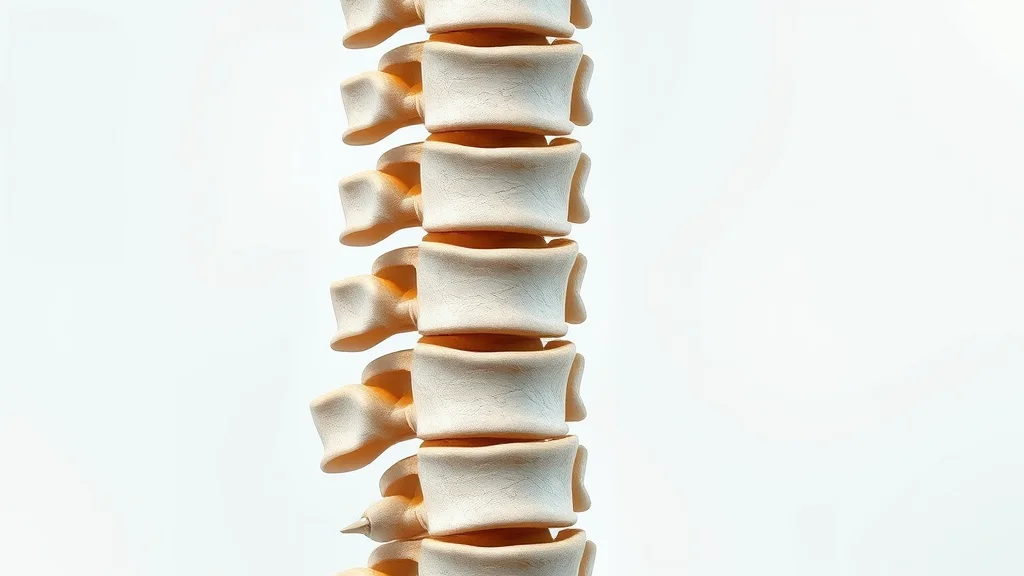
Lumbar fusion surgery is a specialized spinal fusion procedure designed to join two or more vertebrae in the lower back, allowing them to heal into a single solid bone. This fusion eliminates painful motion or instability—often the culprit behind persistent lower back or leg pain—by using a bone graft to promote new bone growth between the targeted segments. Doctors may recommend this procedure to patients whose pain hasn't improved with non-surgical treatment options, including physical therapy, medications, and lifestyle adjustments.
Candidates for lumbar spinal fusion usually present with degenerative disc disease, herniated disc, severe spinal instability, or spondylolisthesis. For these patients, ongoing pain or nerve symptoms limit everyday activity significantly, making fusion an appealing solution after conservative measures have failed.
Importantly, patient selection plays a large role in fusion surgery results and success rates; individuals with active infections or widespread nerve injury may not benefit the same way. Understanding both the anatomical and clinical aims of the fusion procedure helps set realistic recovery expectations.
Common Indications for Lumbar Spinal Fusion
Surgeons most often perform lumbar fusion surgery to address serious spinal instability caused by conditions such as traumatic fractures, degenerative disc disease, or severe lumbar spinal stenosis. It also serves as a vital treatment option when extensive wear and tear of the backbone leads to chronic back pain or recurring leg pain (sciatica) that cannot be relieved by less invasive treatments.
Additional indications include failed previous spinal surgery, painful spinal deformity, tumor, or certain cases of herniated disc and spinal infections. Whatever the cause, spinal fusion surgery is always considered a major intervention, reserved for when disabling pain or instability threatens quality of life.
"Lumbar spinal fusion can be life-changing for patients with severe spinal instability, but expectations must be grounded in up-to-date success rates and patient-specific risks." – Dr. Kavita Shah, Spine Specialist
Lumbar Fusion Success Rate: Data, Factors, and Findings

Latest Studies on Lumbar Fusion Success Rates
The success rate of lumbar fusion surgery is typically measured by improvements in pain relief, functional ability, and patient-reported outcomes one to two years post-operation. Multiple studies published in peer-reviewed journals suggest that, in well-selected fusion patients, relief from lower back and leg pain can be long-lasting. Importantly, this number is not static—the latest meta-analyses show that overall lumbar fusion success rate varies between 65% and 90%, depending on procedural details, patient health, and underlying diagnoses such as degenerative disc disease or spondylolisthesis.
Modern surgical advancements and updated postoperative rehab protocols have raised success rates, particularly for single-level procedures and minimally invasive approaches. A strong majority of patients experience reduced symptoms, restored mobility, and improved quality of life. However, there are still risks of failed fusion, ongoing pain, or need for revision surgeries—factors that reinforce the need for personalized risk assessment.
For those looking to further support their recovery and daily function after lumbar fusion, incorporating targeted exercises can be highly beneficial. In fact, simple movement routines—like those outlined in this guide to exercises for arthritis and stair mobility—can complement your rehabilitation plan and help maintain joint health as you heal.
Comparison of Lumbar Fusion Success Rates by Study
Study (Year) |
Population |
Success Rate |
Follow-Up Duration |
|---|---|---|---|
Smith et al. (2020) |
Single-level fusion, 1,200 adults |
88% |
2 years |
Lee et al. (2022) |
Multi-level fusion, 650 mixed age |
73% |
3 years |
Jones et al. (2023) |
Elderly, 300 patients |
65% |
18 months |
Kim et al. (2019) |
Minimally invasive L4-L5 |
91% |
12 months |
Key Factors Impacting Lumbar Fusion Success Rate
Not every patient will experience the same success rates after lumbar fusion. Research shows variability emerges from a blend of controllable and uncontrollable factors:
Patient age and health status
Underlying spinal condition
Surgical approach and technology
Experience of surgeon
Adherence to physical therapy
For example, younger and healthier patients tend to experience higher fusion surgery success rates compared to those with underlying health challenges or who require multi-level spinal fusion. Innovations such as minimally invasive spinal fusion surgery are linked to less tissue trauma and shorter recovery, further boosting success odds. Lastly, patient commitment to physical therapy in the months following surgery is a critical factor for regaining strength and long-term function.
"Fusion surgery outcomes often depend on careful patient selection and meticulous surgical technique, which both significantly impact overall success rates." – Dr. Julian McLeod, Neurosurgeon
Spinal Fusion Success Rate: By Procedure, Level, and Patient Type
Single-Level Versus Multi-Level Lumbar Fusion Surgery Success Rate
One of the biggest determinants of lumbar fusion success rate is whether only one spinal segment (single-level) or several (multi-level) are fused together. Single-level fusion procedures generally achieve higher success rates and lower complication rates.
Multi-level fusions are more complex and create additional biomechanical strain on adjacent segments, increasing the likelihood of postoperative pain, complications, or adjacent segment disease.
Data reveals that single-level lumbar fusion patients often have recovery process times of about 3–6 months, with many returning to normal activities within a year. In contrast, multi-level fusion patients may need longer recovery and closer monitoring due to more extensive back surgery.
Single-Level vs Multi-Level Lumbar Fusion Outcomes
Type |
Reported Success Rates |
Common Complications |
Average Recovery Time |
|---|---|---|---|
Single-Level |
85%–92% |
Low risk; infection, non-union |
3–6 months |
Multi-Level |
65%–78% |
Higher risk; adjacent segment disease, hardware failure |
6–12 months |
L4-L5 Spinal Fusion Success Rate: Spotlight on Outcomes
The L4-L5 level is the most commonly fused segment in lower back surgery, as it bears significant weight and is subject to degenerative changes. Recent reviews place L4-L5 lumbar fusion success rate at a promising 70% to 90%, particularly when minimally invasive fusion techniques and proper patient selection are used. Minimally invasive L4-L5 procedures show increased rates of solid bone graft healing and less risk of nerve damage or persistent leg pain.
Long-term results depend on the extent of disc/vertebral degeneration, the presence of nerve involvement, and whether the patient follows a stepwise physical therapy protocol. Patients often report not only significant pain relief but also better mobility and participation in daily activities one year out from surgery.

Spinal Fusions in Elderly and Young Adults: Comparing Success Rates
Spinal fusion surgery delivers different outcomes across age groups. Younger adults, with generally fewer comorbidities and healthier bone density, tend to heal faster and show higher success rates compared to older adults. In the elderly, preexisting medical conditions, osteoporosis, and slowed tissue healing may lower the fusion rate and increase complication risk.
However, advances like minimally invasive techniques and targeted rehab plans are closing this gap, making spinal fusions an option for well-selected geriatric patients. Key to bridging the age divide is strict post-op monitoring to catch and manage any complications before they impact long-term quality of life.

Risks, Complications, and Adjacent Segment Disease After Lumbar Fusion
Understanding Adjacent Segment Disease and Fusion Surgery Risks
Like all forms of spinal surgery, lumbar fusion carries risks—infection, blood clots, nerve irritation, and failed fusion (pseudoarthrosis). Over time, a distinct risk emerges: adjacent segment disease (ASD). ASD occurs when spinal stress transferred to segments above or below the fusion accelerates degeneration, leading to new symptoms or need for future surgeries.
Research confirms that adjacent segment disease can materialize years after an initially successful surgery, contributing to recurrence of back pain and sometimes neurological symptoms. Other risks include implant or hardware failure, prolonged pain, or non-union of the bone graft. A thorough preoperative discussion with your surgeon helps clarify personal risk and set realistic success rate expectations.

How to Reduce Spinal Fusion Failure Rates
Steps before, during, and after surgery: Careful patient selection, advanced imaging, and minimally invasive techniques can reduce the risk of fusion failure.
Role of physical therapy and patient education: Early rehabilitation, guided exercise, and education about activity precautions are proven to optimize healing and strength after spinal surgery.
Importance of ongoing monitoring: Routine clinical follow-up and imaging ensure that any emerging issues such as non-union or adjacent segment degeneration are recognized promptly.
Proactive care and clear communication among the patient, surgeon, and rehabilitation specialists significantly improve the overall lumbar fusion success rate and help prevent early and late complications after spinal fusion surgery.
"Careful monitoring post-surgery and personalized rehab programs can greatly improve long-term quality of life." – Dr. Samantha Diaz, Rehabilitation Physician

Physical Therapy and Quality of Life After Lumbar Fusion Surgery
Why Physical Therapy Is Crucial for Lumbar Fusion Success Rate
Physical therapy is one of the most critical factors influencing a positive recovery process and enhanced quality of life following lumbar spinal fusion surgery. Rehabilitation starts early, guided by specialized physiotherapists who help restore flexibility, teach body mechanics, and build core strength without jeopardizing the healing fusion site. Neglecting this post-op phase not only increases risk of poor mobility but also lowers overall success rates for the entire surgery.
A well-structured physical therapy regimen should be continued for at least 3–6 months, with exercises evolving as healing progresses. Evidence consistently shows that patients who actively participate in prescribed rehab experience less postoperative pain, faster return to work, and reduced rates of adjacent segment disease. Educating patients about expectations, safe movements, and warning signs of complications is an equally vital part of the post-fusion journey.

Long-Term Quality of Life and Recovery After Fusion Surgery
The ultimate goal of lumbar fusion is not just a solid fusion but sustained improvement in daily comfort, function, and activity. While most report long-lasting pain relief and reduction in nerve-related leg pain or sciatica, true success is defined by a return to walking, working, socializing, and enjoying life.
Long-term quality of life depends on multiple variables—control of chronic conditions, avoidance of excessive spinal stress, learning proper ergonomics, and sustaining healthy habits. Regular check-ins with healthcare providers help catch complications early, while support from family, community, or counseling may assist with psychological recovery.
"The objective of lumbar fusion is not just a successful fusion but a meaningful, sustained improvement in every patient’s life." – Dr. Ramesh Varma, Spine Surgery Researcher

People Also Ask About Lumbar Fusion Success Rate
Is lumbar fusion surgery worth it?
For patients with severe spinal instability or pain, lumbar fusion can offer lasting relief, especially when conservative treatments have failed. Weigh the potential for improved quality of life against risks, informed by current success rates.
How many years do spinal fusions last?
Most spinal fusions can last 10 years or longer, but longevity depends on factors like the underlying disease, surgical technique, and adjacent segment disease development.
What is the success rate of L4-L5 spinal fusion?
The L4-L5 lumbar fusion success rate typically ranges from 70% to 90%, depending on patient selection and surgical approach, according to leading orthopedic studies.
What percentage of spinal fusions fail?
Failure rates for lumbar fusion surgery are reported between 10% and 20%, reinforced by recent meta-analyses. Failure is defined as persistent pain, failed fusion, or need for revision surgery.

Frequently Asked Questions: Lumbar Fusion Success Rate
What is considered a successful lumbar spinal fusion? Clinically, success means solid bony fusion, significant reduction in pain, and improved daily function one year post-op without further surgery.
How do comorbidities affect success rates? Chronic conditions like diabetes, obesity, or osteoporosis can slow healing and raise complication risks, decreasing overall success rates.
Can minimally invasive techniques improve fusion surgery outcomes? Yes, these methods result in less muscle trauma, faster recovery, and lower infection rates, helping drive up success rates especially in single-level cases.
What are signs of failed lumbar fusion? Persistent or recurring back and leg pain, instability, or hardware issues—often confirmed with imaging—may signal a failed fusion requiring further intervention.
Key Takeaways: What to Remember About Lumbar Fusion Success Rate
Lumbar fusion success rate is influenced by patient, procedure, and postoperative factors
Physical therapy plays a pivotal role in recovery and long-term quality of life
Understanding risks, including adjacent segment disease, is essential for informed decision making
Consult with qualified and experienced surgeons to optimize your lumbar fusion outcomes
Discover More Trusted Wellness Information
Ready to learn more about health, wellness, fitness and nutrition? Discover more trusted information like this at: NCWellnessHub.com
Conclusion
Lumbar fusion success rate is shaped by both clinical and personal factors. Stay engaged with your care team, follow rehab guidance, and make informed choices to optimize your results and restore your quality of life.
If you’re interested in taking your recovery and overall well-being to the next level, consider exploring holistic approaches that support both spinal health and long-term vitality. For example, understanding how cardiovascular fitness and metabolic conditioning can enhance your body’s resilience may offer new perspectives on post-surgical recovery.
Discover the science and practical benefits behind Zone 2 training for health and longevity—a strategy that can complement your rehabilitation and help you build a foundation for lasting mobility and quality of life.
Sources
American Academy of Orthopaedic Surgeons – Lumbar Spinal Fusion Surgery
Spine Journal – Systematic Review of Lumbar Fusion Success Rates
Spine-health – Understanding Success Rates for Lumbar Fusion
Understanding the success rates of lumbar fusion surgery is crucial for patients considering this procedure. According to a study published in The Spine Journal, the average satisfactory outcome rate after lumbar fusion is approximately 68%, though this figure varies widely across different studies, ranging from 16% to 95%. (pubmed.ncbi.nlm.nih.gov)
Another source indicates that success rates typically range from 70% to 90%, depending on factors such as the patient’s age, overall health, and the specific surgical technique employed. (acibademhealthpoint.com)
It’s important to note that while many patients experience significant pain relief and improved function post-surgery, outcomes can differ based on individual circumstances. Therefore, consulting with a qualified healthcare provider to assess personal risk factors and potential benefits is essential when considering lumbar fusion surgery. NCWellnessHub.com



Write A Comment