


“Nature itself is the best physician.” Discover how the meadowsweet plant offers a gentle, gut-friendly alternative to traditional pain relievers. Embrace a natural remedy that soothes pain without harming your digestive system—because caring for your body means trusting nature’s wisdom.
In this guide, you’ll learn about meadowsweet’s powerful healing properties, its rich history, and how it compares to common medications like aspirin. Get ready to discover a botanical ally for both pain relief and digestive support.
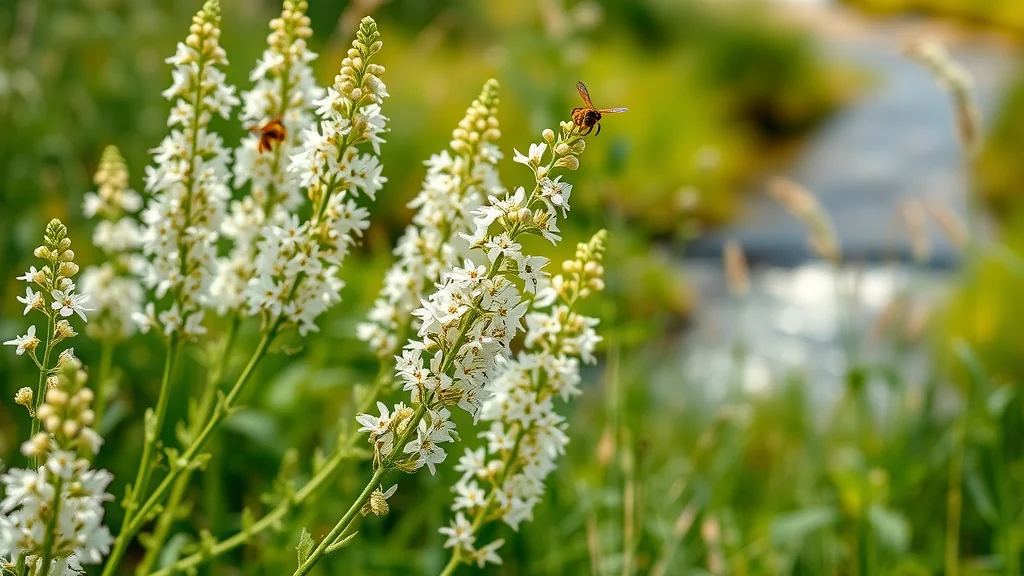
"Nature itself is the best physician": Exploring the Healing Power of the Meadowsweet Plant
“The meadowsweet plant offers a combination of gentle pain relief with digestive support, making it a unique herbal ally.” – Dr. Sarah Nguyen, ND
Gut health: Soothes and protects the digestive tract
Natural pain reduction: Provides relief without harsh effects
Tradition-backed remedy: Centuries of trusted healing
If you’re searching for a natural, safe way to ease discomfort, meadowsweet plant may be your answer. Unlike many over-the-counter painkillers, this wildflower brings more than just physical relief. Known scientifically as Filipendula ulmaria, meadowsweet has been cherished in herbal medicine for its remarkable ability to tame aches and soothe upset stomachs—all by harnessing nature’s innate chemistry.
Not only does it thrive in full sun to partial shade and in moist soil, but its creamy clusters of white flowers brighten damp meadows and wild flower fields across Europe and North America. When used correctly, it can be a powerful and gentle addition to your natural health toolkit.
For those interested in how gut health influences overall well-being, especially when managing digestive discomfort or conditions like diverticulitis, you may find it helpful to explore essential insights on diverticulitis and digestive health from a surgical perspective. Understanding the broader context of digestive care can further inform your approach to natural remedies like meadowsweet.
What You’ll Learn About the Meadowsweet Plant
How meadowsweet works as a pain reliever
The science behind its gut-friendly qualities
Differences between meadowsweet and aspirin
Safe usage, potential benefits, and more
By the end of this article, you’ll not only know why the meadowsweet plant is favored by many, but also how it can safely fit into your wellness routine, how it compares to other pain relievers, and how modern research backs up its traditional acclaim. Let’s dive into the roots—and the science—of this unique herb.
Meadowsweet Plant (Filipendula ulmaria): Overview and History
“Filipendula ulmaria has been valued in both European and North American herbal traditions for centuries.” – Dr. Amanda Lewis, Herbalist
Origins in Europe and introduction to North America
Other names: Queen of the Meadow, Spiraea ulmaria, Meadwort
Traditional uses: From pain relief to fevers in folk medicine
The meadowsweet plant, or Filipendula ulmaria, is native to Europe but has become naturalized in North America. You’ll find this herbaceous perennial thriving in damp meadows, wet woods, and along stream banks where it basks in full sun or partial sun.
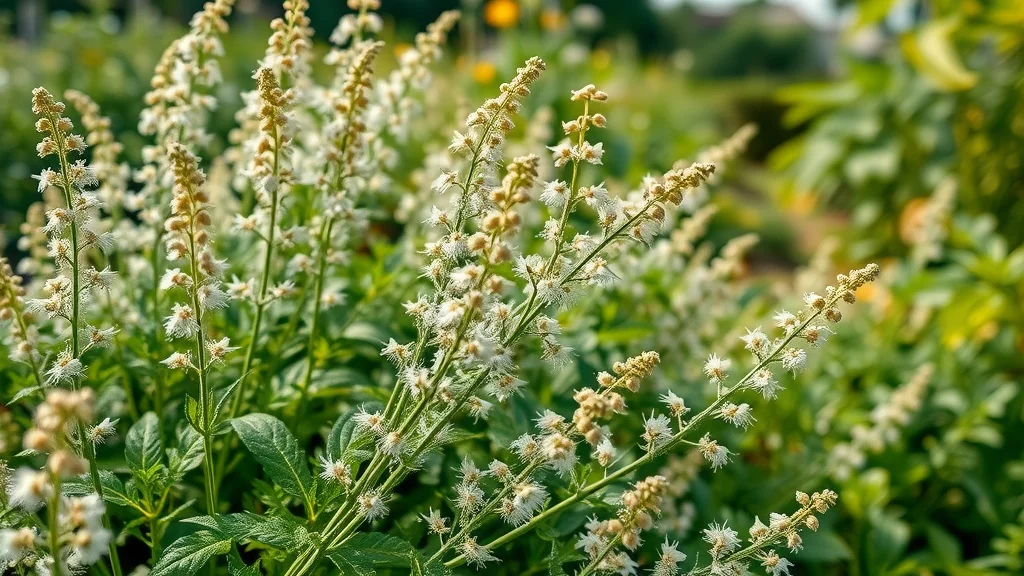
The plant’s elegant clusters of white flowers are unmistakable in the summer, often filling the air with a sweet, almond-like scent. Over the centuries, meadowsweet has garnered many common names, including Queen of the Meadow and Meadwort, reflecting both its medicinal value and its role in flavoring wine and mead.
Historically, meadowsweet was a prized remedy for aches, headaches, and digestive disorders, long before synthetic drugs existed. It even held ceremonial importance—according to legends, it was a favorite flower of Queen Elizabeth I of England and spread across North American gardens as settlers recognized its usefulness.
Its resilience means that meadowsweet grows in damp environments and can even handle periods of shade making it a common sight among native and naturalized wild flowers in both continents, especially mid to late summer.

How the Meadowsweet Plant Relieves Pain: Salicylic Acid in Action
“While both aspirin and meadowsweet contain salicylic compounds, the plant’s natural synergy appears gentler on the digestive tract.” – Dr. James Porter, PhD Pharmacognosy
Natural sources of salicylic acid: Present in flower, leaf, and root
Comparison: Synthesized aspirin vs. natural plant source
Absorption: When consumed as tea or tincture, meadowsweet’s natural salicylic acid is slowly released and absorbed, providing pain-relieving effects that mimic aspirin but with herbal compounds that moderate irritation.
Modulation of Pain Pathways: Salicylic derivatives in meadowsweet inhibit the enzymes responsible for producing inflammatory molecules, reducing pain and swelling in a way similar to non-steroidal anti-inflammatory drugs (NSAIDs).
Digestive Protection: Unlike aspirin, meadowsweet contains soothing tannins and mucilage that protect the stomach lining, reducing the risk of ulcers or gastrointestinal discomfort—a core, gut-friendly benefit.
Both meadowsweet plant and aspirin owe their pain relief to salicylic acid compounds. However, what sets meadowsweet apart is its natural synergy—the presence of flavonoids, tannins, and essential oils helps buffer the digestive tract. This makes it well-tolerated, even by those sensitive to synthetic painkillers.
For those who need ongoing pain management, the gentle nature of meadowsweet can be transformative. Its interaction with pain pathways is complex and holistic, targeting both inflammation and discomfort through slow, steady absorption—an important distinction from immediate-release synthetic drugs.
Gut-Friendly Benefits of the Meadowsweet Plant
Comparison of Digestive Effects: Aspirin vs. Meadowsweet Plan
Aspect |
Aspirin |
Meadowsweet Plant |
|---|---|---|
Risk of stomach irritation |
High – may cause ulcers, gastritis |
Low – soothes digestive tissues |
Gut flora support |
No – may disrupt microbiome |
Yes – gentle on gut bacteria |
Anti-inflammatory action |
Strong but harsh |
Moderate and well-balanced |
Adapted for sensitive users |
No |
Yes |
Soothing action on the stomach lining
Why meadowsweet may support gut flora
Case study: Patient experiences with meadowsweet
“My clinical practice often sees patients tolerate meadowsweet where conventional NSAIDs caused discomfort.” – Dr. Elena Romano, MD, Integrative Medicine
Unlike aspirin, the meadowsweet plant is famous for its positive effects on digestive health. Aside from minimizing irritation, its natural compounds—like tannins and polysaccharides—actually protect and soothe the gastric mucosa. This makes it especially valuable for those prone to heartburn, indigestion, or gastritis.
Current studies indicate that drinking meadowsweet tea, made from the dried flowers, does not disturb the balance of healthy gut bacteria. In fact, traditional records and new clinical case reports mention meadowsweet’s ability to lessen digestive pain and discomfort, making it a remarkable gut-friendly choice for regular use.
Case studies highlight patients who experienced stomach distress from NSAIDs but found relief and comfort with meadowsweet. Its unique synergy—a blend of anti-inflammatory and mucilaginous (soothing) compounds—continues to intrigue researchers, suggesting that the plant’s time-honored reputation for supporting gut health is well-deserved.

Meadowsweet Plant Safety, Dosage, and Potential Interactions
Recommended forms: Tea, tincture, capsules
Dosage: Adults: 2–3g dried herb per day (tea); Children: consult an herbalist/ND
Interactions: Consult your provider if you are on blood thinners, allergy to salicylates, or pregnant
Meadowsweet is generally safe for most people when used as directed. The most common use is as a tea—steeping 1–2 teaspoons of the dried flowers or leaves in hot water for 10 minutes. Tinctures and encapsulated forms are available for those who prefer standardized dosing. For adults, moderate doses (2–3g dried herb per day) are considered effective and low-risk. For children, or those with sensitive systems, professional supervision is recommended.
Always discuss new remedies with your healthcare provider, especially for those with known allergies to aspirin or salicylic acid, those on anticoagulants, or women who are pregnant or breastfeeding. Adverse reactions are rare but possible, emphasizing the importance of personalized guidance.
How Meadowsweet Plant Compares to Other Herbal Pain Relievers
Comparison: Willow bark, turmeric, ginger
Efficacy, safety, and digestive effects
When stacked against other herbal remedies, the meadowsweet plant holds its own. Willow bark is rich in salicylates like meadowsweet, but can be harsher on the stomach; turmeric is celebrated for anti-inflammatory power but may not directly relieve pain as swiftly; ginger supports digestive comfort and reduces mild pain, particularly in the case of muscle or joint aches.
What makes meadowsweet unique is its balance: it blends gentle pain relief (thanks to salicylic acid) with a protective, anti-inflammatory action on the gut lining. For those with sensitive digestive systems, this can make all the difference between suffering and comfort.
In terms of safety, meadowsweet stands out for its low risk of side effects and traditional integration across both European and North American herbal medicine. Its moderate efficacy, well-matched with its digestive harmony, often makes it the top choice for ongoing, low-risk pain management.

Traditional and Modern Uses of the Meadowsweet Plant in North America and Beyond
Current research findings highlight both anti-inflammatory and antimicrobial benefits
Integration in traditional herbal practices: European, Native American, and holistic wellness
Table: Regions and Herbal Traditions Using Meadowsweet Plant
Region |
Traditional Use |
Preparation |
|---|---|---|
Europe |
Pain relief, fevers, digestive aid |
Tea, tincture, wine/mead flavor |
North America |
Inflammation, joint aches, stomach pain |
Tea, poultice, mixed with wild flowers |
Asia |
Mild pain, ceremonial uses |
Infusions, dried flowers in blends |
In both folk and modern herbalism, the meadowsweet plant has found a home among trusted gut-friendly remedies. Across Europe, it’s “Queen of the Meadow”— prized for reducing fevers and calming digestive upsets. Indigenous and early settlers in North America adopted it for joint complaints, headaches, and to flavor beverages.
Today, as painkiller side effects are increasingly scrutinized, meadowsweet’s reputation is on the rise: modern science confirms many of its uses, from anti-inflammatory benefits to the positive impact on gut flora.
How to Prepare and Use the Meadowsweet Plant for Pain Relief
Boil water (just off the boil, about 95°C/200°F).
Add 1–2 teaspoons of dried meadowsweet flowers or leaves to your cup or teapot.
Pour water over herbs and steep for 10–15 minutes.
Strain and enjoy up to 2–3 cups daily for pain or digestive support.
Meadowsweet tincture: Steep fresh or dried meadowsweet in alcohol for 2–4 weeks. Store in glass, away from sunlight.
Recipes and blends: Pair meadowsweet with chamomile for calming tea, or with ginger for added anti-inflammatory benefit. Try infusing panna cotta or desserts with meadowsweet for a unique floral flavor.
“From tea to tincture, meadowsweet can be easily incorporated into daily wellness routines.” – Holly Stevens, RH (Registered Herbalist)
The Meadowsweet Plant and Scientific Research: What the Evidence Shows
Review of peer-reviewed research on meadowsweet confirms anti-inflammatory, antimicrobial, and gastroprotective action.
Summary of clinical trials: Effective in mild pain and safe for GI tract; more research needed for chronic pain.
Gaps in evidence: Larger-scale clinical trials and standardized dosage studies required.

Modern research upholds many of the meadowsweet plant’s traditional uses. Peer-reviewed studies reveal not only a gentle anti-inflammatory effect but also notable digestive support, due to the plant’s ability to curb excess stomach acid and encourage beneficial bacteria.
Small-scale clinical trials and observational case reports highlight improved comfort in patients with sensitive stomachs compared to those using NSAIDs. However, experts note gaps in large population studies and standardization. As science catches up, more robust data is needed to optimize its medicinal applications for a broader audience.
People Also Ask About the Meadowsweet Plant
What is meadowsweet herb good for?
The meadowsweet plant is well-known for relieving occasional headaches, joint pain, and even digestive complaints like heartburn or nausea. Traditionally used for its anti-inflammatory and pain-reducing properties, it also helps to soothe and protect the digestive tract, making it a popular herbal support for those with sensitive stomachs.
What is another name for meadowsweet?
Meadowsweet is also known as Queen of the Meadow, Spiraea ulmaria, meadwort, and filipendula ulmaria. These names reflect its historic use in flavoring beverages (like mead) and its place among beautiful wild flowers of European and North American grasslands.
Does meadowsweet spread?
Yes—meadowsweet is a robust perennial plant that spreads by rhizomes and can naturalize in gardens and wild spaces. It often thrives in damp meadows or moist soil, forming lush stands with its iconic clusters of white flowers. Some gardeners manage its vigor by planting it in contained beds or alongside compatible wild flower species.
Can you eat meadowsweet?
Absolutely! Both the flowers and young leaves of the meadowsweet plant are edible and have been used in culinary traditions—think infusions for teas or as a unique flavor in desserts like panna cotta. Always confirm correct identification and avoid wild harvesting in polluted areas.
FAQs: Meadowsweet Plant Essentials
-
Is the meadowsweet plant safe for everyone?
While generally safe, meadowsweet should be avoided by those with allergies to salicylates or aspirin, as well as pregnant women, unless guided by a healthcare professional. Consult your doctor before use, especially if you take blood thinners.
-
Can children use meadowsweet plant remedies?
With professional guidance, meadowsweet has been used for mild pain and fevers in children, but always consult a pediatric herbalist or ND for exact doses and safety considerations.
-
Is meadowsweet plant suitable for long-term use?
Yes—when used in moderate amounts and as directed, meadowsweet is believed to be safe for long-term support. Monitoring and periodic reassessment is wise, as with all herbal remedies.
-
How does meadowsweet compare to common OTC painkillers?
Unlike many over-the-counter NSAIDs, meadowsweet offers similar pain-relieving effects without the same harsh impact on the gut, earning it a favored spot in both contemporary and traditional herbal medicine cabinets.
Key Takeaways on the Meadowsweet Plant as a Pain Reliever
Meadowsweet plant provides gentle, effective pain relief
Supports gut health—unlike most standard painkillers
Backed by tradition and growing scientific studies
Further Reading and Source List
Ready to Try the Meadowsweet Plant? Talk to Your Healthcare Provider First
If you’re curious about the meadowsweet plant, always consult a qualified healthcare provider or licensed herbalist before starting any new remedy—especially if you have existing health conditions, are pregnant, or take other medications.
If you’re inspired by the natural healing potential of meadowsweet, consider broadening your understanding of how environmental factors and seasonal changes can impact your overall wellness. For instance, learning about the effects of North Carolina’s yellow dust phenomenon on allergies and respiratory health can help you make more informed choices for holistic self-care.
Discover how environmental awareness and proactive strategies can complement your herbal regimen by exploring the hidden truths behind North Carolina’s yellow dust and its impact on your health. Taking a comprehensive approach to wellness empowers you to protect and nurture your body—inside and out.
Meadowsweet (Filipendula ulmaria) is a perennial herbaceous plant native to Europe and Western Asia, commonly found in damp meadows, ditches, and riverbanks. It is known for its sweet-smelling, creamy-white flowers that bloom from June to September. (wildlifetrusts.org)
Historically, meadowsweet has been valued for its medicinal properties, particularly its ability to relieve pain and reduce inflammation. The plant contains salicylates, compounds similar to those found in aspirin, which contribute to its analgesic effects. (webmd.com)
Unlike synthetic aspirin, meadowsweet also possesses compounds that can soothe and protect the digestive tract, making it a gentler alternative for pain relief. However, due to the presence of salicylates, individuals with aspirin allergies or those on blood-thinning medications should consult a healthcare professional before using meadowsweet. (healthline.com)
In addition to its medicinal uses, meadowsweet has been traditionally used to flavor wines, beers, and vinegars, and its flowers can be added to stewed fruit and jams to impart a subtle almond flavor. (en.wikipedia.org)
For those interested in cultivating meadowsweet, it thrives in moist soils with full to partial sun exposure and can be propagated from seeds or cuttings. The plant is hardy in zones 3-8 and typically flowers in its third year of growth. (canr.msu.edu)
In summary, meadowsweet offers a natural, gut-friendly alternative to traditional pain relievers, with a rich history of medicinal and culinary uses. Its unique combination of pain-relieving and digestive-soothing properties makes it a valuable addition to natural health practices. NCWellnessHub.com



Write A Comment