


"Did you know over 60% of adults report experiencing digestive discomfort directly linked to their food choices each week? Understanding what foods are harder to digest is essential for lasting digestive health and well-being."
Are you frequently feeling bloated, sluggish, or uncomfortable after meals?
You’re not alone—and hidden in your daily diet could be foods that are harder to digest, quietly undermining your digestive health. This article uncovers what foods are harder to digest, why they matter, and how small choices can transform how your gut feels every day.
If optimizing your health and comfort is your goal, keep reading to discover the essential swaps and expert-backed tips to protect your digestive system today!
Uncovering What Foods Are Harder to Digest: The Hidden Challenge to Digestive Health

Understanding what foods are harder to digest isn't just about curbing discomfort—it's about creating a long-term foundation for your overall well-being. Digestive health is directly influenced by the types of foods you consume, as your body must work harder to break down certain ingredients.
Foods rich in fat, fiber, or artificial additives are classic culprits known for being hard to digest . These foods slow down the digestive process, leaving you feeling bloated, gassy, or even fatigued for hours after eating.
For example, indulgent meals packed with fried food , spicy foods , dairy products , or heavy processed food can wreak havoc on your system. Recognizing and limiting these foods can make an immediate difference in your energy, mood, and daily comfort.
By understanding which foods are hardest to digest, you'll be prepared to make choices that fuel your gut health and help prevent those all-too-common digestive issues .
If you're interested in optimizing your diet for better digestion, exploring the benefits of specific foods can be a game-changer. For instance, certain fruits are not only gentle on the digestive system but also provide essential nutrients that support overall gut health—discover more about these options in this guide to fruits for healthy living and longevity .
Why It Matters: The Impact of Harder to Digest Foods on Your Digestive System
The digestive system is a complex network that relies on enzymes, acids, and the natural rhythm of bowel movements to process what we eat. When you eat foods that are difficult to digest , the system is forced to work overtime. High-fat meals ( fried foods ), products with large amounts of dairy, and heavily processed snacks can significantly slow stomach emptying and strain your gut lining. This often leads to uncomfortable symptoms such as bloating , cramps, constipation, and even irritable bowel syndrome (IBS) if the pattern continues.
Improving digestive health starts with being aware of which foods are harder to digest and making mindful dietary adjustments. Choosing foods that are easier on your gut can reduce systemic inflammation, support balanced gut flora, and boost nutrient absorption. Remember, it’s not always about avoiding your favorite treats—it's often about portion control, preparation method, and recognizing which health condition factors (like lactose intolerance) might be at play.
When you understand the digestive process , it becomes clear why some types of food linger in your system, generating discomfort, while others are efficiently broken down. Foods rich in fiber or complex carbohydrates (like some raw vegetables ) might challenge those with sensitive systems, while artificial sweeteners can disrupt natural digestive signals, compounding discomfort and bloating.
7 Most Common Foods That Are Harder to Digest Annoying Your Stomach
1. Fried Foods: Why Fried Food Is Hard to Digest

"Fried foods are notorious for being tough on your digestive system, increasing your risk of indigestion and discomfort," says a leading gastroenterologist.
Fried foods like chicken, french fries, and doughnuts are infamous for being hard to digest . Rich in saturated fats, these items slow stomach emptying and place additional stress on your digestive tract. Whenever you indulge in fried food, the body must release more bile and digestive enzymes to break down the large amounts of fat present.
This extra digestive effort often causes indigestion, bloating, and can trigger acid reflux in sensitive individuals. Regular consumption is also linked to irritable bowel symptoms, as fats can stimulate contractions in the colon, intensifying discomfort. For those with a history of digestive problems , keeping fried foods to a minimum is a critical step for better gut health .
If you're struggling with subtle or obvious digestive discomfort, take a break from fried foods, and notice how quickly your symptoms may improve. Your gut, and your overall health, will thank you.
2. Spicy Foods: The Digestive Impact of Spicy Food

From hot peppers and spicy curries to salsa and chili, spicy foods can be difficult to digest for many people. The compound capsaicin, found in chili peppers, irritates the lining of the stomach and intestines, which can lead to burning sensations, abdominal pain, and digestive issues —especially for those already dealing with conditions like IBS or acid reflux .
Eating large amounts of spicy food has been linked to increased symptoms of irritable bowel syndrome and digestive problem flare-ups. This is because the body sometimes struggles to neutralize the irritation caused by spicy compounds, leading to inflammation and slower motility in the gut.
If you enjoy a kick in your meals, moderation is key. Consider incorporating cooling ingredients like yogurt or rice alongside spicy dishes to minimize their effect on your digestive tract.
3. Dairy Products: Why Some Dairy Product Choices Are Difficult to Digest

"Lactose, a sugar found in many dairy products, can wreak havoc on those with even mild intolerance, making these foods harder to digest for much of the population."
Popular dairy products such as milk, cheese, and ice cream are primary sources of discomfort for millions who experience lactose intolerance . When your body lacks sufficient lactase enzyme, the sugar in dairy—lactose—passes through undigested, causing gas, bloating, cramps, and even diarrhea.
The severity of these digestive symptoms varies widely depending on genetics, dietary habits, and overall digestive health. Interestingly, even those without a formal diagnosis can struggle with dairy if consumed in large amounts or when certain gut bacteria levels are low.
Switching to lactose-free versions or gradually reducing dairy intake are simple ways to determine if your routine symptoms (like an upset stomach, irregular bowel movements, or fatigue) are linked to these hard to digest foods.
4. Processed Foods: Hard to Digest Ingredients in Processed Food
Processed food —from packaged snacks and fast food to boxed meals—contains ingredients that are hard to digest for most people. These foods typically contain a combination of fats, refined sugars, and artificial sweeteners . Additives such as preservatives, colorants, and flavor enhancers can also irritate the lining of the digestive system.
Items like white bread, chips, frozen entrees, and processed meats disrupt the balance of healthy bacteria in the gut. Regular consumption often leads to digestive issues like bloating, constipation, and sometimes allergic reactions or intolerances to hidden additives. If you notice more discomfort after eating pre-packaged or take-out meals, processed foods might be a major factor behind your digestive problem .
Opting for whole, minimally processed foods helps support a more robust digestive tract—reducing the risks associated with processed food and promoting stable digestive health .
5. Raw Vegetables: Surprising Effects of Raw Vegetables on Digestive Health
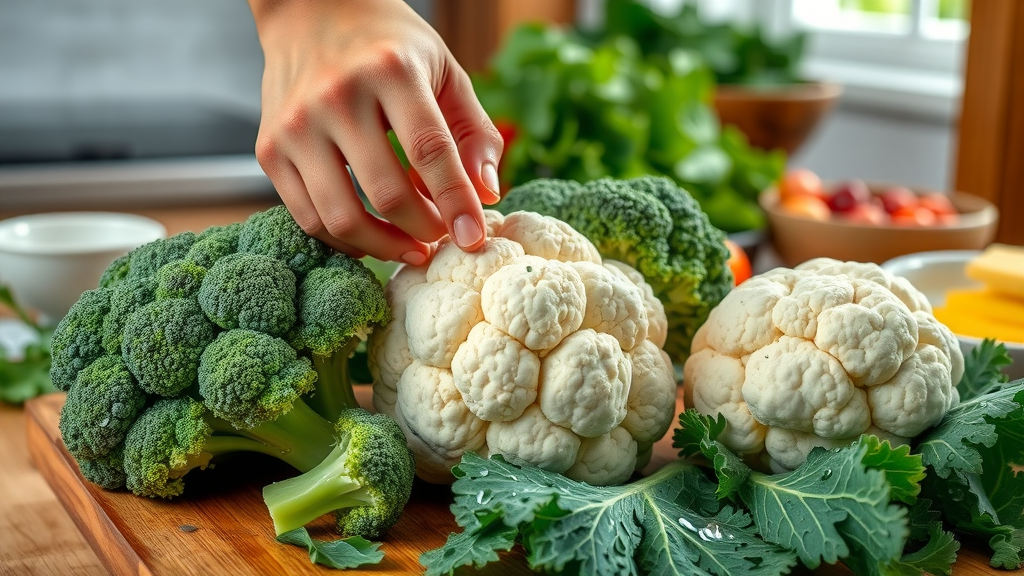
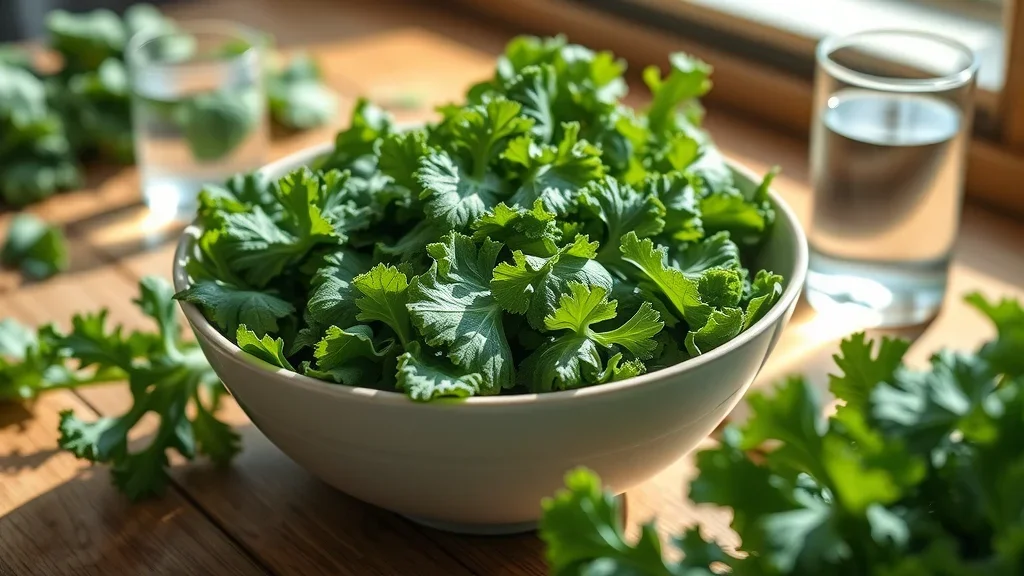
Dietitians love recommending raw vegetables for their vitamins and minerals, but for individuals with sensitive digestive systems, certain raw vegetables can be surprisingly hard to digest . Broccoli, cauliflower, and kale contain considerable amounts of cellulose (a type of dietary fiber) and complex sugars that require robust digestive enzymes to break down.
For many people, eating large quantities of raw, fibrous veggies without adequate chewing or if their digestive tract is compromised, can lead to gas, bloating, and abdominal cramps. The body’s inability to fully digest these fibers means they travel to the colon, where they're fermented by gut bacteria, releasing gas as a byproduct.
Cooking vegetables lightly—by steaming, roasting, or sautéing—can help soften these fibers, making veggies easier on the digestive tract while keeping many nutrients intact.
6. Acidic Foods and Citrus Fruits: What Makes These Foods Harder to Digest?
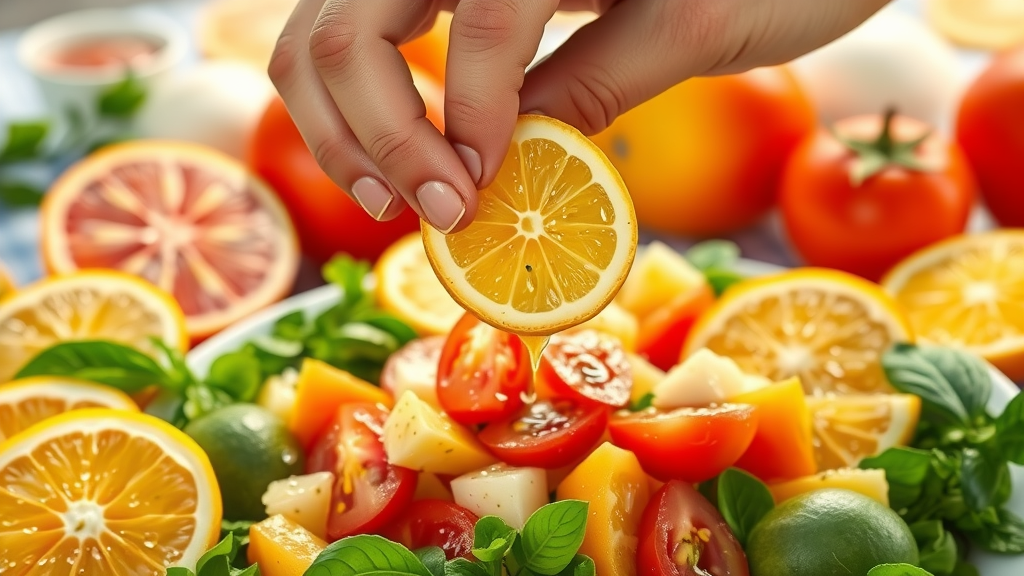
Acidic foods like tomatoes, vinegar, and especially citrus fruits (lemons, oranges, grapefruits) are refreshing, but they can spell trouble for those prone to acid reflux or heartburn. Their high acidity irritates the stomach lining and can disrupt the natural pH balance of the digestive tract, triggering symptoms such as burning sensations, indigestion, and even reflux.
Some individuals find that acidic foods, when eaten on an empty stomach or in large amounts, produce far more discomfort. This is particularly true for people dealing with chronic digestive symptoms or underlying gut sensitivities.
If you love the flavor and health perks of citrus, enjoy them in moderation, pair with protein or healthy fats, and always pay close attention to your body's unique response.
7. Artificial Sweeteners: Their Role Among Foods That Are Harder to Digest
Many who try to avoid sugar turn to artificial sweeteners like sorbitol, aspartame, and sucralose—ingredients in sugar-free gums, diet sodas, and protein bars. But these sweeteners, especially when consumed in large amounts, are among the most difficult to digest compounds commonly consumed today.
The digestive tract isn't designed to break down artificial sweeteners efficiently, so they're often fermented by bacteria in the colon, resulting in gas, bloating, and even laxative effects. People with a history of digestive condition such as irritable bowel syndrome are even more vulnerable to the irritating effects of these sweeteners.
Instead, consider natural sweeteners like honey or maple syrup in small quantities, or stick with unprocessed fruits to satisfy your sweet tooth without overwhelming your digestive system.
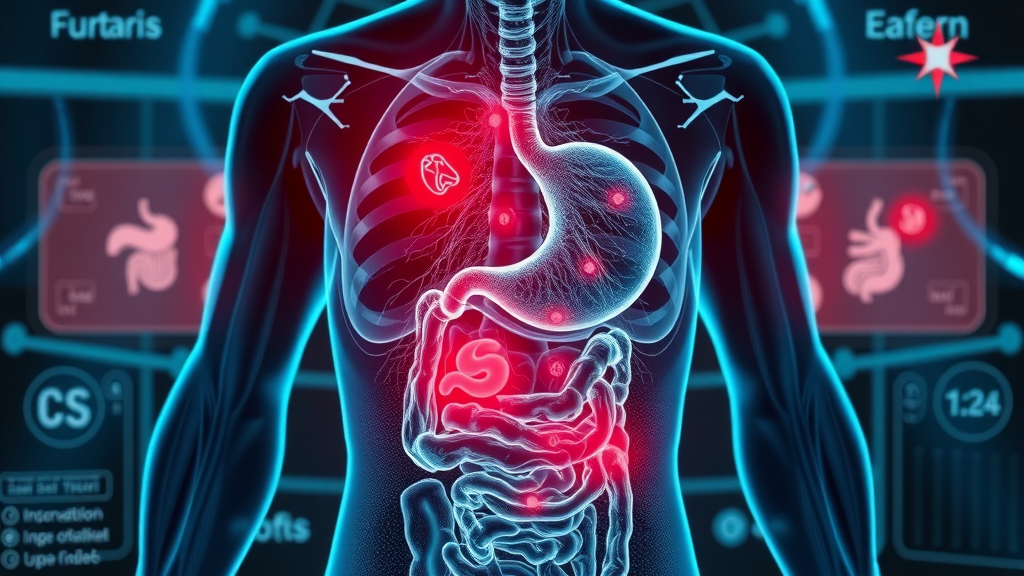
How Hard to Digest Foods Affect Digestive Health and Lead to Digestive Issues
Breakdown of the digestive process with harder to digest foods.
Hardest Foods to Digest |
Digestive Challenges |
Gentler Alternatives |
|---|---|---|
Fried food |
Triggers indigestion, slows digestion |
Grilled, baked, or steamed foods |
Spicy foods |
Irritates stomach lining |
Mildly seasoned dishes |
Dairy products (milk, cheese, ice cream) |
Lactose intolerance, bloating, cramps |
Lactose-free or plant-based alternatives |
Processed foods |
Artificial additives, bloating, constipation |
Whole, unprocessed foods |
Raw vegetables (broccoli, cauliflower, kale) |
Gas, bloating from fiber/cellulose |
Cooked, lightly steamed vegetables |
Acidic foods/citrus fruits |
Triggers acid reflux, heartburn |
Lower-acid fruit (melon, banana) |
Artificial sweeteners |
Gas, bloating, laxative effect |
Natural sugars in fruit (berries, apple) |
When your meals regularly include harder to digest foods, your system must work overtime. The stomach may take longer to break down meals, while the intestines become stressed, leading to bloating , gas , constipation, irritation, and sometimes chronic digestive symptoms . Swapping challenging foods for easier alternatives can vastly improve digestive health and your overall sense of well-being.
Those with existing health problems (like IBS , food intolerances, or previous digestive surgeries) are at a higher risk for experiencing the negative effects of tough-to-digest foods. These choices can also impact the body’s ability to absorb vital nutrients, contributing to fatigue, low energy, and even poor skin health.
Spotlight: Foods That Become More Difficult to Digest with Age
"As we age, digestive enzyme production drops, making many foods—including some of our favorites—much harder to digest," notes a nutrition expert.

With age, our digestive system naturally produces fewer digestive enzymes, making it more challenging to process certain foods—especially dairy products , fried food , and large amounts of fat. Reduced enzyme levels mean that the stomach and intestines cannot break down food particles as efficiently, slowing the process and increasing the likelihood of digestive discomfort.
Compounded by other health condition changes such as reduced physical activity, slowed metabolism, and medications that may affect the gut lining, older adults often experience more frequent digestive problems like constipation, bloating, and cramps. It's important to note that sensitivity to foods that were previously well-tolerated can develop due to these age-related shifts.
By being proactive—choosing gentler foods, staying hydrated, and consulting healthcare providers—older adults can continue to enjoy flavorful, nourishing meals without the usual stomach complaints linked to hard to digest choices.
10 Signs You’re Eating Foods That Are Harder to Digest
Do you regularly experience digestive discomfort? Here are 10 telltale signs that your current diet might be packed with foods that are difficult to digest:
Frequent bloating—feeling swollen after meals.
Painful abdominal cramps, often after eating.
Gas or excessive belching.
Irregular bowel movements (constipation or diarrhea).
Unexplained fatigue or sluggishness after eating.
Heartburn or acid reflux—especially after spicy or fatty foods.
Grumbling or unsettled stomach sounds.
Nausea or feeling overly full quickly.
Recurring headaches or brain fog after eating certain meals.
Visible undigested food particles in stools.
If you notice several of these symptoms, re-evaluating your diet and reducing hard to digest foods may help restore your digestive health and energy levels.
Ways to Prevent Constipation and Boost Digestive Health If You Eat Harder to Digest Foods

Balancing your diet with prebiotic and probiotic-rich foods (like yogurt, kefir, kimchi, and fiber-rich fruits/veggies), along with proper hydration, can prevent constipation and enhance your overall digestive health . Drinking at least eight glasses of water daily ensures everything moves smoothly through your gastrointestinal tract.
Consider these easy lifestyle hacks: chew food thoroughly before swallowing; avoid eating large amounts at one time; cook raw vegetables instead of eating them raw; and practice food combining—like pairing lean protein with steamed veggies and healthy fats, rather than loading a meal with multiple hard to digest elements (fried, dairy, spicy all at once).
Making portion size adjustments and slowing down during meals gives your digestive system time to process foods efficiently. If you still experience persistent digestive symptoms, consult a healthcare professional to screen for underlying issues and personalized recommendations.
Expert-Recommended Alternatives to Hard to Digest Foods for Digestive Health
Transforming your digestive health doesn’t mean sacrificing flavor or satisfaction. Try swapping out fried food for baked or grilled proteins, use lactose-free milk and cheeses or plant-based milks in place of regular dairy products , and opt for cooked vegetables instead of raw when preparing salads or side dishes.
Sample meal plan for a day:
Breakfast: Oatmeal made with almond milk and blueberries.
Lunch: Grilled chicken breast with lightly steamed broccoli and quinoa.
Dinner: Baked salmon with roasted sweet potatoes and spinach sautéed in olive oil.
Snack: Low-fat Greek yogurt with sliced banana.
Implementing gradual, manageable changes—such as replacing one hard to digest food each week with a gentler option—will help your gut adjust and begin healing, making it easier to stick to healthier habits in the long run.

People Also Ask
What is the toughest food to digest?
The toughest foods to digest are those high in saturated fat and artificial ingredients—think fried food (chicken, fries), fatty meats, and highly processed foods . These foods strain the digestive system, slow down digestion, and can trigger issues like bloating, constipation, and stomach discomfort.
What foods are worst for your gut?
Foods worst for your gut are typically artificial sweeteners , highly processed foods , and those with additives or preservatives. These disrupt the natural balance of gut bacteria, impair nutrient absorption, and heighten the risk of inflammation and chronic digestive issues .
What is hard for your stomach to digest?
Your stomach finds foods like regular dairy products , raw vegetables (broccoli, kale), and fried foods challenging to digest. Certain health conditions (like lactose intolerance or IBS) will increase sensitivity to these foods, making them even harder on the digestive tract.
What foods become harder to digest with age?
With aging, a natural decline in digestive enzyme production makes foods such as whole dairy, fried and fatty foods, and sometimes red meats increasingly hard to digest. Older adults should be mindful of their changing digestion and adapt by choosing softer, cooked, and easier-to-digest alternatives.
Key Takeaways: Making Informed Choices on What Foods Are Harder to Digest
Avoid or limit fried foods , rich dairy products , processed snacks, and large amounts of raw, fibrous vegetables if you notice digestive symptoms. Take note of your body’s signals, especially bloating, cramps, and irregularity. Small, consistent diet changes—favoring cooked, whole, and gentle foods—will empower you to nurture better digestive health every day.
Frequently Asked Questions Regarding What Foods Are Harder to Digest
.
Q: Are all fried foods equally hard to digest?
A: Most fried foods are difficult on digestion due to high fat content. Even plant-based versions can upset the gut, especially if served in large amounts or paired with other hard-to-digest foods.
Q: Does eating late at night make digestion worse?
A: Digestive efficiency drops at night, so hard to digest foods (like red meat, fried dishes, or dairy) may linger longer in the stomach, intensifying issues like acid reflux and bloating.
Q: Can food intolerances develop later in life?
A: Yes, aging and health changes like illnesses or medication use can reduce digestive enzymes, making even previously tolerated foods harder to digest.
Q: What is the best way to test individual food tolerance?
A: Keep a food and symptom diary, gradually reintroduce suspected foods, and consult a healthcare provider if digestive problems persist.
Practical Steps to Improve Your Digestive System and Avoid Harder to Digest Foods
For optimal digestive health , hydrate often, choose whole foods, cook or steam vegetables, keep portion sizes moderate, and be mindful of how foods affect your body. Plan meals ahead, listen to digestive cues, and seek advice from a registered dietitian or gastroenterologist if you have chronic or unexplained symptoms. A personalized approach can make all the difference in building a resilient, healthy gut.
Ready to Transform Your Digestive Health? Start Making Better Food Choices Today
Start today: review your typical meals, swap out harder to digest picks for gut-friendly ones, and don't hesitate to seek expert guidance if your digestive symptoms persist. Small, conscious choices will lead to big improvements over time.
If you’re motivated to take your digestive wellness even further, consider how your overall nutrition can impact not just your gut, but your strength and vitality as you age.
Building a diet that supports muscle health is especially important for seniors, and the right foods can make a significant difference in maintaining both digestive comfort and physical resilience.
For a deeper dive into strategic nutrition for aging well, explore essential foods that help fight muscle loss and support senior health . Empower yourself with knowledge that goes beyond digestion—nourish your body for a healthier, more active future.
Sources
Understanding which foods are harder to digest is crucial for maintaining optimal digestive health. Certain foods can slow down the digestive process, leading to discomfort such as bloating, gas, and indigestion. By identifying and moderating the intake of these foods, you can support your digestive system and enhance overall well-being.
1. Fried and Fatty Foods
Fried foods, such as french fries, fried chicken, and doughnuts, are high in unhealthy fats that can slow digestion and lead to bloating and discomfort. The greasy nature of these foods makes them hard to break down, and prolonged consumption can cause inflammation in the gastrointestinal tract. ( timesofindia.indiatimes.com )
2. Spicy Foods
Spicy foods, including chili peppers and hot sauces, can irritate the digestive tract, leading to indigestion and discomfort. For some individuals, consuming spicy foods may exacerbate conditions like acid reflux or irritable bowel syndrome (IBS). ( healthline.com )
3. Dairy Products
Dairy products like milk, cheese, and ice cream contain lactose, a sugar that requires the enzyme lactase for digestion. As people age, lactase production often decreases, leading to lactose intolerance and symptoms such as bloating, gas, and diarrhea after consuming dairy. ( healthline.com )
4. Processed Foods
Processed foods, including pre-packaged snacks and frozen meals, often contain preservatives, artificial additives, and unhealthy fats that can negatively affect gut bacteria. These additives can cause inflammation, slow digestion, and lead to constipation and bloating. ( timesofindia.indiatimes.com )
5. Raw Vegetables
While vegetables are essential for a healthy diet, certain raw vegetables like broccoli, cauliflower, and cabbage are high in fiber and can be tough on the digestive system. Cooking these vegetables can help make them easier to digest. ( healthline.com )
6. Beans and Legumes
Beans, lentils, and other legumes contain complex carbohydrates and fibers that can be hard to digest, leading to gas and bloating. Cooking beans thoroughly and opting for split peas or lentils, which are easier to digest, may be helpful. ( thehampshiresl.seniorlivingnearme.com )
7. Carbonated Beverages
Carbonated drinks can introduce excess gas into the digestive system, leading to bloating and discomfort. The bubbles from carbonation increase the amount of air in your stomach, leading to discomfort and burping. ( woodlandsvillagesl.com )
8. Red Meat
Red meat, such as beef and pork, can be challenging for the body to break down due to its high-fat content and tough muscle fibers, making digestion slow and strenuous. Opting for leaner protein sources may be easier on the digestive system. ( thehampshiresl.seniorlivingnearme.com )
9. Artificial Sweeteners
Artificial sweeteners, found in many diet sodas and sugar-free products, can cause digestive issues like bloating and diarrhea. Some sugar substitutes, such as sorbitol and xylitol, are difficult for the body to absorb and can lead to discomfort. ( woodlandsvillagesl.com )
10. Acidic Foods
Acidic foods like tomatoes, vinegar, and citrus fruits can irritate the stomach lining and can disrupt the natural pH balance of the digestive tract, triggering symptoms such as burning sensations, indigestion, and even reflux. ( healthline.com )
By being mindful of these foods and their potential impact on digestion, you can make informed dietary choices that promote better digestive health and overall comfort.



Write A Comment