

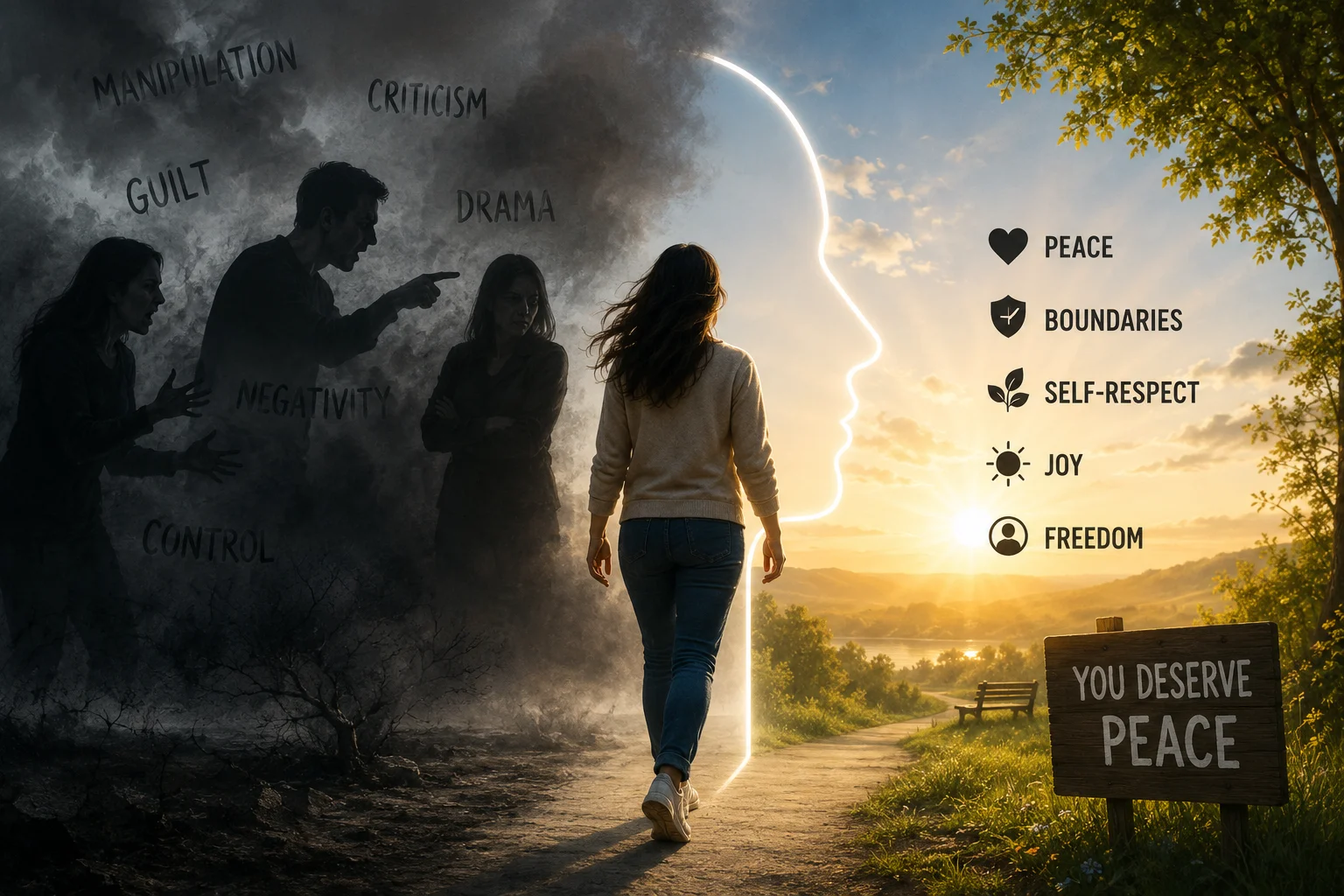
We all deserve peace, yet toxic people sap our energy and cloud our joy. Recognizing the signs of a toxic person is crucial to reclaiming happiness. This guide empowers you to identify those draining your spirit and teaches how to walk away, protecting your mental and emotional well-being.
Understanding the Signs of a Toxic Person: Why Awareness Matters
When it comes to protecting your peace, learning to spot the signs of a toxic person is essential. Toxic people, whether they're a coworker, friend, partner, or a family member, can create stress that impacts both your mental health and emotional well-being. Early awareness puts the power back in your hands, enabling you to set boundaries and avoid being drawn into negativity or manipulation.
Toxicity often sneaks up on us. The problematic person in your life might not be obviously harmful at first. However, patterns such as constant criticism, boundary disrespect, or frequent drama are warning signs that shouldn't be ignored.
By recognizing toxic behavior early, you can make thoughtful choices about who you allow in your close relationships, sparing yourself the long run effects of chronic stress and emotional exhaustion. This guide will help you navigate these tricky waters, so you stay grounded in healthy people and habits.
What You'll Learn About the Signs of a Toxic Person
How to recognize toxic people and their behaviors
Warning signs to watch for in toxic relationships
Actionable strategies for dealing with toxic people
Steps to walk away from a toxic person to protect your mental health

The Importance of Spotting Signs of a Toxic Person Early
Noticing the signs of a toxic person before they become engrained in your daily interactions can save your mental health and overall well-being. Toxic people rarely change overnight; instead, their behaviors can escalate, leading to increased drama and emotional fatigue. By paying attention to early toxic behavior red flags, you can act to limit your engagement and protect yourself from further harm.
Healthy people support and uplift those around them, while toxic people often create environments loaded with negativity, blame-shifting, and emotional manipulation. The sooner you identify these problematic traits, the sooner you can decide how to set boundaries with a toxic person or even consider walking away.
"Remember that awareness is the first step toward reclaiming your emotional clarity, especially in situations where a toxic parent or a close family member is involved."
If you find yourself feeling persistently stressed or emotionally depleted after interactions with certain individuals, it may be helpful to explore additional strategies for managing your stress levels. For practical tips on maintaining your well-being in challenging situations, consider reading about effective stress management techniques that can support your mental health as you navigate toxic relationships.
"Recognizing the toxic people in your life is the first step to reclaiming your emotional clarity."
1. Constant Criticism: The Subtle Signs of a Toxic Person
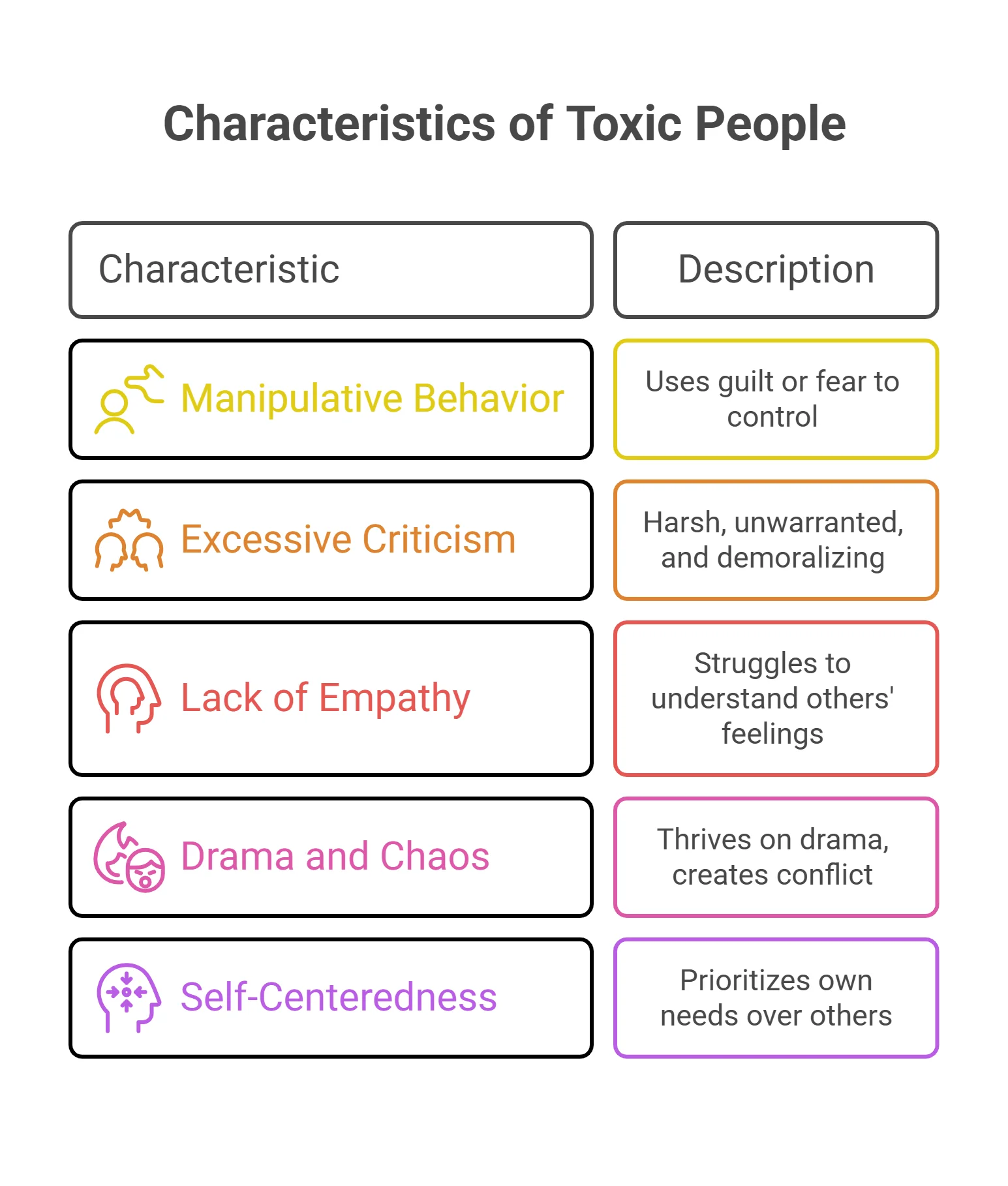
A key sign of a toxic person is their tendency toward constant criticism. This isn't the helpful feedback that spurs growth, but rather negative remarks designed to make you doubt yourself or feel inferior. Such toxic people find fault in everything, turning small mistakes into personal attacks or pointing out your perceived shortcomings repeatedly. Over time, this creates stress, undermines your self-worth, and can even make you question your own abilities.
“Spending time with someone who is constantly criticizing others can be exhausting and damaging to one's own self-esteem.” — Kansas State University Counseling Services
The danger of constant criticism is how subtle it can be. Perhaps they make sarcastic comments disguised as jokes or use backhanded compliments that leave you feeling unsettled. If you notice that this pattern persists—especially from a friend or partner—it may be time to reevaluate the relationship and consider the impact on your mental health.
Toxic People and How Criticism Affects Your Mental Health
Enduring regular criticism from a toxic person can profoundly erode your confidence and emotional resilience. When every interaction becomes an opportunity for them to belittle or judge, it’s easy to lose track of your strengths and accomplishments. The emotional effects linger long after a phone call or conversation ends, affecting your motivation and even your relationships with healthy people.
"They repeatedly criticize, belittle, or undermine others, which can become emotionally harmful when it is persistent and demeaning." psychologytoday
It’s important to recognize that criticism from toxic people is rarely constructive or intended to help you grow. Instead, it reinforces their dominance and leaves you feeling powerless. Paying attention to your emotional responses—like stress, anxiety, or avoidance—can help you identify the need for stronger boundaries or a conversation about respect.

2. Manipulation Tactics: Signs of a Toxic Person Who Plays Mind Games
Manipulation is one of the most insidious signs of a toxic person. Toxic people often play mind games—twisting facts, distorting reality, or making you feel responsible for their actions. These manipulation tactics are designed to maintain control and keep you off-balance, making it difficult for you to trust your own judgment.
If you find yourself always second-guessing your decisions or feeling anxious after every conversation, manipulation may be at play. Common forms include gaslighting (making you question your memory or sanity), guilt-tripping, or shifting the blame for their own bad behavior onto you. Over time, these tactics cause deep confusion and emotional exhaustion, especially in close relationships or with a toxic parent.
Common Manipulation Tactics Used by Toxic People and Their Effects
Manipulation Tactic |
Effect on You |
|---|---|
Gaslighting |
Makes you doubt your reality and decreases trust in your own perceptions. |
Blame-shifting |
You end up feeling responsible for their problems or mistakes, adding stress. |
Guilt-tripping |
Creates unnecessary guilt and erodes self-confidence. |
Silent treatment |
Increases anxiety, making you unsure of where you stand in the relationship. |
Victimhood |
Toxic people play the victim, demanding sympathy and avoiding accountability. |
3. Disrespecting Boundaries: Toxic Person Red Flags
Disrespect for personal boundaries is a major red flag when it comes to toxic people. Whether it's intruding on your privacy, demanding your time, or ignoring your requests for space, a toxic person will disregard what matters to you. This kind of behavior isn't always loud or obvious; sometimes, it's as simple as dismissing your need for alone time or bringing up topics you asked them to avoid.
Healthy people respect your boundaries, while toxic people repeatedly test or ignore them. Over time, their lack of regard for your limits can make you feel invaded, resentful, and emotionally exposed. This is especially challenging when the toxic person is a family member or a long-time friend, as it can be hard to assert yourself.
Dealing With a Toxic Person Who Won't Respect Your Boundaries
Repeated boundary violations demand clear, assertive responses. Dealing with a toxic person who won’t respect your boundaries may require you to restate your limits several times or physically remove yourself from situations where those boundaries are crossed. Remember, it’s not enough to state your needs—you must follow through with consequences if they’re repeatedly ignored.
Learning to set boundaries and enforce them can be life-changing. It’s a critical skill for breaking the cycle of control that toxic people rely on. Whether you create physical space, limit contact, or reduce your emotional investment, prioritizing your peace sends a powerful message—not just to the toxic person, but also to yourself.
4. Lack of Accountability: More Warning Signs of a Toxic Person
Another clear sign of a toxic person is the refusal to accept responsibility for their actions. These individuals excel at shifting blame, making excuses, or painting themselves as the perpetual victim. When confronted with the consequences of their choices, a toxic person is quick to deflect or deny any wrongdoing, often leaving others confused or feeling guilty.
This behavior is particularly damaging in close relationships and workplaces, where teamwork and trust are essential. People who dodge accountability undermine the efforts of healthy team members and erode morale. Recognizing this trait early can help you avoid long-term frustration and emotional drain.
Why Toxic People Avoid Responsibility
At the root, toxic people avoid responsibility to maintain their self-image and sense of control. Admitting fault threatens their carefully constructed narrative—that they are always right or unjustly targeted. By projecting their failings onto others, they escape the discomfort of self-reflection.
This pattern can be especially pronounced in personality disorders where personal growth and accountability are stunted. Don’t be fooled by their rationalizations; consistent denial of responsibility is a serious warning sign, and it often signals deeper issues with integrity and empathy.

5. Chronic Negativity: Identifying Toxic People Through Attitude
A persistently negative outlook is another telltale sign of a toxic person. Toxic people have a knack for finding the cloud in every silver lining, regularly complaining, and expecting the worst. Their negative comments can turn otherwise uplifting experiences into downers, sapping the joy from group activities and eroding the optimism of those around them.
This chronic negativity often extends to gossip, drama escalation, and focusing on problems without seeking solutions. In contrast, healthy people strive to balance realism with hope, making it easier to face challenges together. When one individual's perpetual pessimism interferes with your happiness, it's time to reassess their influence in your life.
Mental Health Impact of Constant Negativity
The more time you spend with negative, toxic people, the more likely you are to absorb their bleak outlook, which can lead to anxiety, hopelessness, or even depression. Over time, exposure to constant negativity erodes mental resilience and self-esteem, especially if this person is a family member or someone close.
Protecting your peace involves limiting your exposure to chronic complainers and prioritizing contact with those who uplift you. Being proactive about your mental health may mean redefining your social circles or limiting discussions with problematic people who create stress but offer little support or positivity in return.
6. Emotional Drain: Signs You’re Dealing With Toxic People
One of the most profound signs of a toxic person is their ability to leave you feeling emotionally drained after each interaction. These relationships—whether at home, work, or among friends—can sap your energy, rob you of joy, and make simple interactions feel like exhausting emotional labor. Toxic people rarely offer genuine support, instead taking advantage of your compassion and patience.
Over time, this emotional exhaustion can manifest as irritability, withdrawal, or even physical health issues. If you consistently dread phone calls, messages, or meetups with a certain person, it’s time to reflect on how their presence might be impacting you and consider steps to protect your mental health.
Addressing Emotional Exhaustion From Toxic Individuals
It’s crucial to recognize emotional exhaustion early and act before it leads to burnout or anxiety. Addressing this means both limiting contact and practicing targeted self-care—whether through setting clearer boundaries, engaging in relaxing activities, or seeking support from healthy people outside the toxic environment. Remember, your well-being matters.
Redefining your interactions or stepping back entirely can help restore your emotional balance and rebuild confidence, especially after long-term exposure to a toxic person or toxic workplace environment.

7. Undermining Self-Esteem: How Toxic People Sabotage Confidence
The most destructive sign of a toxic person may be their subtle efforts to undermine your self-esteem. Rather than support or encourage, toxic people make you doubt your worth and abilities through persistent negativity, ridicule, or overt sabotage. Their actions breed self-doubt, causing you to second-guess every decision or lose faith in your own judgment.
This can happen gradually: a toxic parent constantly comparing you to others, or a friend minimizing your achievements and casting doubt on your choices. Repeated exposure can turn confident, healthy people into anxious, uncertain individuals. If you notice your self-confidence slipping around certain people, take it as a red flag—and an urgent call for change.

Toxic Behavior Red Flags: A Quick Reference List
Frequent blame-shifting
Victim mentality
Gossip and drama escalation
Unpredictable mood swings
How to Set Boundaries with a Toxic Person: Steps for Protection
Recognize the signs of a toxic person early: Awareness is the first defense against toxic behavior red flags.
Communicate limits clearly and consistently: Be direct and assertive in expressing your boundaries, and don’t be afraid to repeat yourself.
Limit engagement and exposure: Spend less time and energy on toxic people to reduce their impact on your life.
Seek support from trusted allies: Lean on healthy people who respect your boundaries and can offer guidance or help.
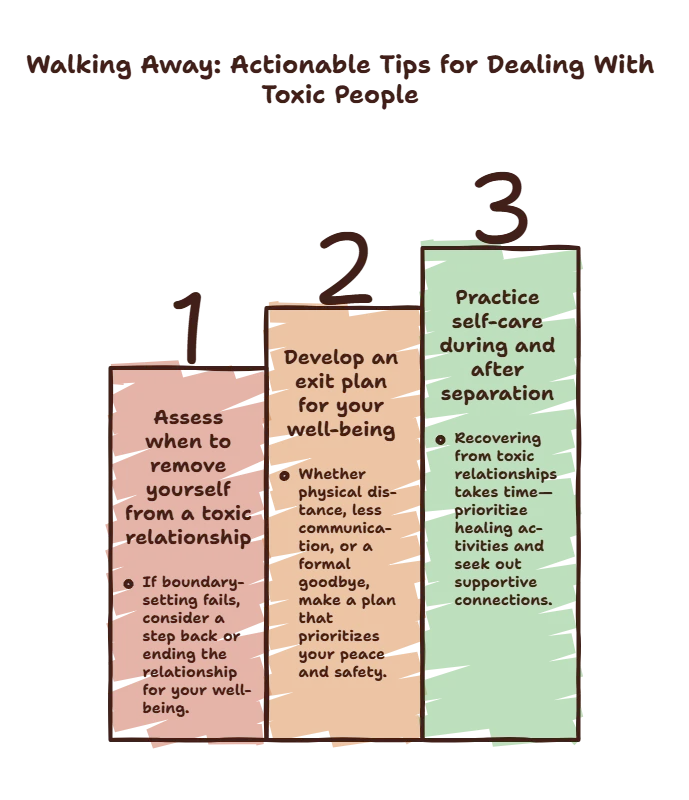
Walking Away: Actionable Tips for Dealing With Toxic People
Assess when to remove yourself from a toxic relationship: If boundary-setting fails, consider a step back or ending the relationship for your well-being.
Develop an exit plan for your well-being: Whether physical distance, less communication, or a formal goodbye, make a plan that prioritizes your peace and safety.
Practice self-care during and after separation: Recovering from toxic relationships takes time—prioritize healing activities and seek out supportive connections.
People Also Ask: Recognizing and Responding to Signs of a Toxic Person
How to know if a person is toxic?
A person is toxic if they consistently make you feel emotionally drained, undermine your confidence, ignore your boundaries, or manipulate situations to their advantage. Pay attention to how you feel after interactions—if you usually leave feeling anxious, sad, or guilty, these are warning signs of toxic people. Noticing patterns like chronic negativity, constant criticism, and blame-shifting provides further clarity.
What is the number one habit of a toxic person?
The most common habit of a toxic person is manipulating others through criticism, guilt, or emotional games to maintain control or avoid accountability. This may show up as frequent blame-shifting, making others feel responsible for their issues, or emotionally draining those around them. Understanding and recognizing this pattern is crucial for protecting your peace and setting boundaries.
What are the 7 signs someone is simply a bad person?
The seven signs of a toxic or bad person include: constant criticism, manipulation tactics, disrespect for boundaries, lack of accountability, chronic negativity, emotional drain, and efforts to undermine your self-esteem. These behaviors, especially when persistent, indicate deeper issues and often require you to take protective actions for your mental health and well-being.
What are the red flags of a toxic person?
Red flags of a toxic person include unpredictable mood swings, frequent drama escalation, refusal to accept responsibility, gossip, playing the victim, and consistently disrespecting your boundaries. Recognizing these behaviors early can help you set boundaries or walk away to preserve your peace and emotional health.

FAQs About Signs of a Toxic Person and Dealing With Toxic People
Can toxic people change?
While change is possible, toxic people rarely alter deep-seated behaviors without professional intervention or significant self-reflection. Setting boundaries is essential for your own protection.Is it possible to maintain a relationship with a toxic person?
Maintaining a healthy relationship with a toxic person is challenging. It requires strong boundaries, limited exposure, and prioritizing your own mental health above the relationship.How do you recover from a toxic relationship?
Recovery starts with space, time, and support from trusted friends or a therapist. Self-care and rebuilding self-esteem are crucial in the healing process after dealing with toxic people.What are early warning signs of toxic friends?
Early signs include frequent drama, manipulative behavior, lack of support, and a history of disrespecting your feelings or boundaries. If you feel more stressed or drained after spending time together, it’s a cue to reconsider the friendship.
Key Insights on Identifying and Addressing Signs of a Toxic Person
Early recognition is crucial for protecting your peace
Setting clear boundaries helps mitigate the impact of toxic people
Walking away is sometimes necessary for your mental health
Further Actions: Your Path to Better Wellness
Browse additional topics and build resilience at: NCWellnessHub.com
Conclusion: Trust your instincts, recognize the signs of toxicity, set boundaries, and prioritize your well-being—your peace is worth defending.
As you continue your journey toward healthier relationships and greater self-awareness, remember that nurturing your emotional well-being is an ongoing process. If you’re interested in expanding your toolkit for resilience, you might find it valuable to explore how positive practices like affirmations can support your mental health and boost your overall sense of well-being.
Taking small, intentional steps—whether through boundary-setting or cultivating a positive mindset—can make a meaningful difference in your daily life. Let your commitment to self-care and growth guide you as you build a more peaceful, empowered future.




Write A Comment